Mark Zuckerberg's Vision for Open Superintelligent AI
In a groundbreaking announcement, Mark Zuckerberg has laid out Meta's ambitious roadmap towards the development of open-source Artificial Superintelligence (ASI), also referred to as Artificial General Intelligence (AGI). This vision is not only about enhancing Meta's suite of applications and devices but also about reshaping the landscape of AI in a way that emphasizes collaboration, innovation, and accessibility.
Championing Open-Source AI Models
Meta's commitment to open-source AI models stands in stark contrast to the proprietary systems offered by competitors like OpenAI and Google. The rationale behind this strategy is multifaceted:
- Accessibility: By making AI models open-source, Meta aims to democratize access to these technologies, allowing developers, researchers, and businesses of all sizes to contribute to and benefit from advancements in AI.
- Collaboration: Open-source frameworks foster collaboration across various sectors and industries, driving innovation by pooling resources and expertise.
- Transparency: Open-source models promote a higher level of transparency, enabling users to understand how AI systems make decisions, thereby bolstering trust among consumers and regulators alike.
The Development of Llama 4
At the core of Meta's AI strategy is the development of its latest model, Llama 4. This model is designed to harness the power of Meta's vast computing infrastructure, which is powered by custom MTIA silicon chips. These chips are specifically engineered to optimize the performance of AI workloads, allowing Meta to process vast amounts of data efficiently and effectively.
The Llama 4 model is expected to significantly enhance Meta's AI capabilities, providing advanced processing power that can cater to a multitude of applications, from social media interactions to complex data analysis tasks.
AI Architecture
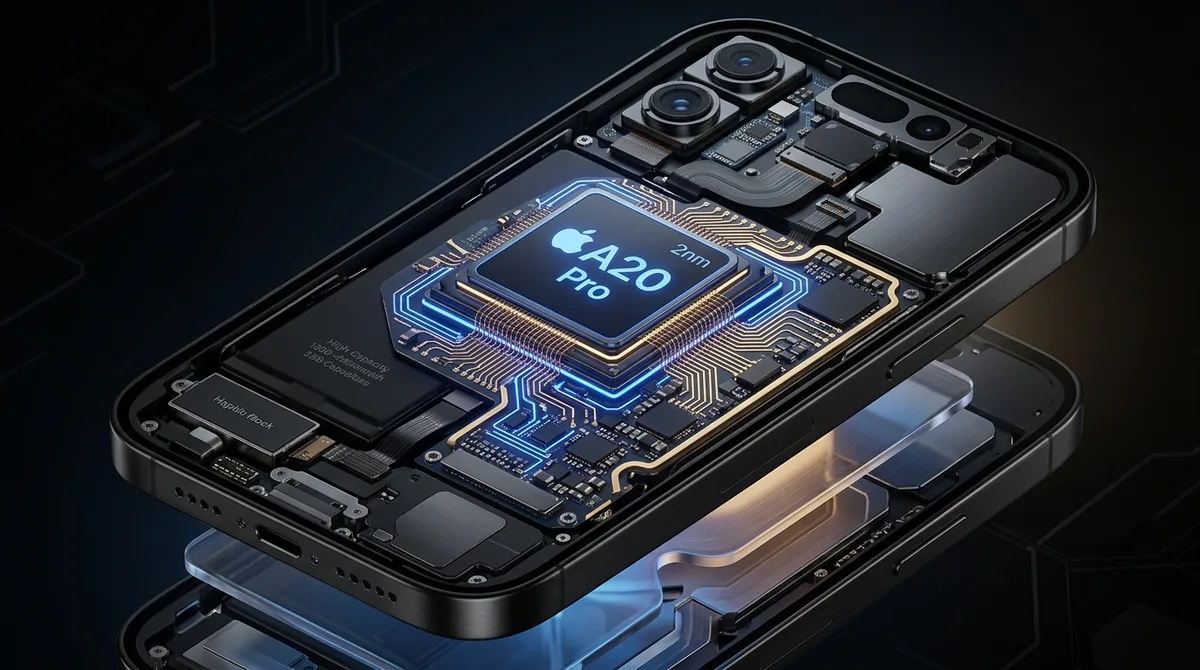
The architecture behind Meta's AI capabilities is a complex interplay of hardware and software designed to facilitate the development and deployment of superintelligent AI. The integration of MTIA silicon chips not only boosts performance but also ensures that Meta can scale its AI solutions rapidly to meet increasing demands.
Smart Glasses and Everyday AI
One of the most exciting applications of Meta's superintelligent AI will be in devices like Ray-Ban Meta smart glasses. These glasses will leverage advanced AI capabilities to provide users with enhanced features such as real-time translation, augmented reality overlays, and personalized recommendations based on user behavior.
Moreover, Meta's AI will also be embedded in platforms such as WhatsApp and Instagram, transforming the way users interact with these applications. Daily digital assistants powered by this AI will become integral in streamlining tasks, providing users with a more efficient and personalized experience.
Safety, Alignment, and Open-Source Governance
As Meta embarks on this AI journey, the company is acutely aware of the challenges that come with the development of superintelligent AI systems. Safety and alignment are paramount concerns, and Meta is committed to ensuring that its AI systems are developed responsibly.
Open-source governance will play a critical role in this process, allowing for a collaborative approach to AI safety that involves stakeholders from various sectors. This approach will help in establishing guidelines and best practices that can mitigate risks associated with AI deployment.
Comparative Analysis: Meta AI vs OpenAI vs Google Gemini
| Feature | Meta AI (Open Source) | OpenAI (Proprietary) | Google Gemini (Proprietary) |
|---|---|---|---|
| Superintelligence | Yes | Limited | In Development |
| Openness | Fully Open Source | Closed Source | Closed Source |
| Infrastructure | Custom MTIA Silicon | Cloud-based | Cloud-based |
| Ecosystem | Integrated with Meta Apps | Standalone API | Integrated with Google Services |
FAQ Section
What is Open Superintelligent AI?
Open Superintelligent AI refers to advanced AI systems that possess the ability to understand, learn, and perform tasks across a wide range of domains, with an emphasis on accessibility and collaboration through open-source frameworks.
How does Meta's approach differ from OpenAI and Google?
Meta emphasizes an open-source model, allowing community collaboration and transparency, whereas OpenAI and Google utilize proprietary systems that restrict access and collaboration.
What are MTIA silicon chips?
MTIA silicon chips are custom-designed processors developed by Meta to optimize performance for AI workloads, enabling efficient data processing and real-time AI functionality.
How will superintelligent AI impact everyday users?
Superintelligent AI will enhance user experiences across Meta's platforms by providing personalized recommendations, real-time assistance, and innovative functionalities in devices like smart glasses.
What measures will Meta take for AI safety and alignment?
Meta plans to implement open-source governance, collaborate with industry stakeholders, and establish best practices to ensure the safe and responsible deployment of its AI systems.
Llama 4 Architecture: A New Era in AI Models
Overview of Llama 4
The Llama 4 architecture represents a significant leap forward in the development of large language models (LLMs). Designed to enhance performance, efficiency, and adaptability, Llama 4 builds upon the foundations established by its predecessors while integrating cutting-edge techniques in machine learning and natural language processing.Key Features of Llama 4
One of the standout features of Llama 4 is its ability to process and generate text with unprecedented accuracy. The model employs a transformer architecture that has been optimized for multi-modal applications, allowing it to handle not only text but also images and audio inputs. This capability positions Llama 4 as a versatile tool for a variety of applications, from chatbots to content creation.Scalability and Efficiency
Llama 4 has been designed with scalability in mind. Its architecture allows it to efficiently utilize computational resources, making it feasible to train on larger datasets without a corresponding increase in energy consumption. This efficiency is achieved through advanced techniques such as sparse attention mechanisms and mixed-precision training, which collectively reduce the overall computational burden.Training Methodologies
MTIA Chips: The Hardware Backbone of Meta’s AI
Introduction to MTIA Chips
Meta's MTIA (Meta Training and Inference Accelerator) chips are designed to complement the capabilities of Llama 4 and other AI models. These chips are specifically engineered to optimize both the training and inference processes, ensuring that models can be deployed at scale without sacrificing performance.Architecture of MTIA Chips
The architecture of MTIA chips incorporates a multi-core design that allows for parallel processing of multiple tasks. This design enables the chips to handle the complex computations required by large models like Llama 4 efficiently. Additionally, MTIA chips support hardware acceleration for deep learning algorithms, further enhancing their performance.Energy Efficiency and Performance
Integration with AI Workflows
MTIA chips are seamlessly integrated into Meta's AI workflows, providing the necessary computational power to support real-time applications. This integration allows for rapid model training and deployment, enabling developers to iterate faster and bring innovative solutions to market.Ray-Ban Meta Glasses Integration: A New Frontier in Augmented Reality
Introduction to Ray-Ban Meta Glasses
The Ray-Ban Meta glasses represent a transformative move in the realm of augmented reality (AR). By merging the iconic design of Ray-Ban eyewear with advanced technology, these glasses facilitate a new way of interacting with the digital world, powered by Llama 4 and other AI capabilities.Features of Ray-Ban Meta Glasses
User Interaction and Experience
The user interaction model of Ray-Ban Meta glasses is designed to be seamless and natural. Through voice commands and gestures, users can access information, receive notifications, and even engage with AI-driven applications without the need for a separate device. This hands-free experience not only enhances convenience but also promotes a more immersive interaction with digital content.Potential Applications and Use Cases
Workforce Impact: The Future of Work with AI
The Role of AI in Modern Work Environments
As AI technologies like Llama 4 and MTIA chips continue to evolve, their impact on the workforce becomes increasingly pronounced. AI is poised to automate routine tasks, allowing employees to focus on higher-value activities that require creativity, critical thinking, and emotional intelligence.Job Displacement and Transformation
While the integration of AI into the workplace may lead to job displacement in certain sectors, it also opens up new opportunities. Many roles will transform rather than disappear, with AI taking on repetitive tasks and freeing workers to engage in more complex problem-solving. Training and upskilling will be essential for employees to adapt to these changes.Enhancing Productivity and Collaboration
The Need for Ethical Considerations
As AI continues to permeate the workforce, ethical considerations must be at the forefront of discussions. Issues such as data privacy, algorithmic bias, and the implications of surveillance through devices like Ray-Ban Meta glasses must be addressed to ensure that AI technologies are implemented responsibly and equitably.Fostering a Culture of Innovation
Organizations that embrace AI technologies can foster a culture of innovation. By encouraging employees to experiment with AI tools and integrate them into their workflows, companies can drive creativity and improve their competitive edge in the market. This cultural shift will be essential for leveraging the full potential of AI in the workplace.Conclusion: A Technological Paradigm Shift
Llama 4 Architecture
The Llama 4 architecture represents a significant leap in the evolution of AI models developed by Meta. Designed for enhanced understanding and versatility, Llama 4 integrates advanced neural networks that mimic human cognitive processes more effectively than its predecessors. This architecture features a multi-layered attention mechanism that allows the model to focus on relevant information dynamically, enhancing its context awareness and response accuracy.
Key Features of Llama 4
- Dynamic Attention Mechanism: Llama 4 employs a sophisticated attention mechanism that adjusts based on the input data, optimizing its processing capabilities.
- Scalability: The architecture is designed to scale efficiently, accommodating larger datasets and more complex tasks without compromising performance.
- Modular Design: Llama 4’s modular approach facilitates easier updates and integration of new functionalities, ensuring the model remains cutting-edge.
MTIA Chips
Meta's MTIA chips are engineered to support the high computational demands of AI models like Llama 4. These custom-designed chips boost processing speeds and energy efficiency, making them ideal for real-time AI applications.
Advantages of MTIA Chips
- Energy Efficiency: MTIA chips utilize advanced power management techniques, reducing energy consumption while maximizing output.
- High Throughput: With optimized architectures, MTIA chips deliver exceptional throughput, allowing for faster data processing and lower latency.
- Enhanced Security: Built with security protocols in mind, these chips safeguard data integrity and protect against potential vulnerabilities in AI applications.
Ray-Ban Meta Glasses Integration
The integration of Llama 4 with Ray-Ban Meta glasses exemplifies Meta's commitment to blending AI technology with everyday experiences. These smart glasses not only enhance user interaction with digital content but also leverage Llama 4's capabilities for personalized assistance.
Functionalities of Ray-Ban Meta Glasses
- Augmented Reality Features: Users can experience augmented reality overlays, providing contextual information about their surroundings.
- Voice Commands: Enhanced natural language processing allows users to interact with the device using voice commands, making it more intuitive.
- Real-Time Information: The glasses can deliver real-time updates and notifications, seamlessly integrating into the user’s daily life.
Workforce Impact
The introduction of Llama 4 and MTIA chips, alongside the integration of smart devices like Ray-Ban Meta glasses, is poised to transform the workforce landscape. As AI technology evolves, companies can expect shifts in operational efficiency and employee roles.
Changes in Workforce Dynamics
- Automation of Routine Tasks: AI capabilities will automate repetitive tasks, allowing employees to focus on more strategic initiatives.
- New Job Opportunities: The rise of AI will create new job roles in AI management, development, and maintenance.
- Upskilling Requirements: Employees will need to adapt by acquiring new skills related to AI tools and technologies to remain competitive in the job market.