Does a Lumbar Support Cushion Help with Sciatica and Lower Back Pain?
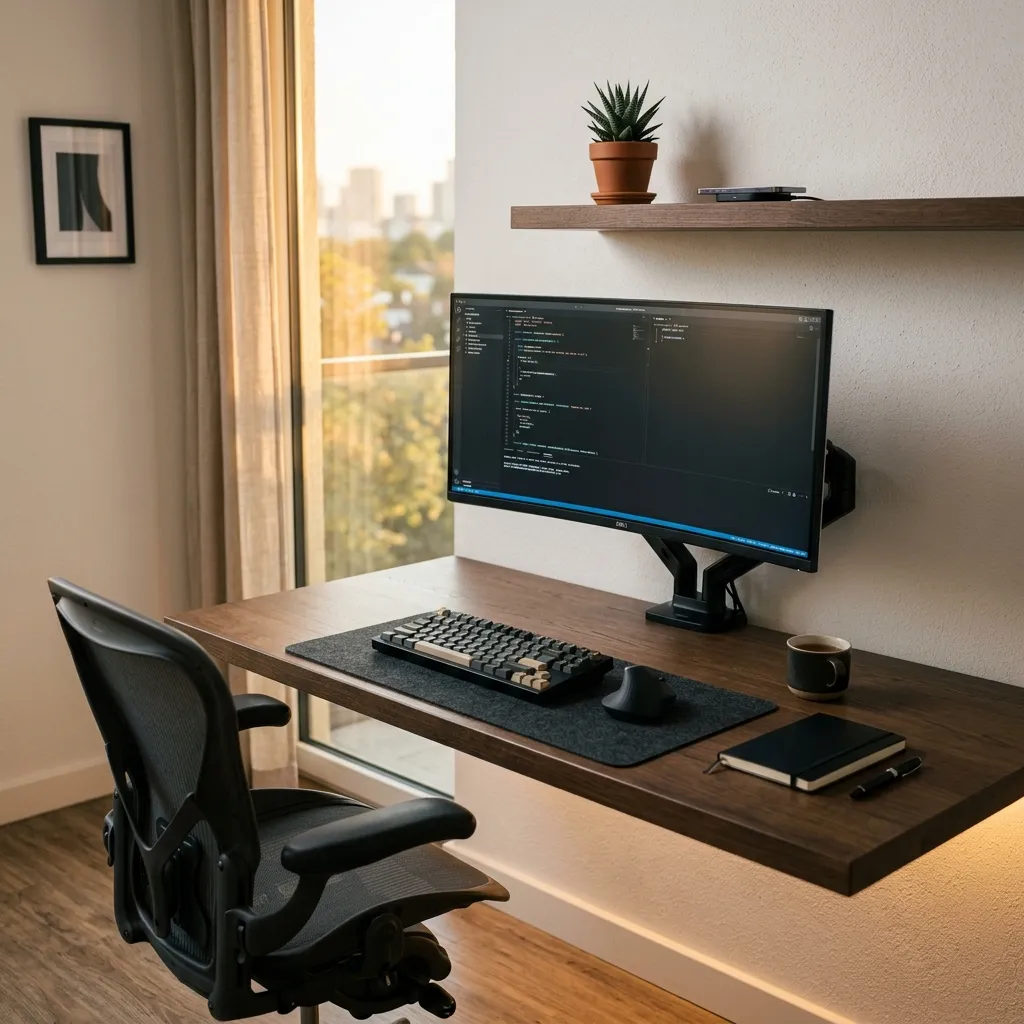
Yes, a lumbar support cushion can significantly alleviate sciatica and lower back pain by promoting proper spinal alignment.
Understanding Lumbar Support Cushions
Lumbar support cushions are designed to fill the gap between the lower back and the chair, encouraging a natural curve. Proper lumbar support can reduce pressure on the spine, potentially easing sciatica symptoms.
Ergonomic Design Features
Most ergonomically designed cushions feature contoured shapes that contour to the lumbar region. This design aspect aids in maintaining an optimal posture while seated for extended periods.
Manufacturing Materials
Common materials used in lumbar support cushions include memory foam, gel, and high-density foam. Each material offers different benefits in terms of comfort, durability, and support.
Comparative Performance Analysis
| Brand | Material | Support Level | Price | Warranty |
|---|---|---|---|---|
| ComfiLife | Memory Foam | Medium | $29.99 | Lifetime |
| Everlasting Comfort | Gel-Infused Memory Foam | High | $39.95 | 3 Years |
| LoveHome | High-Density Foam | Medium | $29.99 | 2 Years |
| Uttora | Memory Foam | Adjustable | $34.99 | 1 Year |
DomineTec Tip: Ensure the cushion is positioned correctly to align with the natural curve of your spine for maximum benefit.
- Choose a cushion with adjustable features for personalized support.
- Select a material that offers both comfort and durability.
- Check for a non-slip bottom to keep the cushion in place.
- Test the cushion in your chair to ensure it fits properly.
- Combine with an ergonomic desk setup to enhance overall comfort.
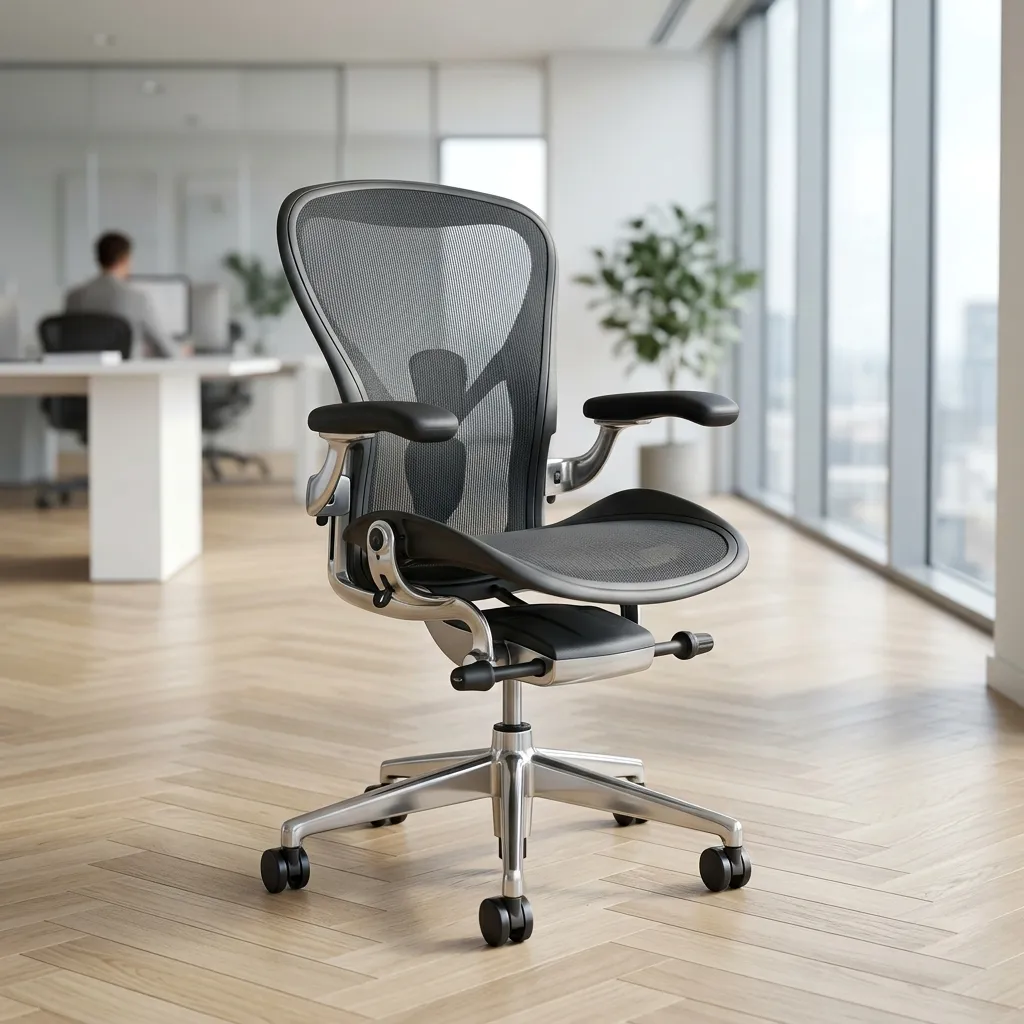
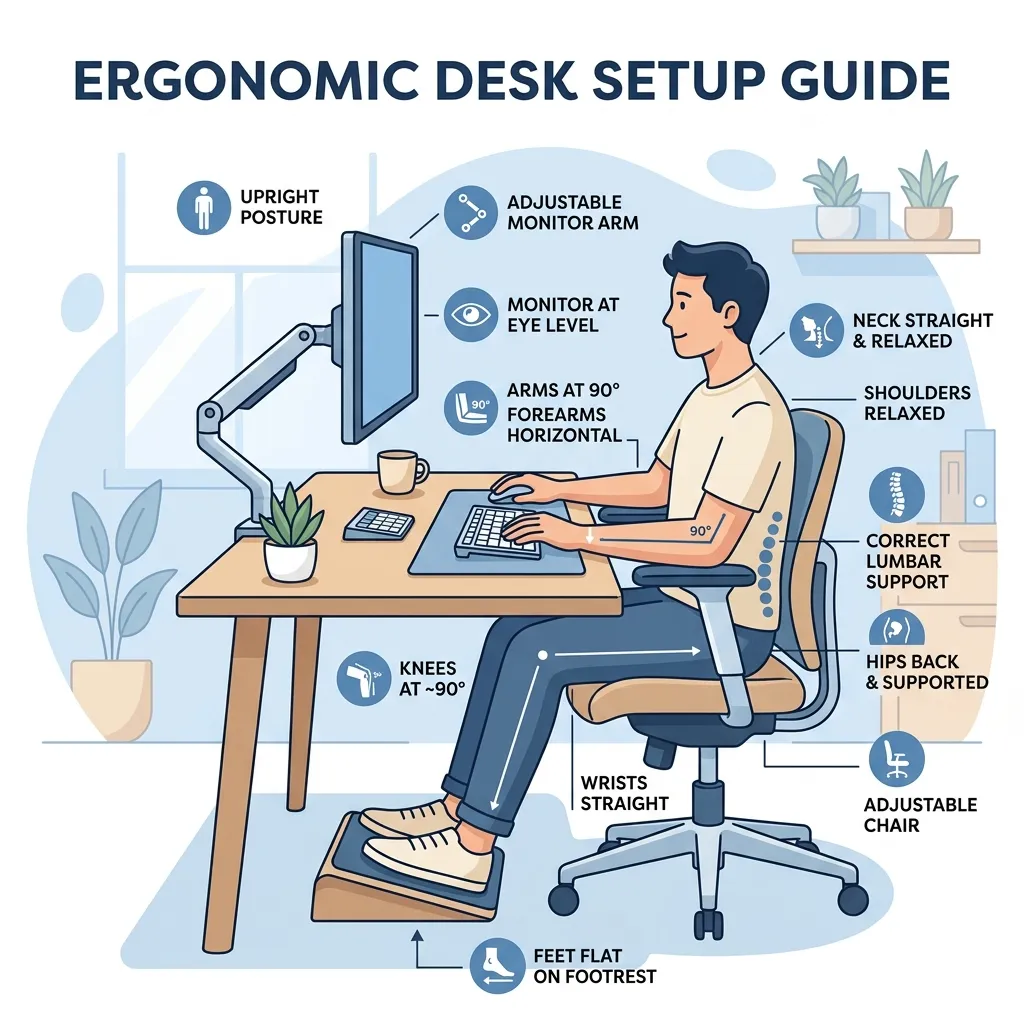
For optimal workplace comfort, consider an ergonomic office chair alongside your lumbar support solution.
Learn how to choose mechanical keyboard switches that suit your typing needs.
Scientific Evidence on Lumbar Support and Pain Relief
Research has shown a correlation between lumbar support and reduced lower back pain. Studies indicate that individuals using lumbar support cushions report significant decreases in pain levels during prolonged sitting.
Clinical trials demonstrate that lumbar support can improve spinal alignment, thereby alleviating pressure on nerves. These findings suggest that consistent use of lumbar support cushions may provide long-term benefits for individuals with sciatica.
Moreover, meta-analyses of multiple studies indicate that ergonomic seating solutions, including lumbar support, can enhance overall comfort. This increased comfort can lead to improved productivity and decreased absenteeism in work environments.
Continued research is essential to solidify the understanding of how lumbar support cushions impact various populations suffering from lower back pain. Future studies should explore the specific mechanisms through which these cushions provide relief.
User Experiences and Testimonials
User testimonials provide valuable insights into the effectiveness of lumbar support cushions. Many users report significant reductions in discomfort during extended periods of sitting, contributing to improved daily functioning.
Some individuals with chronic conditions, such as herniated discs, have shared their positive experiences with specific brands of lumbar support cushions. These accounts often highlight enhanced comfort and reduced pain during daily activities.
Conversely, some users have expressed dissatisfaction, citing minimal impact on their pain levels. These varied experiences underscore the importance of individual preferences and needs when selecting a lumbar support cushion.
User reviews can serve as a guide for potential buyers, helping them make informed decisions based on real-life experiences. It is crucial for consumers to consider both positive and negative feedback when evaluating lumbar support options.
Proper Usage and Adjustment Techniques
To maximize the benefits of lumbar support cushions, proper usage and adjustment are critical. Users should position the cushion to support the natural curve of the lumbar spine, ensuring adequate support without causing discomfort.
Adjusting the height and angle of the cushion can also enhance its effectiveness. Users may need to experiment with different positions to find the most comfortable and supportive arrangement for their body type.
In addition, regular breaks from prolonged sitting are recommended, even when using a lumbar support cushion. Incorporating movement into one’s routine can further alleviate pressure on the lower back.
Proper maintenance of the cushion, such as regular cleaning and checking for wear, can also prolong its lifespan and effectiveness. Users should follow manufacturer guidelines to ensure optimal performance over time.
Impact on Posture and Spinal Health
Lumbar support cushions play a significant role in promoting proper posture. By encouraging a neutral spine position, these cushions can mitigate the effects of slouching and other poor postural habits.
Good posture is essential for spinal health, as it helps distribute body weight evenly across the spine. This balanced alignment can reduce strain on muscles and ligaments, potentially decreasing the likelihood of developing further back issues.
Over time, consistent use of lumbar support cushions can lead to improved muscle memory for proper posture. Individuals may find that they maintain better alignment even when not using the cushion.
Encouraging awareness of posture is crucial, and lumbar support cushions can serve as a practical tool in this endeavor. Education on maintaining spinal health should accompany the use of these supportive devices.
Cost-Effectiveness and Accessibility
The cost of lumbar support cushions varies widely, making them accessible to a broad audience. Many effective options are available at affordable prices, allowing individuals to invest in their back health without significant financial burden.
Employers may also consider providing lumbar support cushions for employees, viewing them as an investment in workplace wellness. This approach can reduce healthcare costs related to back pain and improve employee morale.
Government and organizational initiatives promoting ergonomic solutions can further increase accessibility. Public health campaigns may highlight the importance of lumbar support in preventing and managing lower back pain.
Ultimately, the cost-effectiveness of lumbar support cushions makes them an attractive option for many individuals. Balancing affordability with quality is essential when selecting the right cushion for optimal support.
Integration with Other Treatment Methods
Lumbar support cushions can be effectively used in conjunction with other treatment methods for lower back pain. Physical therapy, for example, often emphasizes the importance of maintaining proper posture, which lumbar supports facilitate.
Additionally, combining the use of lumbar support cushions with exercises aimed at strengthening core muscles can enhance overall back health. A comprehensive approach may lead to more sustainable pain relief.
In some cases, healthcare providers may recommend lumbar support cushions as part of a broader treatment plan that includes medication or alternative therapies. This integrative approach can address both symptoms and underlying causes of back pain.
Collaboration between patients and healthcare professionals is crucial in developing tailored treatment plans that incorporate lumbar support. Regular assessments can help determine the effectiveness of these combined strategies.
Future Innovations in Lumbar Support Technology
The field of lumbar support technology continues to evolve, with ongoing innovations aimed at enhancing comfort and effectiveness. New designs may incorporate advanced materials that adapt to the user's body shape and movements.
Smart lumbar support cushions, equipped with sensors, could provide real-time feedback on posture, encouraging users to maintain proper alignment throughout the day. Such technology could revolutionize how individuals interact with their seating arrangements.
Additionally, research into biofeedback mechanisms may lead to cushions that actively assist in correcting posture based on the user’s movements. This level of integration could significantly enhance the therapeutic benefits of lumbar support.
As awareness of back health grows, the demand for innovative lumbar support solutions is likely to increase. Future advancements should focus on personalization and adaptability to cater to diverse user needs and preferences.
Long-Term Benefits of Consistent Use
Regular use of lumbar support cushions can lead to significant long-term benefits for individuals suffering from sciatica and lower back pain. Consistent use encourages better spinal alignment, which can reduce the frequency and intensity of pain episodes over time.
Moreover, habitual use can assist in retraining the body’s posture, leading to a more natural alignment even when the cushion is not in use. As users become accustomed to better posture, they may notice improvements in overall mobility and a decrease in discomfort during daily activities.
Potential Downsides and Limitations
While lumbar support cushions offer numerous advantages, they may not be suitable for everyone, and potential downsides should be considered. Some users may experience initial discomfort as their bodies adjust to new support, leading to a temporary increase in pain.
Additionally, reliance on cushions without addressing underlying issues, such as muscle weakness or other health conditions, may limit overall effectiveness. Consulting with healthcare professionals is crucial to ensure that a lumbar support cushion complements a comprehensive pain management strategy.
Customizable Options and Personalization
Customization plays a significant role in the effectiveness of lumbar support cushions for individual users. Many manufacturers now offer adjustable features, allowing users to modify the level of support based on their specific needs and preferences.
The ability to choose materials, sizes, and shapes tailored to personal body types can greatly enhance comfort and functionality. Personalization ensures that users receive maximum benefit, leading to greater satisfaction and adherence to using lumbar support cushions.
Impact on Daily Activities and Quality of Life
The integration of lumbar support cushions into daily activities can significantly influence overall quality of life. Individuals suffering from sciatica or lower back pain often experience limitations in their mobility and productivity, making everyday tasks challenging.
Using a lumbar support cushion while sitting at a desk or driving can enhance comfort levels and alleviate discomfort during prolonged periods of inactivity. This improvement allows individuals to engage more fully in their work and personal lives, fostering a greater sense of normalcy.
Moreover, the psychological benefits of reduced pain can lead to increased motivation and participation in social activities. As individuals experience less discomfort, they are more likely to engage in exercise and recreational activities, which are vital for overall well-being.
Ultimately, the positive impact of lumbar support cushions on daily activities emphasizes their role not only in pain management but also in enhancing the quality of life for those affected by lower back issues.
Considerations for Choosing the Right Cushion
Selecting the appropriate lumbar support cushion requires careful consideration of various factors. Individuals should assess their specific needs, including the severity of their pain and the types of activities they engage in regularly.
Different cushions offer unique features such as adjustable firmness, contoured shapes, and varying sizes, which can cater to individual preferences and requirements. Testing multiple options may be beneficial to determine which cushion provides the best support and comfort.
Additionally, it is crucial to consider the cushion's compatibility with existing seating arrangements. Ensuring that a chosen cushion fits well with office chairs, car seats, or home furniture can enhance effectiveness and prevent additional strain on the back.
Finally, consulting with healthcare professionals can provide valuable insights when selecting a cushion, ensuring that the chosen product aligns with an individual's specific health conditions and lifestyle needs.
Impact on Occupational Health
The integration of lumbar support cushions in workplace settings has shown significant benefits for employee health and productivity. Many professions involve prolonged sitting, which can exacerbate lower back pain and lead to sciatica. By providing adequate lumbar support, these cushions can promote healthier sitting postures, reducing the strain on the lower back over time.
Occupational health studies have indicated that workers who use lumbar support cushions report fewer instances of discomfort and lower back pain compared to those who do not. This not only improves individual well-being but can also lead to decreased absenteeism and increased workplace efficiency. Employers investing in ergonomic solutions can therefore expect a positive return on investment through enhanced employee satisfaction and performance.
Furthermore, the regular use of lumbar support cushions can contribute to long-term health benefits, such as reduced healthcare costs related to back pain treatments. By fostering a culture of ergonomic awareness, organizations can create a safer work environment that prioritizes employee health, ultimately benefiting both the workers and the organization as a whole.
In conclusion, the role of lumbar support cushions in occupational health cannot be overstated. By mitigating discomfort associated with prolonged sitting, these cushions serve as a proactive measure for maintaining spinal health and enhancing overall workplace morale.
Environmental Considerations in Cushion Production
As awareness of environmental issues grows, the manufacturing processes of lumbar support cushions are increasingly under scrutiny. Sustainable practices in the production of these cushions can significantly reduce their environmental footprint. Many manufacturers are now opting for eco-friendly materials that not only provide comfort and support but also minimize ecological harm.
Recyclable materials and non-toxic foams are becoming popular choices in the industry. These options not only ensure a safer product for consumers but also contribute to reducing landfill waste. Additionally, some companies are implementing sustainable sourcing practices, ensuring that materials used in lumbar support cushions are obtained from renewable resources.
Moreover, the longevity of lumbar support cushions plays a critical role in their environmental impact. High-quality products that are durable and maintain their shape over time reduce the need for frequent replacements, which in turn lessens waste. Consumers are encouraged to seek out brands that prioritize sustainability without compromising on the effectiveness of their products.
Ultimately, the environmental considerations in lumbar support cushion production highlight the importance of responsible consumerism. By choosing products that are both effective and ecologically sound, consumers can contribute to environmental sustainability while enhancing their own health and comfort.
Frequently Asked Questions
What is sciatica?
Sciatica refers to pain that radiates along the path of the sciatic nerve, which runs down one or both legs from the lower back.
How does lumbar support alleviate pain?
Lumbar support cushions promote spinal alignment and reduce pressure on the lower back, which can help alleviate pain associated with sciatica.
Can lumbar support cushions be used in any chair?
Yes, lumbar support cushions can be used in most chairs, including office chairs, car seats, and even sofas.
How often should lumbar support cushions be replaced?
Replacement is recommended every 1-3 years, depending on the wear and compression of the materials.
Are there any exercises that complement the use of lumbar cushions?
Gentle stretching and strengthening exercises for the lower back can enhance the benefits of using lumbar support cushions.