Lithium vs. Lead-Acid Solar Battery: Which Is Better for Home?

Lithium vs. Lead-Acid Solar Battery: Which Is Better for Home?
Lithium solar batteries are superior to lead-acid batteries due to their longer lifespan, higher efficiency, and depth of discharge capabilities. Choosing and installing the right system ensures energy independence and long-term utility bill reductions.
Lithium solar batteries are superior to lead-acid batteries due to their longer lifespan, higher efficiency, and depth of discharge capabilities. Choosing and installing the right system ensures energy independence and long-term utility bill reductions.
Choosing the right battery for your solar energy system is key. Homeowners often face the decision between lithium and lead-acid batteries. Each type has its own advantages and disadvantages, which can significantly impact your solar energy experience.
Understanding Solar Battery Technologies
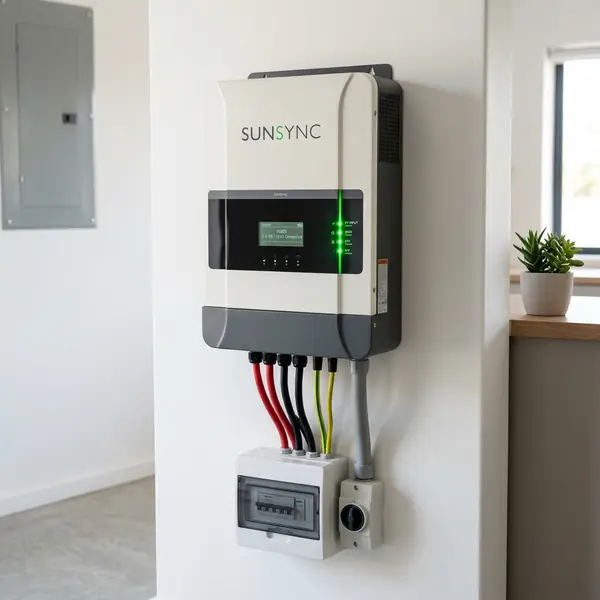
Solar batteries store energy generated from solar panels. This stored energy can be used during the night or cloudy days. Understanding the differences between lithium and lead-acid batteries can help you make an informed choice.
Lead-acid batteries have been a staple for decades. They are widely used in off-grid solar systems and have a long history of reliability. On the other hand, lithium batteries are newer but are gaining popularity due to their efficiency and performance.
Cost Comparison
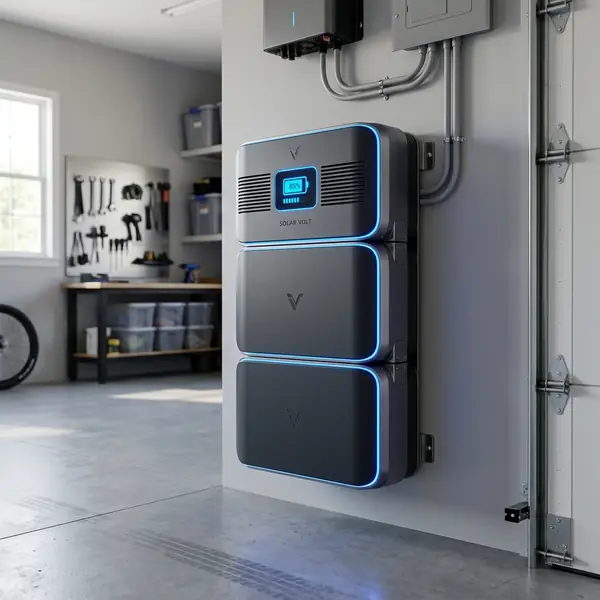
Cost is often the first consideration for homeowners. Lead-acid batteries are generally cheaper upfront but have a shorter lifespan. Lithium batteries have a higher initial cost but can save money in the long run due to their longevity and efficiency.
As of 2026, a typical lead-acid battery costs around $150 to $200 per kWh. In contrast, lithium batteries range from $500 to $700 per kWh. Despite the higher upfront costs, lithium batteries can last up to 10-15 years, compared to 3-5 years for lead-acid batteries.
| Battery Type | Cost per kWh | Average Lifespan | Depth of Discharge (DoD) |
|---|---|---|---|
| Lead-Acid | $150 - $200 | 3 - 5 years | 50% |
| Lithium | $500 - $700 | 10 - 15 years | 80 - 90% |
DomineTec Tip: Consider the total cost of ownership, including lifespan and efficiency, when choosing a battery.
Performance Differences
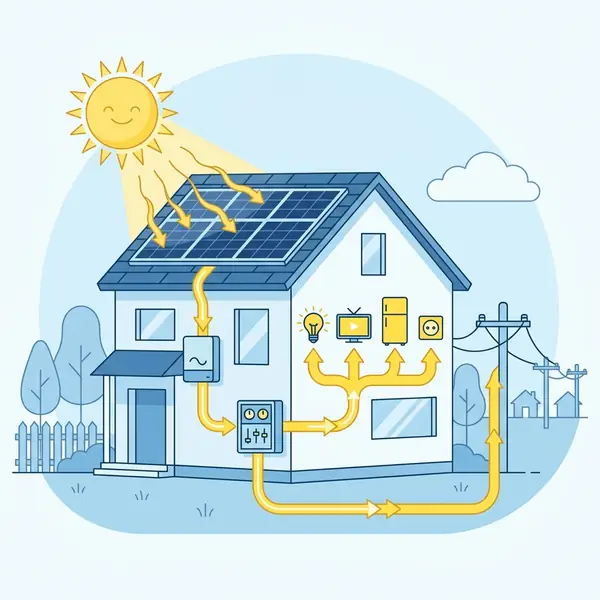
Performance is another key factor when comparing lithium vs lead-acid solar batteries. Lithium batteries provide a higher depth of discharge. This means you can use more of the battery's total capacity without damaging it.
Lead-acid batteries typically have a depth of discharge of around 50%. This limitation can lead to reduced usable energy and may require more frequent recharging, impacting overall efficiency.
In practical terms, if you have a 10 kWh lead-acid battery, you might only be able to safely use 5 kWh. In contrast, a lithium battery of the same capacity allows for 8-9 kWh of usable energy, providing greater flexibility for your energy needs.
Environmental Impact

When considering battery options, it's important to think about their environmental impact. Lead-acid batteries contain toxic substances, making proper disposal and recycling key to avoid environmental damage. On the other hand, lithium batteries are generally more eco-friendly, as they tend to have a higher recycling rate and lower toxic material content.
As of 2026, the lithium-ion battery recycling market is projected to reach $18 billion, indicating a growing trend towards sustainability in energy storage. This move not only helps the environment but also supports the circular economy by reclaiming valuable materials.
Homeowners can also engage in responsible disposal practices by working with local recycling centers to ensure that used batteries are processed correctly. Many manufacturers now offer take-back programs for lithium batteries, ensuring they are recycled properly.
Installation and Maintenance Considerations
Installation is a critical aspect that varies between battery types. Lead-acid batteries require more space and ventilation due to gas emissions during charging and discharging. Lithium batteries, being more compact, can often be installed in smaller spaces, making them more versatile for home installations.
Maintenance is another factor where lithium batteries shine. They typically require less upkeep compared to lead-acid batteries, which need regular checks for electrolyte levels and corrosion. This ease of maintenance can save homeowners both time and money.
For example, a homeowner who opts for a lithium battery might spend less time on maintenance tasks, allowing them to focus on other aspects of energy management. In contrast, a lead-acid battery might require monthly checks, which can be a burden for some homeowners.
Real-World Examples and Case Studies
To illustrate the differences, let's consider a couple of real-world examples. A family in California installed a 10 kWh lithium battery system for $6,000. With an average electricity cost of $0.20 per kWh, their system pays for itself in about 7 years due to savings on their utility bill.
In contrast, a homeowner in Texas opted for a lead-acid battery system costing $1,500 for a similar capacity. However, they faced frequent replacements every 4 years, leading to a total cost of ownership that exceeded the lithium option in just over a decade.
These examples highlight the importance of considering long-term costs and benefits when selecting a battery type. Homeowners should weigh their options carefully to find the best fit for their energy needs and financial goals.
Future Trends in Solar Battery Technology
The solar battery industry is evolving rapidly, with advancements in technology driving improvements in efficiency and sustainability. Innovations such as solid-state batteries are on the horizon, promising even greater energy density and safety compared to current lithium-ion technologies.
In addition, the integration of artificial intelligence in energy management systems is expected to optimize battery performance and lifespan. Homeowners may soon benefit from smart systems that predict energy usage patterns and adjust battery charging and discharging accordingly.
As the demand for renewable energy sources continues to grow, investment in research and development will likely lead to more affordable and effective battery solutions in the future. Keeping an eye on these trends can help homeowners stay ahead of the curve in solar energy adoption.
In conclusion, while both lithium and lead-acid batteries have their merits, the choice ultimately depends on individual needs and circumstances. By considering factors such as cost, performance, environmental impact, and future trends, homeowners can make an informed decision that aligns with their energy goals.
Performance in Extreme Weather Conditions
One significant factor in choosing between lithium and lead-acid batteries is their performance in extreme weather conditions. Lithium batteries generally have a wider operational temperature range, typically from -4°F to 140°F (-20°C to 60°C). In contrast, lead-acid batteries can struggle in colder climates, with performance dropping significantly below 32°F (0°C).
In freezing temperatures, lead-acid batteries can lose up to 50% of their capacity. This can affect the reliability of your solar energy system, particularly in regions that experience harsh winters. Lithium batteries, on the other hand, maintain more consistent performance, making them a better choice for areas with extreme temperature fluctuations.
Long-Term Environmental Impact
When considering the environmental impact of solar batteries, lithium and lead-acid batteries present different challenges. Lead-acid batteries are more toxic and require careful recycling due to the lead content. Although they have been used for decades, improper disposal can lead to soil and water contamination.
In contrast, lithium batteries are less toxic but still pose some environmental concerns due to the mining of lithium and cobalt. However, advancements in recycling technologies are improving the life cycle management of lithium batteries, making them a more sustainable option in the long term. Evaluating the full environmental impact is key for responsible solar energy use.
Cost Analysis Over Time
While the initial purchase price of lithium batteries is higher, their longevity and performance can lead to lower total costs over time. For instance, the average cost of a lithium battery system is around $7,000 to $14,000, while lead-acid systems range from $3,000 to $7,000. However, lithium batteries can last up to 15 years or more, compared to 3 to 7 years for lead-acid batteries.
This extended lifespan often translates to lower maintenance costs and fewer replacements, making lithium batteries a more cost-effective choice in the long run. Additionally, their higher efficiency can lead to increased energy savings, further offsetting the initial investment.
Technological Advances and Innovations
The solar battery market is rapidly evolving, with ongoing research leading to innovations in both lithium and lead-acid technologies. For lithium batteries, developments in solid-state technology promise to enhance safety and energy density, potentially reducing costs and increasing lifespan.
On the other hand, lead-acid technology is also advancing, with hybrid systems and enhanced lead formulations improving efficiency and performance. Keeping an eye on these technological trends can help consumers make informed decisions about which battery type may best meet their needs in the future.
| Feature | Lithium Batteries | Lead-Acid Batteries |
|---|---|---|
| Cost | $7,000 - $14,000 | $3,000 - $7,000 |
| Average Lifespan | 10 - 15 years | 3 - 7 years |
| Temperature Range | -4°F to 140°F | 32°F to 120°F |
| Weight | Lighter | Heavier |
| Environmental Impact | Lower toxicity, but mining issues | Toxic lead, recycling challenges |
DomineTec Tip: Consider your local climate and energy needs when choosing a battery type. The right choice can lead to improved efficiency and reliability for your solar energy system.
How do temperature extremes affect battery performance?
Lithium-ion batteries perform better in extreme temperatures compared to lead-acid batteries, which can suffer from reduced efficiency in cold conditions.
Are lithium-ion batteries more environmentally friendly?
Lithium-ion batteries generally have a smaller ecological footprint and longer lifespan, but lead-acid batteries have a more established recycling process.
What are the average costs for each type of battery?
Lithium-ion batteries cost between $700 and $1,200 per kWh, while lead-acid batteries range from $200 to $500 per kWh.
What advancements are being made in battery technology?
Research is focused on solid-state batteries, improved recycling methods, and greater efficiency, which may influence future battery choices.




