Do Keyboard Wrist Rests Actually Prevent RSI and Wrist Strain?

Keyboard wrist rests can reduce RSI and wrist strain when used correctly, but they are not a standalone solution.
Understanding RSI and Wrist Strain
Repetitive Strain Injury (RSI) is a condition caused by repetitive motions, primarily affecting muscles and tendons in the wrist.
Wrist strain often results from poor ergonomics, which keyboard wrist rests aim to mitigate by providing support.
The Role of Ergonomics in Wrist Health
Proper wrist positioning is crucial; wrists should remain straight and in line with the forearm during typing.
Wrist rests can help maintain this alignment, preventing hyperextension and excessive flexion.
Material Considerations: Foam vs. Gel vs. Wood
Wrist rests are commonly made from foam, gel, or natural materials like wood, each offering unique benefits.
Foam provides softness, gel offers cooling properties, while wood ensures sturdiness and aesthetic appeal.
Comparative Analysis of Popular Brands
| Brand | Material | Dimensions (inches) | Price (USD) |
|---|---|---|---|
| Kensington | Foam | 19.5 x 3.5 | 20 |
| 3M | Gel | 19 x 2.75 | 25 |
| Gamer's Edge | Wood | 18 x 4 | 30 |
Best Practices for Using Wrist Rests
DomineTec Tip: Regular breaks and stretches are essential in conjunction with wrist rests for optimal wrist health.
- Ensure the wrist rest is at the same height as the keyboard.
- Maintain a neutral wrist position while typing.
- Use a chair that supports proper posture and desk height.
- Incorporate regular breaks to avoid strain.
- Choose a wrist rest that fits your typing style and preferences.

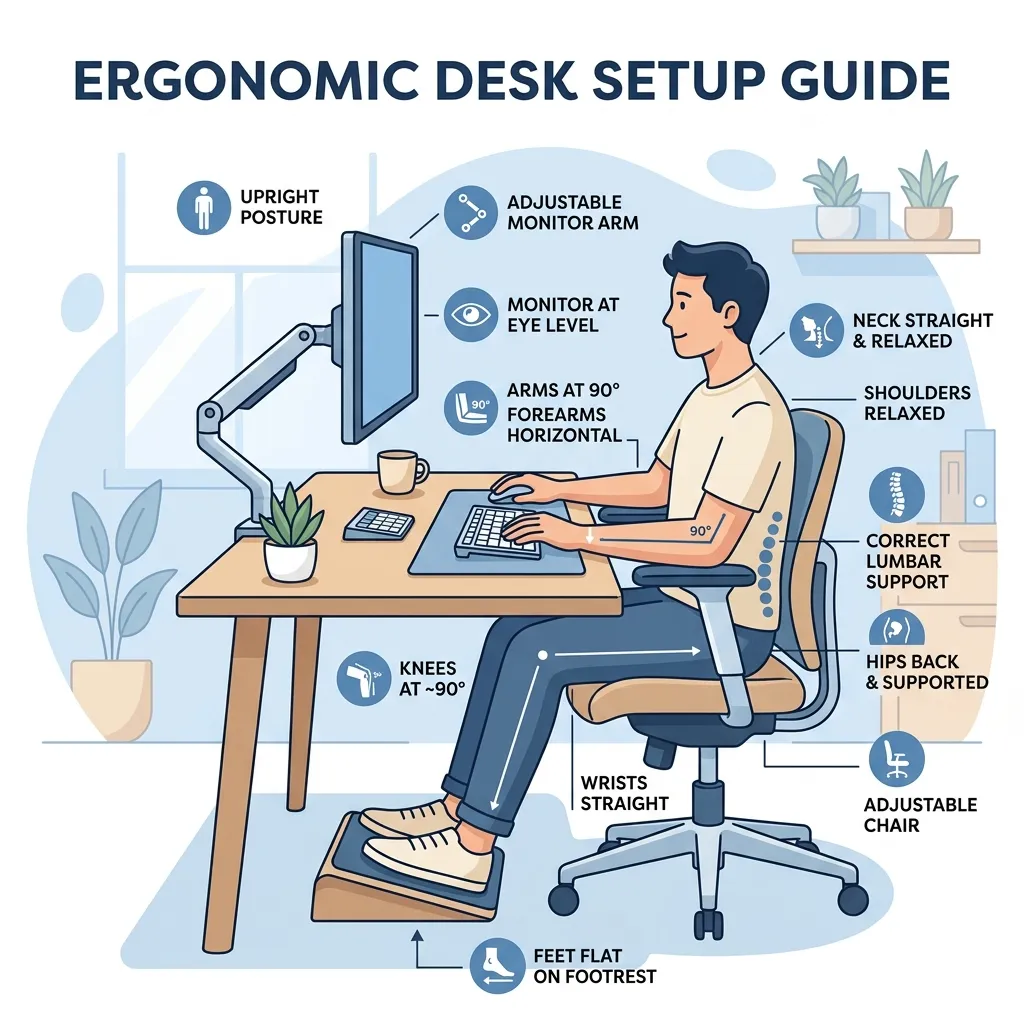
For optimal performance, also consider the correct monitor height and invest in a quality ergonomic office chair.
Biomechanics of the Wrist During Typing
The wrist joint is a complex structure that involves multiple bones, ligaments, and tendons, all of which can be affected by repetitive movements such as typing.
Understanding the biomechanics of the wrist during typing can shed light on how certain positioning may contribute to or alleviate strain.
When typing, the wrist should ideally remain in a neutral position, minimizing flexion or extension.
Deviations from this neutral posture can increase the risk of strain and discomfort over time.
Research indicates that prolonged deviations in wrist position can lead to increased pressure on the median nerve, contributing to conditions such as carpal tunnel syndrome.
Thus, maintaining proper wrist alignment is crucial for long-term wrist health.
Moreover, the force exerted during typing can also influence wrist strain.
Using a light touch while typing can reduce the strain on the wrist, which underscores the importance of not only posture but also typing technique.
Impact of Keyboard Design on Wrist Health
The design of the keyboard itself plays a significant role in wrist health and strain prevention.
Keyboards with a sloped design can promote a more natural wrist position, potentially reducing the risk of discomfort.
Flat keyboards may encourage wrist extension, which is not ideal for long typing sessions.
Choosing a keyboard design that aligns with ergonomic principles can help mitigate the risks associated with prolonged typing.
Additionally, mechanical keyboards with tactile feedback may promote a lighter touch while typing, further reducing the strain on the wrists.
Users should consider how keyboard design interacts with wrist positioning.
In recent years, split keyboards have also gained popularity, as they allow for a more natural hand and wrist alignment.
These designs can help prevent overextension and promote a more comfortable typing experience.
Potential Psychological Factors in Wrist Strain
Psychological factors can also play a role in wrist strain and discomfort.
Stress and anxiety may lead to increased muscle tension in the body, including the wrists and forearms.
Individuals who are under pressure to meet deadlines may develop poor typing habits, such as increased force or awkward wrist positions, further exacerbating the risk of strain.
Awareness of these psychological triggers is essential for preventing discomfort.
Moreover, a person's mindset towards ergonomics can influence their adherence to best practices.
Those who view ergonomic adjustments as beneficial are more likely to implement changes in their workspace.
Incorporating stress management techniques, such as mindfulness or regular breaks, can contribute to overall wrist health.
A holistic approach that considers both physical and psychological factors may reduce the risk of RSI.
The Role of Stretching and Strengthening Exercises
Incorporating stretching and strengthening exercises into a daily routine can significantly enhance wrist health.
Regular stretching can improve flexibility and reduce tension in the wrist muscles and tendons.
Strengthening exercises, particularly for the forearm muscles, can provide better support for the wrist joint.
A stronger forearm may help to stabilize the wrist during typing, reducing the likelihood of strain.
Various stretching techniques, such as wrist flexor and extensor stretches, can be easily performed during breaks.
These exercises can help alleviate tension and promote blood flow to the area.
Establishing a consistent routine that includes both stretching and strengthening can lead to long-term improvements in wrist health and may complement the use of wrist rests effectively.
Long-Term Effects of Poor Wrist Health
Ignoring symptoms of wrist strain can lead to chronic conditions that may significantly impact daily life.
Long-term exposure to poor ergonomic practices can result in persistent pain, numbness, and weakness in the hands and wrists.
Conditions such as tendinitis or carpal tunnel syndrome may develop if preventative measures are not taken.
These conditions can result in surgical interventions, which can be avoided through early intervention and proper ergonomics.
Additionally, chronic wrist issues can affect productivity, leading to decreased job performance and increased absenteeism.
Addressing wrist health proactively can prevent these negative consequences.
Longitudinal studies have shown that individuals who adopt ergonomic practices early on have better long-term outcomes regarding wrist health.
Prevention is always more effective than treatment when it comes to RSI and wrist strain.
Cost-Benefit Analysis of Investing in Ergonomic Solutions
Investing in ergonomic solutions, including wrist rests, can be evaluated through a cost-benefit analysis.
While the initial cost may seem high, the long-term savings associated with reduced medical expenses and increased productivity can outweigh these costs.
Purchasing high-quality ergonomic equipment can lead to fewer work-related injuries, which may ultimately translate into lower healthcare costs and reduced absenteeism.
Employers, in particular, may find substantial savings by prioritizing ergonomics.
Furthermore, improved employee satisfaction and comfort can enhance overall workplace morale, leading to a more productive workforce.
This qualitative aspect of the cost-benefit analysis is often overlooked but is crucial for long-term success.
When assessing ergonomic investments, individuals and organizations should consider not only the monetary costs but also the value of maintaining a healthy workforce and the benefits of long-term wellness.
Future Trends in Ergonomic Technology
The field of ergonomics is continuously evolving, with new technologies emerging to promote wrist health.
Innovations such as smart keyboards that adapt to user behavior are on the rise, offering personalized feedback to reduce strain.
Wearable devices that monitor wrist position and muscle tension could provide real-time data, allowing users to adjust their posture instantly.
This proactive approach could significantly mitigate the risk of developing RSI.
As remote work becomes more prevalent, ergonomic solutions tailored for home offices are also gaining attention.
Products designed for smaller spaces that do not compromise on ergonomics will likely see increased demand.
Incorporating these advanced technologies into daily work routines can lead to a more comprehensive understanding of individual needs and preferences, ultimately enhancing wrist health in the long run.
The Importance of Proper Posture While Typing
Maintaining proper posture is crucial for minimizing the risk of RSI and wrist strain during prolonged typing sessions.
Incorrect posture can lead to misalignment of the wrists and hands, exacerbating pressure on the muscles and tendons.
Employing an ergonomic chair that supports the lower back and promotes an upright position can significantly impact overall wrist health.
Additionally, positioning the keyboard at elbow height ensures that the wrists remain in a neutral position, reducing strain.
Impact of Screen Height and Position
The height and position of the computer screen can influence wrist strain, often overlooked in ergonomic setups.
A screen that is too high or low forces users to adjust their neck and shoulder positions, which can indirectly affect wrist posture.
Experts recommend that the top of the monitor should be at or slightly below eye level, allowing for a relaxed neck and shoulders.
By aligning the monitor correctly, users can maintain a more ergonomic typing position and alleviate unnecessary pressure on the wrists.
The Influence of Work Environment on Wrist Health
The work environment plays a significant role in the overall health of the wrists, impacting both physical and mental well-being.
Bright lighting and comfortable temperatures can enhance focus and reduce fatigue, which indirectly contributes to better wrist health.
Incorporating adjustable desks allows for changes in posture throughout the day, promoting movement and reducing prolonged static positions.
Furthermore, a clutter-free workspace can minimize distractions, allowing users to concentrate on ergonomic practices and maintain a healthier typing position.
Technological Innovations in Ergonomic Wrist Support
Recent advancements in technology have led to the development of innovative ergonomic wrist support solutions.
These new products often incorporate smart features that monitor user posture and provide real-time feedback to promote healthier typing habits.
Some wrist rests are now designed with integrated sensors that can track the angle of the wrist and alert users when their position deviates from the recommended ergonomic alignment.
This proactive approach aims to prevent the onset of repetitive strain injuries by encouraging users to maintain proper posture throughout their typing sessions.
Additionally, some designs feature adjustable height and firmness settings, allowing users to customize their wrist support based on personal comfort levels and specific keyboard configurations.
This adaptability can be particularly beneficial for individuals who switch between different workstations or keyboard layouts frequently.
While these technological innovations offer promising benefits, it is essential for users to remain aware of their overall typing habits and environment.
Relying solely on technology may not fully address the underlying causes of wrist strain, highlighting the need for a comprehensive approach to ergonomic health.
Workplace Policies and Education on Ergonomics
Creating a culture of ergonomic awareness in the workplace can significantly impact employee health and productivity.
Organizations that prioritize ergonomic education often see a reduction in workplace injuries, including repetitive strain injuries.
Implementing workplace policies that advocate for regular ergonomic assessments and training sessions can empower employees to take charge of their own wrist health.
Such initiatives may include workshops on proper typing techniques, the importance of regular breaks, and the benefits of ergonomic tools like wrist rests.
Furthermore, providing resources such as instructional materials or access to ergonomic specialists can help employees understand the significance of maintaining a healthy workstation setup.
This proactive education can foster an environment where safety and well-being are prioritized, ultimately leading to increased job satisfaction.
In summary, workplace policies that promote ergonomic education and awareness are vital for reducing the risk of wrist strain.
By investing in preventative measures and fostering a culture of health, organizations can create a more sustainable work environment for their employees.
Integrating Wrist Rests into a Comprehensive Ergonomic Setup
While wrist rests can provide a degree of comfort, they should not be viewed as a standalone solution for preventing RSI and wrist strain.
A holistic approach to ergonomics in the workplace encompasses various elements, including chair height, desk setup, and monitor positioning.
Each of these factors plays a crucial role in maintaining wrist health and overall comfort during extended typing sessions.
To maximize the benefits of wrist rests, individuals should ensure that their chairs are adjusted so that their feet are flat on the ground and their thighs are parallel to the floor.
This positioning helps maintain a neutral wrist angle and reduces strain.
Additionally, the keyboard should be placed at an appropriate height, allowing the wrists to remain straight while typing.
Furthermore, integrating a monitor that is at eye level can alleviate neck and shoulder strain, which can indirectly affect wrist alignment and comfort.
Users should regularly assess their entire workstation setup to ensure that each component works harmoniously with wrist rests, thereby enhancing their effectiveness in promoting wrist health.
Lastly, regular breaks and movement throughout the day are essential.
Even with the best ergonomic tools in place, remaining stationary for prolonged periods can lead to discomfort and fatigue.
Incorporating standing or walking breaks can significantly improve overall well-being and further reduce the risk of developing wrist-related issues.
The Impact of Typing Technique on Wrist Health
Typing technique is a critical yet often overlooked factor in the prevention of wrist strain and RSI.
Proper finger positioning and keystroke dynamics can significantly influence the amount of stress placed on the wrists during typing.
Users are encouraged to adopt a “floating” hand position, where the wrists remain elevated above the keyboard rather than resting directly on the wrist rest or desk surface.
Additionally, individuals should focus on using a light touch when typing, minimizing the force exerted on the keys.
This can help reduce the amount of tension in the hands and wrists, making typing a more comfortable experience.
Practicing proper typing techniques can be reinforced through training programs or typing tutorials aimed at improving efficiency and reducing strain.
Moreover, those who frequently type for extended periods should consider using adaptive tools such as voice recognition software or ergonomic keyboards designed to facilitate a more natural hand position.
These tools can help lessen the reliance on traditional typing methods, thereby reducing the risk of repetitive strain injuries.
Incorporating these typing techniques into daily routines can create a substantial difference in wrist health over time.
By being mindful of typing posture and mechanics, users can improve their typing efficiency while simultaneously protecting their wrists from potential strain and injury.
Frequently Asked Questions
Are wrist rests necessary for everyone?
Not everyone requires wrist rests; they are most beneficial for individuals experiencing discomfort while typing.
How should a wrist rest be positioned?
Wrist rests should be positioned in line with the keyboard to maintain a neutral wrist posture.
Can a wrist rest cause problems?
Improper use or selection of a wrist rest can exacerbate discomfort if it promotes poor wrist alignment.
<



