Correct Keyboard Tilt Angle to Prevent Wrist Pain and Strain

The correct keyboard tilt angle can significantly reduce wrist pain and strain, promoting healthier typing habits.
Understanding Ergonomics
Optimal keyboard tilt angles range from 0 to 15 degrees, aligning the wrists in a neutral position.
A neutral wrist position minimizes the risk of repetitive strain injuries and enhances overall comfort during long typing sessions.
Performance Impact
Incorrect tilt angles can lead to decreased typing efficiency and increased fatigue.
A 10-degree tilt may offer better reach and reduce finger strain, positively impacting typing speed.
Material Considerations
High-quality keyboards often utilize materials like PBT plastic for durability and comfort.
Metal and rubberized bases can provide stability and prevent unwanted movement during use.
Design Innovations
Ergonomic keyboards feature adjustable tilt settings, allowing users to customize their setup.
Some models incorporate palm rests and wrist guards, further supporting proper wrist alignment.
Brand Comparisons
| Brand | Model | Tilt Angle (Degrees) | Material | Price (USD) |
|---|---|---|---|---|
| Logitech | Ergo K860 | 0-15 | PBT Plastic | 99.99 |
| Microsoft | Ergonomic Keyboard | 0-15 | Plastic/Rubber | 79.99 |
| Kinesis | Freestyle2 | 0-15 | Plastic | 99.00 |
DomineTec Tip: Regular breaks and hand exercises can complement ergonomic setups to further reduce strain.
- Adjust the keyboard height to keep elbows at a 90-degree angle.
- Set the keyboard tilt angle to maintain a neutral wrist position.
- Incorporate a wrist rest if needed for additional support.
- Position the keyboard close enough to avoid reaching forward.
- Evaluate typing posture and adjust seating and desk height accordingly.
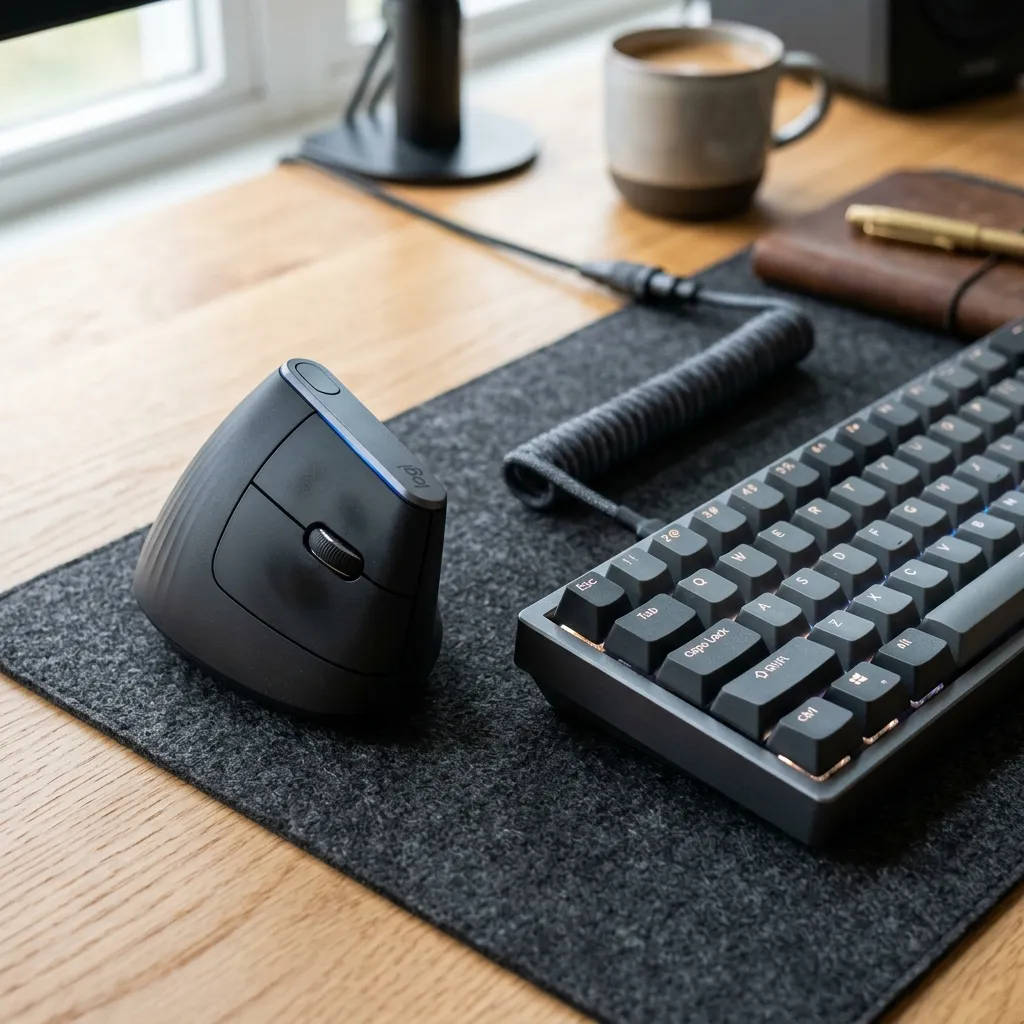

For more ergonomic insights, explore how to achieve the correct monitor height and a clean productivity desk setup.
Adjusting Your Workspace
Creating an ergonomic workspace is essential for preventing wrist pain and strain. Start by positioning your keyboard at elbow height to maintain a neutral wrist position while typing.
Ensure that your chair allows your feet to rest flat on the floor, and your knees are at or slightly below hip level. This will help maintain an overall ergonomic alignment, reducing the risk of discomfort.
Consider using a keyboard tray that can be adjusted to the desired height and tilt. This flexibility allows users to customize their setup for optimal comfort.
Regularly reassess your workspace layout, as changes in your body or typing habits may necessitate adjustments to maintain ergonomic integrity.
Posture Awareness
Maintaining proper posture is crucial when using a keyboard. Sit back in your chair with your back straight and shoulders relaxed to avoid unnecessary strain.
Your wrists should be in a neutral position, not bent upwards or downwards while typing. Engaging your core muscles can also help support your spine and reduce the tendency to slouch.
Being mindful of your posture throughout the day can make a significant difference in comfort levels. Small reminders or ergonomic cues can assist in maintaining awareness.
Incorporating stretching and movement breaks can enhance posture and reduce stiffness, further preventing wrist pain and strain during prolonged typing sessions.
Keyboard Layouts and Types
Different keyboard layouts can influence wrist positioning significantly. Standard QWERTY keyboards may not be the best fit for everyone, especially those with specific ergonomic needs.
Consider alternative layouts such as the Dvorak Simplified Keyboard, which can reduce finger movement and potentially lessen strain. Research indicates that alternative layouts may provide relief for some users.
Split keyboards are another option; these allow for a more natural hand position, which can significantly reduce wrist strain. They come in various designs, some featuring tenting to promote a more neutral wrist angle.
Ultimately, choosing the right keyboard layout and type is a personal decision that should factor in comfort, typing style, and any pre-existing conditions affecting wrist health.
Role of Keyboard Accessories
Keyboard accessories can play a pivotal role in enhancing typing comfort. Wrist rests, for instance, can provide additional support and help maintain a neutral wrist angle.
Gel or foam wrist rests are popular choices as they conform to the wrist's shape, providing comfort during extended use. However, it’s essential to ensure that these accessories do not elevate the wrists too much.
Keycap height and profile can also affect wrist strain. Low-profile keys may require less force to press, reducing fatigue over time compared to high-profile keys.
Choosing the right combination of accessories allows users to tailor their keyboard experience, potentially reducing the risk of wrist discomfort while enhancing overall typing efficiency.
Impact of Typing Technique
The technique used while typing can significantly influence wrist health. Users should strive for a light touch on the keys, avoiding heavy keystrokes that can lead to strain.
Incorporating a proper finger movement technique—such as using all fingers rather than just a few—can distribute the typing workload more evenly. This method minimizes repetitive strain on any one part of the wrist or hand.
Additionally, keeping hands hovering slightly above the keyboard rather than resting on it can help maintain a neutral wrist position. This practice reduces the tendency to bend the wrists unnaturally.
Regular practice of proper typing techniques not only enhances speed and accuracy but also plays a crucial role in preventing discomfort and injury over time.
Long-Term Strategies for Prevention
Preventing wrist pain and strain requires a proactive approach. Establishing a routine that incorporates regular breaks can mitigate the physical stresses associated with prolonged typing.
Engaging in stretching exercises specifically focused on the wrists, hands, and forearms can relieve tension and promote flexibility. Simple stretches can be performed throughout the day, even during brief breaks.
Maintaining overall physical fitness contributes to better posture and reduced strain on the wrists. Activities such as yoga or pilates can enhance core strength and flexibility, benefiting overall ergonomic health.
Finally, staying hydrated and practicing good nutrition supports muscle function and recovery, promoting long-term health and reducing the likelihood of strain-related injuries.
Seeking Professional Guidance
For individuals experiencing persistent wrist pain, consulting a healthcare professional is advisable. Occupational therapists can provide tailored advice and ergonomic assessments to optimize workspace setups.
Physical therapists can also offer targeted exercises and treatment plans to address specific issues related to wrist discomfort. This can be particularly beneficial for those with underlying conditions.
Ergonomic specialists can conduct assessments to identify risk factors in your workspace, recommending adjustments or equipment that may alleviate discomfort.
Seeking professional guidance ensures a comprehensive approach to wrist health, allowing individuals to maintain productivity while prioritizing their well-being.
Influence of Keyboard Height on Wrist Position
The height of the keyboard plays a crucial role in determining the angle of the wrists during typing. When the keyboard is positioned too high, it can cause the wrists to bend upwards, leading to discomfort and potential injuries.
To achieve optimal wrist positioning, the keyboard should be placed at or slightly below elbow height. This allows for a more neutral wrist posture, reducing strain during prolonged use.
Using a keyboard tray that can be adjusted for height can further enhance ergonomic benefits. It allows users to customize their workspace according to their body dimensions and preferences.
Regular assessments of keyboard height are necessary, especially for those who share workspaces or switch between different setups. Consistency in keyboard height helps maintain a comfortable and injury-free typing experience.
The Role of Wrist Rests in Ergonomics
Wrist rests are an essential accessory for many typists, providing additional support and comfort during extended typing sessions. These rests can help maintain a neutral wrist position, reducing the likelihood of strain and discomfort.
Choosing the right wrist rest involves considering the material, height, and firmness. Gel and foam options are popular, but individual preference plays a significant role in their effectiveness.
It is important to position the wrist rest correctly; it should support the wrists without causing them to bend upwards while typing. Users should regularly evaluate whether their wrist rest continues to meet their ergonomic needs.
Incorporating rest breaks and stretching exercises, alongside the use of wrist rests, further enhances comfort and reduces the risk of repetitive strain injuries.
Impact of Typing Speed on Ergonomic Health
Typing speed can have a notable effect on wrist strain and overall ergonomic health. Rapid typing may lead to increased muscle tension and poor posture, exacerbating the risk of discomfort or injury.
Encouraging a moderate typing speed allows for better control and reduces the chances of overexertion. Practicing touch typing techniques can help in achieving a balance between speed and accuracy.
Regular practice can lead to improved muscle memory, enabling typists to maintain a more relaxed hand position. This, in turn, helps in minimizing strain during long typing sessions.
Employing typing software that monitors speed and provides feedback can assist in fostering healthier typing habits, ultimately contributing to long-term ergonomic well-being.
The Significance of Breaks and Micro-Movements
Incorporating breaks and micro-movements into the typing routine is vital for maintaining wrist health. Frequent short breaks can help alleviate muscle tension and prevent fatigue during extended typing sessions.
Micro-movements involve small adjustments to wrist position and finger movements, preventing stiffness and promoting blood circulation. Simple exercises can be performed at the workstation without requiring significant time away from tasks.
Setting reminders to take breaks or engage in micro-movements can enhance overall productivity while ensuring ergonomic safety. This practice not only benefits wrist health but also contributes to mental clarity and focus.
Establishing a consistent schedule for breaks and movement can create a positive habit, significantly reducing the cumulative risk of strain and discomfort associated with prolonged typing.
Understanding the Impact of Ambient Conditions on Ergonomics
The ambient environment plays a crucial role in ergonomic health, particularly concerning keyboard use. Factors such as lighting, temperature, and noise levels can affect concentration and physical comfort during typing sessions.
Inadequate lighting can lead to eye strain, prompting users to adopt poor postures that may strain the wrists. Ensuring optimal lighting conditions can help maintain a neutral and relaxed typing posture.
Temperature also influences comfort; cooler environments may lead to stiffness in fingers and wrists, whereas excessively warm settings can cause fatigue. Adjusting the workspace temperature to a comfortable level is essential for ergonomic well-being.
Noise levels can distract users, causing them to tense their shoulders and wrists unconsciously. Creating a quieter workspace or using noise-canceling headphones can foster a more relaxed typing environment, which is beneficial for wrist health.
Optimal Keyboard Tilt Mechanisms
The tilt mechanism of a keyboard plays a crucial role in how the user interacts with the device, influencing wrist position and overall comfort. A keyboard with adjustable tilt settings allows users to customize the angle to suit their individual preferences and ergonomic needs.
This adjustability can help mitigate strain on the wrists, particularly during extended typing sessions. Fixed tilt keyboards may not accommodate all users, leading to improper wrist alignment.
A keyboard that offers a negative tilt, where the back of the keyboard is elevated, can promote a more neutral wrist position, reducing the likelihood of discomfort. Users should assess their typing habits and consider investing in keyboards that provide variable tilt options for enhanced ergonomics.
Moreover, certain ergonomic keyboards are designed with a built-in tilt mechanism that promotes a more natural hand position. Understanding these mechanisms can aid users in selecting the right keyboard that minimizes the risk of repetitive strain injuries.
Importance of Regular Keyboard Maintenance
Regular maintenance of a keyboard is essential for ensuring optimal performance and ergonomic safety. Dust, debris, and residue can accumulate over time, affecting the keyboard’s functionality and potentially leading to a less comfortable typing experience.
Routine cleaning involves not only wiping down the surface but also removing keycaps and cleaning underneath them. This practice can prevent the buildup of dirt that may lead to sticky keys or uneven typing surfaces, which can contribute to poor wrist positioning.
Additionally, checking for wear and tear on keyboard components is vital. Keys that stick or do not respond properly can force users to adopt awkward hand positions, leading to discomfort and strain.
Ultimately, taking the time to maintain a keyboard not only improves its lifespan but also supports the user's overall ergonomic health. By incorporating regular upkeep into their routine, users can enhance their typing experience and reduce the risk of developing wrist pain and strain.
Best Practices for Keyboard Positioning
Achieving an optimal keyboard position is critical for preventing wrist pain and strain. The keyboard should be positioned so that the forearms are parallel to the floor or slightly declined, allowing for a natural hand position.
To fine-tune the positioning, users can utilize a height-adjustable desk or keyboard tray. The height should be set so that the elbows maintain a 90-degree angle, which minimizes stress on the wrists during typing.
Another important factor is the distance of the keyboard from the user. The keyboard should be close enough to prevent reaching, which can lead to awkward wrist angles. Ideally, the keyboard should be placed within a comfortable reach while sitting upright in a chair with good lumbar support.
Incorporating a slight negative tilt can also be effective. This tilt helps maintain a neutral wrist position, reducing the risk of repetitive strain injuries associated with prolonged typing sessions.
Advanced Techniques for Ergonomic Typing
Utilizing advanced typing techniques can significantly enhance ergonomic safety. Touch typing, where all fingers are used without looking at the keyboard, reduces the tendency to adopt awkward wrist positions.
Implementing the "floating" technique, where hands hover above the keyboard, can also minimize strain. This method encourages a more relaxed posture and prevents the wrists from resting on hard surfaces.
Furthermore, adjusting the angle of the wrists while typing is essential. Keeping the wrists straight and avoiding excessive flexion or extension helps to distribute typing forces evenly across the forearms.
Regularly integrating stretching exercises into the typing routine can help maintain flexibility and strength in the wrist and hand muscles. Simple wrist stretches, such as extending the fingers and rotating the wrists, can be performed during breaks to alleviate tension.
Frequently Asked Questions
What is the ideal keyboard tilt angle?
The ideal keyboard tilt angle is generally between 0 and 15 degrees for optimal wrist positioning.
How can I prevent wrist pain while typing?
Ensuring a neutral wrist angle, taking breaks, and using ergonomic accessories can help prevent wrist pain.
Are ergonomic keyboards worth it?
Ergonomic keyboards can reduce discomfort and improve typing efficiency, making them a worthwhile investment.
What materials are best for keyboards?
Keyboards made with PBT plastic or metal bases are recommended for durability and comfort.
How often should I take breaks while typing?
Taking a break every 30-60 minutes is recommended to alleviate strain and improve circulation.




