If your JBL Tune 510BT headphones won't turn on, it may require a hard reset or troubleshooting steps to identify the issue.
Understanding Why Your JBL Tune 510BT May Not Turn On
In today's fast-paced world, Bluetooth headphones have become an essential accessory for many users. The JBL Tune 510BT model is particularly popular for its sound quality, comfort, and convenience. However, like any electronic device, issues can arise that prevent them from turning on. There are several potential reasons why your JBL Tune 510BT might not be powering up. These can range from minor software glitches to more significant hardware malfunctions. Understanding these common factors is important in diagnosing the problem and applying the appropriate solution.
One of the most frequent issues is battery failure. If your JBL Tune 510BT headphones are not charging, they won't turn on, regardless of how many times you press the power button. This could be due to a defective charging cable, a malfunctioning charging port, or a completely drained battery. Users often overlook the simple fact that a dead battery can lead to frustration when the headphones refuse to power on. It’s advisable to first check if the headphones are charging properly. Indicators such as LED lights or notifications on the connected device can confirm this.
Another common factor that might cause your headphones to remain unresponsive is software-related issues. This could involve outdated firmware, corrupted settings, or even a need for a hard reset. Sometimes, Bluetooth headphones can experience software glitches that prevent them from functioning correctly. A hard reset can help resolve these types of issues and restore normal operation. It's essential to be aware of these underlying problems and their potential solutions to ensure that your JBL Tune 510BT headphones provide a seamless audio experience.
Troubleshooting Your JBL Tune 510BT: Step-by-Step Guide
Publicidade
If your JBL Tune 510BT headphones won't turn on, follow this detailed troubleshooting guide to identify the problem and apply the necessary solutions. Start by ensuring that your headphones are charged. Connect them to a power source using the original charging cable. Check for any visible signs of damage on the cable and the charging port of the headphones. If you notice any irregularities, consider trying a different cable or power adapter to rule out issues related to charging. Once connected, leave them to charge for at least 15-30 minutes before attempting to power them on again.
Next, if the headphones still do not respond, it’s time to perform a hard reset. To do this, locate the power button on your JBL Tune 510BT. Press and hold the power button for about 10 seconds. You should see an LED light flash, indicating that the headphones are attempting to reset. Release the button and wait for a few moments before trying to turn them on again. This method often clears any temporary glitches that may be causing the headphones not to power up. If this step is successful, you’ll hear the welcoming audio cue, and your headphones should be operational once more.
In cases where the headphones still refuse to turn on, it may be worth checking the device settings on your phone, tablet, or computer. Ensure that Bluetooth is enabled and that the headphones are not accidentally connected to another device. Sometimes, interference or connection issues can lead to confusion, making it seem like the headphones are not functioning. If necessary, unpair the headphones from your device and attempt to reconnect them. In some situations, a simple reconnection can resolve the problem.
Publicidade
Comparative Analysis of Troubleshooting Steps
When faced with the challenge of your JBL Tune 510BT not turning on, it is beneficial to have a structured comparison of the various troubleshooting steps and options available. The table below outlines these steps, the expected outcomes, and the potential issues they address. Understanding this information can help users make informed decisions when troubleshooting.
Step
Description
Expected Outcome
Potential Issues Addressed
Check Charging
Connect headphones to a power source using the original cable.
LED indicator lights up, headphones start charging.
Dead battery, faulty charging cable or port.
Perform Hard Reset
Press and hold the power button for 10 seconds.
Headphones reset, may power on.
Software glitches, unresponsive controls.
Device Settings Check
Ensure Bluetooth is enabled on the paired device.
Headphones connect or show up in Bluetooth settings.
Connection interference, accidental pairing with another device.
Try Alternative Charging Methods
Use a different charging cable or adapter.
Headphones may start charging if the original method is defective.
Faulty power source, damaged charging accessories.
Contact Customer Support
Reach out to JBL for assistance or warranty claims.
For further assistance and insights into optimizing your JBL Tune 510BT experience, consider exploring additional resources that cover various topics related to audio devices and troubleshooting techniques. Our blog offers a wealth of information that can help you navigate through common issues and enhance your understanding of technology. You might find articles such as Canva Magic Expand and Viggle AI Discord particularly helpful in expanding your knowledge on different tech tools and solutions. Whether you're looking for troubleshooting tips or creative ways to enhance your device usage, our blog has you covered with comprehensive guides and expert advice.
Advanced Prompting Techniques and Technical Parameters for Optimal Performance
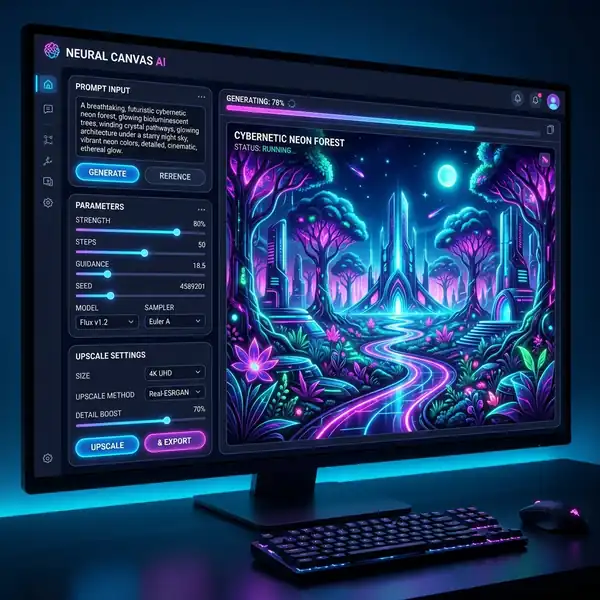
In the realm of advanced prompting techniques, understanding the nuances of various technical parameters is important for achieving optimal outcomes. These parameters include sampling weights, aspect ratios, and seed values, each playing a significant role in the generation process. Sampling weights, for example, dictate how much influence a particular element has over the output. By adjusting these weights, users can fine-tune the model's focus on specific attributes, ensuring that the desired characteristics are amplified in the resulting content. This is particularly useful in scenarios where certain themes or styles need to be emphasized over others.
Aspect ratios also hold importance, especially in visual content generation. An aspect ratio defines the proportional relationship between the width and height of an output, which is vital when integrating generated elements into various platforms. For instance, a 16:9 aspect ratio is ideal for video content, while 1:1 may be more suitable for social media posts. By specifying these ratios in prompts, users can save time in post-production adjustments, leading to a more streamlined workflow. Mastering the use of aspect ratios can significantly enhance the visual appeal and effectiveness of the content being produced.
Seed values serve as a foundational element in the generation process, providing a starting point for randomness in output. By utilizing specific seed values, users can achieve reproducibility in their results. This is particularly beneficial for projects that require consistency, such as branding or marketing campaigns. The ability to replicate outputs by using the same seed value allows for a more controlled creative process, where variations can still be explored without straying too far from the original intent. Understanding how to manipulate seed values can empower users to create a series of cohesive outputs that are both unique and aligned with their vision.
Developing specific prompt formulas can also enhance the efficiency of the content generation process. For instance, a well-structured prompt might start with a clear directive, followed by specific parameters such as tone, style, and length. This could look something like: "Generate a 300-word blog post on the benefits of active listening, using a professional tone and including three key points." Such specificity not only guides the model in producing relevant content but also minimizes the need for extensive revisions, saving valuable time and resources in the creative cycle.
Lastly, it's essential to continuously test and refine your prompts based on the output quality. The iterative process of tweaking prompts and analyzing results can lead to a deeper understanding of how different parameters interact. This practice not only enhances the quality of the generated content but also aids in developing personal best practices that can be applied across various projects. By honing these advanced prompting techniques and understanding their technical underpinnings, users can significantly elevate their creative output.
Seamless Integration of Generated Outputs into Professional Workflows
Publicidade
Integrating generated outputs into professional workflows is vital for maximizing the utility of creative tools. In design fields, for instance, the ability to take AI-generated content and seamlessly incorporate it into software like Photoshop or Canva can enhance the overall design process. A designer might start by generating a series of visual elements using an AI tool, which can then be exported directly into Photoshop for further refinement. This integration allows for a fluid transition from concept to execution, enabling designers to maintain creative momentum while also enhancing the quality of their outputs.
In the realm of marketing, utilizing AI-generated content can significantly streamline campaign development. By generating ad copy or social media posts, marketers can quickly create a variety of content options. These outputs can be further customized using tools like Figma, where teams can collaborate in real-time to adapt the content to fit specific branding guidelines. This type of collaborative workflow not only speeds up the content creation process but also fosters a more dynamic approach to marketing strategies, allowing teams to pivot and adapt to new insights or trends quickly.
E-commerce platforms can also benefit from integrating AI-generated outputs into their product listings. By creating compelling product descriptions and images, businesses can enhance their online presence and improve customer engagement. The generated content can be easily uploaded to platforms such as Shopify or WooCommerce, where it can be optimized for search engines. This not only increases visibility but also enhances the user experience by providing rich, informative content that can lead to higher conversion rates.
Automation tools have further revolutionized the integration of AI-generated outputs into workflows. By setting up automated systems that pull in content from AI tools and distribute it across various channels, businesses can maintain a consistent flow of information without extensive manual input. For example, a business could automate the posting of AI-generated blog posts to its website and social media channels, ensuring that fresh content is consistently available to its audience. This kind of automation frees up valuable time for creative teams to focus on strategy and innovation rather than repetitive tasks.
In summary, the seamless integration of generated outputs into professional workflows not only enhances productivity but also fosters collaboration across teams. By leveraging tools that facilitate this integration, professionals can elevate their work, ensuring that they remain competitive in their respective fields. As the landscape of content creation evolves, embracing these technologies will be important for staying ahead and maximizing the potential of creative outputs.
Understanding Technical Limitations and Ethical Considerations in AI Content Generation
Publicidade
In the pursuit of harnessing AI for content generation, it is important to comprehend the inherent technical limitations that may arise. One common issue is the model's inability to understand context fully. While AI tools can generate coherent and relevant outputs, they often lack the deep comprehension of nuanced topics that a human expert would possess. This limitation can lead to the production of content that, while grammatically correct, fails to capture the subtleties necessary for effective communication in specialized fields. Users must remain vigilant and ready to edit or enhance AI-generated content to ensure it meets the required standards of expertise.
Another technical limitation often encountered is the restriction on creativity imposed by the training data. AI models are only as good as the data they are trained on, which can lead to outputs that reflect biases or limitations inherent in that data. For instance, if the training data lacks diversity, the generated content may inadvertently perpetuate stereotypes or exclude critical perspectives. Therefore, it is essential for users to critically evaluate the outputs and consider supplementing them with additional research or insights to create a more balanced narrative.
Common beginner mistakes often stem from unrealistic expectations regarding AI capabilities. New users may assume that AI can autonomously generate high-quality content without intervention. However, the reality is that successful content generation often requires human oversight and refinement. Beginners might also overlook the importance of specificity in their prompts, leading to vague or generic outputs. It's advisable for newcomers to invest time in learning how to craft effective prompts and understanding the capabilities and limitations of the tool they are using, which can significantly enhance the quality of their results.
Additionally, users must navigate the complexities of commercial usage rights and ethical guidelines when utilizing AI-generated content. Many AI tools have specific licensing agreements that dictate how outputs can be used, particularly in commercial contexts. It is incumbent upon users to familiarize themselves with these terms to avoid potential legal issues. Ethical considerations also play a significant role; for instance, transparency about the use of AI in content creation is becoming increasingly important in maintaining trust with audiences. Businesses should consider implementing clear guidelines on how AI is used and communicated to their stakeholders.
In conclusion, while AI content generation offers remarkable opportunities for efficiency and creativity, it is vital to approach it with a thorough understanding of its technical limitations and ethical implications. By remaining aware of these factors and incorporating a thoughtful human touch, users can enhance the quality and integrity of AI-generated content, ensuring that it aligns with their professional standards and ethical considerations. This balanced approach will ultimately lead to more effective and responsible use of AI in various fields.