How to Isolate Wireless Clients from Wired LAN Devices on UniFi Controller
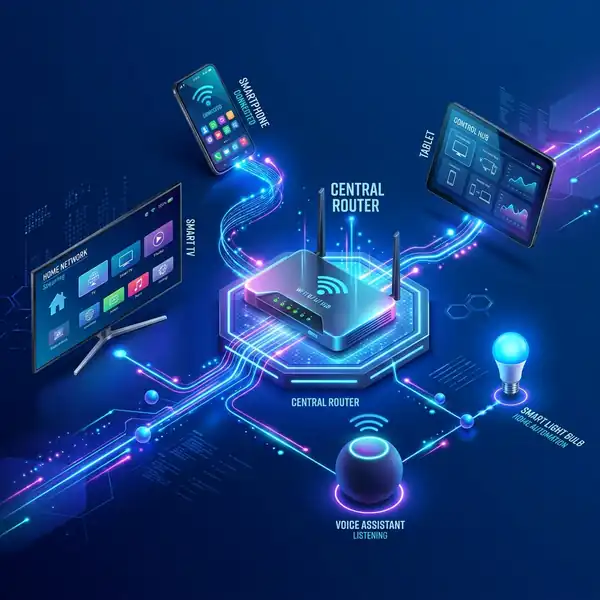
How to Isolate Wireless Clients from Wired LAN Devices on UniFi Controller
Wireless clients can be effectively isolated from wired LAN devices using VLAN configuration.
Understanding VLANs in UniFi
Virtual Local Area Networks (VLANs) allow the segmentation of network traffic into distinct subnets.
UniFi supports VLAN tagging, enabling the separation of wireless clients from wired devices.
Configuring Wireless Networks
Access the UniFi Controller and navigate to the 'Wireless Networks' section.
Create a new wireless network, assigning it a unique VLAN ID that corresponds to the desired isolation.
Setting Up VLANs on UniFi
VLANs can be created under the 'Settings' menu in the UniFi Controller.
Ensure the VLAN ID matches the one specified for the wireless network to maintain communication integrity.
Implementing Firewall Rules
Firewall rules must be established to block traffic between VLANs.
In the 'Routing & Firewall' section, create rules that prevent inter-VLAN communication for the wireless VLAN.
Testing the Configuration
Verification of the network isolation can be conducted by attempting to access wired LAN resources from wireless clients.
Use a network scanning tool to confirm that clients on the wireless VLAN cannot communicate with devices on the wired VLAN.
| Feature | Wireless Clients | Wired LAN Devices |
|---|---|---|
| VLAN Support | Yes | Yes |
| Inter-VLAN Routing | No | Yes |
| Network Isolation | Enabled | Enabled |
DomineTec Tip: Regularly review and update firewall rules to adapt to any network changes.
- Log into the UniFi Controller.
- Navigate to 'Settings' and select 'Networks'.
- Create a new VLAN by specifying a unique VLAN ID.
- Go to 'Wireless Networks' and create a new network with the chosen VLAN ID.
- Access 'Routing & Firewall' to set rules that restrict traffic between VLANs.
- Test the network configuration for isolation by using a network scanning tool.

For further enhancements, consider reading about how to power WiFi router with a battery or implement VLAN on PfSense.
For testing your network, learn how to test if your Ethernet cable is CCA.
Utilizing Guest Networks for Isolation
Guest networks serve as a primary method for isolating wireless clients from wired LAN devices in a UniFi environment. By creating a distinct guest network, administrators can ensure that wireless clients have limited access to internal resources.
When configuring a guest network, it is crucial to enable client isolation. This feature prevents wireless clients from communicating with each other and any connected wired devices, enhancing security for both guest users and the internal infrastructure.
Implementing a guest network also allows for easier management of bandwidth allocation and access restrictions, preserving performance for critical applications used by wired clients.
Configuring Access Control Policies
Access control policies play a vital role in managing how devices interact within a network. In a UniFi setup, these policies can be customized to define the level of access for both wired and wireless clients.
Creating specific rules that dictate which devices can communicate with each other is essential for isolation. For instance, policies can be established to block traffic from the guest wireless network to the primary wired LAN, thus securing sensitive data.
Regularly reviewing and updating access control policies is necessary to adapt to changing security requirements. This proactive management helps maintain a secure environment, mitigating risks associated with unauthorized access or data breaches.
Leveraging Network Segmentation Techniques
Network segmentation is a strategy that involves dividing a network into smaller, manageable sections. In the context of a UniFi environment, segmentation can effectively isolate wireless clients from wired LAN devices.
By implementing segmentation, different network segments can have distinct security policies tailored to their specific needs. This approach reduces the attack surface by limiting the exposure of sensitive data and resources.
Monitoring network segments for unusual activity is also essential. Tools integrated within the UniFi Controller can help in analyzing traffic patterns and detecting potential security threats, enabling timely responses to incidents.
Integrating Wireless Intrusion Detection Systems
Wireless Intrusion Detection Systems (WIDS) can be an effective solution for monitoring and securing wireless networks. By integrating a WIDS with the UniFi setup, potential threats from rogue devices can be identified and mitigated promptly.
A WIDS can monitor the wireless environment for unauthorized access points and suspicious activities that could compromise the network's integrity. Alerts can be configured to notify administrators of any detected threats, ensuring swift action can be taken.
Regularly updating the WIDS and its threat database is crucial for maintaining effectiveness. Staying ahead of emerging threats ensures that the network remains secure from evolving attack vectors.
Utilizing RADIUS for Enhanced Security
Implementing RADIUS (Remote Authentication Dial-In User Service) adds an additional layer of security to the UniFi network. This protocol centralizes authentication, allowing for better control over who can access the network.
By configuring RADIUS on the UniFi Controller, administrators can enforce strong authentication methods for wireless clients, minimizing the risk of unauthorized access.
RADIUS can also facilitate the management of user credentials, allowing for easier updates and revocations. This is especially useful in enterprise environments where personnel changes frequently occur.
Monitoring Client Activity and Performance
Monitoring client activity is essential for maintaining a secure and efficient network environment. UniFi offers various tools to track the performance and behavior of both wired and wireless clients.
Utilizing the dashboard features within the UniFi Controller, administrators can observe real-time data on client connections, bandwidth usage, and device types. This information aids in identifying potential issues or unusual activity that may require further investigation.
Setting up alerts for specific thresholds can enhance proactive monitoring. For example, notifications for unusual spikes in traffic or new device connections can prompt immediate reviews of network security and performance.
Regularly Updating Firmware and Software
Keeping firmware and software up to date is crucial for maintaining network security and performance. UniFi devices regularly receive updates that address security vulnerabilities and introduce new features.
Establishing a routine for checking and applying updates is essential. Automated update settings can also be configured to facilitate this process, ensuring that devices remain secure with minimal administrative effort.
Enhancing Security with 802.1X Authentication
Implementing 802.1X authentication in a UniFi network significantly enhances security by ensuring that only authorized devices can access the network. This method employs an external authentication server, typically a RADIUS server, to verify user credentials before granting network access.
Configuring 802.1X on UniFi involves setting up the RADIUS server and modifying the wireless network settings to require authentication for both wired and wireless clients.
Utilizing Network Policies for Device Management
Network policies are a powerful tool for managing devices in a UniFi environment, particularly when isolating wireless clients from wired LAN devices. By defining specific policies, administrators can enforce rules on a per-device basis, controlling access and resource allocation more effectively.
Regular review and updates of network policies ensure that they remain effective against emerging threats and evolving network requirements.
Deploying a VPN for Secure Remote Access
Deploying a Virtual Private Network (VPN) is an effective method for providing secure remote access to the UniFi network. A VPN creates a secure tunnel for data transmission, ensuring that sensitive information remains protected from potential eavesdropping and interception.
Regular monitoring of VPN connections and performance is crucial to maintain security and ensure that remote users experience optimal connectivity.
Implementing Advanced Network Isolation Techniques
Advanced network isolation techniques are essential for enhancing security within a UniFi environment. These methods go beyond basic VLAN configurations and require a deeper understanding of network protocols and traffic management.
One effective technique is the implementation of Private VLANs (PVLANs). This feature allows for a more granular level of isolation by dividing a VLAN into sub-VLANs, preventing devices within the same VLAN from communicating with each other while still allowing access to a shared gateway.
Additionally, implementing a Layer 3 switch can facilitate inter-VLAN routing while enforcing isolation policies, allowing for more efficient traffic management.
Monitoring and Auditing Network Isolation
Monitoring and auditing play a crucial role in maintaining the integrity of network isolation strategies. Regular assessments help identify potential vulnerabilities and ensure that isolation policies are effectively enforced.
Periodic audits of firewall rules and VLAN configurations should also be conducted to ensure that all settings align with the organization's security policies.
Understanding the Role of Access Points in Isolation
Access points (APs) play a critical role in managing wireless clients and ensuring their isolation from wired LAN devices. Each AP can be configured with specific settings that dictate how wireless clients interact with the network.
By utilizing different SSIDs tied to specific VLANs, network administrators can enforce isolation policies at the AP level. This ensures that traffic from wireless clients remains separate from wired devices, minimizing the risk of unauthorized access.
Real-time monitoring of AP performance can also contribute to maintaining isolation. By tracking client connections and traffic patterns, administrators can identify any potential breaches in isolation.
Utilizing the UniFi Controller's insights can aid in optimizing AP configurations to bolster wireless client isolation.
Implementing Quality of Service (QoS) for Isolated Networks
Quality of Service (QoS) is essential in managing network performance, especially in isolated environments. QoS policies prioritize traffic, ensuring that critical applications maintain optimal performance even in congested networks.
Implementing QoS in a UniFi network involves identifying key applications and services that require prioritization. For instance, voice over IP (VoIP) and video conferencing services often need higher priority to function without interruptions.
Monitoring QoS performance is also critical to maintaining an efficient network. Using the UniFi Controller's insights, administrators can track traffic flows and identify areas for improvement.
Ultimately, implementing QoS in isolated networks not only improves the user experience but also reinforces security measures. By ensuring that critical traffic is prioritized, the risk of congestion is reduced, thereby minimizing exposure to potential threats.
Advanced Troubleshooting for Wireless Client Isolation
Troubleshooting wireless client isolation from wired LAN devices within a UniFi setup requires a methodical approach to ensure that configurations are correctly implemented and that no unintended access is allowed.
The initial step involves verifying VLAN configurations by accessing the UniFi Controller, navigating to the "Settings" section, and then selecting "Networks." It is essential to ensure that each SSID assigned to wireless clients is correctly mapped to its designated VLAN.
In addition, checking the port profiles of the UniFi switches is vital, as they determine how traffic is handled. The command to inspect the port configuration can be executed through the UniFi CLI by using “show interfaces switch” to identify VLAN tagging and any access or trunk configurations that may impact isolation.
Another critical aspect of troubleshooting is ensuring that firewall rules are appropriately configured to prevent traffic from the wireless VLAN to the wired VLAN. The UniFi Controller interface provides a firewall configuration section where rules can be added or modified, and using rules such as “deny all traffic from VLAN X to VLAN Y” will prevent unwanted access.
Testing connectivity can be conducted using tools like "ping" and "traceroute" from a device connected to the wireless network. The command “ping 192.168.X.X” (substituting the appropriate IP address) will help in verifying if the device can reach any wired LAN device, further validating the effectiveness of the isolation.
If issues persist, reviewing the logs within the UniFi Controller can provide insights into connectivity problems. The logs can be accessed under the "Insights" section, where any unusual activity or blocked traffic can be identified and addressed accordingly.
Best Practices for Securing Isolated Wireless Networks
Implementing best practices for securing isolated wireless networks is crucial to maintaining a robust security posture. One recommended practice is the use of strong encryption protocols such as WPA3, which provides enhanced security features over its predecessors.
In addition to encryption, regularly updating SSID configurations and security keys can help mitigate the risk of unauthorized access. A routine schedule for modifying passwords and ensuring that the latest security standards are applied can significantly reduce vulnerabilities.
Incorporating MAC address filtering can add an additional layer of security. This technique involves specifying which devices are allowed to connect to the network based on their unique MAC addresses, further controlling access to the isolated environment.
Utilizing network monitoring tools to analyze traffic patterns and identify anomalies is also a crucial step in maintaining security. Tools integrated within the UniFi Controller, such as traffic statistics and client history, can assist in detecting unusual behavior or potential breaches, allowing for timely intervention.
Lastly, ensuring that all devices connected to the wireless network adhere to a strict device management policy can help maintain security. Implementing policies that require regular software updates and vulnerability assessments for all wireless clients will contribute to the overall integrity of the network.
Implementing Layer 3 Isolation with Router Configuration
Layer 3 isolation is a crucial method for segmenting traffic between different networks while utilizing routing capabilities. By configuring routing protocols on the UniFi Security Gateway (USG), it is possible to isolate wireless clients from wired LAN devices effectively.
To achieve this, it is essential to create separate subnets for the wireless and wired clients. For instance, the wireless network can be assigned to the 192.168.10.0/24 subnet, while the wired LAN can use 192.168.1.0/24. This ensures that traffic is segregated at the network layer, preventing direct communication between devices on different subnets.
After defining the subnets, the next step involves configuring the USG to route between them. This can be done by accessing the UniFi Controller and navigating to the “Routing & Firewall” section. Within the firewall configuration, create rules that block traffic from the wireless subnet to the wired subnet while allowing traffic from the wired subnet to the wireless subnet for necessary services, such as DHCP.
Testing the configuration can be performed using ping commands from various devices. For example, a wireless client in the 192.168.10.0/24 subnet should not be able to ping devices in the 192.168.1.0/24 subnet. This confirms that Layer 3 isolation is functioning as intended, enhancing the overall security posture of the network.
Advanced Packet Monitoring Techniques for Isolated Networks
Packet monitoring is an integral part of maintaining the security of isolated wireless networks. By utilizing tools such as Wireshark or the built-in packet capture features in the UniFi Controller, network administrators can gain insights into traffic patterns and potential vulnerabilities.
To leverage packet capture in UniFi, access the UniFi Controller and navigate to the “Insights” section. From there, initiate a packet capture on the specific access point handling the wireless clients. This action allows for real-time analysis of packets, which can help identify unwanted traffic or unauthorized access attempts.
After capturing the packets, it is essential to analyze them thoroughly for any anomalies. For instance, look for unusual communication patterns that might indicate rogue devices attempting to communicate with isolated clients. Filtering by IP address or protocol can help narrow down the search for suspicious activities.
Regularly conducting packet analysis is recommended to maintain a secure environment. It is advisable to document findings, as this data can be invaluable for troubleshooting issues and improving network configurations over time, ensuring that the isolation measures remain effective against evolving threats.
Frequently Asked Questions
What is a VLAN?
A VLAN is a logical subgroup within a local area network that combines devices from multiple physical networks.
How does VLAN tagging work?
VLAN tagging adds a header to Ethernet frames, allowing switches to identify which VLAN a packet belongs to.
Can wireless clients communicate with each other?
Yes, wireless clients can communicate with each other unless restricted by firewall rules within the VLAN.
What equipment is required for VLANs?
Managed switches and routers that support VLAN configurations are essential for implementing VLANs.
How can network isolation improve security?
Network isolation limits exposure of sensitive resources, reducing the risk of unauthorized access from unsecured devices.




