The Importance and Ergonomic Adjustment of Office Chair Headrests
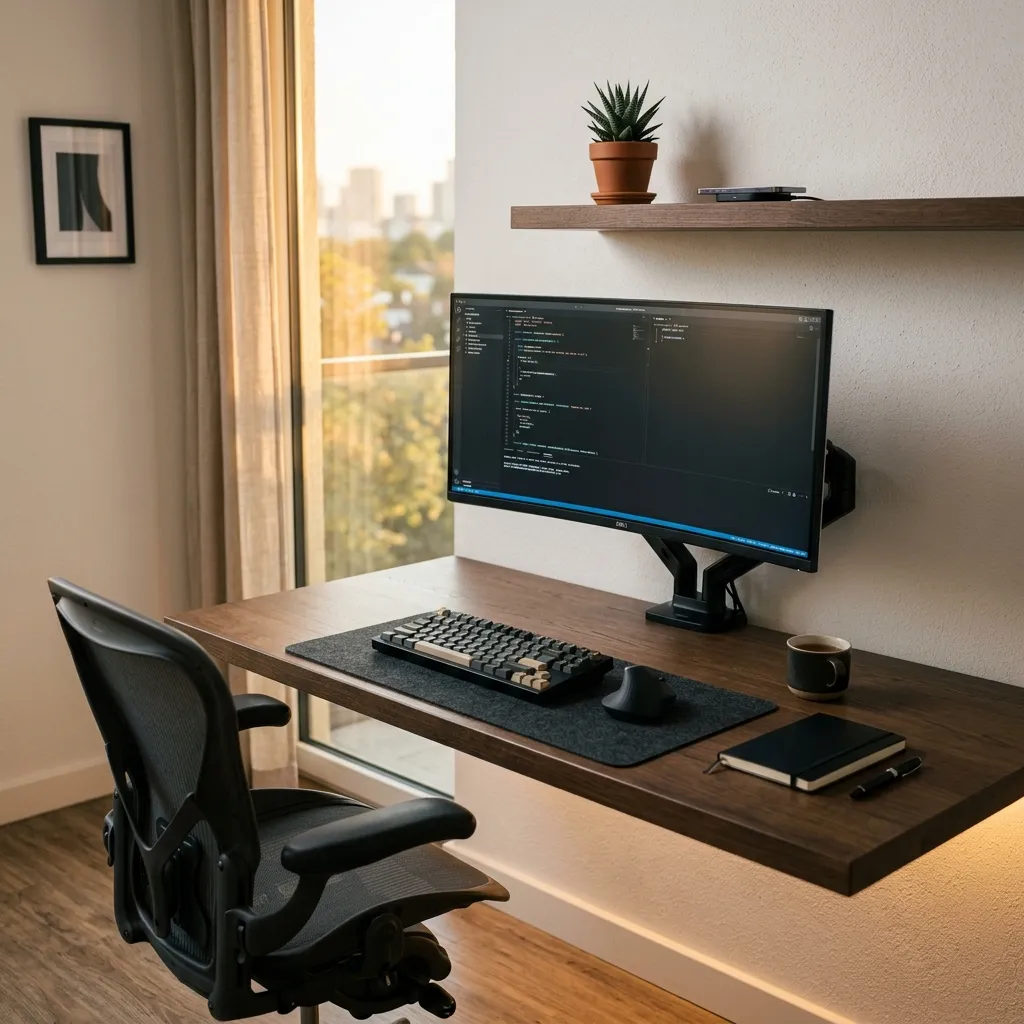
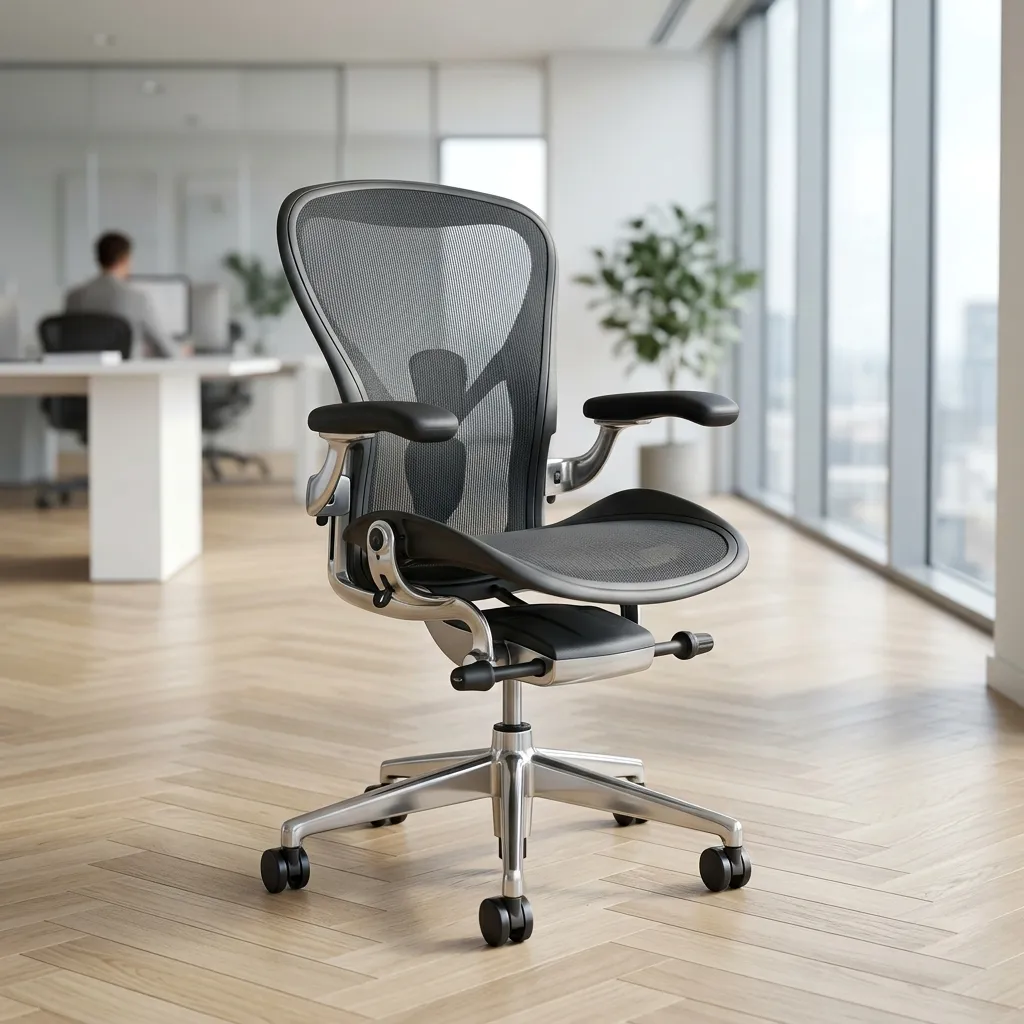
The headrest of an office chair is crucial for neck support and overall ergonomic health.
Understanding Ergonomics in Office Chairs
Ergonomics focuses on designing workspaces that optimize comfort and efficiency. A well-adjusted headrest can significantly reduce neck strain during prolonged sitting.
The Role of Headrests in Promoting Good Posture
Headrests support the natural curve of the cervical spine, preventing slouching. This alignment encourages proper posture, reducing the risk of musculoskeletal disorders.
Materials Used in Headrest Manufacturing
Common materials include memory foam, mesh, and polyurethane, each offering varying levels of support and comfort. Durable fabrics can enhance the longevity of the headrest while ensuring breathability.
Performance Metrics of Adjustable Headrests
Performance can be measured through adjustability, stability, and support. Quality headrests typically feature multiple height and angle adjustments to cater to individual user needs.
Comparative Analysis of Popular Brands
| Brand | Headrest Type | Material | Adjustability | Price Range (USD) |
|---|---|---|---|---|
| Herman Miller | Fixed | Mesh | Limited | 800-1,500 |
| Steelcase | Adjustable | Foam | Full | 700-1,200 |
| Secretlab | Adjustable | PU Leather | Partial | 350-500 |
| Humanscale | Height Adjustable | Mesh | Full | 1,000-1,800 |
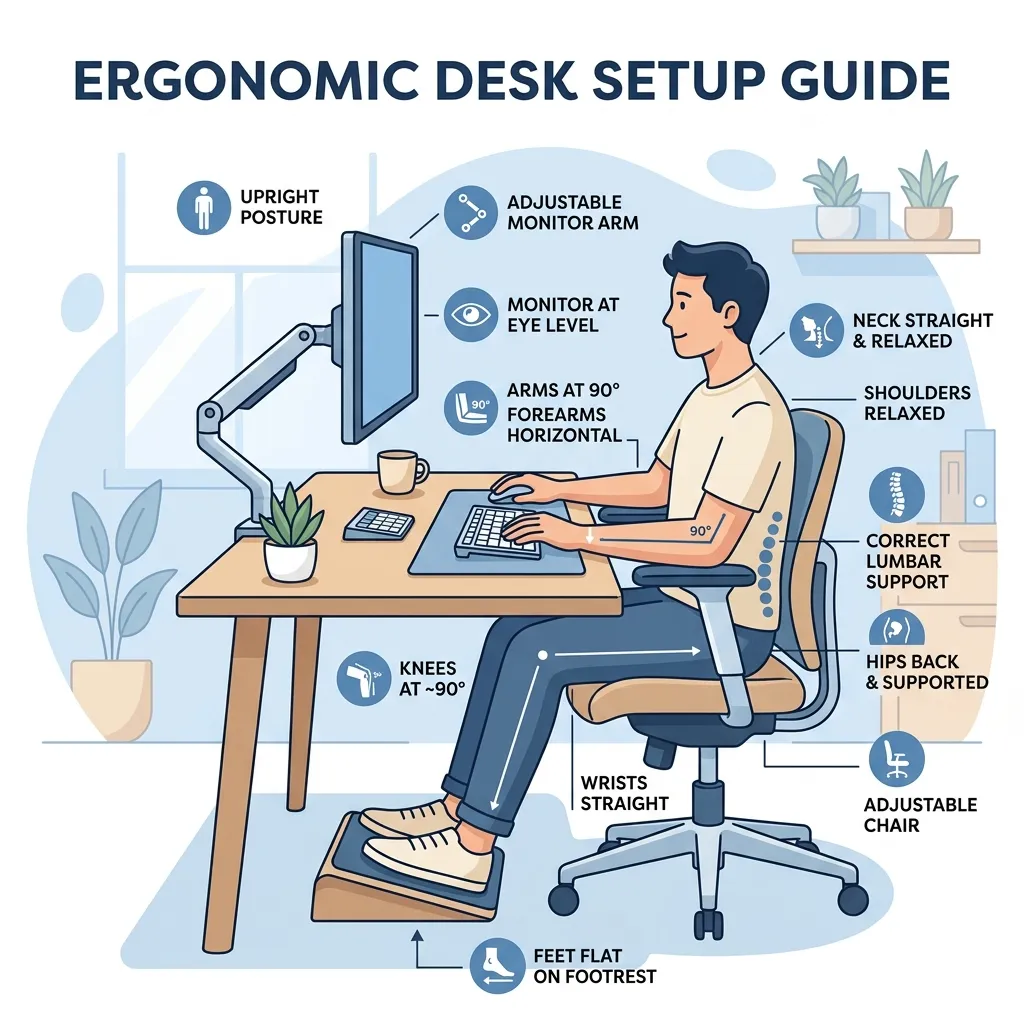
DomineTec Tip: Ensure the headrest is properly adjusted to maintain the head in a neutral position, with the eyes level to the top of the monitor.
- Assess the height of the headrest to ensure it aligns with the natural curve of the neck.
- Utilize the tilt feature to support the head while leaning back.
- Test various positions to determine the most comfortable alignment.
- Regularly adjust settings based on work tasks or fatigue levels.
- Consider the overall chair design to ensure compatibility of the headrest with other ergonomic features.
For more information on optimizing your workspace, consider how to clean productivity desk setup or choose mechanical keyboard switches.
Impact of Headrests on Neck Pain and Discomfort
Neck pain is a prevalent issue among office workers, often exacerbated by prolonged sitting without adequate support. Research indicates that headrests can significantly reduce the strain on neck muscles by providing a stable point for the head to rest against.
Proper headrest height and angle can help maintain the natural curve of the cervical spine, minimizing discomfort. When office chairs are equipped with adjustable headrests, users can customize their setup to suit their individual needs.
Studies have shown that employees using headrests report lower levels of neck strain compared to those who do not. This reduction in discomfort can lead to increased productivity and overall job satisfaction.
Incorporating ergonomic headrests into office furniture design is essential for creating a healthy work environment. Employers should consider investing in adjustable headrests as part of a comprehensive approach to workplace ergonomics.
Psychological Benefits of Using Headrests
The psychological aspects of comfort and support in the workplace are often overlooked. Headrests not only provide physical support but also contribute to a sense of well-being and relaxation during long working hours.
A well-designed headrest can create a cocoon-like effect, helping employees feel more secure and focused. This can lead to reduced stress levels and an improved mood, which can enhance overall performance.
Moreover, a supportive headrest encourages users to maintain a more upright posture, which is associated with increased alertness and cognitive function. The connection between physical comfort and mental clarity cannot be underestimated.
Employers should recognize the value of investing in ergonomic office furniture, including headrests, as a strategy for improving mental health and workplace morale among employees.
Adjustability Features and User Experience
Adjustability is a critical feature of headrests that can significantly enhance user experience. Customizable headrest positions allow users to find the perfect fit for their body type and sitting style.
Features such as height adjustment, angle tilting, and depth modifications ensure that users can tailor their chair to their unique ergonomic needs. This personalization not only improves comfort but also promotes better posture and spinal alignment.
In addition to physical adjustments, many modern headrests come with additional features such as memory foam cushioning and breathable fabrics. These enhancements improve comfort by conforming to the user's head and neck while allowing for airflow.
The experience of using an adjustable headrest can directly impact user satisfaction, leading to a more positive attitude towards their workspace and higher levels of productivity.
Integrating Technology in Headrest Design
Advancements in technology are beginning to influence the design of office chair headrests. Smart headrests that monitor user posture and provide real-time feedback are becoming more prevalent in ergonomic design.
These innovative systems can alert users to poor posture or remind them to take breaks, promoting healthier sitting habits. This integration of technology allows for a more proactive approach to ergonomics in the workplace.
Additionally, some headrests now feature built-in speakers or vibration motors for relaxation, further enhancing the user experience. Such features cater to the increasing demand for multifunctional office furniture.
As technology continues to evolve, the future of headrest design is likely to include even more interactive elements, making it an exciting area for both manufacturers and users.
Headrests and Their Impact on Productivity
The relationship between comfort and productivity in the workplace is well-documented. Ergonomically designed headrests play a pivotal role in enhancing user comfort, which in turn can lead to improved productivity levels.
When users experience less discomfort and fatigue, they are more likely to remain focused and engaged in their tasks. A supportive headrest can facilitate longer periods of concentration without physical distractions.
Furthermore, reducing discomfort can also decrease the number of breaks taken for stretching or repositioning, allowing for more uninterrupted work time. This efficiency can have a direct impact on overall output and performance metrics.
Employers seeking to boost productivity should consider the role of ergonomic office furniture, including quality headrests, as part of their strategy to support employee well-being and performance.
Headrests in Home Office Setups
With the rise of remote work, home office setups have gained significant importance. Incorporating ergonomic headrests into home office furniture helps maintain a healthy work environment.
Many individuals working from home may not prioritize ergonomic considerations, leading to discomfort and decreased productivity. A well-designed headrest can help bridge this gap by providing essential support during long hours of work.
Home office users can benefit from adjustable headrests that cater to their specific needs, promoting better posture and reducing the risk of musculoskeletal issues. A comfortable working environment can greatly enhance the remote working experience.
Investing in ergonomic solutions at home is crucial for long-term health and productivity, making headrests a worthwhile addition to any home office setup.
Future Trends in Headrest Design
The future of headrest design is poised to reflect the growing emphasis on wellness and ergonomic support in the workplace. Innovations such as adaptive materials and customizable features are expected to dominate upcoming trends.
Increased awareness of the importance of mental health and well-being will drive the demand for headrests that not only support physical health but also enhance relaxation and stress relief. Features like integrated massage functions or cooling technologies may become commonplace.
Additionally, sustainability will play a crucial role in future headrest designs, with manufacturers seeking eco-friendly materials that do not compromise on quality or functionality. This shift aligns with the broader trend toward environmental consciousness in product manufacturing.
As the workplace continues to evolve, headrest design will likely keep pace, adapting to new needs and preferences while prioritizing user comfort and health.
Headrest Height and Angle Adjustments
Adjusting the height and angle of headrests is critical to achieving personalized comfort and support. A properly positioned headrest should align with the natural curve of the user's neck and head, reducing strain during prolonged sitting.
Height adjustments typically allow users to raise or lower the headrest to match their specific torso length. This ensures that the headrest supports the occipital region of the skull, which is essential for preventing neck fatigue.
Angle adjustments provide additional benefits by allowing users to tilt the headrest backward or forward. This feature accommodates individual preferences and can enhance comfort during different tasks, such as reading or typing.
Regularly fine-tuning these settings can lead to significant improvements in overall ergonomic support, ultimately fostering better posture and reducing discomfort during long work hours.
The Influence of Headrest Design on User Adoption
The design aesthetics of headrests can significantly influence user acceptance and preference. A visually appealing headrest that complements the overall chair design is more likely to encourage regular use.
Ergonomic features, such as contouring and cushioning, also play a role in user adoption. Headrests that conform to the user's head shape provide a more inviting experience, prompting users to take advantage of the support they offer.
Additionally, the integration of features like breathable materials can enhance comfort, making users more inclined to utilize the headrest. This may lead to better posture and reduced discomfort over time.
As workplace environments evolve, manufacturers should prioritize not only functionality but also aesthetics in headrest design to maximize user satisfaction and promote healthier seating habits.
Educational Initiatives for Proper Headrest Usage
Implementing educational initiatives can significantly improve the understanding and utilization of headrests in office environments. Training sessions on proper headrest adjustment techniques can empower employees to optimize their seating arrangements.
Workshops that emphasize the importance of headrests in ergonomic setups can raise awareness about the potential for reducing neck pain and discomfort. Such initiatives can lead to a more health-conscious workplace culture.
Furthermore, providing informative materials, such as guides or videos, can reinforce best practices for headrest usage. This can encourage employees to actively engage with their office furniture, leading to better posture and comfort.
Ultimately, fostering an educational approach to headrest usage can enhance employee well-being and productivity, reinforcing the importance of ergonomic design in the modern workplace.
Long-Term Health Implications of Improper Headrest Usage
The long-term health implications of improper headrest usage are a growing concern among ergonomists and health professionals. Incorrectly adjusted headrests can lead to chronic pain, particularly in the neck and upper back regions. Over time, these issues may exacerbate, leading to more severe musculoskeletal disorders.
Continued strain on the cervical spine can result in conditions such as cervical spondylosis, which is characterized by degenerative changes in the spine. This condition may cause not only discomfort but also reduced mobility and range of motion in the neck. Regular users of poorly designed or improperly adjusted headrests may also experience tension headaches as a result of muscle strain.
Moreover, long-term use of office chairs without proper headrest support can contribute to postural deformities. These deformities may develop from compensatory behaviors adopted to alleviate discomfort, leading to further imbalances in the musculoskeletal system. Such changes can hinder not only physical health but also overall quality of life.
Addressing these long-term implications is critical for employers and employees alike. Implementing ergonomic assessments and providing proper training on headrest use can help mitigate the risks associated with poor headrest usage, fostering a healthier work environment over time.
Customization and Personalization of Headrest Features
Customization and personalization of headrest features are becoming increasingly important in modern office chair design. Users have different body types, preferences, and sitting habits, which necessitate a tailored approach to headrest functionality. Personalization can significantly enhance comfort and support, leading to a more engaging work experience.
Adjustable features such as height, angle, and firmness allow users to find the optimal position that suits their needs. This level of customization can reduce discomfort and improve overall posture, as users can fine-tune their headrest to align with their unique anatomical structure. Many brands are now prioritizing these features in their designs to meet consumer demand for ergonomic solutions.
In addition to physical adjustments, the aesthetic aspect of headrests is also gaining traction. Users may prefer specific colors, materials, or styles that align with their personal taste or workplace decor. Offering a range of customization options can enhance the overall appeal of office chairs, thereby increasing user satisfaction and loyalty to a brand.
As technology advances, the potential for even greater personalization emerges. Smart headrests that adapt in real-time to the user's posture and movements could revolutionize the way individuals interact with their office environments. This not only promises improved comfort but also has the potential to significantly impact productivity and well-being in the long run.
The Economic Implications of Ergonomic Office Chair Headrests
The integration of ergonomic office chair headrests not only enhances employee comfort but also has significant economic implications for businesses. Investing in high-quality ergonomic furniture can lead to reduced healthcare costs associated with work-related injuries and discomfort, particularly neck and back pain.
Research indicates that organizations that prioritize ergonomic office environments can experience lower absenteeism rates. Employees who feel comfortable in their workspaces are less likely to take sick days, leading to increased productivity and overall effectiveness in the workplace.
Furthermore, ergonomic headrests can positively impact employee retention. When workers feel valued through investment in their comfort, they are more likely to remain with the organization long term, reducing turnover costs associated with recruitment and training.
Ultimately, the economic benefits of adopting ergonomic headrest solutions extend beyond immediate comfort, contributing to a healthier workforce and fostering a culture of well-being that can enhance organizational performance.
Best Practices for Implementing Headrest Adjustments in the Workplace
Implementing effective headrest adjustments requires a structured approach to ensure that all employees benefit from ergonomic designs. Organizations should begin by conducting an assessment of their current office setup to identify the specific needs of employees regarding headrest usage.
Training sessions on proper headrest adjustments can empower employees to customize their chairs according to their personal preferences, promoting better posture and comfort throughout the workday. It is essential to cover various adjustment features, including height, angle, and depth, during these sessions.
Regular feedback from employees can also guide improvements in headrest designs and usage policies. Creating an open dialogue regarding comfort and effectiveness will help organizations tailor their ergonomic solutions to fit the diverse needs of their workforce.
By fostering a culture of ergonomic awareness and continuous improvement, organizations can optimize the benefits of headrest adjustments, leading to enhanced employee satisfaction and overall productivity.
Frequently Asked Questions
What is the ideal height for a headrest?
The ideal height allows the headrest to support the neck without pushing the head forward or backward.
How does a headrest contribute to productivity?
A proper headrest reduces discomfort, allowing for sustained focus and efficiency during work hours.
Can a headrest be too supportive?
Excessive support in the wrong areas can lead to discomfort; therefore, adjustability is key.
Is a headrest necessary for every office chair?
While not mandatory, headrests provide additional support that can enhance comfort, especially for long durations.
How often should headrest settings be adjusted?Publicidade
Written by
DomineTec
DomineTec Team — bringing you the best tips on technology, digital security, jobs and finance.
Receba as melhores dicas no seu e-mail
Tecnologia, segurança digital, finanças e empregos — tudo que importa, direto na sua caixa de entrada. 100% gratuito, sem spam.
Respeitamos sua privacidade. Cancele a qualquer momento.
Related Posts
 Business & Technology
Complete Guide to Microsoft Copilot in All Office Apps (2026)
Step-by-step guide to activating and mastering Microsoft Copilot across the entire Office 365 ecosystem. Boost productivity with proven prompts and strategic integration.
 Business & Technology
Microsoft Fabric: The Ultimate Guide to the New Era of Data & Analytics
Learn everything about Microsoft Fabric, OneLake architecture, and how to scale your data platform with the most comprehensive technical guide in 2026.
 Business & Technology
Top 6 Best Value Wireless Headphone Brands in 2026 Ranked
Ranked guide to the best budget and value wireless headphone brands. Check reviews of QCY, Anker Soundcore, Edifier, JBL.
More in Business & Technology
View allBusiness & TechnologyComo dominar o Microsoft Copilot no Office 2026 – Guia prático e rápido
Guia passo‑a‑passo para ativar o Microsoft Copilot em todos os apps do Office, com checklist rápido, cheatsheet de prompts, segurança e exemplos de monetização.
 Business & Technology
How to Use ChatGPT: The Definitive 2026 Guide
Discover how to use ChatGPT correctly in 2026 to study, work, make money, and boost your productivity. In this complete guide, you will see how to access the official platform, use it on mobile, understand the difference between the free version and ChatGPT Plus, create powerful prompts, avoid common mistakes, and apply artificial intelligence in your daily life and business. We also show practical examples, professional strategies, and everything you need to turn ChatGPT into a true competitive advantage.
Business & TechnologyA Bíblia do Microsoft Copilot: Como Dominar a IA em todos os Apps do Office em 2026
O manual definitivo para transformar sua produtividade com a IA da Microsoft. De prompts básicos a automação empresarial avançada.
 Business & Technology
7 Best Cloud-Based Call Center Software for Enterprise Teams
Explore the leading cloud-based call center software solutions tailored for enterprise teams, optimizing efficiency and customer experience.