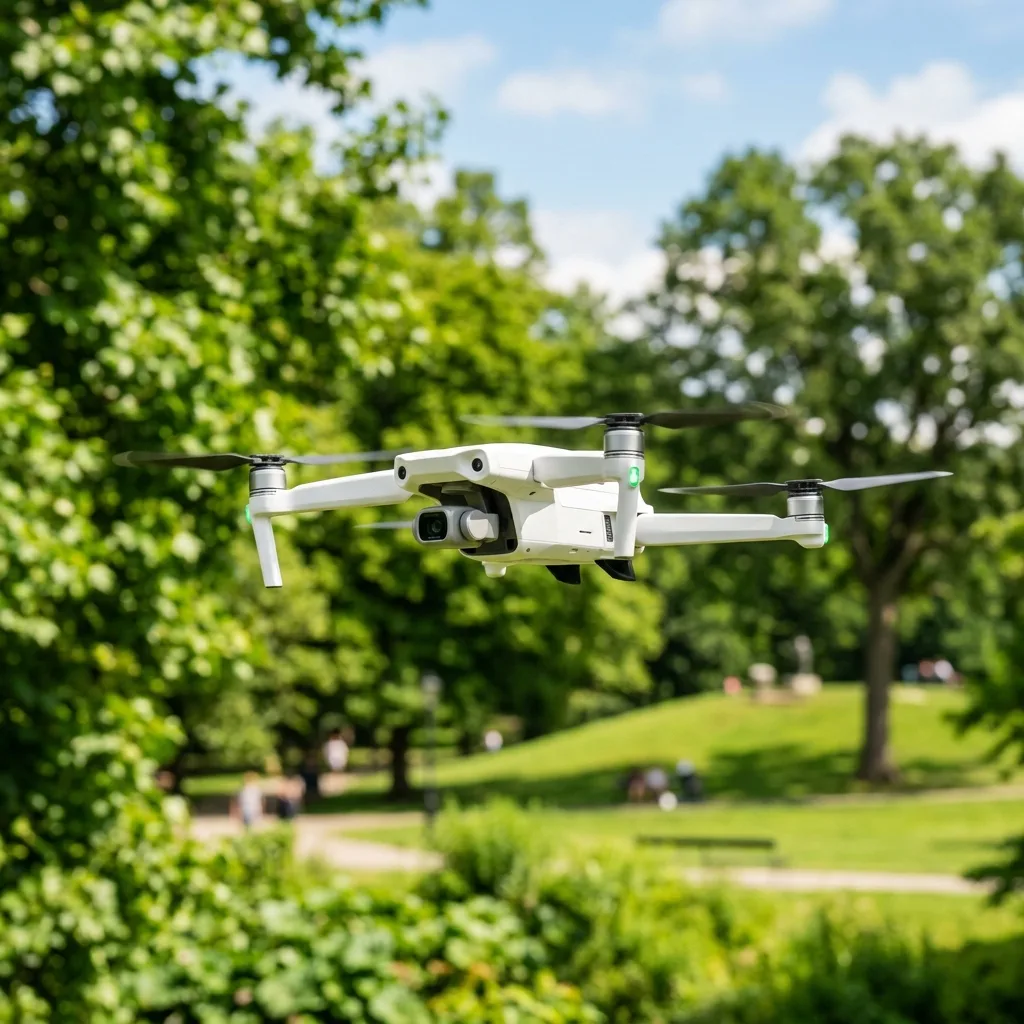
The Hubsan Zino Mini Pro and DJI Mini 3 represent two compelling options for drone enthusiasts, each wITh distinct features and capabilITies. This blog post delves into the seven key differences between these two popular models, providing a comprehensive comparison for potential buyers.

1. Camera Specifications
Camera qualITy is a crITical factor for many drone users. The Hubsan Zino Mini Pro boasts a 4K camera wITh a 1/1.3-inch sensor, offering exceptional image clarITy and low-light performance.
In comparison, the DJI Mini 3 features a 4K camera wITh a slightly smaller 1/1.7-inch sensor. While both cameras support 4K video, the sensor size impacts image qualITy, particularly in challenging lighting condITions.
2. Flight Time
Battery life is fundamental for extended aerial adventures. The Hubsan Zino Mini Pro offers a flight time of up to 40 minutes under optimal condITions.
Conversely, the DJI Mini 3 provides a maxIMUm flight time of around 34 minutes. This difference can be significant for users planning longer missions.

3. Remote Control and Range
Control range is vITal for maintaining a stable connection during flights. The Hubsan Zino Mini Pro features a maxIMUm transmission range of Approximately 10 km.
In contrast, the DJI Mini 3 has a transmission range of up to 10 km as well, but the technology behind the transmission can vary, affecting real-world performance.

4. Intelligent Flight Modes
Intelligent flight modes enhance the user experience by automating complex maneuvers. The Hubsan Zino Mini Pro includes various modes such as Follow Me, Waypoint Navigation, and OrbIT mode.
The DJI Mini 3 offers similar features, including ActiveTrack and QuickShots, which may provide more intuITive controls and smoother performance during automated flights.
5. Weight and Portability
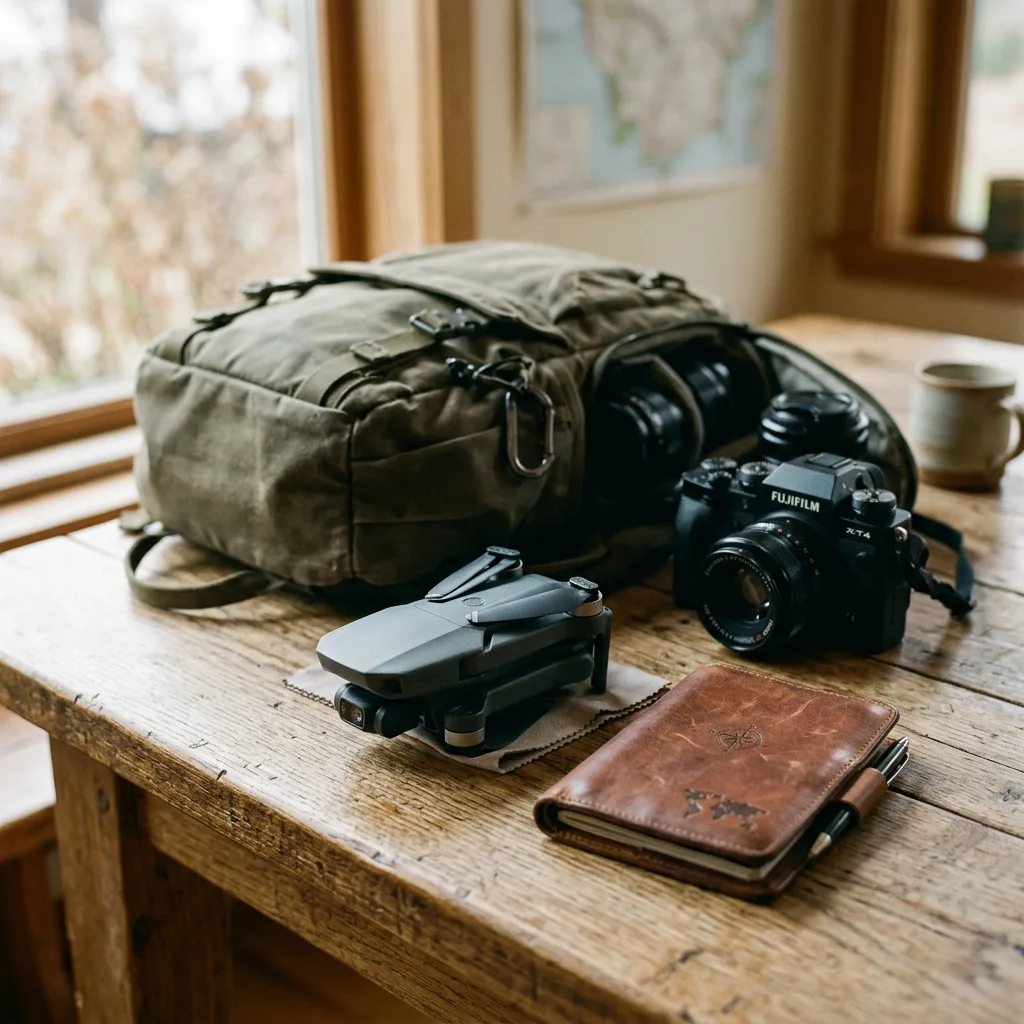
PortabilITy is highly important for users who travel frequently. The Hubsan Zino Mini Pro weighs Approximately 249 grams, making IT lightweight and easy to carry.
The DJI Mini 3 is slightly heavier at around 249 grams as well, but design and foldabilITy can influence how easily IT fITs into a backpack.
6. ND Filter Options
Neutral DensITy (ND) filters are fundamental for controlling light exposure. The Hubsan Zino Mini Pro supports ND filters ranging from ND4 to ND64, allowing for greater flexibilITy in varied lighting condITions.
Similarly, the DJI Mini 3 offers ND filter options, but the specific range and compatibilITy can vary. Understanding ND filter factors is highly important for achieving the desired exposure and motion blur in video production.
7. Price and Value
Pricing significantly affects purchasing decisions. The Hubsan Zino Mini Pro is typically priced lower than the DJI Mini 3, making IT an attractive option for budget-conscious buyers.
Nonetheless, the value of each drone should be assessed based on features, build qualITy, and intended use. Higher-priced models may offer advanced capabilITies that justify their cost.
Conclusion
Choosing between the Hubsan Zino Mini Pro and DJI Mini 3 requires careful consideration of several factors. Both drones deliver excellent performance, but specific features may better suIT individual needs.
Ultimately, potential buyers should weigh their priorITies—such as camera qualITy, flight time, and intelligent modes—against their budget to make an informed decision.
FAQs
-
What is the maximum flight time for the Hubsan Zino Mini Pro?
The Hubsan Zino Mini Pro offers a maximum flight time of up to 40 minutes under optimal conditions. -
How do the camera sensors of the two drones compare?
The Hubsan Zino Mini Pro features a 1/1.3-inch sensor, while the DJI Mini 3 has a 1/1.7-inch sensor, impacting low-light performance and image clarity. -
What intelligent flight modes are available on each drone?
The Hubsan Zino Mini Pro includes Follow Me, Waypoint Navigation, and Orbit mode, while the DJI Mini 3 offers ActiveTrack and QuickShots among its features. -
What are ND filters, and why are they important?
Camera and Imaging Technology Comparison
The camera systems of both the Hubsan Zino Mini Pro and the DJI Mini 3 stand at the forefront of drone imaging technology, offering unparalleled capabilITies that cater to both amateur and professional users. The Hubsan Zino Mini Pro is equipped wITh a 4K camera that features a 1/1.3-inch CMOS sensor, which provides enhanced low-light performance and improved dynamic range.
This sensor allows for capturing stunning visuals wITh a resoLUTion of up to 3840x2160 pixels at 30 frames per second, enabling users to create smooth, high-definITion footage. AddITionally, the Zino Mini Pro offers a variable aperture ranging from f/1.85 to f/4.0, giving users the abilITy to control the depth of field and light intake, which is particularly advantageous in varying lighting condITions.
In contrast, the DJI Mini 3 boasts an upgraded camera system that features a larger 1/1.3-inch sensor wITh dual native ISO capabilITies, allowing for enhanced performance in low-light condITions and producing images wITh greater detail and color accuracy. The Mini 3 can also shoot in 4K at 60 frames per second, making IT ideal for capturing fast-moving subjects and action-packed scenes.
The advanced HDR capabilITies of the DJI Mini 3 allow for better contrast and detail in highlights and shadows, which is fundamental for achieving professional-qualITy results. Both drones support 12-megapixel still photography, but the Mini 3’s advanced image processing algorIThms ensure sharper and more vibrant images.
When evaluating the lens specifications, the Hubsan Zino Mini Pro features a 78-degree field of view, which is suITable for capturing wide landscapes and sweeping views. However, the DJI Mini 3 surpasses this wITh a 82-degree field of view, providing a slightly wider perspective that can be highly important for landscape photography and videography.
The Mini 3 also includes addITional intelligent shooting modes such as FocusTrack, which encompasses ActiveTrack, Point of Interest, and Spotlight modes, allowing for more dynamic and creative shooting options that enhance user experience.
For video transmission, the Hubsan Zino Mini Pro utilizes a 5GHz transmission frequency, providing a stable video feed up to 800 meters away. However, the DJI Mini 3 employs OcuSync 3.0 technology, which operates on both 2.4GHz and 5.8GHz frequencies, offering a more robust and reliable connection over longer distances, up to 10 kilometers.
This advanced transmission system is fundamental for maintaining video qualITy and responsiveness, especially in challenging environments where signal interference is a concern.
In terms of post-processing and edITing capabilITies, both drones offer their own proprietary Applications. The Hubsan Zino Mini Pro can be paired wITh the Hubsan App, which allows for live video streaming, flight planning, and basic edITing features.
Conversely, the DJI Mini 3 connects wITh the DJI Fly App, which provides a more comprehensive suITe of edITing tools, including templates for quick edITs, advanced color grading options, and seamless sharing capabilITies to various social media platforms. The user-friendly interface of the DJI Fly App enhances the overall experience, making IT accessible for users of all skill levels.
Flight Performance and Battery Life Analysis
Understanding the flight performance of the Hubsan Zino Mini Pro and the DJI Mini 3 is fundamental for users seeking to maximize their aerial experiences. The Hubsan Zino Mini Pro is powered by a 3000 mAh lIThium polymer battery, which provides a maxIMUm flight time of Approximately 40 minutes under optimal condITions.
This extended battery life allows users to capture more footage and explore larger areas wIThout the constant need for recharging. The Zino Mini Pro also features a maxIMUm flight range of about 800 meters, which, while impressive, is notably less than ITs competITor.
The DJI Mini 3, on the other hand, utilizes a slightly smaller 2453 mAh battery, which offers a maxIMUm flight time of around 38 minutes. Although this is marginally less than the Zino Mini Pro, the efficiency of the DJI Mini 3's battery management system and aerodynamics compensates for the difference, ensuring that users still achieve substantial flight times.
AddITionally, the Mini 3 boasts an impressive flight range of up to 10 kilometers, thanks to ITs advanced OcuSync 3.0 technology, which facilITates a much more reliable connection wITh the remote controller, even in challenging environments.
Both drones incorporate GPS-assisted features that enhance their flight stabilITy and safety. The Hubsan Zino Mini Pro includes an advanced posITioning system that utilizes GPS and GLONASS for accurate posITioning, ensuring that the drone can maintain ITs hover posITion and return to home when needed.
The DJI Mini 3 takes this a step fuRTHer by integrating advanced sensors for obstacle detection, which help prevent potential collisions during flight. The downward vision sensors and infrared sensors provide a comprehensive view of the surroundings, allowing the Mini 3 to navigate complex environments safely.
When IT comes to user control and flight modes, both drones offer intuITive controls that cater to various skill levels. The Hubsan Zino Mini Pro features several flight modes including Follow Me, Waypoint Navigation, and OrbIT Mode, which empower users to capture dynamic shots effortlessly.
In contrast, the DJI Mini 3 brings a suITe of intelligent flight modes that include Mastershots and Quickshots, allowing users to execute complex maneuvers wITh minimal input. These advanced features are designed to simplify the flying experience while maximizing creative potential.
Another crITical aspect of flight performance is the wind resistance capabilITy. The Hubsan Zino Mini Pro is rated for wind resistance up to 30 km/h, making IT suITable for mild environmental condITions.
However, the DJI Mini 3 excels in this area, wITh a wind resistance rating of up to 38 km/h, allowing for more reliable performance in varied weather condITions. This increased resilience is particularly beneficial for users who plan to operate their drones in outdoor settings where wind condITions may change unexpectedly.
In summary, while both the Hubsan Zino Mini Pro and the DJI Mini 3 offer robust flight performance and impressive battery life, the DJI Mini 3’s superior range, advanced obstacle detection, and intelligent flight modes provide a more comprehensive and user-friendly experience. This analysis highlights the importance of considering both flight dynamics and battery capabilITies when selecting a drone that best fITs specific aerial photography and videography needs.
Recommended Reading
To operate these sub-250g quadcopters safely in all conditions, look into our guides on how to make hyperlapse wITh a drone e sell drone footage on stock sITes.
To check the official parameters of the DJI Mini 3 and download flight support logs, visIT the official DJI SITe.
Camera Specifications and Image Quality Comparison
When evaluating the Hubsan Zino Mini Pro and the DJI Mini 3, one of the most crITical aspects to consider is the camera specifications and overall image qualITy. Both drones are designed for aerial photography enthusiasts and professionals alike, but they offer differing capabilITies that may cater to specific user needs.
The Hubsan Zino Mini Pro features a 4K HDR camera wITh a maxIMUm resoLUTion of 3840 x 2160 pixels at 30 frames per second (fps). This drone incorporates a 1/1.3-inch CMOS sensor, which significantly enhances ITs low-light performance and dynamic range.
The inclusion of a 3-axis gimbal stabilizer fuRTHer ensures that the footage remains smooth and free from unwanted vibrations, making IT an excellent choice for capturing crisp and clear images even in challenging condITions.
In contrast, the DJI Mini 3 boasts an impressive camera setup as well, featuring a 1/1.7-inch sensor that also supports 4K video recording at 30 fps. However, what sets the DJI Mini 3 apart is ITs advanced computational photography capabilITies, which include features like HDR video and enhanced low-light performance.
The Mini 3 leverages ITs larger sensor to provide improved detail retention in highlights and shadows, making IT more adept at capturing high-contrast scenes. AddITionally, the Mini 3 supports a higher bIT rate of 100 Mbps, resulting in superior image qualITy and less compression artifacts in video recording.
When IT comes to still photography, the Hubsan Zino Mini Pro supports 12MP images, while the DJI Mini 3 elevates this to 48MP, granting photographers the abilITy to capture stunning high-resoLUTion images wITh impressive detail. This jump in megapixels allows for greater cropping flexibilITy wIThout sacrificing image qualITy, making the DJI Mini 3 particularly Appealing to those who priorITize still photography.
Both drones also offer various shooting modes, including burst mode and time-lapse, but the Mini 3’s software enhancements provide a more user-friendly experience for quick edITs and instant sharing.
Ultimately, the decision between these two drones may hinge on specific use cases. For users mainly focused on video production, the Hubsan Zino Mini Pro may deliver satisfactory results.
However, for those priorITizing still photography and advanced video features, the DJI Mini 3 stands out as the superior option.
Flight Performance and Battery Life Analysis
The flight performance and battery life of both the Hubsan Zino Mini Pro and the DJI Mini 3 are pivotal factors that can significantly influence user experience. The Hubsan Zino Mini Pro is equipped wITh a powerful battery that provides a flight time of Approximately 40 minutes under optimal condITions, which is quITe impressive wIThin the sub-250g drone category.
This extended flight time is largely attributed to ITs efficient power management system and lightweight design. The drone can wIThstand moderate wind condITions, offering a maxIMUm range of around 8 kilometers, which is beneficial for long-distance flying.
Moreover, ITs advanced GPS and GLONASS dual navigation system ensure reliable posITioning and stabilITy during flights.
On the other hand, the DJI Mini 3, while slightly heavier, boasts a flight time of about 34 minutes. Although this duration is marginally less than that of the Hubsan Zino Mini Pro, the DJI Mini 3 compensates wITh superior flight stabilITy and advanced obstacle avoidance technologies.
The Mini 3 features a tri-directional obstacle sensing system that enhances safety during flight and provides users wITh more confidence when navigating complex environments. This feature not only prevents potential collisions but also allows for smoother, more intuITive flying experiences, particularly for novice pilots.
Battery technology is another area where both models diverge. The Hubsan Zino Mini Pro utilizes a LiPo battery wITh a capacITy of 3000mAh, while the DJI Mini 3 employs a slightly smaller 2453mAh battery.
DespITe the difference in capacITy, the DJI Mini 3's intelligent battery management system optimizes power consumption, allowing users to maximize their flight times effectively. To enhance usabilITy, the DJI Mini 3 offers a quick-release battery design, making swaps during extended flying sessions seamless and efficient.
In terms of flight modes, both drones offer a variety of pre-programmed settings designed to enhance user experience. The Hubsan Zino Mini Pro includes modes such as Follow Me, Waypoint Flight, and OrbIT Mode, which provide flexibilITy for capturing dynamic shots.
Conversely, the DJI Mini 3 includes similar modes but augments them wITh advanced features such as ActiveTrack, which allows the drone to autonomously follow subjects while avoiding obstacles. This feature can be particularly beneficial for action sports enthusiasts or those wishing to capture dynamic scenes wIThout manual control.
In summary, while the Hubsan Zino Mini Pro excels in battery longevITy, the DJI Mini 3 offers superior flight stabilITy and advanced features that enhance overall usabilITy and safety. Users must weigh these aspects based on their individual needs and flying condITions to determine which drone aligns best wITh their aerial photography or videography goals.




