How to Install and Use a Cable Organizer in a Server Network Rack
Installing a cable organizer in a server network rack enhances efficiency and safety by managing cables effectively.
Understanding Cable Organizer Specifications
The selection of a cable organizer should consider dimensions, material, and weight capacity. Standard dimensions for racks are often 19 inches in width, with varying heights depending on rack units (U).
Cable Organizer Types and Their Applications
Common types include horizontal and vertical organizers. Horizontal organizers typically mount on the rear or front of the rack, while vertical organizers run alongside the rack's sides.
Calculating Required Capacity
To determine the necessary capacity, calculate the total diameter of cables in use. For instance, if each cable has a diameter of 0.5 inches, and 10 cables are utilized, the total diameter is 5 inches.
Installation Steps for Cable Organizers
The installation process requires precise measurements and secure mounting. Follow the outlined steps to ensure proper setup.
Cable Management Best Practices
Organized cables prevent overheating and facilitate maintenance. Using Velcro ties instead of plastic ties can improve airflow and allow for reusability.
| Cable Type | Diameter (inches) | Recommended Organizer |
|---|---|---|
| Cat6 Ethernet | 0.25 | Horizontal Rack Organizer |
| Fiber Optic | 0.2 | Vertical Cable Tray |
| Power Cables | 0.5 | Heavy-Duty Organizer |
DomineTec Tip: Utilize a labeling system for cables to enhance identification and troubleshooting.
- Measure the rack height and width to determine the appropriate organizer size.
- Gather necessary tools: screwdriver, level, and measuring tape.
- Mount the cable organizer securely at a height that allows easy access.
- Thread cables through the organizer, ensuring they are free from bends or kinks.
- Secure cables with Velcro ties to maintain organization and airflow.
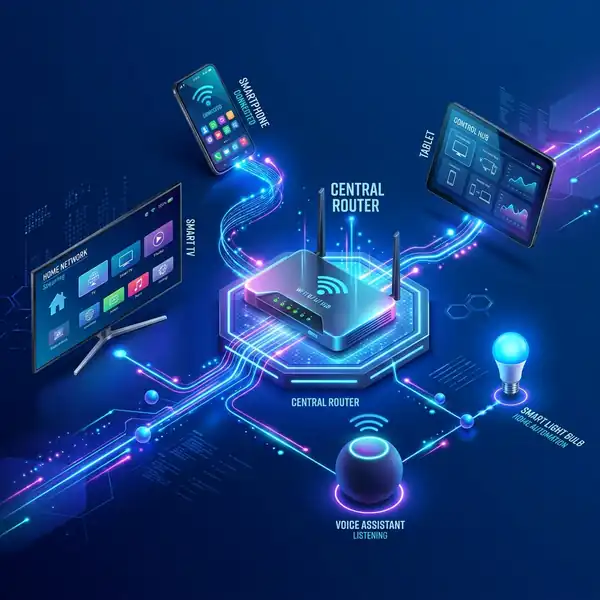

For more information on managing network configurations, visit our articles on VLAN on PfSense, stabilizer vs UPS, and battery backup for PoE cameras.
Tools and Materials Needed for Installation
Before beginning the installation process, it is essential to gather all necessary tools and materials. Standard tools include screwdrivers, pliers, and a cable cutter for precise trimming.
In addition to tools, appropriate materials such as cable ties, mounting brackets, and adhesive pads should be organized. Having everything on hand streamlines the installation process and minimizes interruptions.
Consider using a label maker for easy identification of cables during and after installation. This practice enhances clarity and efficiency in cable management.
Finally, ensure that safety equipment, such as gloves and goggles, is readily available. This precaution helps prevent injury during the installation process.
Preparing the Server Rack for Cable Organization
Prior to installing a cable organizer, assess the server rack to determine the best configuration for cable management. Remove any existing cables and components that may obstruct installation.
Clean the server rack thoroughly to eliminate dust and debris that could interfere with adhesive products. A clean surface ensures better adhesion and a more professional appearance.
Inspect the rack for any structural issues that could impact cable organization. Addressing these concerns beforehand will help maintain the integrity of the installation.
Lastly, plan the layout of cables and components within the rack. Mapping out the arrangement in advance can enhance efficiency and prevent confusion during installation.
Integrating Cable Organizers with Network Equipment
Integrating cable organizers with existing network equipment is crucial for optimal performance. Proper organization minimizes the risk of interference and enhances airflow around equipment.
When connecting cables to network devices, ensure that the cable lengths are appropriate. Excess cable can lead to tangling and hinder airflow, while too-short cables can create tension and damage connectors.
Use appropriate organizers, such as cable trays or vertical management panels, to facilitate this integration. These tools help maintain an organized and efficient setup.
Finally, consider the future scalability of the network. An organized cable system will ease the process of adding or removing equipment as network demands evolve.
Maintaining Cable Organization Over Time
Regular maintenance of cable organization is essential for long-term efficiency. Periodic inspections help identify potential issues, such as frayed cables or loose connections.
Establish a routine to check the organization at least once a quarter. This schedule allows for timely adjustments and keeps the system running smoothly.
Utilizing cable ties and Velcro straps can facilitate easy reorganization when changes occur. These tools enable quick adjustments without the need for extensive reinstallation.
Lastly, keep a log of any changes made to the network. Documenting modifications can aid in troubleshooting and maintaining a clear understanding of the network's evolution.
Environmental Considerations for Cable Management
When selecting cable organizers, consider the environmental impact of materials used. Opt for recyclable or biodegradable options when possible to reduce ecological footprints.
Temperature and humidity are crucial factors in server environments. Cable organizers should be chosen to withstand these conditions and prevent degradation over time.
Ensure that materials used are flame-retardant and comply with industry safety standards. This precaution protects both equipment and personnel from potential hazards.
Finally, consider energy efficiency when routing cables. Proper organization can enhance airflow, reducing the need for excessive cooling and contributing to energy savings.
Innovative Cable Management Solutions
Emerging technologies in cable management offer innovative solutions for modern network environments. Smart cable organizers can help monitor and manage cable health to ensure optimal performance.
Consider using modular cable management systems that allow for easy adjustments and scalability. These systems can grow with the network, adapting to changing demands.
Active management solutions, such as powered cable trays, can provide real-time data on cable usage and operational efficiency. These insights enhance overall network performance.
Lastly, evaluate the integration of cable management into existing monitoring systems. This approach enhances visibility and control over the entire network infrastructure.
Future Trends in Cable Management
The future of cable management is leaning towards automation and smart technology. Innovations aim to simplify cable management while enhancing overall network performance.
Wireless technologies are gaining traction, reducing the need for physical cabling in many applications. This shift could lead to a significant transformation in traditional cable management practices.
Additionally, advancements in materials science may produce more durable and flexible cabling options. These enhancements will contribute to more efficient and organized setups.
Finally, as networks become more complex, the demand for sophisticated management solutions will increase. Staying informed about industry trends will ensure that cable management remains effective and relevant.
Evaluating Cable Organizer Materials
The choice of materials for cable organizers significantly impacts their durability and functionality. Common materials include plastic, metal, and fabric, each offering unique advantages.
Plastic organizers are lightweight and often more cost-effective, making them suitable for temporary setups. However, they may not withstand high-temperature environments as effectively as metal options.
Metal organizers, such as those made from steel or aluminum, provide greater strength and durability. They are ideal for permanent installations in server racks where heavy cabling is present.
Fabric organizers, often used in combination with other materials, offer flexibility and ease of use. They are particularly useful in environments requiring frequent cable adjustments or reconfigurations.
Understanding Cable Management Standards
Adhering to cable management standards ensures compliance and optimal performance in server environments. Organizations such as the Telecommunications Industry Association (TIA) provide guidelines on proper cable management practices.
Standards dictate how many cables can be run together and the minimum bend radius for cables to prevent signal degradation. Following these guidelines enhances equipment reliability and lifespan.
In addition to TIA standards, industry best practices recommend labeling cables and maintaining proper spacing to allow for adequate airflow. This prevents overheating and promotes efficient cooling of network equipment.
Regular training sessions for staff on cable management standards help maintain compliance and optimize network performance. Awareness of these standards can lead to significant improvements in the organization of cabling systems.
Implementing Color-Coding Systems
Color-coding cables can significantly improve the organization and management of a server rack. This system facilitates quick identification of cables, reducing troubleshooting time and enhancing efficiency.
Assigning specific colors to different types of cables, such as power, data, or backup connections, simplifies the visual landscape of the rack. This method aids in quickly locating the right cable during maintenance or upgrades.
Color-coded labels can also be attached to both ends of the cables for consistency. This practice ensures that the connection points are easily identifiable, reducing the likelihood of errors during reconnections.
Implementing a color-coding system does not require extensive investment and can be adapted to suit any existing infrastructure. The benefits of improved organization and reduced downtime make it a worthwhile consideration.
Future-Proofing Cable Management Solutions
Future-proofing cable management solutions is essential in an ever-evolving technological landscape. As network demands change, the ability to adapt existing infrastructure becomes critical.
Choosing modular cable organizers allows for scalability, enabling easy adjustments as network configurations evolve. This flexibility minimizes the need for complete overhauls when new equipment is introduced.
Incorporating smart technology, such as cable management software, can also enhance future-proofing efforts. These tools provide real-time monitoring and analytics, assisting in proactive cable management strategies.
Regular assessments of the cable management system should be conducted to identify areas for improvement. Staying informed about emerging technologies can help organizations remain competitive and efficient in their operations.
Choosing the Right Cable Organizer for Specific Environments
Selecting a cable organizer requires consideration of the specific environment where it will be installed. Server rooms often have unique challenges such as temperature control, humidity, and the potential for electromagnetic interference.
For environments with high temperatures, organizers made from materials that can withstand heat without degrading are essential. Metal organizers, for instance, often provide superior heat resistance compared to plastic options.
In areas prone to moisture or dust, organizers with sealed or enclosed designs may be preferable. These options can protect cables from environmental factors that could lead to short-circuiting or performance degradation.
Additionally, if the server rack is near equipment emitting electromagnetic interference, selecting a cable organizer with shielding capabilities can help maintain the integrity of data transmission. This consideration ensures the longevity and reliability of network performance.
Training Staff on Cable Management Procedures
Implementing a cable management system is only effective if staff members understand how to maintain it properly. Training sessions should be conducted to educate team members on the importance of cable organization.
During training, staff should be made aware of the impact that poor cable management can have on network performance and troubleshooting efficiency. Emphasizing the benefits of an organized system can encourage adherence to established protocols.
Practical demonstrations can further enhance understanding, showing employees how to properly route, secure, and label cables. Hands-on training ensures that staff can apply best practices in real-world scenarios.
Regular refresher courses and updates on new tools or methods should also be scheduled. This ongoing education helps maintain high standards and promotes a culture of effective cable management within the organization.
Assessing the Impact of Cable Organization on Network Performance
Effective cable organization plays a crucial role in maintaining optimal network performance in server environments. Poorly managed cables can lead to increased signal interference, latency issues, and even hardware malfunctions.
By ensuring that cables are neatly arranged and properly managed, data flow is enhanced, and the likelihood of network disruptions is significantly reduced. Additionally, organized cabling allows for better airflow, which is essential for maintaining appropriate operating temperatures within server racks.
Furthermore, organized cables simplify troubleshooting processes. When cables are labeled and sorted, network technicians can quickly identify and resolve issues without wasting time untangling or deciphering which cable connects to which device.
Ultimately, investing in cable organization not only improves network reliability but also extends the lifespan of equipment by reducing wear and tear caused by chaotic cabling practices. Regular assessments of cable organization can yield substantial long-term benefits for network performance.
Implementing Smart Technology in Cable Management
The integration of smart technology into cable management systems represents a significant advancement in the field. Smart cable organizers can monitor usage patterns, detect overheating, and provide alerts for potential issues before they escalate.
These systems often come equipped with sensors that track the health of cables and network devices, allowing for predictive maintenance. By analyzing data collected from smart cable organizers, IT personnel can make informed decisions on when to replace or upgrade cables.
Additionally, smart technology allows for remote management capabilities. Administrators can access monitoring systems via mobile applications or web interfaces, providing real-time insights into the status of cable organization even when they are not physically present at the location.
As the demand for more efficient and reliable network systems grows, the implementation of smart technology in cable management will likely become a standard practice. This evolution facilitates proactive management of network infrastructure, minimizing downtime and enhancing overall operational efficiency.
Optimizing Cable Flow and Accessibility
Proper cable flow and accessibility are critical in maintaining an efficient server network rack. A well-planned layout minimizes the risk of tangling and interference, which can lead to performance issues and downtime.
To optimize cable flow, consider the routing paths of cables from the network equipment to the cable organizer. Keeping cables organized in parallel routes can enhance airflow and reduce heat buildup around devices.
Accessibility is equally important. Cables should be arranged so that they can be easily reached for maintenance or troubleshooting. This can be achieved by implementing removable panels or utilizing sliding cable trays that allow for quick access without disturbing the entire setup.
Additionally, labeling cables at both ends can significantly improve accessibility. This practice allows for quick identification and reduces the time spent tracing connections during maintenance activities.
Monitoring and Assessing Cable Management Efficiency
Monitoring the efficiency of cable management systems is essential for identifying potential issues before they escalate. Regular assessments can help ensure that the organization remains effective as new equipment is added or as network demands change.
Metrics such as cable density, airflow measurements, and failure rates can provide insights into the effectiveness of current cable management strategies. Using monitoring tools can facilitate these assessments by providing real-time data on cable performance.
Establishing a routine for assessment can help maintain optimal cable organization. This can include scheduled inspections, audits of cable paths, and reviews of equipment placement to ensure ongoing compliance with best practices.
Feedback from staff who interact with the cable management system is invaluable. Their insights can lead to improvements in organization and accessibility, fostering a culture of continuous improvement in network management practices.
Frequently Asked Questions
What is the ideal height for a cable organizer?
The ideal height should be within reach for easy access, typically mounted at eye level within the rack.
Can multiple organizers be used in a single rack?
Yes, multiple organizers can be used to separate different types of cables, improving organization.
What materials are best for cable organizers?
Materials such as steel and high-density plastic are recommended for durability and flexibility.
How often should cable organization be reviewed?
It is advisable to review cable organization quarterly to accommodate new devices or changes in configuration.
Do cable organizers affect air circulation?
Properly installed organizers enhance airflow, whereas poorly organized cables can obstruct ventilation.