How to Update TP-Link Router Firmware Safely (Step-by-Step)
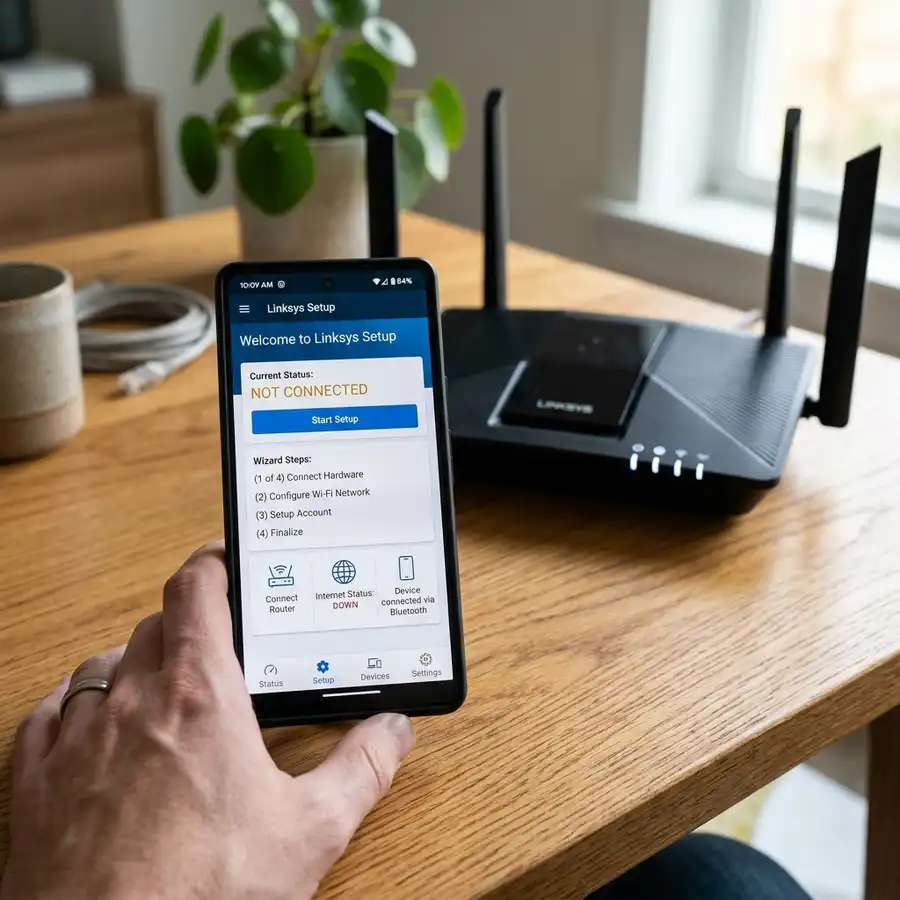
Cybersecurity and physical network stability on home and business local subnets depend directly on the integrity of the operating system governing your routing hardware. TP-Link routers, being widely deployed worldwide, are frequent targets for automated brute-force attacks and security exploits targeting outdated software. To update TP-Link firmware safely, download the correct file from the official site, connect via Ethernet, and flash it through the web GUI. This procedure prevents data corruption and ensures that your routing tables, wireless transceivers, and security layers remain fully operational and protected against remote compromises.
Keeping your router's operating system updated is a vital part of your preventive maintenance routine. If you want to perform other essential configurations on your local network, feel free to read our detailed guide on how to set up your TP-Link router from your phone or learn how to set up parental controls on a TP-Link router to manage your users' internet access safely.
1. Why Router Firmware Updates Are Crucial for Network Security
A router's firmware is the low-level operating system stored directly on the motherboard's flash memory (ROM). This embedded software controls all hardware operations, from RF modulation on 2.4 GHz and 5 GHz bands by physical radio chips to processing Network Address Translation (NAT) tables and packet queue scheduling in the main CPU. Keeping this software up to date is vital for three main reasons:
First and foremost, firmware updates patch critical security vulnerabilities. Routers running outdated firmware can contain zero-day bugs that allow remote attackers to inject malicious code via malformed HTTP requests, execute DNS hijacking to redirect online banking transactions, or recruit the device into automated botnets (like Mirai). Installing the latest firmware blocks these exploits immediately.
Second, updates bring performance improvements and connection stability. Modern firmware updates optimize RAM usage and CPU resource scheduling. This addresses common issues like memory leaks, which slow down the router over time and require constant restarts to clear the system cache. Firmware updates also improve wireless transceiver stability, preventing signal drops under heavy traffic loads from multiple connected clients.
Lastly, updates add compatibility with newer standards and features. Older routers may receive updates that enable native IPv6 support, improved parental control filters, isolated guest network SSIDs, and beamforming optimizations for the physical antennas.
2. Important Safety Measures Before Flashing Your Router
Writing new software to your router's flash memory (called flashing) is a delicate operation that overwrites the boot block on the integrated circuit. Any power outage or data interruption during this process will corrupt the bootloader, leaving the device unresponsive and inoperable (known as a "bricked" router). To avoid this scenario, apply these strict safety guidelines:
- NEVER Perform an Update Over Wi-Fi: Wireless transmissions are prone to packet loss due to signal attenuation or RF interference. If the wireless connection drops for even a millisecond during the upload, the binary file will corrupt. Always connect your computer physically to one of the yellow LAN ports on your TP-Link router using an RJ-45 Ethernet cable;
- Ensure Power Stability: Verify that your electrical connection is stable before beginning. Avoid flashing your router during storms or local grid maintenance. If possible, plug both the router and your computer into an Uninterruptible Power Supply (UPS) to keep them powered on during the update process;
- Unplug the WAN Internet Cable: Remove the RJ-45 cable from the blue WAN port (which connects to your modem) during a manual update. This prevents the router from processing external network traffic, allowing the CPU to focus entirely on writing data blocks to the flash memory.
3. How to Identify and Download the Correct Firmware Version
The golden rule of network engineering for router upgrades is: download the firmware version that matches your device's physical hardware revision. TP-Link produces multiple hardware versions of the same model (e.g., the Archer C6 has revisions V2, V3, V4, etc.), each containing different chipsets, transceivers, and circuit designs from different manufacturers. Uploading a V3 firmware binary to a V2 hardware unit will brick the router due to driver and architecture conflicts.
Follow these steps to download the correct file:
- Find Your Model and Hardware Revision: Turn your TP-Link router upside down. Locate the label on the bottom panel. Look for the fields labeled Model and Ver: X.X or HW: X.X (e.g., Archer C6 Ver: 3.2). This indicates you must download files for hardware revision 3;
- Go to the Official TP-Link Download Center: Open your browser and navigate to the official support website for your country. Avoid downloading firmware files from third-party forums or file-sharing sites to prevent malware infections;
- Search for Your Product: Type your exact router model into the search bar. Click support, then select your exact hardware version (V1, V2, V3, etc.) from the dropdown menu on the support page;
- Download the Firmware Package: Locate the Firmware tab. Identify the latest stable release (usually at the top of the list, featuring the newest release date and detailed patch notes). Click Download to save the compressed archive (usually a
.zipfile) to your computer; - Extract the Binary File (.bin): Open your downloads folder and extract the zip file. The actual firmware file has a .bin extension (e.g.,
Archer_C6v3_20261106.bin). This is the file you will upload to the router.
4. Step-by-Step Guide: Manual Firmware Upgrade via Web Interface
Once your computer is connected physically to one of the router's LAN ports via an Ethernet cable and you have extracted the .bin file, follow these steps to manually upgrade the firmware:
- Log In to the Web GUI: Open a browser and enter your router's gateway IP address (typically
192.168.0.1orhttp://tplinkwifi.net) in the URL bar. Enter your administrator username and password; - Find the Firmware Upgrade Menu: Depending on your router's management interface type:
- On the classic green/blue interface: Click System Tools in the left sidebar and select Firmware Upgrade;
- On the modern dark blue Archer interface: Click the Advanced tab at the top, expand System in the left sidebar, and select Firmware Upgrade;
- Upload the Firmware Binary: Under the Manual Upgrade section, click the Browse (or Choose File) button. Navigate to your downloads, select the extracted
.binfile, and click Open; - Start the Flashing Process: Click the Upgrade button. A warning box will appear asking you to confirm. Click OK to proceed;
- Wait for Completion: The router will begin writing the data blocks. A progress bar from 0% to 100% will display. Do not close your browser, unplug the Ethernet cable, or turn off the router during this process. Flashing takes about 2 to 3 minutes;
- Reboot and Verify: Once the progress bar reaches 100%, the router will reboot automatically. Wait for the front panel status LEDs to turn solid green or white. Reload the login page, sign in, and check the status page to verify that the firmware version has been updated successfully.
| Technical Parameter | Manual Web Upgrade (Web GUI) | Automatic Upgrade (Tether App) |
|---|---|---|
| Physical Link | Wired RJ-45 Ethernet Cable | Local Wi-Fi connection or Cloud link |
| Firmware File Source | Manual download from TP-Link Support portal | Automated retrieval from TP-Link cloud servers |
| Risk Level | Very Low (Cable prevents physical packet loss) | Moderate (Wi-Fi drop can interrupt download) |
| Cloud Account Required | No (Strictly local access via private IP) | Yes (Requires TP-Link ID registration) |
5. Alternative Method: Automatic Update via TP-Link Tether App
For modern, cloud-enabled TP-Link routers, you can update your firmware automatically using the TP-Link Tether mobile application. This method eliminates the need to download the binary file to a computer, making the upgrade process simple and user-friendly:
To use the Tether app for automatic upgrades:
- Connect to Local Wi-Fi: Install the TP-Link Tether app from the Play Store or App Store. Open the app, log in with your TP-Link ID, and connect your phone to your router's Wi-Fi network;
- Select Your Device: On the app's dashboard, tap your router model to open the device manager;
- Go to System Settings: Tap Tools in the bottom right corner of the dashboard, then select the System option;
- Check for Updates: Tap Firmware Update. The app will ping TP-Link cloud servers to see if a newer firmware version exists for your device model and hardware revision;
- Download and Apply: If an update is available, review the release notes and tap Update. The router will download the update file directly from the cloud and flash itself. Wait for the progress bar to finish and the router to reboot before attempting to connect.
6. What to Do If the Router Firmware Update Fails (Bricked Router)
If your router loses power, the browser crashes, or the Ethernet cable is disconnected during flashing, the device's operating system will corrupt. It will enter a bootloop or display only a solid Power LED, refusing to respond or broadcast a Wi-Fi signal. In this bricked state, the web GUI is unreachable. However, most TP-Link motherboards include a built-in bootloader recovery routine (TFTP Recovery Mode) that can be accessed to restore the device:
Set a Static IP on Your PC: Unplug all network cables from your computer. Connect an RJ-45 Ethernet cable from one of the router's yellow LAN ports directly to your PC's Ethernet port. Go to Network Connections on your computer, right-click your Ethernet adapter, and select Properties. Double-click Internet Protocol Version 4 (TCP/IPv4). Select "Use the following IP address" and enter: IP: 192.168.0.66, Subnet Mask: 255.255.255.0. Leave the gateway and DNS fields blank. Click OK to save;
Prepare the Recovery Binary File: Download the correct firmware binary file from TP-Link's support page using another computer. Rename the downloaded file to a recovery name supported by the bootloader (commonly tpRecovery.bin or recovery.bin). Save this renamed file to your static-IP computer;
Access the Emergency Recovery Interface: Unplug the power cable from the back of the bricked router. Press and hold the physical Reset button on the back panel using a paperclip or pen. While holding the Reset button, plug the power cable back into the router. Keep holding the Reset button for 10 to 15 seconds until the front LEDs flash or cycle in a recovery pattern. Release the button;
Flash the Recovery File: Open a browser on your PC, type 192.168.0.1 or 192.168.0.86 into the address bar, and press Enter. If recovery mode is active, you will see a simple web page labeled "Firmware Recovery". Click Choose File, select the tpRecovery.bin or recovery.bin file from your computer, and click Upgrade. The bootloader will write the firmware binary, repair the corrupted sectors, and reboot the router. Once completed, restore your computer's Ethernet card settings to "Obtain an IP address automatically".
DomineTec Tip: If the emergency recovery page does not load, you may need to run a local TFTP server application (such as Tftpd64) on your computer, placing the renamed recovery binary in the TFTP directory so the router can fetch the file automatically during its boot cycle.
Frequently Asked Questions
Can I update my TP-Link router's firmware over a Wi-Fi connection?
No. Upgrading your router's firmware over Wi-Fi is highly discouraged due to the risk of wireless signal drops or packet loss. If the signal drops for even a millisecond while the system writes binary data to the flash ROM, the bootloader will corrupt, bricking the router and requiring a complex recovery process.
Does a firmware update erase my Wi-Fi network names and passwords?
In most cases, firmware updates retain user configuration profiles and passwords stored in the NVRAM. However, major updates that restructure the operating system's database can reset the router to factory defaults. We highly recommend saving a backup of your configuration (System Tools > Backup & Restore) before upgrading.
What do labels like 'V1' or 'V2' next to the TP-Link model number mean?
These labels refer to the physical hardware version of the router's circuit board. Routers with identical model names can use completely different chipsets, memory, or transmitters. Uploading a firmware file designed for a different hardware version will cause boot failures and brick your router.
How often should I check for TP-Link router firmware updates?
There is no fixed schedule, but checking the admin panel or Tether app every three months is good practice. You should apply updates immediately when TP-Link releases patches addressing critical security CVEs or zero-day vulnerabilities.




