How to Unclog a 3D Printer Nozzle Using the Cold Pull (Atomic Pull) Method
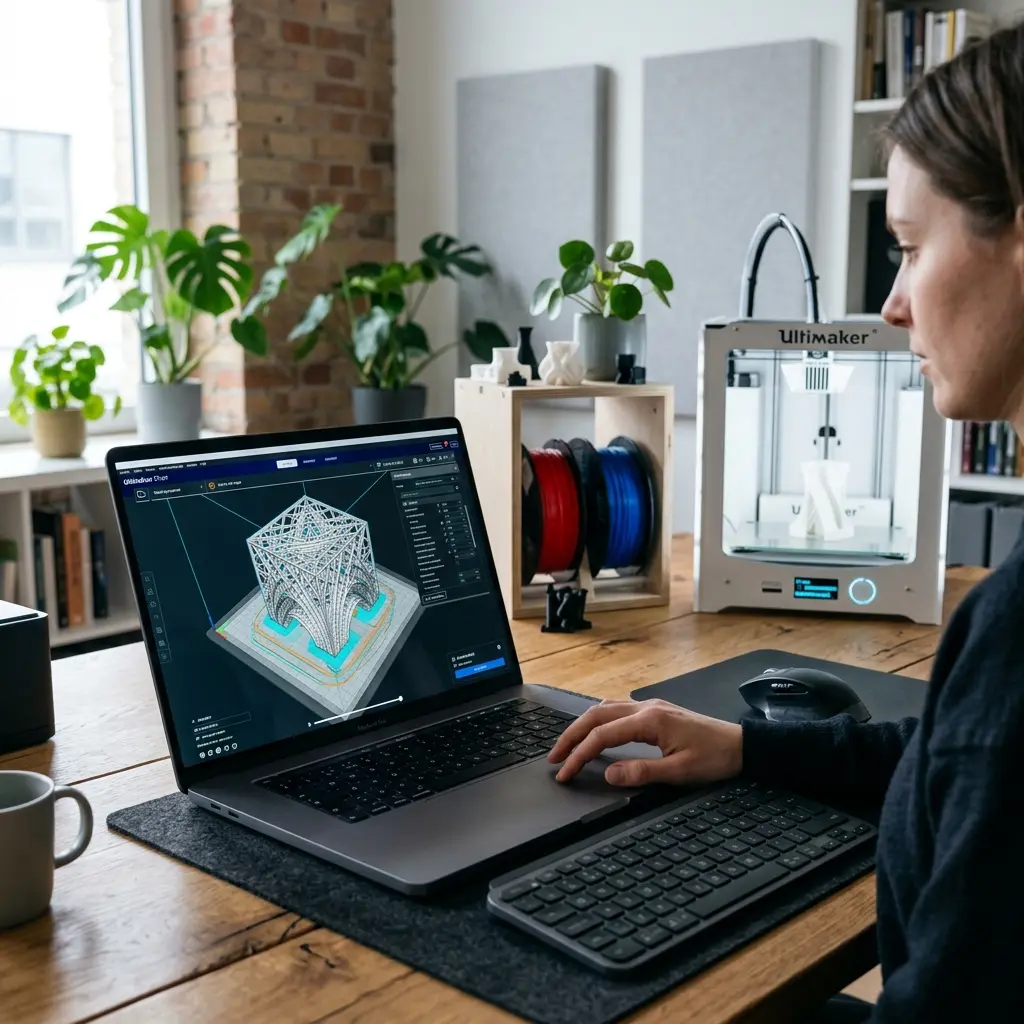
The Cold Pull (Atomic Pull) method effectively unclogs a 3D printer nozzle by utilizing temperature manipulation.
Understanding the Cold Pull Method
The Cold Pull method is a popular technique for clearing blockages in 3D printer nozzles. This method leverages the thermal properties of filament materials to dislodge clogs effectively.
When using this technique, the temperature is adjusted to ensure that the filament is soft enough to be pulled, yet not so hot that it liquefies completely. This balance is crucial for achieving successful results.
Understanding the thermal behavior of various filament types enhances the effectiveness of the Cold Pull method. By mastering these principles, users can troubleshoot and maintain their 3D printers more efficiently.
Why Clogs Occur in 3D Printers
Understanding the reasons behind clogs can aid in preventing future issues. Common culprits include poor filament quality, improper temperature settings, and debris in the nozzle.
Filaments can absorb moisture, leading to inconsistent extrusion and eventual clogging. Additionally, using the wrong temperature for specific filament types may cause them to burn or degrade.
Another significant factor contributing to clogs is the presence of contaminants. Dust, oils, or residues from previous prints can accumulate and obstruct the nozzle.
Regular maintenance and monitoring of filament quality can significantly reduce clogging incidents. Employing proper storage techniques for filaments minimizes moisture absorption and contamination risks.
Preparing for the Cold Pull Process
Gathering necessary tools and materials is essential before starting the Cold Pull process. Ensure that the following items are available:
- 3D printer with adjustable temperature settings
- Filament material (typically the same type used for printing)
- Wire cutters or scissors
- Cleaning filament (optional but recommended)
Having these tools on hand will streamline the process and increase the chances of success. Additionally, ensure the workspace is clean and free of distractions to maintain focus.
Step-by-Step Guide to Performing a Cold Pull
The Cold Pull method consists of several straightforward steps. Following this guide will help ensure proper execution:
- Heat the printer nozzle to the printing temperature of the filament.
- Extrude a small amount of filament to confirm that the nozzle is operational.
- Lower the nozzle temperature to around 10-15°C below the printing temperature.
- Allow the nozzle to cool for a minute to stabilize the temperature.
- Insert a piece of cleaning filament or the same filament being used into the nozzle.
- Once inserted, pull the filament slowly and steadily until it comes free, along with any debris.
- Inspect the nozzle for any remaining clog and repeat if necessary.
It is important to maintain a steady pull to avoid snapping the filament. A consistent motion allows for the maximum amount of debris to be removed during the process.
Visualizing the Cold Pull Process
Visual aids can significantly enhance the understanding of the Cold Pull method. Observing the filament's state before and after the process can reveal the effectiveness of the technique.
Creating a visual checklist or diagram of the steps involved can also aid in execution, especially for beginners. This visual representation helps reinforce the process and ensures that no steps are overlooked.
Additional Techniques for Maintaining Nozzle Health
Preventative maintenance can prolong the life of a 3D printer nozzle. Regularly cleaning the nozzle and ensuring proper filament storage are key practices.
Using a dedicated cleaning filament periodically can help maintain the nozzle's integrity. Cleaning filaments are designed to remove residues that standard filaments may leave behind.
Additionally, conducting regular inspections of the nozzle can help identify wear and tear early, allowing for timely replacements. Implementing a regular cleaning schedule can also prevent buildup from occurring.
Comparative Table of Filament Properties
| Filament Type | Temperature Range (°C) | Common Issues | Moisture Sensitivity |
|---|---|---|---|
| PLA | 180-220 | Moisture absorption, jamming | High |
| ABS | 210-250 | Warping, fumes | Medium |
| PETG | 220-260 | Stringing, clogging | Low |
| TPU | 220-240 | Jamming, flexibility issues | Medium |
This comparative analysis of filament properties aids in selecting the right material for specific applications while understanding their maintenance needs. Knowledge of moisture sensitivity is particularly important for storing filaments effectively.
Common Mistakes to Avoid
Several common mistakes can hinder the Cold Pull process. One of the primary errors is not allowing the nozzle to cool adequately before pulling.
Another frequent issue is using a filament temperature that is either too high or too low. Practicing patience and paying attention to temperature settings is essential for success.
Failing to adequately inspect the nozzle prior to performing a Cold Pull can also lead to incomplete clog removal. Always take the time to assess the condition of the nozzle before proceeding.
Using filaments that are not compatible with the Cold Pull method can also yield unsatisfactory results. Always choose materials known for their effectiveness in this process.
DomineTec Tip: For optimal results, consider using a dedicated cleaning filament to further enhance the efficiency of the Cold Pull method.
Aftercare and Final Steps
Once the Cold Pull process is complete, it is vital to check the nozzle for any remaining debris. A thorough inspection will help ensure that the nozzle is fully operational.
Reassemble any parts that were disassembled during the process, and perform a test print to confirm the nozzle's functionality. Document any changes in performance to track improvements.
In addition, performing a calibration print can help ensure that the extrusion is consistent and that the nozzle is free from clogs. This step is crucial for maintaining print quality.
Frequently Asked Questions
What is the Cold Pull method?
The Cold Pull method is a technique used to clear clogs in 3D printer nozzles by adjusting the temperature and pulling filament out of the nozzle.
How often should the Cold Pull method be performed?
This method can be performed as needed, especially when experiencing extrusion issues or after using lower-quality filament.
Can the Cold Pull method damage the nozzle?
When executed properly, the Cold Pull method should not damage the nozzle. Ensure the correct temperatures are maintained to avoid any issues.
What types of filaments can be used for Cold Pull?
Typically, the same filament used for printing can be employed for the Cold Pull method. Cleaning filaments are also highly effective.
Is it necessary to use a cleaning filament?
While not strictly necessary, using a cleaning filament can enhance the effectiveness of the Cold Pull method and help maintain nozzle cleanliness.




