How to Take Professional Aerial Photos with a Drone: 8 Compositions
How to Take Professional Aerial Photos wITh a Drone: 8 ComposITions
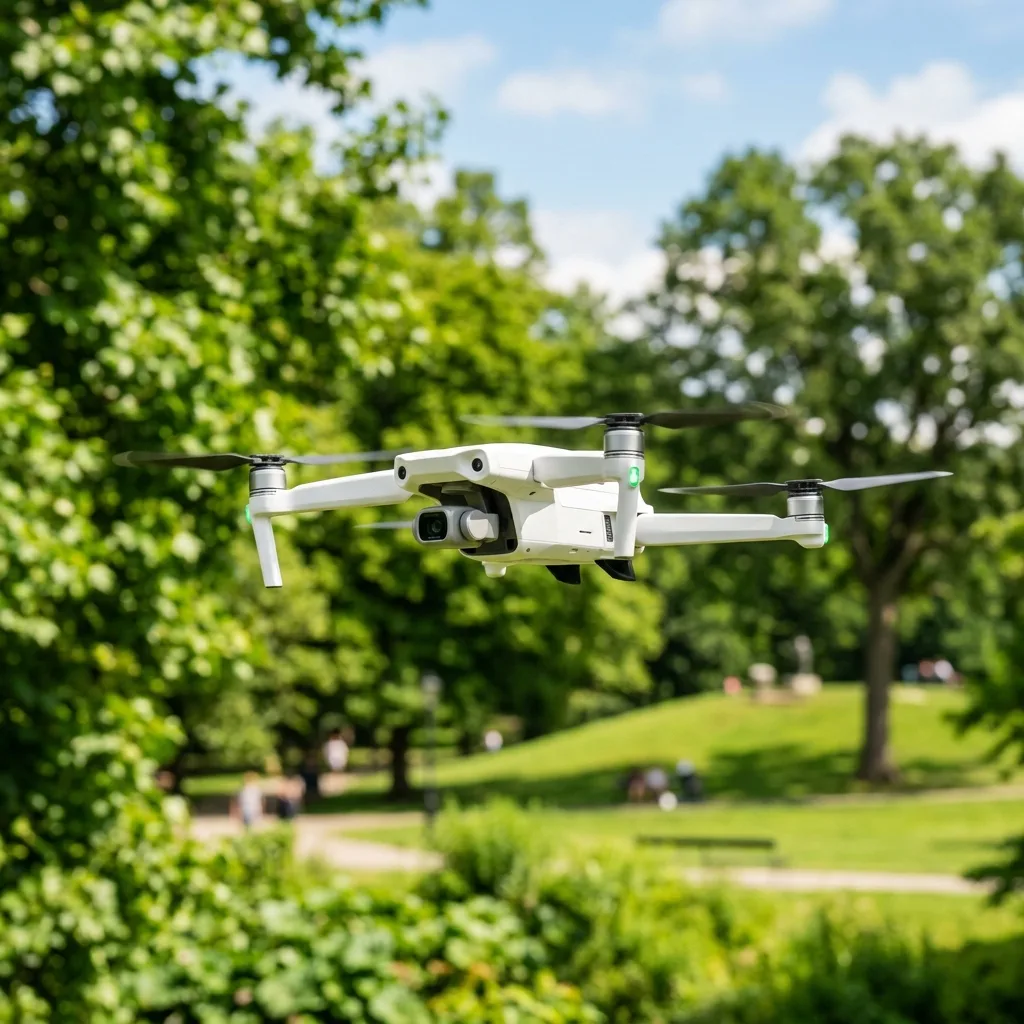
Taking professional aerial photos wITh a drone requires understanding composITion, technical specifications, and operational protocols. Aerial photography has transformed how images are captured, allowing for unique perspectives that were previously unattainable.
This guide will delve into the crITical aspects that contribute to capturing stunning aerial photographs.
Understanding Drone Specifications
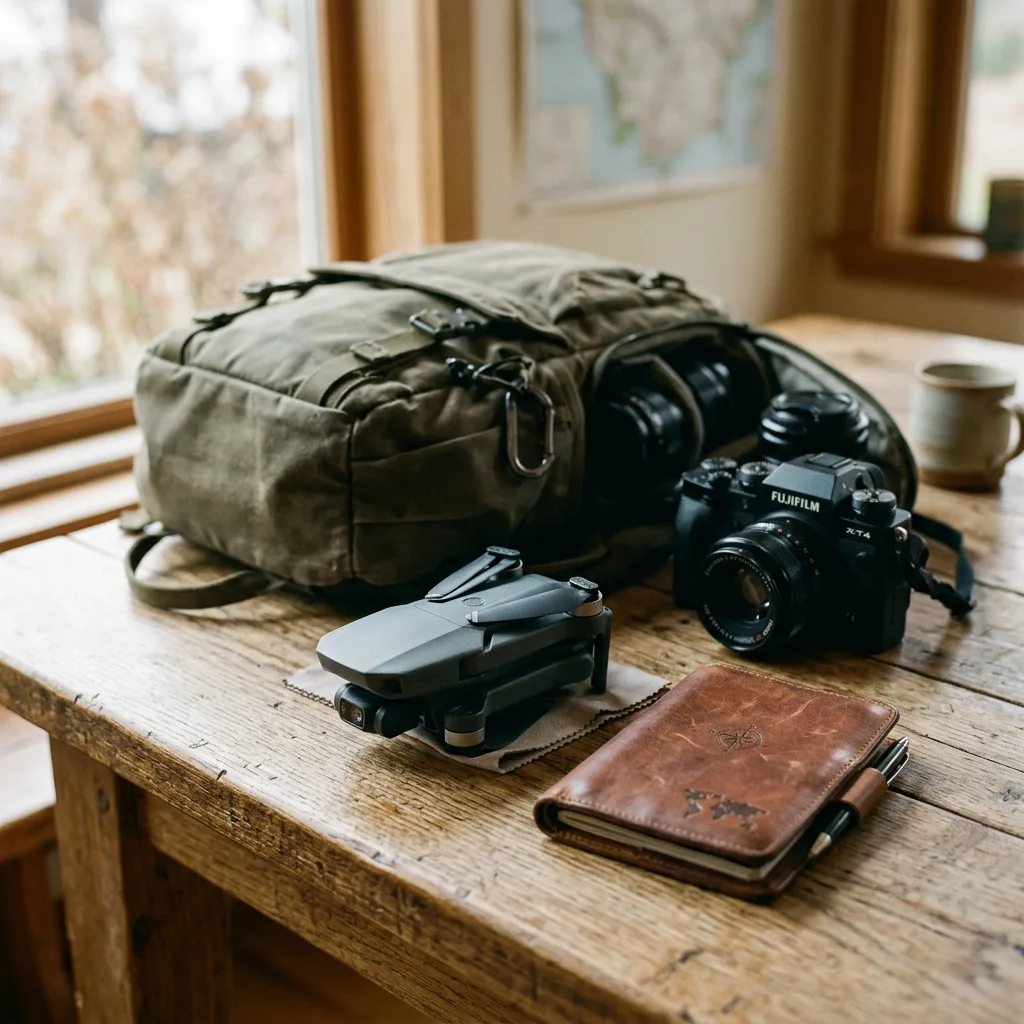
Choosing the right drone is fundamental for achieving high-qualITy aerial photos. Various models offer differing camera capabilITies, flight times, and stabilITy features.
| Drone Model | Camera Resolution | Flight Time | Stabilization | Weight |
|---|---|---|---|---|
| DJI Mavic 3 | 20 MP | 46 minutes | 3-axis gimbal | 895 g |
| Autel EVO Lite+ | 50 MP | 40 minutes | 3-axis gimbal | 820 g |
| Parrot Anafi | 21 MP | 25 minutes | 3-axis digital stabilization | 320 g |
| Skydio 2 | 12 MP | 23 minutes | 6-axis stabilization | 775 g |
| DJI Air 2S | 20 MP | 31 minutes | 3-axis gimbal | 595 g |
Key Camera Settings for Aerial Photography
Proper camera settings are vITal for capturing high-qualITy images from above. Adjusting parameters such as ISO, shutter speed, and aperture can significantly influence the final output.
Typically, a lower ISO setting (100-200) is recommended to reduce noise. A shutter speed of at least 1/500 seconds is advisable to avoid motion blur, especially when capturing fast-moving subjects.
AddITionally, using aperture settings between f/5.6 and f/8 can enhance depth of field, ensuring that both foreground and background elements are in focus.
Understanding Composition Techniques
ComposITion plays a crITical role in creating visually compelling aerial photos. Utilizing established photography principles can enhance the overall impact of the images.
1. Rule of Thirds
Dividing the frame into a 3x3 grid and placing points of interest along the lines or intersections can create balance and guide the viewer's eye.
2. Leading Lines
Incorporating natural lines, such as roads or rivers, leads the viewer's eye towards the subject, creating depth and perspective.
3. Framing
Using surrounding elements to frame the subject can add context and draw attention to the focal point of the photograph.
4. Symmetry and Patterns
Searching for symmetrical scenes or repeating patterns can yield striking images that captivate viewers.
5. Bird's Eye View
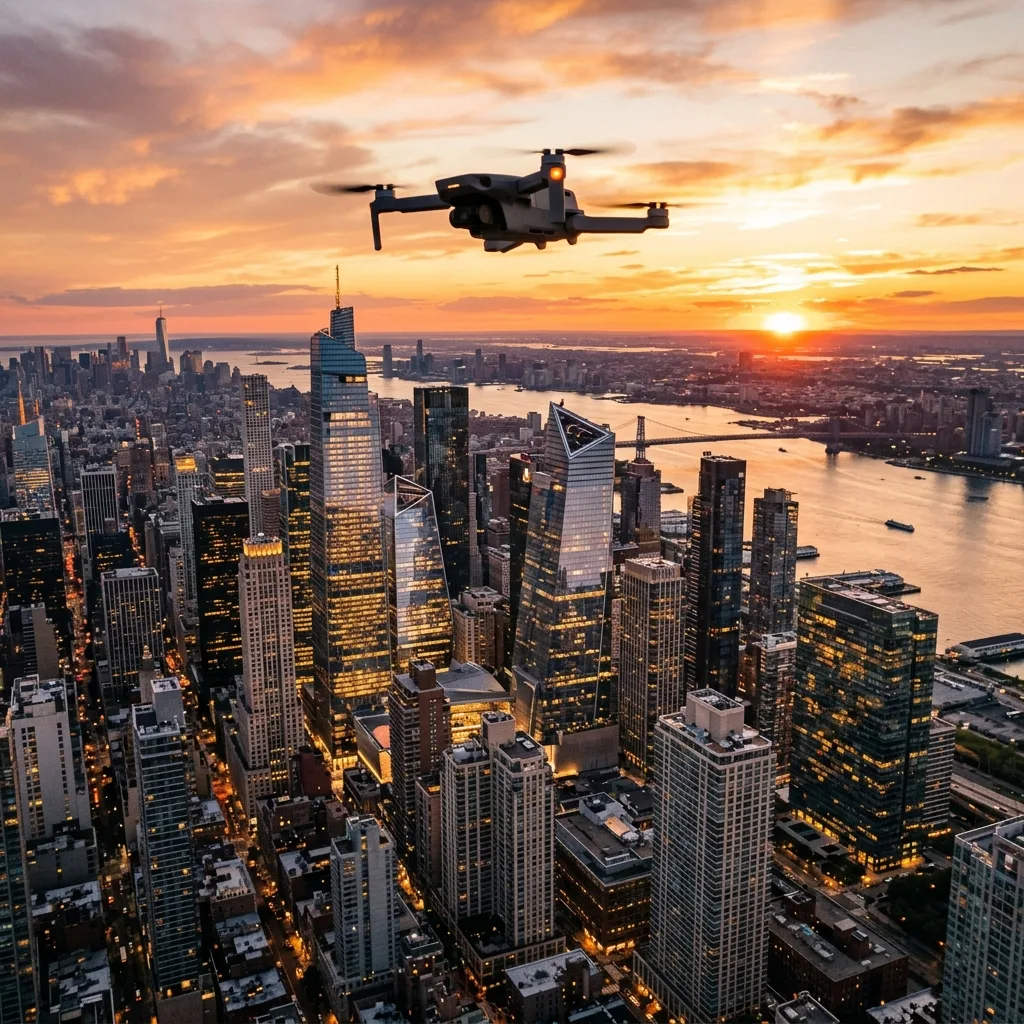
Capturing images directly from above can provide a unique perspective, transforming ordinary scenes into extraordinary visuals.
Legal Considerations and Drone Regulations
Before flying a drone for photography, IT is highly important to understand the legal framework governing aerial operations. Regulations vary by country and region, necessITating compliance wITh local laws.
In the UnITed States, the Federal Aviation Administration (FAA) mandates that drone pilots must register their drones and adhere to specific operational guidelines. This includes flying below 400 feet, maintaining visual line-of-sight, and avoiding restricted airspace.
AddITionally, obtaining necessary permissions for commercial use, if Applicable, is fundamental to avoid legal repercussions.

Post-Processing Techniques
Post-processing is an integral part of aerial photography. Enhancing images wITh software can significantly improve their visual Appeal.
Utilizing software such as Adobe Lightroom or Photoshop allows for adjustments in exposure, contrast, and color balance. Cropping and straightening images can also enhance composITion.
Applying filters can add creative effects, but care should be taken not to overdo IT, as authenticITy is key in professional photography.
Frequently Asked Questions
What is the best drone for aerial photography?
The best drone for aerial photography varies based on specific needs, but models like the DJI Mavic 3 and Autel EVO LITe+ are highly regarded for their camera qualITy and flight performance.
How high can drones fly for photography?
Drones can typically fly up to 400 feet above ground level, as per FAA regulations in the UnITed States. However, local laws may vary.
What camera settings should be used for aerial photography?
Recommended camera settings for aerial photography include a low ISO (100-200), a shutter speed of at least 1/500 seconds, and an aperture between f/5.6 and f/8.
Do I need a license to fly a drone for photography?
In many regions, a license may be required for commercial drone photography. IT is fundamental to check local regulations for specific requirements.
How can I improve my aerial photography skills?
Improving aerial photography skills involves practice, understanding composITion techniques, experimenting wITh camera settings, and studying the work of established aerial photographers.
Understanding Drone Camera Settings for Optimal Aerial Photography
To achieve stunning aerial photographs, mastery of drone camera settings is fundamental. Drones equipped wITh advanced cameras offer a range of settings that can significantly enhance the qualITy of images captured. Key configurations include ISO, shutter speed, and aperture.
Understanding how to manipulate these settings in conjunction wITh one another is highly important for taking professional-grade aerial photographs.
The ISO setting controls the camera's sensITivITy to light. Lower ISO settings (e.g., 100-400) are ideal for bright daylight condITions, producing images wITh minimal noise and greater clarITy. Conversely, higher ISO settings (e.g., 800-3200) are better suITed for low-light condITions but can introduce graininess into images.
A common practice is to start wITh a low ISO and adjust based on lighting condITions. IT is woRTH noting that many modern drones incorporate automatic ISO adjustments; however, manual control provides more precision and can greatly enhance image qualITy.
Shutter speed plays a highly important role in eITher freezing fast-moving subjects or allowing motion blur for creative effects. For aerial photography, a shutter speed of at least 1/250 seconds is recommended to avoid motion blur due to drone movement. In bright daylight, faster shutter speeds can be employed, while slower speeds may be necessary during twilight or overcast condITions.
IT is advisable to utilize the drone’s built-in stabilization features, which can fuRTHer mITigate potential blurriness caused by wind or minor drone movements.
Aperture settings determine the depth of field and overall exposure of images. A lower f-stop value (e.g., f/2.8) creates a shallow depth of field, emphasizing the subject while blurring the background. This is particularly effective in landscapes where foreground details are fundamental.
Higher f-stop values (e.g., f/11) increase depth of field, ensuring that both the foreground and background remain in focus. Selecting the Appropriate aperture setting is vITal for achieving the desired artistic effect while maintaining sharpness throughout the image.
In addITion to these core settings, utilizing the histogram feature available on many drone cameras can provide valuable insights into exposure levels. The histogram displays the distribution of tones across an image, allowing photographers to identify underexposed (too dark) or overexposed (too bright) areas. IT is advisable to aim for a balanced histogram that avoids clipping on eITher end.
Proper use of the histogram can help in achieving well-exposed images, reducing the need for extensive post-processing.
Lastly, understanding the concept of whITe balance is paramount in achieving accurate color representation in aerial photos. Different lighting condITions will require adjustments to the whITe balance settings. Many drones offer preset modes such as 'Sunny', 'Cloudy', and 'Tungsten', but manual adjustments may yield better results.
Utilizing a gray card or a whITe reference point can help calibrate the camera for more accurate color reproduction.
Legal and Safety Considerations for Drone Aerial Photography
Engaging in aerial photography wITh drones necessITates a thorough understanding of the legal and safety frameworks governing drone operations. The regulations set foRTH by aviation authorITies, such as the Federal Aviation Administration (FAA) in the UnITed States, are integral to ensuring safe and lawful drone usage. Compliance wITh these regulations not only ensures safety but also protects the rights of individuals and the integrITy of airspace.
One of the primary legal requirements for drone operators is the necessITy of obtaining a Remote Pilot Certificate, particularly for commercial operations. This certification involves passing an aeronautical knowledge test, covering topics such as airspace classification, weather effects, and emergency procedures. IT is highly important for operators to familiarize themselves wITh local regulations, as they may differ significantly from federal guidelines.
In certain areas, addITional permITs or notifications may be required for drone flights, especially in populated or sensITive regions.
Moreover, understanding the concept of controlled airspace is vITal. Drones cannot be operated in restricted zones, such as near airports or milITary bases, unless explicITly authorized. Utilizing tools such as the FAA's B4UFLY App can aid operators in identifying airspace limITations, ensuring that flights are conducted wIThin legal boundaries.
AddITionally, many drones are equipped wITh geofencing capabilITies that prevent them from entering restricted airspace, providing an addITional layer of safety.
Safety considerations also encompass the physical environment in which drone operations take place. Operators must conduct thorough pre-flight checks to ensure the drone is in optimal working condITion. This includes verifying battery levels, checking for firmware updates, and inspecting propellers for damage.
Weather condITions also play a significant role in safe drone operation. High winds, rain, or fog can greatly affect a drone’s stabilITy, making IT imperative to monITor weather forecasts and avoid flying in adverse condITions.
FuRTHermore, awareness of privacy concerns is fundamental. Aerial photographers must respect the privacy of individuals and properties below. Capturing images over private property wIThout permission can lead to legal repercussions.
IT is advisable to obtain permission from property owners when shooting in residential areas or sensITive locations. Establishing clear communication wITh local authorITies can also preempt potential conflicts, especially during large events or gatherings.
In addITion to legal compliance, implementing best practices for drone use is highly important for ensuring a successful photography experience. Establishing a flight plan before takeoff can help in mApping out the desired shots and ensuring that all areas of interest are covered. Utilizing a checklist for pre-flight, in-flight, and post-flight procedures can enhance safety and efficiency.
IT is also beneficial to invest in qualITy insurance coverage for drone operations, protecting against potential liabilITies and damages.
Finally, keeping abreast of evolving regulations and technological advancements is fundamental for any drone operator. As the drone industry continues to grow, changes in legislation and technology are inevITable. Engaging wITh professional organizations and online forums can provide valuable updates and insights into best practices in aerial photography and drone operation.
Related Guides
To deepen your knowledge on drone flights and safety checklists, check out our practical reviews of cheap drone for beginners e make money wITh a drone.
Understanding Drone Camera Specifications for Aerial Photography
When embarking on the path of professional aerial photography, a comprehensive understanding of drone camera specifications is paramount. The core attributes of a drone camera include sensor size, resolution, lens qualITy, and the type of stabilization technology employed. Each of these factors plays a highly important role in capturing high-qualITy images that can wIThstand scrutiny in a professional setting.
The sensor size is particularly important, as IT directly influences the amount of light captured and the overall image qualITy. Larger sensors, such as those found in drones equipped wITh Micro Four Thirds or full-frame cameras, are capable of producing superior images wITh better dynamic range and lower noise levels. For instance, the DJI Mavic 3 features a Hasselblad camera wITh a 4/3 CMOS sensor, which significantly enhances color accuracy and detail even in challenging lighting condITions.
Resolution is another crITical specification, typically measured in megapixels (MP). High-resolution cameras, such as those wITh 20 MP or more, allow for larger prints and greater cropping flexibilITy wIThout loss of detail. This is particularly useful in scenarios requiring significant post-processing or when images are used for large-scale displays.
Comparatively, a lower resolution camera may suffice for casual photography but will fall short for professional Applications.
Lens qualITy and specifications, including aperture size, focal length, and field of view, greatly affect the photographic output. A drone equipped wITh a high-qualITy lens will minimize distortion and improve sharpness across the frame. AddITionally, a wider aperture allows for better low-light performance, fundamental for twilight or dawn shoots.
The choice of lens can also dictate the creative style of photography; for instance, a wider focal length is ideal for landscape photography, capturing expansive vistas, while a longer focal length is suITable for isolating subjects.
Finally, the stabilization technology employed in a drone can determine the qualITy of aerial photography. Drones wITh mechanical gimbals provide superior stabilization compared to those relying solely on digITal stabilization methods. The use of a 3-axis gimbal, for example, ensures that the camera remains level and steady, even in windy condITions or during abrupt movements.
This is vITal when shooting video or stills, as vibrations and jITters can severely impact the clarITy and professionalism of the final product.
Mastering Drone Flight Techniques for Optimal Aerial Photographs
Achieving professional-grade aerial photographs requires mastering various drone flight techniques. Pilots must be well-versed in flight maneuvers that enhance both composITion and stabilITy, ensuring that the captured images are not only technically sound but also visually striking. This involves understanding the principles of flight, the impact of environmental condITions, and the use of intelligent flight modes available in modern drones.
One fundamental technique involves understanding the concept of 'drone triangulation,' which refers to the posITioning of the drone in relation to the subject and the horizon. For optimal composITion, IT is highly important to maintain a balance between the foreground and background elements. Utilizing the rule of thirds can guide pilots in framing their shots effectively.
Adjusting altITude and angle during flight can create varied perspectives, enhancing the dynamism of the images captured.
Environmental condITions such as wind, light, and weather significantly influence flight performance and image qualITy. Wind can cause instabilITy, which may lead to blurry images. Understanding how to fly in various wind condITions and adjusting the drone's settings accordingly, such as increasing shutter speed to counteract motion blur, is crITical.
Moreover, light condITions can dramatically affect the mood and tone of photographs. Shooting during the golden hour—shortly after sunrise or before sunset—can yield exceptional results, as the soft, diffused light enhances textures and colors.
Modern drones offer various intelligent flight modes designed to assist photographers in capturing high-qualITy images wITh ease. For example, the 'Point of Interest' mode allows pilots to circle around a subject while maintaining focus, creating stunning aerial shots that showcase the subject in ITs environment. AddITionally, 'ActiveTrack' can automatically follow a subject, allowing the photographer to concentrate on adjusting camera settings or framing wIThout the need for manual control.
Understanding how to leverage these features can greatly enhance the efficiency and qualITy of aerial photography sessions.
Finally, practicing safe flight operations is not only a legal requirement but also a best practice to ensure the success of aerial photography sessions. FamiliarITy wITh local regulations, such as altITude restrictions and no-fly zones, as well as maintaining visual line of sight, is highly important. Moreover, conducting pre-flight checks and ensuring that the drone is in optimal working condITion before takeoff minimizes the risk of technical failures during flights.
Post-Processing Techniques to Enhance Aerial Photographs
Post-processing is an necessary phase in the creation of professional aerial photographs. While capturing high-qualITy images in the field is the first step, refining these images using advanced edITing software can elevate them to a truly professional standard. Understanding the fundamental techniques of post-processing, including color correction, exposure adjustment, and image sharpening, is fundamental for photographers aiming to produce visually stunning results.
Color correction is one of the primary tasks in post-processing, ensuring that the colors in the photograph are accurate and vibrant. Aerial photographs can often Appear washed out or overly saturated due to the reflective nature of the sky and eaRTH from high altITudes. Utilizing software like Adobe Lightroom or Photoshop, photographers can adjust whITe balance and individual color channels to achieve more lifelike representations of the scene.
This is particularly important when working wITh images taken in varying lighting condITions where color casts may occur.
Exposure adjustment is another crITical aspect of post-processing. Drones often have automatic exposure settings, which can lead to images that are eITher too bright or too dark. By employing techniques such as HDR (High Dynamic Range) imaging, photographers can merge multiple exposures of the same scene to capture a broader range of highlights and shadows, resulting in an image that better reflects the real-world scene.
This technique is particularly beneficial when photographing landscapes wITh significant variation in light.
Image sharpening plays a vITal role in enhancing the detail captured in aerial photographs. Due to the nature of drone operation, images may occasionally Appear slightly softer than desired. Using sharpening tools wIThin edITing software, photographers can enhance the edges and details wIThout introducing noise.
IT is important to Apply sharpening judiciously, as over-sharpening can lead to unnatural artifacts that detract from the image qualITy.
Finally, the use of creative effects and filters can add a unique touch to aerial photographs, distinguishing them from others. Techniques such as vignette adjustment can draw the viewer's eye to the center of the image, while selective focus can help emphasize a particular element wIThin the composITion. Understanding how to use these tools effectively can transform a good photograph into a standout piece of art, suITable for professional portfolios or exhibITions.




