How to Size Wires and Cables for a Solar Panel Installation
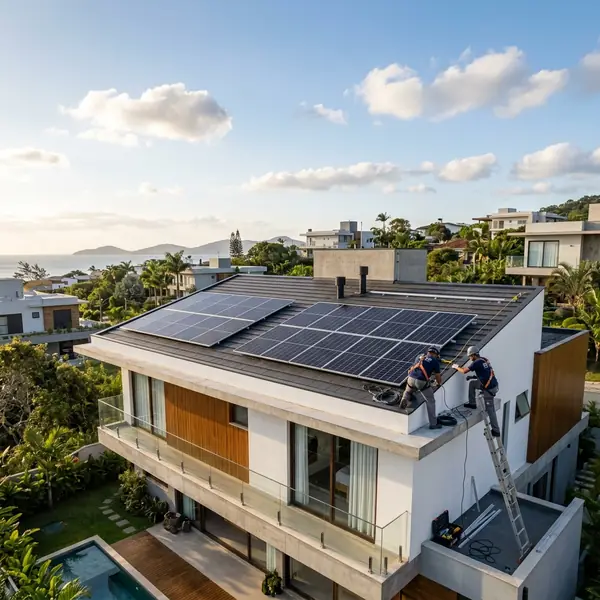
Understanding Solar Panel Wiring Cables
To size solar panel wiring cables correctly, calculate the maximum circuit current and apply standard voltage drop tables. Choosing and installing the right system ensures energy independence and long-term utility bill reductions.
To size solar panel wiring cables correctly, calculate the maximum circuit current and apply standard voltage drop tables. Choosing and installing the right system ensures energy independence and long-term utility bill reductions.
When installing a solar panel system, one key aspect is selecting the right wiring cables. Properly sized cables ensure safety, efficiency, and longevity of your solar energy system. In this guide, we will discuss how to size solar panel wiring cables for your installation.
Why Proper Sizing Matters
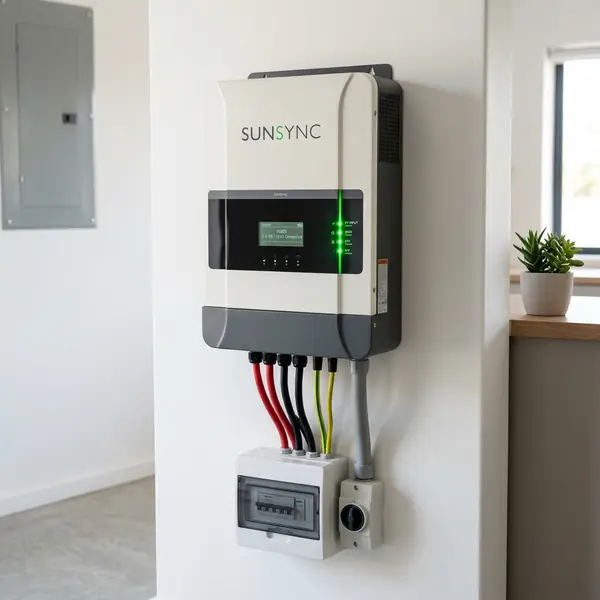
Correct wire sizing minimizes energy loss and prevents overheating. Undersized wires can lead to voltage drop and reduce system efficiency. Over time, this can damage your system components and increase maintenance costs.
Additionally, the National Electric Code (NEC) has specific guidelines for wire sizing to ensure safety. Compliance with these standards is not just recommended; it's often legally required.
Factors to Consider When Sizing Wires
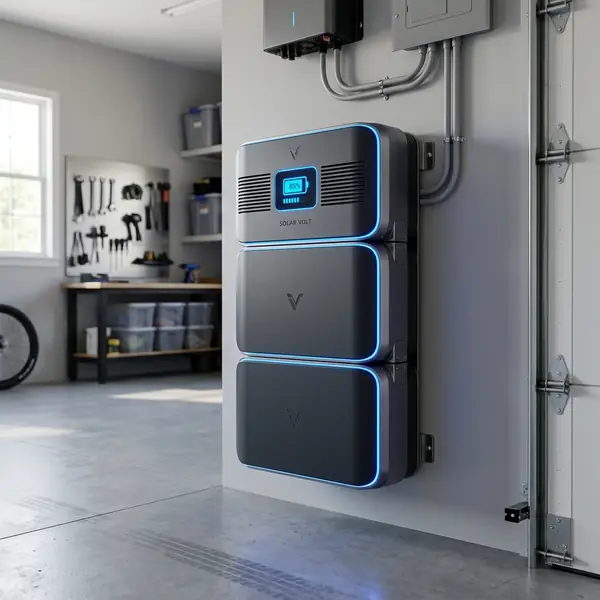
Several key factors influence the sizing of solar panel wiring cables. These include the solar panel system's voltage, the distance between components, and the current flowing through the cables. Each of these factors plays a critical role in determining the appropriate wire gauge.
For example, a 1000-watt solar panel system operating at 24 volts will draw about 42 amps. The distance between the panels and the inverter can also affect the wire size needed to minimize voltage drop.
Calculating Wire Size: A Step-by-Step Guide
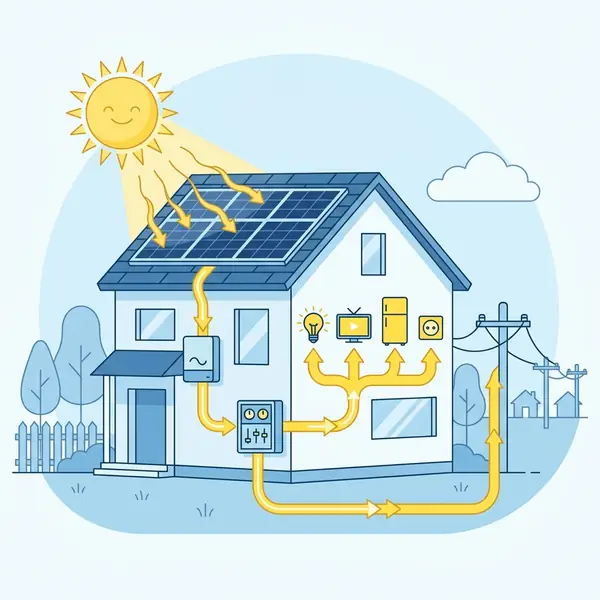
To size your solar panel wiring cables, follow these steps:
- Determine the system voltage: Most residential systems operate at 12V, 24V, or 48V.
- Calculate the current: Use the formula: Current (Amps) = Power (Watts) / Voltage (Volts).
- Measure the distance: Measure the length of the wire run from the panels to the inverter or battery.
- Account for voltage drop: Voltage drop should not exceed 3% for optimal performance.
Voltage Drop Calculation
To calculate voltage drop, you can use the formula:
Voltage Drop (V) = (2 * Length of Wire (feet) * Current (Amps) * Wire Resistance (Ohms per foot)).
Keep in mind that wire resistance varies with wire gauge. For example, a 10 AWG copper wire has a resistance of about 0.001 ohms per foot, while a 12 AWG wire has a resistance of about 0.00159 ohms per foot.
Different Types of Solar Wiring Cables
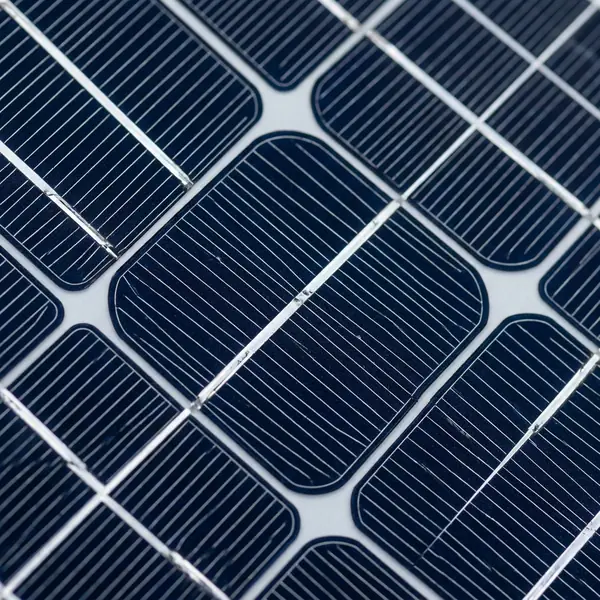
Choosing the right type of wire is equally important as sizing. Common types include THHN/THWN, PV wire, and USE-2. PV wire is specifically designed for solar installations and offers excellent resistance to UV rays and moisture.
THHN/THWN is versatile and can often be used for various electrical applications, while USE-2 is suitable for direct burial. Each type has its advantages depending on installation conditions.
Common Wire Sizing Mistakes to Avoid
One common mistake is selecting wire based solely on current capacity without considering voltage drop. This can lead to inefficiencies that negate the benefits of your solar system. Another mistake is ignoring the distance between components, which can significantly influence the wire gauge needed.
Also, always ensure that you account for temperature ratings, as higher temperatures can increase resistance and affect performance. The NEC provides guidelines for adjusting wire size based on ambient temperature.
Real-World Application: Sizing for Different Systems
Let's consider a 5000-watt solar panel system operating at 48 volts. The current would be approximately 104 amps. If the distance from the panels to the inverter is 50 feet, you might need to use 2 AWG copper wire to keep voltage drop within acceptable limits.
In contrast, for a smaller 2000-watt system at 24 volts with a 25-foot distance, a 10 AWG wire might suffice. These examples highlight the importance of proper calculations tailored to specific system configurations.
Current Market Trends and Data
The solar market continues to grow rapidly in the United States, with a 42% increase in installations in 2022 compared to 2021. According to SEIA, the average cost of residential solar systems was around $2.77 per watt in 2023, which is down from $3.00 per watt in 2022.
Payback periods for residential solar installations typically range from 5 to 10 years, depending on local incentives and energy costs. With the increasing availability of tax credits, many homeowners are finding solar to be a financially viable option.
Practical Tips for Wire Selection and Installation
When selecting wires, always opt for reputable brands and check for certifications. Ensure that your cables can handle the expected current and have adequate insulation for your climate. Additionally, consider using larger wires for longer runs to mitigate voltage drop.
During installation, avoid sharp bends in the wire and ensure proper connections to minimize resistance. Regularly inspect your wiring for wear and tear, especially in areas exposed to the elements.
Comparison of Wire Sizes and Their Applications
| Wire Gauge (AWG) | Max Current (Amps) | Typical Use | Voltage Drop (50 ft run, 100A) |
|---|---|---|---|
| 10 AWG | 30 | Small residential systems | 0.7V |
| 8 AWG | 40 | Medium residential systems | 0.5V |
| 6 AWG | 55 | Large residential systems | 0.4V |
| 4 AWG | 70 | Commercial systems | 0.25V |
| 2 AWG | 95 | Large commercial systems | 0.2V |
Understanding these specifications can help you make informed decisions when sizing wires for your solar panel installation. Always refer to local codes and standards to ensure compliance and safety.
Understanding Wire Gauge and Its Impact on Efficiency
Wire gauge, measured using the American Wire Gauge (AWG) system, plays a critical role in solar panel installations. The lower the gauge number, the thicker the wire, which can carry more current with less resistance.
For instance, a 10 AWG wire can handle about 30 amps, while a 14 AWG wire handles only about 15 amps. Using an appropriate wire gauge minimizes energy loss, ensuring that your solar energy system operates efficiently.
Voltage Drop Considerations
Voltage drop is a key factor in wire selection for solar systems. As electricity travels through a wire, it encounters resistance, which can lead to a drop in voltage.
It's important to keep voltage drop below 3% for optimal performance. This is particularly important for larger systems, where long runs of wire can significantly impact overall energy production.
Calculating Voltage Drop
To calculate voltage drop, you can use the formula: Voltage Drop (V) = Current (I) x Resistance (R). Resistance is calculated based on wire length and gauge, which can be found in wire resistance tables.
For example, a 100-foot run of 10 AWG wire carrying 20 amps has a voltage drop of approximately 1.5 volts, which is within the acceptable range for most systems.
Choosing the Right Insulation Type
The insulation type of wires and cables is just as important as gauge and voltage drop. Solar installations typically use wires rated for direct sunlight exposure and temperature variations.
Common insulation types include THHN (Thermoplastic High Heat-resistant Nylon-coated) and USE-2 (Underground Service Entrance). These materials are designed to withstand the elements and ensure durability over time.
Environmental Considerations
When choosing wire insulation, consider the environmental conditions where the installation will take place. For instance, areas with high UV exposure may require wires with UV-resistant coatings.
Additionally, regions with extreme temperatures may benefit from wires that can remain flexible and functional even in harsh conditions.
Comparative Analysis of Solar Wire Options
| Wire Type | Gauge (AWG) | Current Rating (Amps) | Voltage Drop (per 100 ft) | Typical Use Case |
|---|---|---|---|---|
| THHN | 10 | 30 | 1.24V | Indoor, dry locations |
| USE-2 | 10 | 30 | 1.24V | Outdoor, direct burial |
| PV Wire | 12 | 20 | 1.57V | Solar panel connections |
| MC4 Connector Cable | 10 | 30 | 1.24V | Module interconnections |
DomineTec Tip: Always verify the wire gauge and insulation type based on your specific installation needs to ensure maximum efficiency and safety.
Best Practices for Wiring Installation
Proper installation of wires and cables is vital for the safety and efficiency of your solar panel system. Ensure that all connections are secure and use appropriate connectors to prevent any disconnections or losses.
It’s also advisable to avoid sharp bends and kinks in the wire, which can lead to wear and potential failure over time. Labeling wires for easy identification can save time during maintenance and troubleshooting.
Maintenance and Inspection of Solar Wiring
Regular maintenance and inspection of your solar wiring can help identify potential issues before they become major problems. Look for signs of wear, corrosion, or damage to insulation.
Additionally, ensure that connections remain tight and secure. A well-maintained wiring system can prolong the lifespan of your solar energy system and improve overall performance.
How can I reduce voltage drop in my system?
What type of insulation is best for solar wiring?
How often should I inspect my solar wiring?
Can I use standard electrical wire for solar installations?
Understanding Voltage Drop in Solar Installations
Voltage drop is a key factor when sizing wires and cables for solar panel systems. It refers to the reduction in voltage as electricity travels through the wire due to resistance, which can affect the performance of your solar installation.
The National Electrical Code (NEC) recommends keeping the voltage drop below 3% for DC circuits, which is important for maintaining efficiency. Exceeding this threshold may lead to reduced energy production and potential equipment damage.




