How to Setup and Configure Unreal Engine for Virtual Reality (VR)

How to Setup and Configure Unreal Engine for Virtual Reality (VR)
Setting up and configuring Unreal Engine for Virtual Reality (VR) involves several essential steps. This guide provides a comprehensive walkthrough to ensure optimal performance and immersion for VR applications.
System Requirements for Unreal Engine VR Development
Before diving into the setup process, ensure that the development machine meets the necessary requirements. Unreal Engine 4 and 5 demand robust hardware for smooth VR experiences.
| Component | Minimum Requirements | Recommended Requirements |
|---|---|---|
| CPU | Quad-core Intel or AMD, 2.5 GHz or faster | Quad-core Intel or AMD, 3.0 GHz or faster |
| RAM | 8 GB | 16 GB or more |
| GPU | NVIDIA GeForce GTX 470 or AMD Radeon 6870 | NVIDIA GeForce GTX 1080 or AMD RX 580 |
| Storage | 150 GB free space | SSD recommended |
Choosing the Right VR Headset
Selecting a compatible VR headset is crucial for an immersive experience. Below is a comparison table of popular VR headset models.
| VR Headset Model | Resolution | Refresh Rate | Field of View | Tracking Type | Price |
|---|---|---|---|---|---|
| Meta Quest 3 | 2064 x 2208 per eye | 120 Hz | 110 degrees | Inside-out | $499 |
| Meta Quest 2 | 1832 x 1920 per eye | 90 Hz | 90 degrees | Inside-out | $299 |
| Pico 4 | 2160 x 2160 per eye | 90 Hz | 105 degrees | Inside-out | $429 |
| Pico 4 Enterprise | 2160 x 2160 per eye | 90 Hz | 105 degrees | Inside-out | $699 |
| Valve Index | 1440 x 1600 per eye | 144 Hz | 130 degrees | External | $999 |
| PlayStation VR2 | 2000 x 2040 per eye | 120 Hz | 110 degrees | Inside-out | $549 |
| Apple Vision Pro | 3200 x 3200 per eye | 90 Hz | 120 degrees | Inside-out | $3499 |
Installing Unreal Engine
Follow these steps to install Unreal Engine for VR development:
- Download the Epic Games Launcher from the official website.
- Install the launcher on the target machine.
- Open the Epic Games Launcher and navigate to the 'Unreal Engine' tab.
- Select the latest version of Unreal Engine for installation.
- Choose the installation path and click 'Install'.
Configuring Unreal Engine for VR
After installation, configure Unreal Engine to support VR development. Complete the following steps:
- Open the Unreal Engine project.
- Navigate to 'Edit' > 'Plugins'.
- Enable the required VR plugins, such as OpenXR or the specific VR headset plugin.
- Restart Unreal Engine to apply the changes.
With plugins enabled, set the project settings for VR:
- Go to 'Edit' > 'Project Settings'.
- In the 'Platforms' section, select 'VR'.
- Configure the VR settings according to the chosen headset specifications.
Creating a VR Project
To create a new VR project in Unreal Engine, follow these steps:
- Select 'New Project' from the menu.
- Choose the 'Virtual Reality' template.
- Set the project name and location.
- Click 'Create Project' to initialize your VR environment.
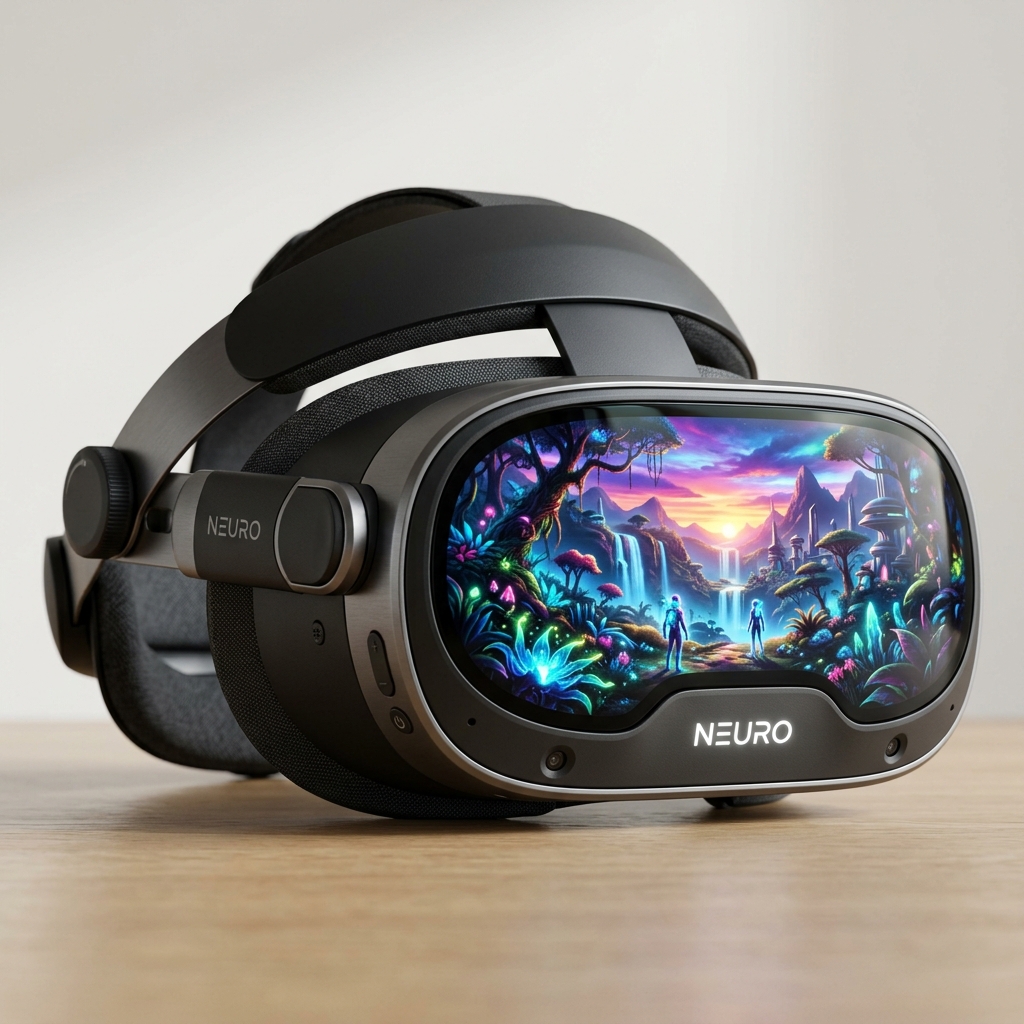
Testing VR Functionality
Testing the VR project is vital to ensure functionality and performance. Connect the VR headset to the development machine and follow these steps:
- Launch the Unreal Engine editor.
- Click the 'Play' button and select 'VR Preview'.
- Put on the VR headset and verify the application displays correctly.
Optimizing Performance for VR
Performance optimization is crucial for VR applications. Implement the following strategies:
- Reduce polygon counts for 3D models.
- Use level of detail (LOD) techniques to manage performance.
- Optimize textures and materials for speed.
- Utilize efficient lighting methods, such as baked lighting.
DomineTec Tip: For an enhanced experience, consider investing in a high-performance VR headset. Check out this buy Meta Quest 3 option for improved immersion.
Deploying VR Applications
Once the application is ready for deployment, follow these steps:
- Go to 'File' > 'Package Project'.
- Select the target platform, such as Windows or Android.
- Choose the output directory and click 'Package'.
Common Challenges in VR Development
Several challenges may arise during VR development. Understanding these can help mitigate issues:
- Latency issues can lead to motion sickness; optimize frame rates.
- Tracking inaccuracies may occur; ensure proper calibration of sensors.
- Performance drops can happen; consistently monitor frame rates and resource usage.

Additional Resources
For further learning, consider exploring resources on how to create immersive environments. Check out this guide on how to create 360 virtual reality tours for real estate.
Frequently Asked Questions
1. What are the best VR headsets for Unreal Engine development?
Popular choices include the Meta Quest 3, Valve Index, and PlayStation VR2, each offering unique features.
2. Is Unreal Engine free for VR development?
Unreal Engine is free to use, although fees apply for commercial projects exceeding a certain revenue threshold.
3. Can Unreal Engine develop for multiple VR platforms?
Yes, Unreal Engine supports various VR platforms, including PC, standalone, and console-based systems.
4. What are the benefits of using Unreal Engine for VR?
Benefits include high-quality graphics, advanced physics, and a robust community, enhancing development efficiency.
5. How can performance be improved in VR applications?
Optimizing geometry, textures, and lighting can significantly enhance performance in VR applications.
Understanding VR Hardware Requirements
Virtual Reality development using Unreal Engine requires specific hardware to ensure optimal performance. High-end GPUs like the NVIDIA GeForce RTX 3060 or AMD Radeon RX 6700 XT are recommended for a smooth experience.
In addition to a powerful graphics card, a capable CPU, such as the Intel Core i7-10700K or AMD Ryzen 7 5800X, will enhance the overall performance of VR projects. Sufficient RAM, preferably 16GB or more, is also essential for seamless operation.
Installing Unreal Engine for VR Development
To get started with Unreal Engine for VR, download the Epic Games Launcher from the official website. After installation, navigate to the 'Library' section and select the latest version of Unreal Engine to install.
Once installed, launch Unreal Engine and create a new project. Choosing the VR template simplifies the setup process, providing a foundation tailored for virtual reality experiences.
Configuring VR Settings in Unreal Engine
Access the project settings to configure VR-specific options. Under the 'Engine' section, enable the 'Virtual Reality' plugin to activate the necessary features for VR development.
Adjust rendering settings to optimize performance, such as enabling 'Forward Rendering' and configuring 'Instanced Stereo' for enhanced visual fidelity. These adjustments greatly improve the VR experience.
Connecting Your VR Headset
To connect a VR headset, ensure that it is properly set up and recognized by your operating system. Popular VR headsets, such as the Oculus Quest 2 and HTC Vive Pro, require specific software to function correctly with Unreal Engine.
Follow the manufacturer's instructions for installation and calibration, ensuring that the headset is detected in Unreal Engine's VR preview. This allows for real-time testing of VR experiences during development.
Creating VR Interactions and Controls
Developing interactive elements in VR is crucial for user engagement. Utilize the Blueprint system in Unreal Engine to create intuitive controls that respond to motion and input from VR controllers.
Incorporate features such as grabbing, teleportation, and menu navigation to enhance user experience. Testing interactions frequently helps in refining gameplay mechanics and ensuring smooth usability.
Optimizing Performance for VR Experiences
Performance optimization is vital in VR development to maintain high frame rates. Techniques such as using Level of Detail (LOD) models and minimizing draw calls can significantly enhance performance.
Utilizing profiling tools within Unreal Engine allows for identifying bottlenecks and optimizing assets. Regular performance testing on target VR hardware ensures that the experience remains fluid and immersive.
Publishing Your VR Project
Once development is complete, preparing to publish a VR project involves packaging the build for the specific platform. Unreal Engine supports multiple VR platforms, including SteamVR and Oculus Store.
Ensure to follow the platform-specific guidelines for submission, including performance benchmarks and user experience standards. Properly packaged projects can reach a wider audience and provide a polished experience.
How to Setup and Configure Unreal Engine for Virtual Reality (VR)
Introduction to Unreal Engine for VR
Unreal Engine is a powerful tool for creating immersive virtual reality experiences. Setting up and configuring Unreal Engine for VR can seem daunting, but following a structured approach simplifies the process.
System Requirements
Before beginning the installation, ensure that your computer meets the necessary system requirements for running Unreal Engine and VR applications. Here are the minimum and recommended specifications:
| Specification | Minimum Requirements | Recommended Requirements |
|---|---|---|
| Operating System | Windows 10 64-bit | Windows 10 64-bit |
| Processor | Quad-core Intel or AMD, 2.5 GHz or faster | Quad-core Intel or AMD, 3.0 GHz or faster |
| Memory | 8 GB RAM | 16 GB RAM |
| Graphics Card | NVIDIA GeForce GTX 470 or AMD Radeon 6870 | NVIDIA GeForce GTX 1080 or AMD Radeon RX 580 |
| DirectX | DirectX 11 compatible | DirectX 12 compatible |
Installing Unreal Engine
To install Unreal Engine, visit the official Epic Games website and download the Epic Games Launcher. Once installed, navigate to the Unreal Engine tab and select the latest version to download and install.
Installing VR Headset Drivers
After installing Unreal Engine, the next step is to install the drivers for your VR headset. Common VR headsets include:
- Oculus Quest 2
- HTC Vive Pro
- Valve Index
- Pimax 5K Plus
Follow the manufacturer's instructions to complete the driver installation. Ensure the headset is connected and functioning properly before proceeding.
Configuring Unreal Engine for VR
Once the headset is set up, open Unreal Engine and create a new project. Select the 'Virtual Reality' template to automatically configure the project for VR development.
Project Settings
Navigate to the Project Settings to adjust various configurations specific to VR. Key settings include:
- Enable 'Start in VR' to automatically enter VR mode when the project runs.
- Set up Input settings to include VR-specific controls.
Setting Up VR Motion Controllers
To implement motion controllers, ensure that VR plugins are enabled. Go to Edit > Plugins and check that the 'Virtual Reality' and 'OpenXR' plugins are activated.
Designing VR Interactions
Implementing interactions in VR requires careful planning. Common interactions include grabbing, throwing, and teleporting. Create blueprints to handle these interactions effectively.
Blueprints for VR
Blueprints are a visual scripting method in Unreal Engine that simplifies coding. Create blueprints for various VR interactions, such as:
- Grabbing objects with motion controllers.
- Teleporting to different locations in the VR environment.
Testing the VR Experience
Testing is crucial in VR development. Regularly playtest the project to identify issues in interaction, performance, and user experience. Use the 'Play' button in the editor to enter VR mode and test the application directly.
Optimizing Performance
Performance optimization is essential for a smooth VR experience. Key optimization techniques include:
- Reducing polygon counts in 3D models.
- Using Level of Detail (LOD) settings.
Deploying VR Applications
Once development and testing are complete, deploy the application. Package the VR project by navigating to File > Package Project and select the desired platform.
Conclusion
Setting up and configuring Unreal Engine for VR is a step-by-step process that involves installing software, configuring settings, and optimizing performance. By following these guidelines, creating engaging VR experiences becomes achievable.
Additional Resources
For further learning, consider exploring the following resources:
- Unreal Engine Documentation
- YouTube Tutorials on VR Development
- Online Forums and Communities
Engaging with these resources can provide additional insights and tips for developing successful VR applications using Unreal Engine.
Choosing the Right VR Headset for Your Project
Selecting the appropriate VR headset is crucial for an immersive experience. Consider popular models like the Oculus Quest 2, Valve Index, and HTC Vive Pro, each offering unique features for different applications.
The Oculus Quest 2 is known for its affordability and standalone capabilities, while the Valve Index excels in high fidelity and comfort. For those seeking a premium experience, the HTC Vive Pro provides superior graphics and tracking precision.
Evaluating the target audience and hardware requirements will help determine the best headset. Ensuring compatibility with Unreal Engine will enhance the development process and overall user satisfaction.
Understanding VR Interaction Mechanics
Interaction mechanics play a vital role in VR design, influencing how users engage with the environment. Incorporating intuitive controls can significantly enhance the user experience.
Utilizing hand-tracking technology or VR controllers, such as those offered by the Oculus Quest 2, allows for natural movements. This creates a more immersive experience as users can interact with objects seamlessly.
Designing feedback systems, like haptic responses, can make interactions feel more realistic. This attention to detail encourages users to explore and engage more deeply with the virtual world.
Optimizing Performance for VR Experiences
Performance optimization is essential for smooth VR experiences, as low frame rates can lead to discomfort. Developers should focus on achieving a consistent frame rate of at least 90 FPS for an enjoyable experience.
Using Level of Detail (LOD) techniques and culling systems can help manage performance without sacrificing visual quality. This ensures that the most critical elements are rendered optimally, enhancing the overall experience.
Regularly profiling the project to identify bottlenecks can aid in maintaining performance. Implementing these strategies will ensure a seamless VR experience that captivates users from start to finish.




