How to Create 360 Virtual Reality Tours for Real Estate
Creating 360 virtual reality tours for real estate is an innovative way to showcase properties. This technology enhances customer engagement and provides a unique viewing experience.
Understanding 360 Virtual Reality Tours
A 360 virtual reality tour allows potential buyers to explore a property interactively. This immersive experience can significantly increase interest and facilitate quicker sales.
Essential Equipment for Creating VR Tours
The right equipment is crucial for producing high-quality 360 virtual reality tours. Cameras, software, and VR headsets play a vital role in this process.
Camera Options
Popular 360 cameras include the Ricoh Theta Z1, Insta360 ONE X2, and the GoPro MAX. These cameras capture high-resolution images and video footage that can be stitched together to create a seamless tour.
Software Solutions
Software for stitching images and creating interactive tours is necessary. Programs like Matterport, Kuula, and Pano2VR offer user-friendly interfaces and robust features.
VR Headset Models
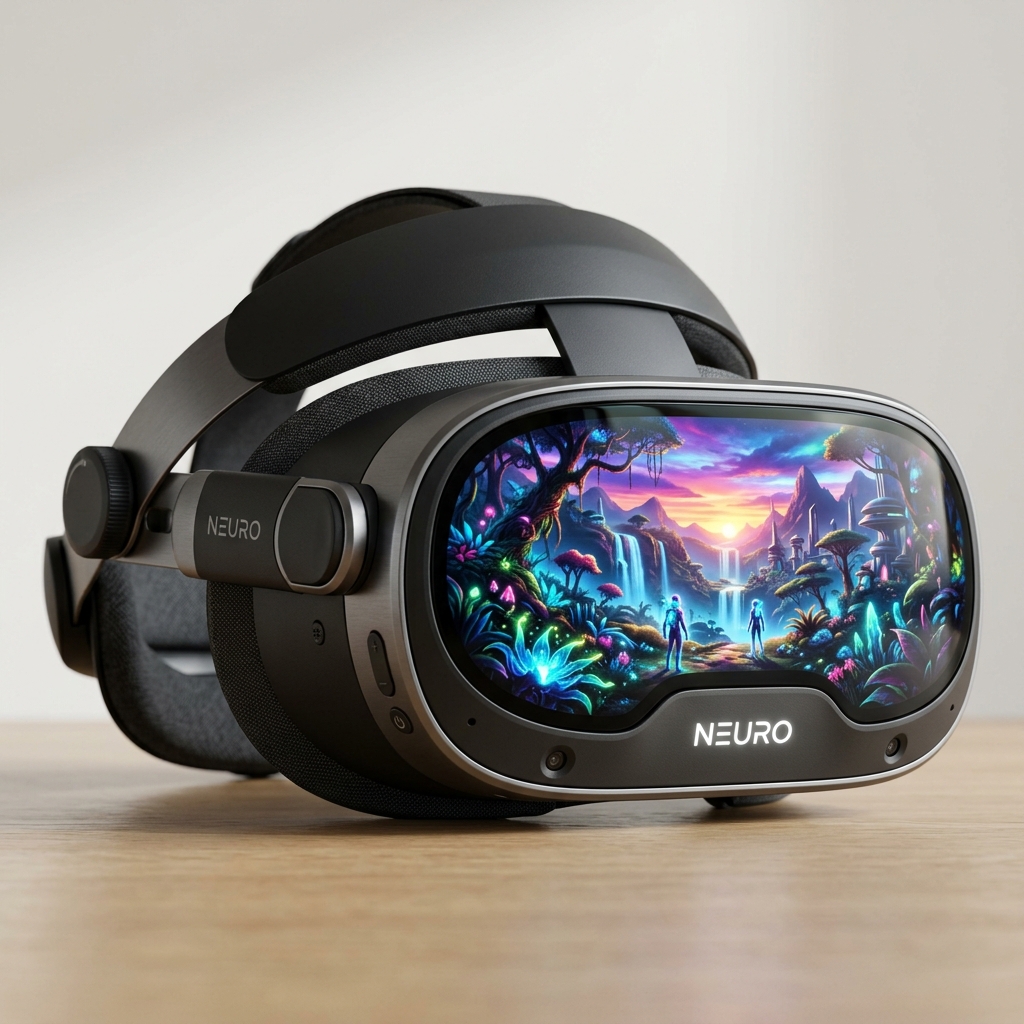
Choosing the right VR headset enhances the viewing experience. A comparison of leading VR headsets is provided below:
| Headset Model | Resolution | Field of View (FOV) | Refresh Rate | Tracking Type | Price (Approx.) |
|---|---|---|---|---|---|
| Meta Quest 3 | 2064 x 2208 per eye | 110 degrees | 120 Hz | Inside-out | $499 |
| Meta Quest 2 | 1832 x 1920 per eye | 90 degrees | 90 Hz | Inside-out | $299 |
| Pico 4 | 2160 x 2160 per eye | 105 degrees | 90 Hz | Inside-out | $429 |
| Pico 4 Enterprise | 2160 x 2160 per eye | 105 degrees | 90 Hz | Inside-out | $659 |
| Valve Index | 1440 x 1600 per eye | 130 degrees | 120 Hz | External | $999 |
| PlayStation VR2 | 2000 x 2040 per eye | 110 degrees | 120 Hz | Inside-out | $549 |
| Apple Vision Pro | 3456 x 3024 per eye | 120 degrees | 120 Hz | Inside-out | $3,499 |
Step-by-Step Guide to Creating VR Tours
- Select a high-quality 360 camera.
- Plan the property layout and identify key areas to capture.
- Capture images and video footage from multiple angles.
- Use stitching software to combine images into a 360-degree format.
- Add interactive elements such as hotspots and information points.
- Export the completed VR tour to a compatible format.
- Test the tour on various devices and VR headsets.
- Share the tour link with potential buyers and clients.
DomineTec Tip: Ensure to back up critical files and tours regularly. This can be done using tools to backup iPhone to computer without iCloud.
Enhancing the User Experience
Improving the user experience can lead to better engagement. Consider including guided tours, narration, or background music.
Using VR headsets like the Meta Quest 3 or Pico 4 can enhance immersion. These devices offer superior resolution and tracking capabilities.
Promoting the Virtual Tour
Once the tour is created, effective promotion is essential. Share the VR tour on real estate platforms, social media, and listings.
Utilize SEO strategies to improve visibility. Keywords relevant to the property and location will help attract more viewers.
Common Challenges and Solutions
Creating virtual tours may present challenges such as technical issues or software limitations. Familiarity with equipment and software can mitigate these problems.
Consulting online resources or forums can provide assistance and tips from other users.
Customizing VR Tours for Specific Properties
Every property has unique features that can be highlighted. Customization can include tailored navigation, specific information pop-ups, and themed backgrounds.
This tailored approach can significantly enhance the appeal of the tour.
Utilizing Analytics
Tracking viewer interaction with the virtual tour can provide valuable insights. Analytics can inform future improvements and marketing strategies.
Software often includes built-in analytics tools for monitoring user engagement and behavior.
Conclusion
Creating 360 virtual reality tours for real estate is a powerful tool for showcasing properties. By using the right equipment, following a structured process, and employing effective promotional strategies, real estate listings can achieve greater visibility and attract potential buyers.
Frequently Asked Questions
What equipment is necessary for creating 360 virtual tours?
A 360 camera, compatible software for stitching images, and a VR headset are essential for creating virtual tours.
How long does it take to create a virtual reality tour?
The time required can vary depending on the property size and complexity. Typically, capturing and editing can take a few hours to a full day.
Can virtual tours be accessed on mobile devices?
Yes, most 360 virtual tours can be accessed on mobile devices through web browsers or dedicated apps.
What advantages do virtual tours offer to real estate agents?
Virtual tours increase property visibility, enhance customer engagement, and reduce the need for in-person showings, saving time for agents and clients.
How can virtual tours improve the sales process?
These tours allow potential buyers to experience properties remotely, leading to quicker decision-making and potentially higher sales rates.
Understanding 360 Virtual Reality Tours
360 virtual reality tours allow potential buyers to explore properties from the comfort of their homes. These immersive experiences provide a comprehensive view of real estate listings, increasing engagement and interest.
By utilizing panoramic photography and specialized software, these tours create an interactive environment that showcases every corner of a property. This technology not only enhances marketing efforts but also aids in the decision-making process for buyers.
Essential Equipment for Creating Virtual Tours
High-quality 360-degree cameras are vital for capturing stunning visuals. Models like the Insta360 One X2 or the Ricoh Theta Z1 are popular choices among real estate professionals for their ease of use and superior image quality.
In addition to cameras, a stable tripod and good lighting equipment can significantly enhance the final output. Ensuring optimal conditions during the shoot can lead to a more appealing virtual tour.
Step-by-Step Guide to Shooting a Virtual Tour
Begin by planning the layout and flow of the tour. Identifying key areas such as living spaces, kitchens, and outdoor areas will help create a logical progression for viewers.
Next, capture high-resolution images in each designated area, ensuring that the camera is level and positioned at an appropriate height. Consistency in angles and lighting will contribute to a seamless viewing experience.
Editing and Stitching Images
Once images are captured, the next step involves stitching them together using specialized software. Programs like Adobe Photoshop or PTGui are often used to create a cohesive 360-degree image.
Post-processing can enhance colors and remove any unwanted elements, making the tour visually appealing. Attention to detail during editing can significantly impact the viewer's perception of the property.
Integrating Virtual Tours into Real Estate Listings
After creating the virtual tour, it is essential to integrate it into online listings effectively. Embedding the tour on websites and sharing it on social media platforms can increase visibility and attract potential buyers.
Utilizing virtual tour links in MLS listings or real estate platforms ensures that the immersive experience reaches a wider audience. This integration can lead to higher engagement rates and more inquiries.
Marketing Strategies for Virtual Tours
Highlighting virtual tours in marketing campaigns can differentiate listings in a competitive market. Utilizing email newsletters and targeted social media ads can effectively showcase the unique features of the property.
Collaborating with local influencers or real estate bloggers can also amplify reach. Engaging content that includes virtual tours can significantly enhance the overall marketing strategy.
The Future of Virtual Reality in Real Estate
The use of virtual reality in real estate is expected to grow as technology advances. As more buyers seek immersive experiences, the demand for high-quality virtual tours will continue to rise.
Staying updated with the latest VR trends and tools will be crucial for real estate professionals. Adapting to these changes can lead to greater success in reaching and engaging potential clients.
How to Create 360 Virtual Reality Tours for Real Estate
Virtual reality (VR) technology has revolutionized the real estate industry. It allows potential buyers to explore properties from the comfort of their homes, enhancing their experience and streamlining the sales process.
Understanding 360 Virtual Reality Tours
A 360 virtual reality tour provides an immersive experience, allowing users to look around a space as if they were physically there. These tours can showcase residential or commercial properties effectively, providing detailed views of each area.
Benefits of 360 Virtual Reality Tours
- Increased engagement with potential buyers.
- Reduced time spent on in-person showings.
- Ability to highlight unique features of a property.
- Improved marketing reach by appealing to remote buyers.
Essential Equipment for Creating VR Tours
Creating a 360 virtual reality tour requires specific equipment for capturing high-quality images and video. Below is a list of recommended equipment.
| Equipment | Recommended Models |
|---|---|
| 360 Camera | Insta360 ONE X2, Ricoh Theta Z1, GoPro MAX |
| Tripod | Manfrotto Compact Action Tripod, Neewer 68-inch Tripod |
| Editing Software | Adobe Premiere Pro, Kolor Autopano Video, Pano2VR |
| VR Headset | Oculus Quest 2, HTC Vive Pro 2, Sony PlayStation VR |
Step-by-Step Guide to Creating 360 Virtual Reality Tours
1. Plan the Shoot
Before capturing images, it's essential to plan the shoot. Select the property areas to feature and ensure they are clean and clutter-free.
2. Set Up the 360 Camera
Position the 360 camera at eye level in each room to capture a natural perspective. Use a tripod for stability and to avoid shaky footage.
3. Capture the Images
Take multiple shots in each area to ensure comprehensive coverage. Utilize the camera's automatic stitching features if available, or capture images manually for post-processing.
4. Edit the Footage
Use editing software to stitch the images together and create a seamless 360-degree view. Adjust lighting, color, and other elements to enhance the visual quality.
5. Add Interactive Elements
Incorporate interactive elements such as clickable hotspots, text descriptions, and audio guides. These features can enhance user engagement and provide additional information about the property.
6. Publish the Tour
Upload the completed VR tour to a compatible platform. Ensure that the tour is accessible on both desktop and mobile devices for maximum reach.
Choosing the Right Platform for Hosting VR Tours
Several platforms can host 360 virtual reality tours. Choose one that best fits the needs of the target audience and offers ease of use.
- Matterport: Offers comprehensive tools for real estate tours with built-in editing features.
- Kuula: A user-friendly platform for creating and sharing VR tours with social media integration.
- Ricoh Tours: Specifically designed for Ricoh cameras, allowing easy upload and sharing of VR tours.
Marketing 360 Virtual Reality Tours
Once the VR tour is created, marketing it effectively is crucial for attracting potential buyers. Utilize various channels to promote the tour.
1. Social Media
Share the VR tour on platforms like Facebook, Instagram, and LinkedIn. Use engaging captions and hashtags to reach a wider audience.
2. Real Estate Websites
Embed the VR tour on listing pages to provide potential buyers with an immersive experience. This can increase the chances of inquiries.
3. Email Campaigns
Include links to the VR tour in email newsletters. Highlight the benefits of experiencing the property virtually.
Utilizing VR Headsets for Enhanced Experiences
Encourage potential buyers to experience the tour using VR headsets. This enhances immersion and provides a more realistic feel of the property.
- Oculus Quest 2: A standalone headset that offers high-quality visuals and ease of use.
- HTC Vive Pro 2: Known for its excellent resolution and tracking capabilities, ideal for detailed tours.
- Sony PlayStation VR: A more accessible option for users already within the PlayStation ecosystem.
Best Practices for Creating Effective VR Tours
Following best practices can significantly improve the effectiveness of VR tours. Consider the following tips during the creation process.
- Ensure good lighting to enhance visibility and detail in the images.
- Focus on unique selling points of the property to attract interest.
- Keep the tour length reasonable; avoid overwhelming potential buyers with too much information.
- Test the tour on various devices to ensure compatibility and performance.
Future Trends in VR for Real Estate
The integration of VR technology in real estate continues to evolve. Future trends may include enhanced interactivity and integration with augmented reality (AR) features.
These advancements will enable buyers to visualize modifications, such as renovations or furniture placements, in real-time. Staying updated on these trends will allow real estate professionals to remain competitive.
Conclusion
Creating 360 virtual reality tours for real estate is a powerful way to enhance property marketing. By following the outlined steps and utilizing the right tools, real estate professionals can offer immersive experiences that attract and retain potential buyers.
Embracing this technology not only enhances the client experience but also streamlines the selling process, making it a valuable investment for any real estate business.




