How to Setup Water-Soluble PVA Supports in Slicer for Dual Extrusion Prints
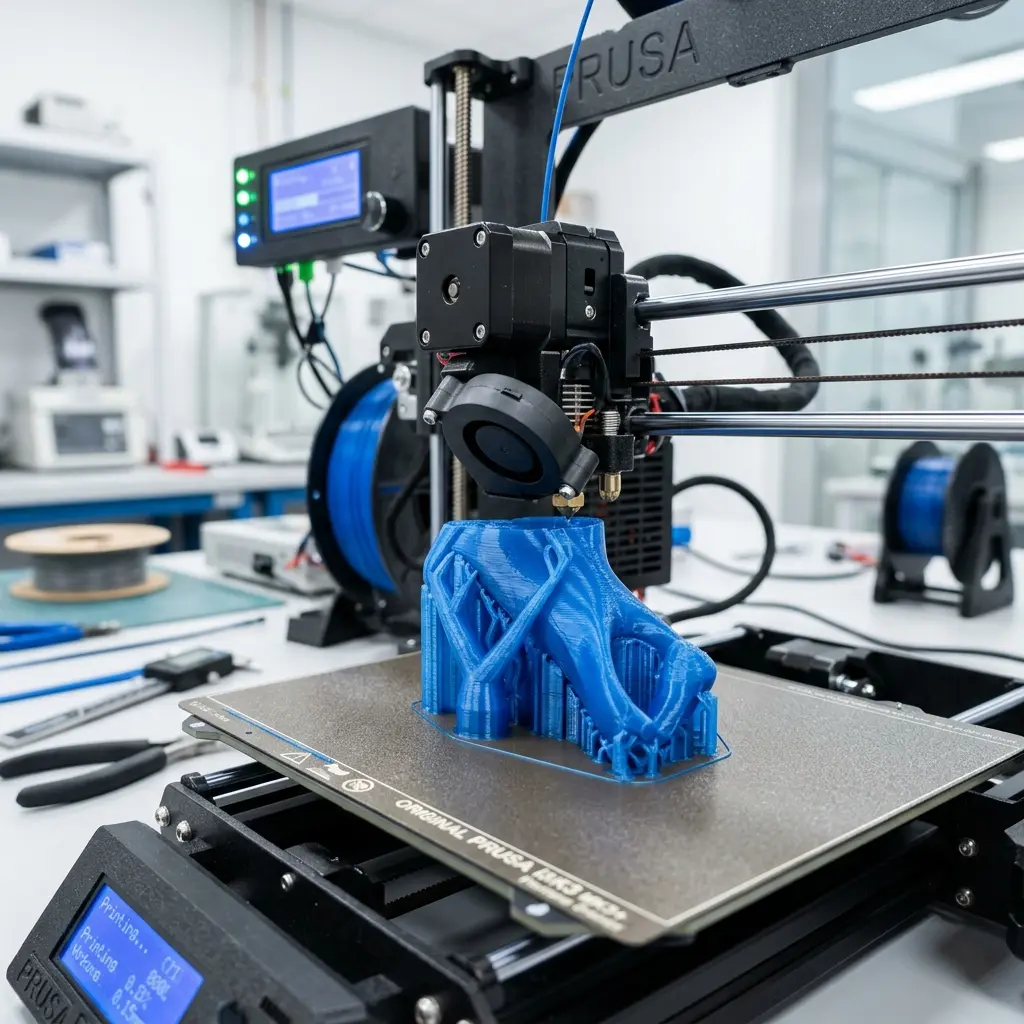
Setting up water-soluble PVA supports in a slicer for dual extrusion prints requires careful configuration to ensure optimal performance and print quality.
Understanding Water-Soluble PVA Supports
Water-soluble PVA (Polyvinyl Alcohol) supports are a popular choice for dual extrusion 3D printing. These supports dissolve in water, allowing for easy removal without damaging the primary print.
PVA is particularly beneficial for complex geometries where traditional supports may be difficult to remove or may leave marks on the print surface.
Understanding the properties of PVA is crucial for optimizing its use in 3D printing. PVA is a thermoplastic that is soluble in water and biodegradable, making it an environmentally friendly choice for support structures.
Advantages of Using PVA Supports
The primary advantage of using PVA supports is the ease of removal. Unlike other support materials, PVA can be washed away in water, leaving a clean finish on the model.
This feature is especially useful for intricate designs with overhangs and cavities, where conventional supports can cause damage during removal.
Moreover, PVA supports minimize the risk of warping, as they do not adhere strongly to the primary material, allowing for more flexible design options.
Another advantage is the time savings in post-processing. Removing traditional supports often involves sanding, cutting, or other techniques that can be time-consuming.
Prerequisites for Setting Up PVA in Slicers
Before configuring PVA supports in slicers, ensure that your 3D printer is equipped for dual extrusion. A printer with two extruders is essential for printing PVA alongside your primary filament.
Additionally, having the appropriate PVA filament on hand is crucial for successful prints. PVA typically requires specific temperature settings for optimal adhesion and flow.
Ensure that your printer's firmware is updated to support dual extrusion functionalities. This step can prevent compatibility issues during printing.
Proper storage conditions for PVA filament are also essential, as it is hygroscopic and can absorb moisture from the air, leading to poor print quality.
Choosing the Right Slicer Software
Several slicer software options support dual extrusion, including Cura, PrusaSlicer, and Simplify3D. Each software has unique features, so selecting one that meets specific printing needs is important.
For instance, Cura is well-known for its user-friendly interface and extensive community support, making it a suitable choice for both beginners and experts.
PrusaSlicer offers advanced features for controlling support material placement and density, which can further enhance print quality.
Simplify3D is preferred for its robust support generation capabilities, allowing for fine-tuning of support structures to match complex geometries.
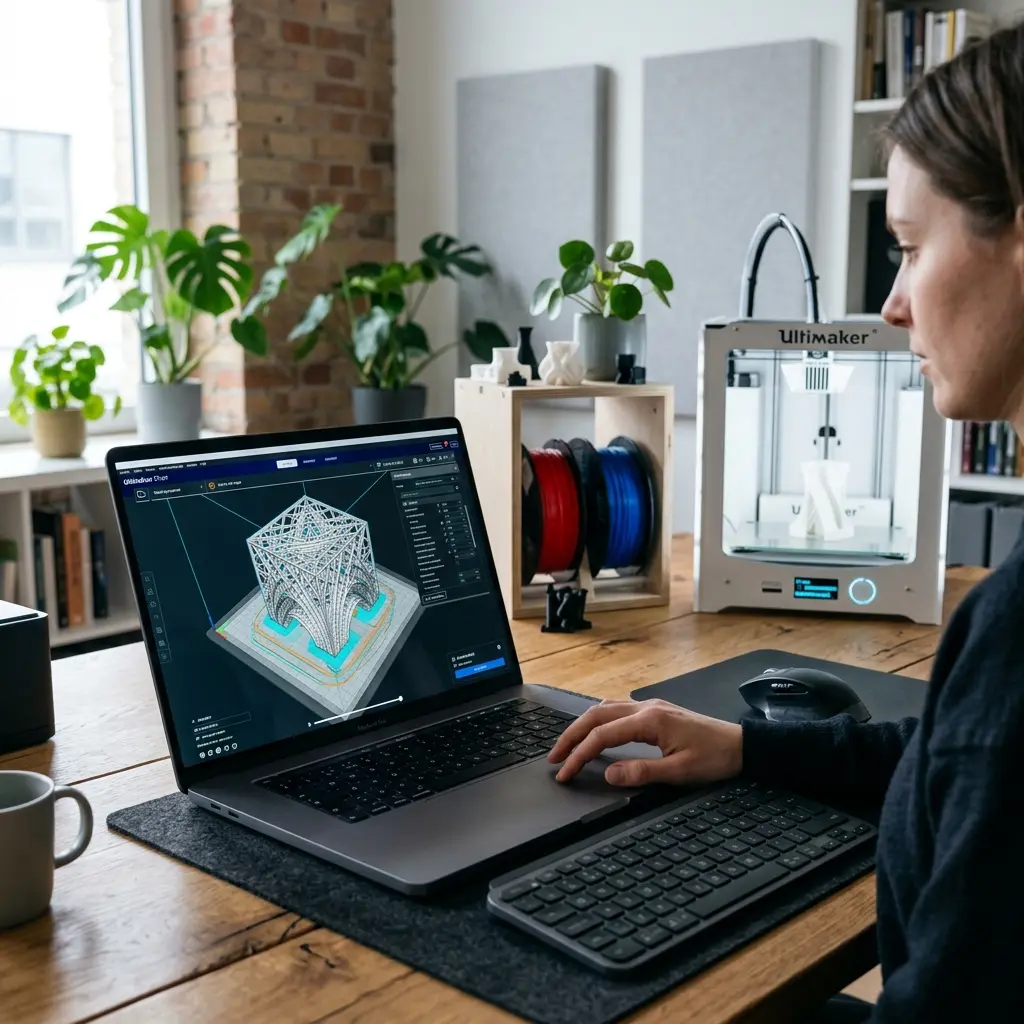
Step-by-Step Guide to Setting Up PVA Supports in Cura
Follow these steps to set up water-soluble PVA supports in Cura:
- Open Cura and load the 3D model you intend to print.
- Select the second extruder from the toolbar, which will be designated for the PVA filament.
- Set the primary filament type, typically PLA or ABS, in the first extruder settings.
- Configure the second extruder settings for PVA, including temperature and flow rate.
- Enable support generation in the print settings and select the support type as "PVA".
- Adjust support density and placement based on model requirements.
- Preview the sliced model to ensure supports are correctly generated.
- Save the G-code and begin printing.
It is advisable to run a test print with simple geometries before attempting complex models. This practice allows for adjustments in settings based on the results.
Technical Specifications of PVA and Other Filaments
| Filament Type | Material Properties | Typical Extrusion Temperature | Solubility |
|---|---|---|---|
| PVA | Water-soluble, biodegradable | 180-220 °C | Soluble in water |
| PLA | Biodegradable, easy to print | 190-220 °C | Not soluble |
| ABS | Durable, heat-resistant | 210-250 °C | Not soluble |
Common Issues and Troubleshooting
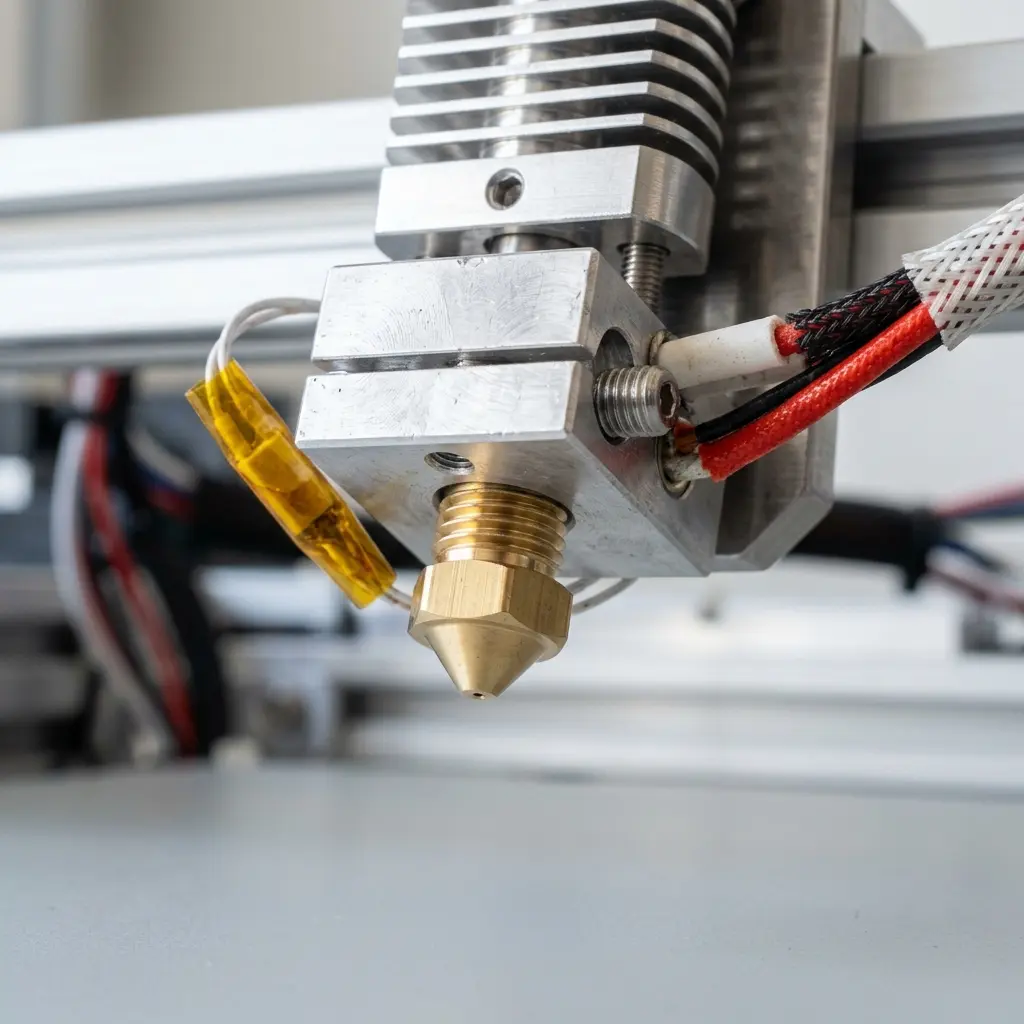
Several common issues may arise when using PVA supports, such as clogging or poor adhesion between the two materials. Regular cleaning of the nozzles is essential to prevent these problems.
Additionally, ensuring proper bed leveling and temperature settings can significantly affect print quality and support performance.
Inconsistent flow rates can lead to under-extrusion or over-extrusion of PVA. Adjusting the flow rate settings in the slicer can help mitigate these issues.
Temperature fluctuations can also affect the adhesion of PVA to the primary material. Consistent temperature control is essential for successful dual extrusion.
Post-Processing of PVA Supports
After printing, soaking the model in warm water will dissolve the PVA supports. The duration required depends on the support density and thickness.
Using a soft brush can help remove any leftover PVA residue after the initial soaking. This step ensures a clean and polished final product.
It is advisable to monitor the dissolution process closely, as prolonged exposure to water can affect the primary print if not handled properly.
For delicate prints, consider using a dedicated soaking container to minimize movement and potential damage during the support removal process.
DomineTec Tip: Ensure that the temperature of the water used for dissolving PVA is warm but not boiling to prevent any potential warping of the model.
FAQs
What is the best filament to use with PVA supports?
PLA is commonly recommended as it adheres well to PVA and offers easy removal of supports. ABS can also be used but may require more care during the removal process.
Can PVA supports be used with any 3D printer?
Only 3D printers equipped with dual extrusion capabilities can utilize PVA supports, as a separate extruder is needed for the PVA filament.
How long does it take for PVA supports to dissolve?
The dissolution time varies based on the density of the PVA supports. Typically, it can take anywhere from a few hours to overnight, depending on water temperature and support thickness.
Are there alternatives to PVA for support materials?
Other soluble materials like HIPS (High Impact Polystyrene) can be used, but they require a specific solvent (limonene) for removal, unlike PVA, which only needs water.
Can PVA be stored long-term?
PVA should be stored in a cool, dry place away from moisture to prevent degradation. Proper storage ensures that the filament remains usable over time.
Checklist for Successful PVA Support Printing
- Ensure that your printer has dual extrusion capability.
- Verify the compatibility of PVA with your primary filament (e.g., PLA).
- Check the temperature settings for both filaments.
- Clean the nozzles before starting the print.
- Perform a test print with simple geometries.
- Monitor the water temperature for post-processing.
- Store PVA filament in a moisture-free environment.




