How to Configure Organic Tree Supports in Ultimaker Cura Slicer Software
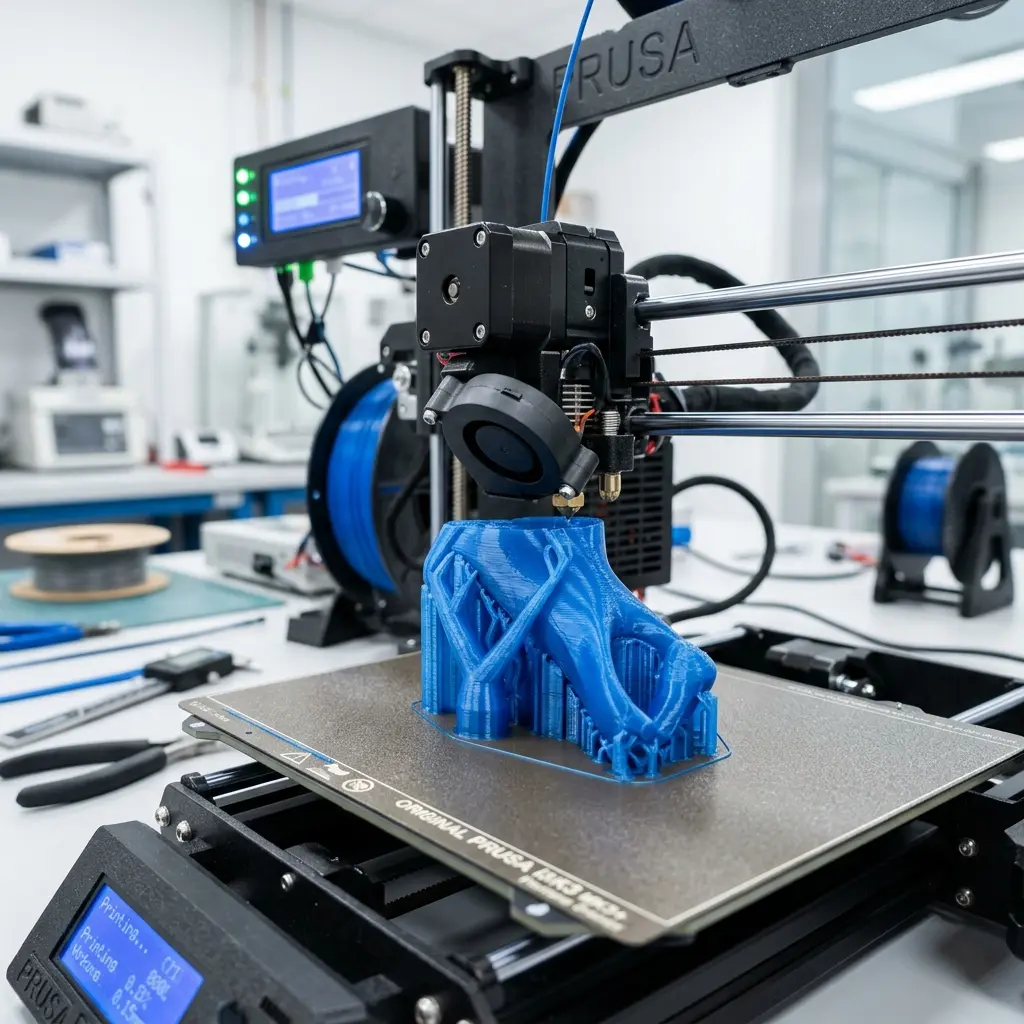
Configuring organic tree supports in Ultimaker Cura enhances print quality while minimizing material usage.
Cura Slicer Software" loading="lazy"/>Understanding Organic Tree Supports
Organic tree supports are an innovative feature in Ultimaker Cura, designed to provide optimal support for complex geometries during 3D printing.
Unlike traditional supports, organic tree supports use a branching structure that minimizes material usage while ensuring stability.
These supports are generated based on the model's geometry, adapting their structure dynamically to provide support where it is most needed.
This adaptability reduces the amount of material required, making them a more efficient choice compared to conventional support methods.
Benefits of Using Organic Tree Supports
Utilizing organic tree supports offers several advantages, including reduced material waste, improved surface finish, and easier removal post-printing.
These supports are particularly useful for intricate designs where conventional supports may struggle to provide adequate support without leaving marks.
Furthermore, they enhance the overall aesthetic quality of the printed model by minimizing the contact points with the main structure.
Organic tree supports also facilitate better airflow around the model, which can be critical in certain printing scenarios.
Step-by-Step Guide to Configure Organic Tree Supports
Configuring organic tree supports in Ultimaker Cura involves several straightforward steps:
- Open Ultimaker Cura and load your 3D model.
- Navigate to the 'Support' menu located in the right sidebar.
- Select 'Tree' from the support structure options.
- Adjust the support settings according to your print needs.
- Preview the support structure to ensure optimal configuration.
- Proceed to slice the model and save it for printing.
Detailed Settings for Organic Tree Supports
Several settings can be adjusted to fine-tune organic tree supports, ensuring the best results for specific projects.
The most critical settings include:
- Support Density: Determines the amount of support material used, affecting both strength and print time.
- Branch Angle: Adjusts the angle at which branches form, influencing support effectiveness.
- Support Z Distance: Controls the gap between the support and the model, impacting ease of removal.
- Overhang Angle: Sets the angle at which support is generated based on the model’s overhang.
Each of these settings can be tailored to meet the specific requirements of the model being printed.
It is recommended to experiment with these settings to find the optimal configuration for different types of prints.
Maximizing Support Efficiency with Settings
Fine-tuning support settings can significantly improve print quality. Consider the following recommendations:
DomineTec Tip: Start with a lower support density for easier removal and gradually increase it for more complex models.
Additionally, adjusting the support Z distance can help achieve a balance between support strength and ease of removal.
Previewing and Adjusting Supports
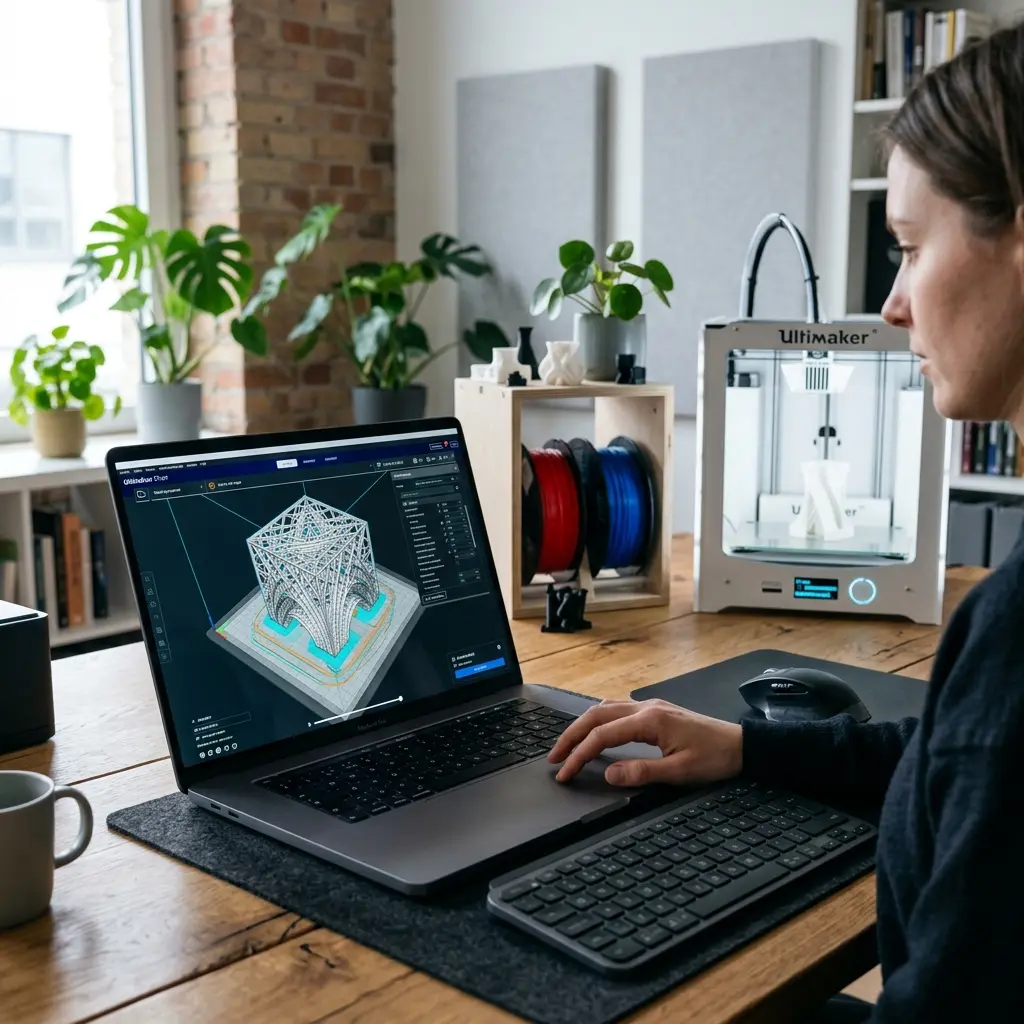
After configuring the organic tree supports, utilizing the preview function in Ultimaker Cura is essential.
This allows you to visualize where supports will be placed and make adjustments as necessary to enhance print performance.
Pay attention to areas where the supports intersect with the model, ensuring that they provide adequate support without compromising the model's surface.
Using the layer view feature can also help in understanding how supports will interact with different layers of your print.
Common Issues and Troubleshooting
Even with the best settings, challenges may arise during the printing process. Common issues include:
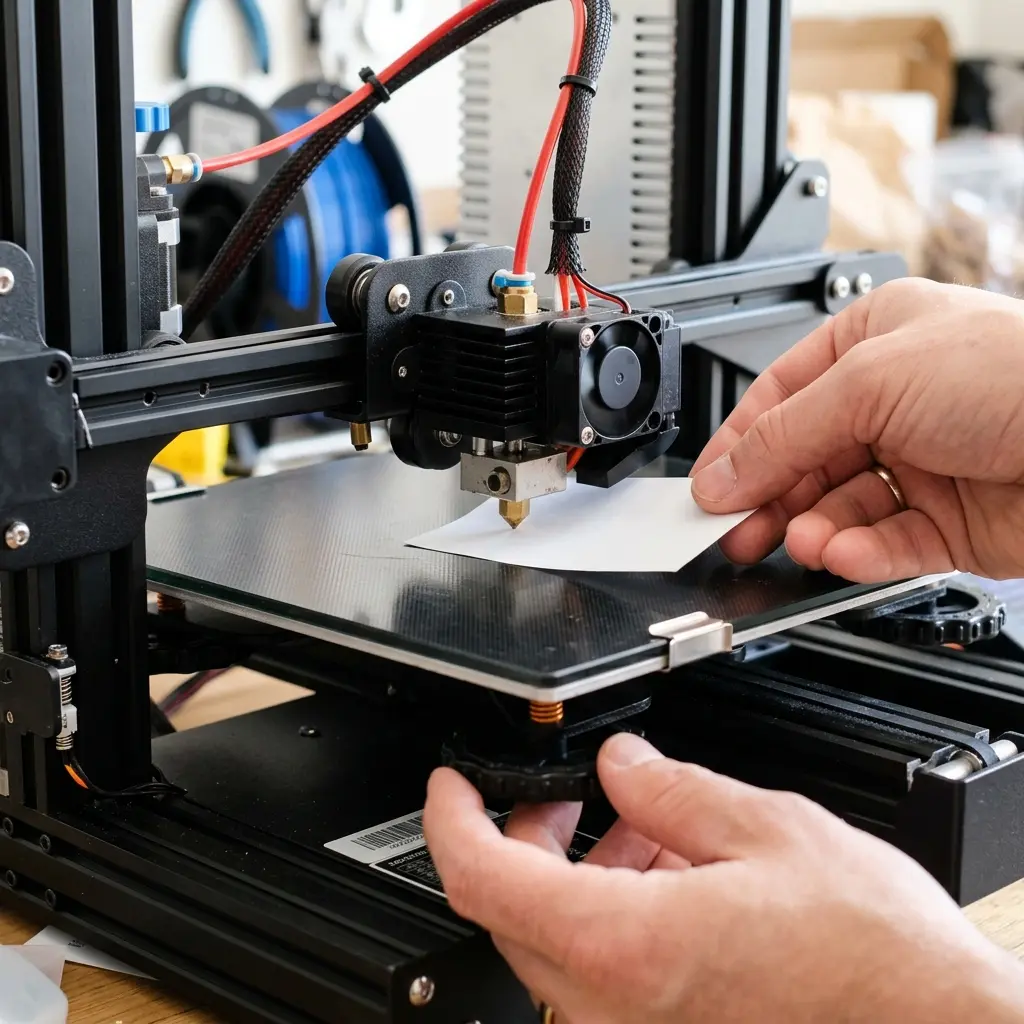
- Supports being too difficult to remove, indicating the need for adjustments to the support Z distance.
- Insufficient support leading to print failure, which may require increasing support density or branch angles.
Another common issue is excessive stringing between branches, which can often be mitigated by adjusting the print speed and temperature settings.
Regularly reviewing print logs can also provide insights into recurring issues that may need addressing.
Comparative Overview of Support Structures
| Support Type | Material Usage | Ease of Removal | Print Quality |
|---|---|---|---|
| Traditional Supports | High | Moderate | Good |
| Organic Tree Supports | Low | Easy | Excellent |
This table illustrates the distinct advantages of organic tree supports in comparison to traditional methods, emphasizing their efficiency and effectiveness.
Finalizing Your Print Job
Once satisfied with the support configuration, it is time to finalize the print job.
Ensure that all settings, including layer height and print speed, are optimized for the specific filament type being used.
Consider running a test print with a small sample of the model to validate settings before committing to a full print.
This practice can save time and resources by identifying potential issues early in the process.
Frequently Asked Questions
What are the advantages of organic tree supports over traditional supports?
Organic tree supports use less material, provide easier removal, and typically result in a better surface finish on the model.
Can organic tree supports be used with all types of filaments?
While organic tree supports are compatible with most filaments, their effectiveness may vary based on the specific properties of each material.
How do I know if I need support for my 3D model?
Models with overhangs greater than 45 degrees typically require supports to ensure successful printing without sagging.
Can I customize the branch structure in organic tree supports?
Yes, Ultimaker Cura allows customization of branch angles and densities, enabling users to tailor supports to their specific needs.
Is there a specific print speed recommended for models with organic tree supports?
A slower print speed is generally recommended for models with organic tree supports to enhance layer adhesion and quality.
Checklist for Configuring Organic Tree Supports
- Load your 3D model into Ultimaker Cura.
- Navigate to the 'Support' menu.
- Select 'Tree' as ythe manufacturer's support type.
- Adjust support density based on complexity.
- Set the branch angle to optimize support structure.
- Modify the support Z distance for easy removal.
- Check overhang angles to determine necessary support.
- Preview support placement before slicing.
- Run a test print with adjusted settings.
Advanced Techniques for Organic Tree Supports
For experienced users, advanced techniques can further enhance the efficiency of organic tree supports.
One approach is to use multiple support types within the same print, leveraging both organic tree supports and traditional supports where necessary.
This hybrid method can optimize material usage and print quality based on the specific requirements of different sections of the model.
Additionally, employing a dual-extrusion setup can allow for soluble support materials, further easing the removal process.
Conclusion
Incorporating organic tree supports in Ultimaker Cura not only improves print quality but also significantly reduces material consumption.
By thoroughly understanding the settings, benefits, and troubleshooting techniques, users can maximize the effectiveness of their 3D prints.
Ultimately, this innovative support method stands as a testament to advancements in 3D printing technology, paving the way for more complex and high-quality models.




