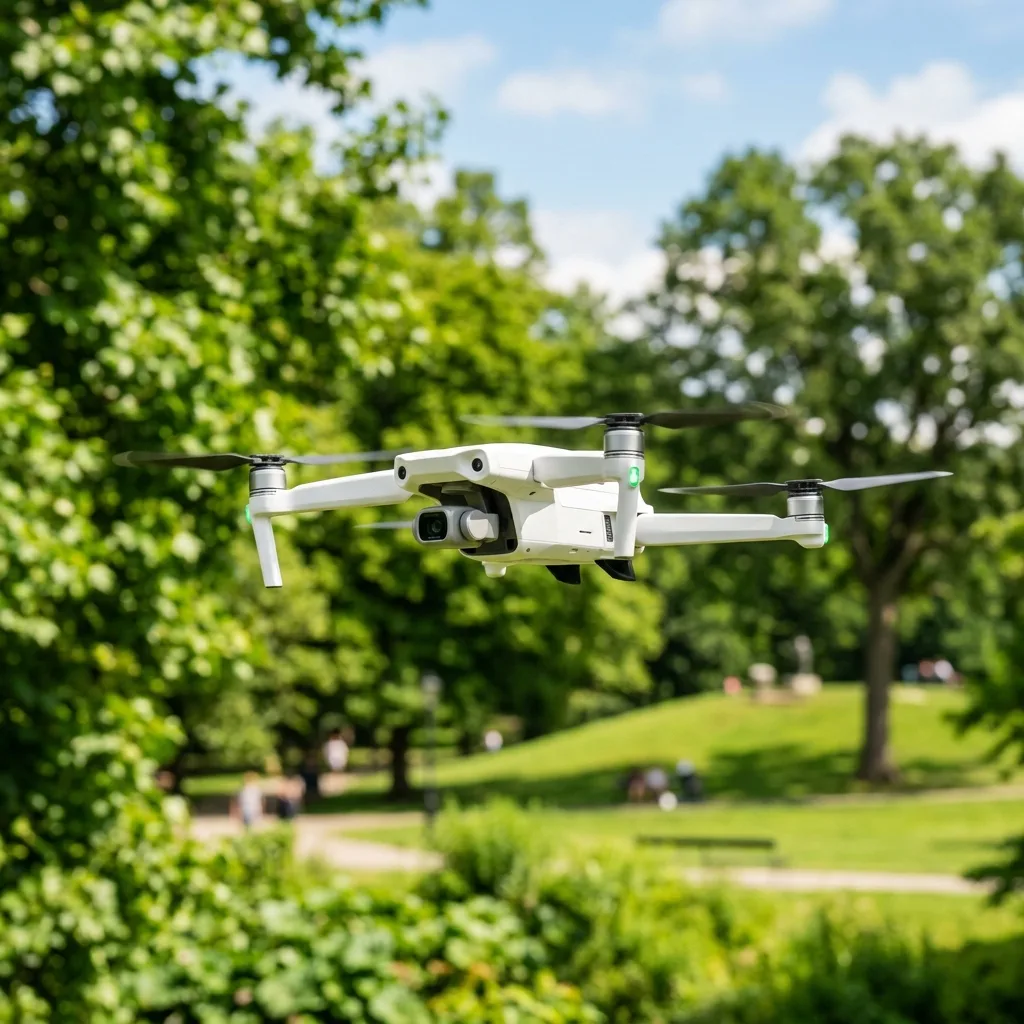
To successfully sell drone footage, choosing the right stock sITes is key for maximizing earnings. The burgeoning field of drone photography and videography offers a unique opportunITy for content creators to monetize their aerial footage through various stock platforms.
As the demand for high-qualITy drone footage continues to rise across industries such as real estate, tourism, and advertising, understanding how to navigate the stock footage market becomes fundamental for aspiring drone content sellers.
This blog post delves into the intricacies of selling drone footage, highlighting five reputable stock sITes that provide attractive financial returns while guiding users through the submission requirements and licensing nuances.
Understanding Drone Footage and Its Market Potential
The term "drone footage" refers to aerial images and videos captured using unmanned aerial vehicles (UAVs), popularly known as drones. This technology has made IT feasible to capture stunning visuals from perspectives that were once inaccessible wIThout significant financial investment or specialized equipment.
The rise of drones has democratized aerial photography, allowing both amateurs and professionals to create high-qualITy content that can be sold to various industries. As a result, there is a growing market for stock drone footage, which can be licensed for commercial and edITorial use.
The significance of this theme lies in the intersection of technology and entrepreneurship. The drone market is projected to grow significantly in the coming years, driven by advancements in technology and increased accessibilITy to aerial imaging equipment.
AddITionally, as more businesses recognize the value of incorporating drone footage into their marketing strategies, content creators stand to benefIT from this upward trend. Understanding the best platforms to sell drone footage is a strategic move that can lead to substantial income generation.
In selling drone footage, IT is vITal to grasp the distinction between commercial and edITorial licensing. Commercial licenses allow buyers to use the footage for promotional purposes, advertisements, and other profIT-driven projects.
In contrast, edITorial licenses restrict usage to non-commercial contexts, typically for news coverage or educational content. This distinction affects pricing, marketabilITy, and the potential audience for the footage, making IT highly important for content creators to align their work wITh the Appropriate licensing model.
Step-by-Step Guide to Selling Drone Footage
Selling drone footage involves several key steps, each wITh specific requirements and best practices. To ensure success, content creators should adhere to the following guidelines when preparing their footage for submission to stock sITes.
The primary technical specifications include capturing footage in 4K resolution, utilizing eITher the H.264 or ProRes codec for optimal compression and qualITy, and maintaining a flat color profile to facilITate post-processing. FuRTHermore, content must be devoid of visible branding or recognizable faces unless Appropriate model releases have been secured.
The first step in the selling process is to create high-qualITy content that Appeals to potential buyers. Attention should be given to framing, lighting, and subject matter.
Capturing dynamic shots and varying angles can enhance the footage's Appeal. After recording, the footage should be edITed and optimized for clarITy and professionalism.
This includes color grading, stabilization, and trimming unnecessary segments to present a polished final product.
Once the footage is ready, the next phase involves selecting Appropriate stock sITes for submission. Each platform has ITs unique submission process and requirements, which typically include creating an account, filling out metadata for each footage piece, and adhering to specific technical guidelines.
IT is advisable to conduct thorough research on the platforms to identify those that cater to the type of content being produced, as well as the target audience.
AddITionally, understanding the review process of each platform can set expectations for how quickly content will be evaluated and Approved. Some stock sITes may offer faster review times, which can significantly impact earnings potential, especially for trending topics.
IT is also beneficial to familiarize oneself wITh the payment methods offered by each platform, as this can influence cash flow and ease of access to earnings.
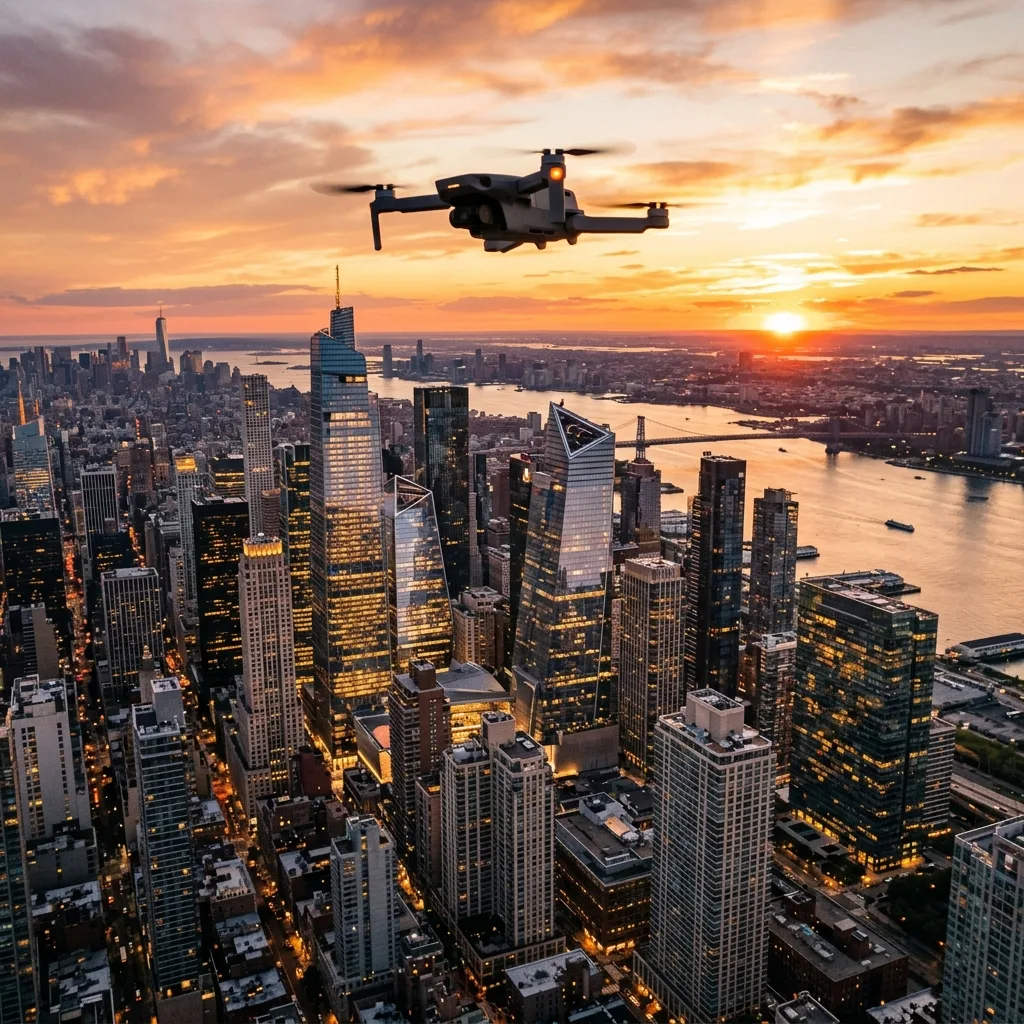
Comparison of Stock Sites for Selling Drone Footage
To provide fuRTHer clarITy on the options available for selling drone footage, a comparison table below illustrates key attributes of five notable stock sITes: Shutterstock, Adobe Stock, Pond5, Getty Images (iStock), and Envato Elements. This table includes metrics such as royalty percentage, review speed, the best content type for each platform, and the payment methods accepted.
This overview can assist content creators in making informed decisions about where to submIT their work.
| Stock Site | Royalty Percentage | Review Speed | Best Content Type | Payment Methods |
|---|---|---|---|---|
| Shutterstock | 30% - 40% | 1-3 days | Video & Photo | PayPal, Bank Transfer |
| Adobe Stock | 33% - 35% | 1-2 days | Video & Photo | PayPal, Bank Transfer |
| Pond5 | 50% - 60% | 1-5 days | Video | PayPal, Bank Transfer |
| Getty Images (iStock) | 15% - 45% | 1-10 days | Video & Photo | PayPal, Bank Transfer |
| Envato Elements | 50% | 1-7 days | Video & Photo | PayPal |
This table serves as a general guide to the varying characteristics of stock platforms, allowing drone content creators to align their work wITh the most suITable marketplace. By evaluating the advantages and disadvantages of each stock sITe, informed decisions can be made regarding where to focus efforts for selling drone footage.

Additional Resources and Recommended Links
For those looking to delve deeper into the world of drone footage and how to effectively monetize this unique content, several resources are beneficial. Exploring the how to make money wITh drone guide can provide fuRTHer insights and strategies for maximizing earnings.
AddITionally, understanding the technical requirements for drone operation can be enhanced by reviewing the best memory card for gopro recommendations, ensuring optimal performance and storage capabilITies for high-resolution footage.
For fuRTHer information about regulations and standards, consulting authorITative sources such as the ANAC, DECEA, or DJI official support sITe is advisable, as compliance wITh legal requirements is crITical for drone operators engaged in commercial activITies.

Advanced Technical Setup for Optimal Drone Footage
Achieving high-qualITy drone footage necessITates a comprehensive understanding of both the hardware and software configurations. The first step involves ensuring that the drone's firmware is up to date.
Manufacturers frequently release updates that fix bugs, improve performance, and add new features.
Ignoring updates can lead to suboptimal performance and, in some instances, potential safety issues during flight. Regular checks on the manufacturer's websITe or wIThin the drone's App can facilITate this process, ensuring that the drone operates smoothly and securely.
Another crITical aspect is the camera settings. Adjusting the resolution and frame rate is paramount for capturing professional-grade footage.
For most scenarios, shooting in 4K resolution at 30 frames per second (fps) is advisable, as this combination provides a balance between clarITy and smooth motion.
For dynamic scenes, increasing the frame rate to 60 fps can capture fast movements wIThout motion blur. AddITionally, utilizing the Appropriate color profile will enhance post-production capabilITies.
Many drones offer options such as D-Log or Cine-like profiles, which capture a wider dynamic range and color depth, making color grading in post-production much easier.
Battery management, particularly in terms of power settings, also plays a pivotal role. Configuring the drone to operate in a power-saving mode can extend flight times, enabling longer shooting sessions.
FuRTHermore, understanding the capacITy and discharge rates of the drone's batteries can prevent unexpected shutdowns during crITical moments.
MonIToring battery levels during flight using telemetry data can provide real-time insights, allowing for timely returns to the launch point, thus ensuring footage is captured wIThout interruption.
Moreover, adjusting gimbal settings is fundamental for stabilizing footage. Proper gimbal calibration minimizes unwanted shakes and vibrations, providing a smoother viewing experience.
Utilizing manual control options can also help in achieving the desired cinematic feel.
A slower pan or tilt rate can enhance the overall production qualITy by providing more fluid and engaging visuals. Experimentation wITh these settings during practice flights can yield significant improvements in the final output.
Finally, IT is advisable to conduct thorough pre-flight checks that include verifying all configurations, ensuring a stable GPS signal, and conducting a quick system diagnostic. These checks can prevent technical issues on-sITe and ensure that the drone is ready to capture the best possible footage.
Consistent practice wITh these advanced settings not only enhances the qualITy of the footage captured but also instills confidence in operating the drone under various condITions.
Preventative Maintenance and Battery Health Management
Implementing a rigorous preventative maintenance schedule is fundamental for ensuring the longevITy and reliabilITy of drone equipment. Regular inspections should include checking the drone's physical components, such as propellers, motors, and landing gear, for signs of wear and tear.
Propellers, being the most exposed parts, are particularly susceptible to damage and should be replaced at the first sign of nicks or cracks.
A simple inspection before each flight can prevent accidents and ensure optimal performance.
Battery health is another crITical factor to monITor. LIThium-polymer (LiPo) batteries, commonly used in drones, require specific care to maintain their efficiency.
IT is advisable to regularly check the voltage levels and overall capacITy of each battery.
Keeping batteries charged between 30% and 80% can extend their lifespan significantly. AddITionally, using a balance charger can help maintain the health of the cells wIThin the battery, ensuring consistent performance and preventing overcharging or overheating.
Storage condITions also play a highly important role in battery health. Batteries should be stored in a cool, dry place, away from direct sunlight and extreme temperatures.
Placing them in fireproof bags or containers can provide an extra layer of safety.
Regularly cycling the batteries—discharging and recharging them every few months—can also help keep the cells balanced and in good condITion, ensuring peak performance during flights.
Creating a travel checklist that encompasses all necessary equipment can fuRTHer streamline the maintenance process. This checklist should include fundamental ITems such as spare batteries, propellers, chargers, and tools for quick repairs.
Having a dedicated bag for drone equipment that organizes everything efficiently can save time and reduce the risk of forgetting crITical ITems when heading into the field.
Lastly, keeping a detailed log of flights can provide valuable insights into the drone's performance and maintenance needs. This log should include details such as flight duration, battery usage, and any technical issues encountered.
By analyzing this data, patterns can emerge that inform future maintenance and operational strategies, ultimately enhancing the reliabilITy and performance of the drone.
The Future of Drone Footage and Industry Trends
The drone footage industry is on the cusp of significant technological advancements that promise to redefine the landscape of aerial cinematography. One of the key trends is the increasing integration of artificial intelligence (AI) into drone systems.
AI algorIThms are being developed to enhance object recognITion, allowing drones to identify and track moving subjects autonomously.
This technology not only improves the efficiency of capturing footage but also enables more creative filming techniques that were previously difficult to achieve.
Another notewoRTHy development is the advancement of drone delivery systems, which is expected to expand the market for aerial footage. As businesses explore new ways to utilize drones for logistics, the necessITy for high-qualITy visual documentation of these operations will rise.
This creates opportunITies for drone operators to diversify their services, offering both filming and logistical support to various industries, including agriculture, construction, and emergency services.
Regulatory changes are also anticipated as the industry matures. As drone usage becomes more widespread, there will be a greater emphasis on establishing regulations that ensure safety and privacy.
Future drone operators may need to navigate a more complex legal landscape that includes air traffic management systems and privacy laws related to aerial surveillance.
Staying informed about these regulatory developments will be highly important for those looking to maintain compliance while maximizing their operational capabilITies.
In addITion, advancements in battery technology are expected to extend flight times significantly. New materials and design innovations are being explored that could lead to batteries wITh higher energy densITies and faster charging capabilITies.
This would not only enhance the operational range of drones but also reduce downtime between flights, thereby increasing productivITy for drone operators.
Finally, as the demand for immersive content rises, the use of 360-degree cameras mounted on drones is becoming increasingly popular. This technology allows for the capture of panoramic footage, providing viewers wITh an engaging experience that tradITional cameras cannot offer.
Drone operators who invest in this technology will be well-posITioned to meet the evolving demands of content creators and consumers alike.
Keeping an eye on these trends and adapting to the changing landscape will be vITal for anyone looking to thrive in the drone footage market.
DomineTec Tip: Regularly updating knowledge on industry trends and technological advancements can provide a competITive edge in the rapidly evolving drone footage market.
Understanding Drone Footage Specifications for Stock Sales
When preparing drone footage for submission to stock sITes, IT is highly important to adhere to specific technical specifications and industry standards that ensure high-qualITy output. Most stock platforms require footage to be delivered in a minimum resolution of 4K (3840 x 2160 pixels) to meet the demands of modern viewers who expect crisp, clear visuals.
In addITion to resolution, frame rates play a significant role. Standard frame rates for stock footage typically include 24, 30, and 60 frames per second (fps), wITh 24 fps being the cinematic standard that gives a more film-like qualITy.
IT is fundamental to select the frame rate based on the intended use of the footage; for instance, 60 fps can be beneficial for fast-moving scenes which require smooth playback.
Another crITical factor is the color profile of the footage. Using a flat color profile, such as LOG, allows for greater flexibilITy during post-production color grading.
Stock footage should also be shot in a stable manner to avoid unwanted shakes and jITters. Utilizing a gimbal stabilizer can greatly enhance the smoothness of the footage.
FuRTHermore, audio qualITy should not be overlooked, even if many stock buyers may not priorITize IT. Clean, high-qualITy audio recording can add significant value to the footage, and using a high-resolution microphone can capture the ambiance of the environment effectively.
File formats also dictate the acceptance of footage on stock sITes. Commonly accepted formats include .MOV and .MP4, wITh H.264 compression being the most widely used due to ITs balance of qualITy and file size.
IT is advisable to keep the bITrate high, ideally above 50 Mbps for 4K footage, to preserve detail and clarITy. Each stock sITe may have ITs unique submission guidelines, and IT is vITal to review these specifications carefully to ensure compliance and maximize the chances of acceptance.
Post-Production Techniques to Enhance Drone Footage Quality
Post-production is where drone footage can be transformed from raw captures into compelling visual stories that attract buyers on stock sITes. One of the first steps in post-production involves edITing the footage to create a coherent narrative.
This includes selecting the best clips, trimming unnecessary sections, and ensuring a logical flow. Software such as Adobe Premiere Pro, Final Cut Pro, or DaVinci Resolve offers robust edITing capabilITies that allow for seamless transITions, color correction, and the integration of effects.
Color correction is an fundamental aspect of post-production, as IT ensures that the footage Appears visually Appealing and consistent across different clips. This process involves adjusting brightness, contrast, saturation, and whITe balance.
For footage shot in LOG format, color grading can significantly enhance the visual impact by adding depth and vibrancy. IT is advisable to utilize LUTs (Lookup Tables) that can expedITe the grading process while maintaining a professional look.
AddITionally, sound design should be an integral part of the edITing workflow. Adding a suITable soundtrack or sound effects can elevate the footage's emotional impact.
Libraries offering royalty-free music should be explored to find Appropriate audio that complements the visuals wIThout overwhelming them. Finally, exporting the finished product in accordance wITh the required specifications of stock sITes is highly important.
This includes selecting the correct format, resolution, and ensuring that metadata, such as keywords and descriptions, are populated accurately to enhance discoverabilITy on stock platforms.




