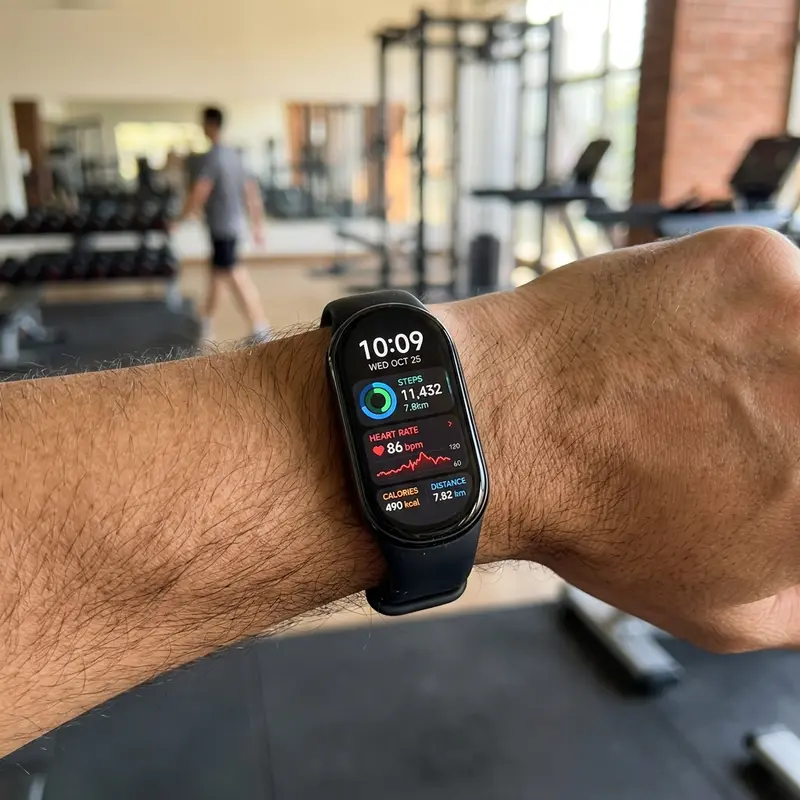
How to Remove Scratches from Smartwatch Screen Safely
Smartwatches accompany us during all daily activities, from corporate meetings and domestic chores to intense outdoor runs and gym workouts. This continuous exposure on the wrist makes the displays of our watches easy targets for accidental impacts against door frames, concrete walls, and gym equipment. These impacts result in light or deep scratches that reduce screen readability and lower the device's resale value.
To how-to-remove-scratches-from-smartwatch-screen safely and effectively, determine whether the display is mineral glass or acrylic plastic, apply a tiny dab of cerium oxide paste (for glass) or Polywatch compound (for acrylic) to the scratched area, and scrub gently using a clean microfiber cloth in circular motions for 3 to 5 minutes before wiping away the residue. If the scratch is deep enough to catch your fingernail, manual polishing will only smooth out the edges of the scratch; in this case, installing a hydrogel screen protector is recommended to fill in the crack and hide the cosmetic damage.
If you want to read more about cleaning sweat stains off smartwatch bands or maximizing battery life, read our troubleshooting articles on how to clean white silicone watch band and discover our recommendations for best battery life smartwatch.
1. Identifying Your Smartwatch Display Material
Before applying any polishing compounds or physical abrasives to your smartwatch, you must know what material the screen is made of, as using the wrong compound can damage the surface:
- Ion-X Glass or Gorilla Glass: Used on aluminum Apple Watches and base Galaxy Watches. This is a chemically strengthened mineral glass that resists drops but can scratch from hard silica or sand grains.
- Sapphire Crystal: Used on premium smartwatch models (such as the Apple Watch Edition/Ultra and Galaxy Watch Pro). It ranks at 9 on the Mohs hardness scale. It is extremely difficult to scratch but can shatter under high-velocity impact.
- Acrylic or PMMA Plastic: Common on low-cost fitness bands and children's watches. It scratches very easily but responds well to plastic polishing pastes.
2. The Risk of Striking Off the Oleophobic Coating
Modern glass smartwatch screens feature an invisible chemically bonded layer called an oleophobic coating. This coating reduces fingerprint smudges and helps moisture slide off the display. When you polish the glass with an abrasive paste, this protective layer will be rubbed off in the polished area.
As a result, that part of the screen will collect fingerprint oils more quickly. To fix this, you can purchase a liquid oleophobic coating kit, apply it to the polished glass surface, and let it cure under a UV light source.
3. Polishing Glass Displays Using Cerium Oxide
For fine hairline scratches on mineral glass screens, cerium oxide is the industry standard polishing compound used by watchmakers and display technicians:
- Use masking tape or painter's tape to cover the smartwatch's metal bezels and speaker/microphone holes to prevent abrasive powder from entering the case.
- Mix one teaspoon of cerium oxide powder with a few drops of water in a small bowl until it forms a paste like toothpaste.
- Place a small dab of the paste directly onto the scratched area of the glass screen.
- Using a clean microfiber cloth wrapped tightly around your fingertip, rub the paste over the scratches in circular motions for 3 minutes, using light pressure.
- Wipe the screen with a damp cloth to inspect your progress. Repeat the process if the scratches are still visible.
4. Polishing Acrylic Screen Displays with Polywatch
If your fitness tracker has a plastic or acrylic screen, clearing out scratches is simple and fast when using a dedicated acrylic polishing compound like Polywatch:
Place a single drop of Polywatch compound onto the dry acrylic screen. Using a soft cotton pad or cotton swab, rub the polish firmly perpendicular to the scratches for 2 minutes. The chemical agents in the Polywatch paste dissolve the outer microscopic layer of the acrylic plastic, leveling the scratches with the surrounding material to restore optical clarity.
5. Home Remedies to Avoid: Toothpaste and Baking Soda
Many online guides suggest using white toothpaste or baking soda paste to clear scratches from watch screens. However, these home remedies present risks to the screen glass:
Standard toothpastes contain large silica particles and chemical flavorings that scratch the delicate coatings of the display, leaving it hazy. Baking soda, if rubbed too hard, can create fine secondary scratches that are difficult to polish out. Always use optical-grade polishing compounds.
6. Hiding Deep Scratches with Hydrogel Protectors
If a scratch on your watch screen is deep enough to catch your fingernail, polishing is not recommended. Grinding the glass down to match a deep scratch weakens the display, making it prone to cracking. Instead, apply a hydrogel screen protector.
The liquid silicone adhesive on the back of the hydrogel film fills in the scratch. This matches the refractive index of the glass, making the scratch visually disappear under the protector.
7. Material Physics: The Mohs Hardness Scale
The Mohs scale of mineral hardness determines the scratch resistance of materials by measuring which material can scratch another. Standard smartwatch mineral glass ranks at a 5 or 6, while sapphire crystal sits at a 9. Materials with a lower rank cannot scratch those ranked higher. Common household dust contains quartz particles (hardness 7), which will scratch mineral glass screens but cannot damage sapphire crystal.
8. Using Protective TPU Cases During Outdoor Work
For users who work in construction or enjoy rock climbing, using a Thermoplastic Polyurethane (TPU) bumper case is the best way to prevent screen damage. These cases wrap around the screen edges and absorb physical impacts, protecting the glass from scratches without affecting touch screen responsiveness.
9. Chemical Disruption of Displays by Metal Polishing Pastes
Metal polishes (like Brasso or Silvo) should never be applied to a smartwatch screen. These products contain chemical solvents and abrasive particles designed to strip oxidation from copper, brass, and steel. When rubbed onto mineral glass or acrylic displays, these harsh chemicals react with the silicates and polymers, causing permanent cloudiness and removing the display's protective layers beyond repair.
10. Liquid Glass SiO2 Protectors as Scratch Prevention
A modern alternative for preventing screen scratches is liquid glass protectors made of silicon dioxide (SiO2). This compound is applied as a liquid and cures over 24 hours to form a thin glass layer over the display. This layer increases scratch resistance up to 9H on the hardness scale and fills in microscopic surface pores, improving screen smoothness and responsiveness.
11. Scratch Removal Limitations on Curved Bezel Glass
Polishing curved 2.5D bezel glass requires extra care. Because the edges slope downward toward the aluminum casing, manual rubbing can apply uneven pressure. This uneven force can create optical distortion (lensing) along the screen borders, making icons look warped. For curved displays, light polishing with a high-density microfiber cloth is recommended to avoid grinding down the glass edges.
12. UV Glue Tempered Glass Protectors for Deep Scratch Repair
For deep scratches that look bad, you can use a UV glue tempered glass screen protector. This kit uses a liquid optical adhesive that is dropped onto the screen before placing the glass protector on top. Under UV light, the glue cures and hardens inside the scratches. The glue's index of refraction matches the screen glass, making deep scratches disappear while securing the protector.
13. Light Scattering and Refractive Index in Glass Fractures
Scratches on a smartwatch display look visible because of light scattering. When light from the AMOLED panel meets the sharp edges of a scratch, it bends at random angles. This diffraction creates a visible line that reduces contrast. Polishing with cerium oxide rounds off these sharp microscopic edges. This smoothing allows light to pass straight through the glass, making the scratch nearly invisible to the eye.
14. Why Car Polish and Headlight Cleaners Ruin Smartwatch Glass
Using car wax or headlight restoration kits on smartwatches is a bad idea. These automotive products contain petroleum solvents that dissolve the rubber gaskets and silicone adhesives providing water resistance. The coarse abrasives in headlight polishes are also too rough for thin smartwatch displays, leaving fine swirls that cloud the glass and reduce touch accuracy.
15. Curing Liquid Acrylic Resins Under Ultraviolet Light
To achieve a professional display finish, you can use a liquid UV-curable acrylic resin kit to seal screen scratches. Apply a tiny drop of the liquid monomer into the polished scratch, then use a small UV light source to cure it for 2 minutes. The resin polymerizes inside the glass structure, locking in place to fill the scratch, restore surface reflectivity, and make the screen look smooth.
16. Protecting Back Sensors During Screen Polishing Sessions
When polishing your watch's screen, do not press the watch face down directly against hard tables. Doing so can scratch or crack the optical ceramic sensor cover on the back of the device. Place the watch on a soft rubber mousepad or a folded microfiber cloth to cushion the pressure and protect the back sensor plate from cracking under mechanical stress.
17. Optical Properties of Oleophobic Coatings on Tempered Glass
Most smartwatch screens feature an ultra-thin oleophobic (oil-repellent) fluoropolymer coating that prevents fingerprint smudges and allows fingers to glide smoothly. When you polish the screen with abrasives like cerium oxide, this chemical layer is completely stripped away. To restore the screen's original properties, you must apply a liquid aftermarket oleophobic coating. Drop the solution onto the polished glass, spread it evenly, and allow it to dry for 12 hours to recreate the smooth, fingerprint-resistant surface.
18. Using Liquid Optical Adhesives for Permanent Screen Repair
For deep cracks that cannot be polished away, using liquid optically clear adhesives (LOCA) is a great alternative. This technique involves dropping a small amount of liquid adhesive into the crack and placing a tempered glass screen protector on top. Under UV light, the adhesive cures and bonds with the screen glass. Because the glue shares the same refractive index as the screen glass, it makes the crack nearly invisible while securing the protector.
19. Restoring the Screen Polish with Diamond Polishing Compounds
For sapphire crystal displays (found on premium smartwatches), standard cerium oxide is not hard enough to polish out scratches. Sapphire has a hardness of 9 on the Mohs scale, requiring diamond polishing compounds. These pastes contain microscopic industrial diamond dust. Apply a tiny amount of 0.5-micron diamond compound to a felt polishing wheel and work at low speeds to slowly buff out scratches, restoring the sapphire's optical clarity.
20. Safe Cleaning Practices for Polished Screens
After polishing your screen, avoid using window cleaners or glass sprays that contain ammonia. Ammonia chemically strips the protective layers of your display, rendering it vulnerable to finger oils. Clean the glass with a small drop of mild dish soap and warm water, using a fresh microfiber cloth to wipe it dry to preserve the screen's gloss.
Frequently Asked Questions (FAQ)
1. Can polishing my smartwatch screen damage the touch screen?
No, as long as you polish gently by hand. The capacitive touch sensors are located beneath the protective top glass layer and are not affected by superficial surface polishing.
2. Is it safe to use fine-grit sandpaper to remove scratches?
No. Even high-grit sandpaper (like 3000 or 5000 grit) removes too much glass unevenly, creating dull, foggy spots on the screen that cannot be easily repaired.
3. Can the sapphire crystal on an Apple Watch Ultra get scratched?
While sapphire crystal is highly scratch-resistant due to its hardness rating of 9, it can still be scratched by materials containing diamond dust or by heavy impact against granite rocks.
4. How do I remove scratches from the ceramic back of a watch?
Superficial scratches on the ceramic or plastic backing that covers the optical sensors can be polished with a small amount of cerium oxide to ensure the light sensors read accurately.
5. Does polishing a smartwatch screen void its warranty?
Yes. Manufacturers like Apple and Samsung consider polishing an unauthorized physical modification that alters the device's build, voiding any active warranty coverage.




