How to Print Nylon Filament Using a Hardened Steel Nozzle Without Clogs
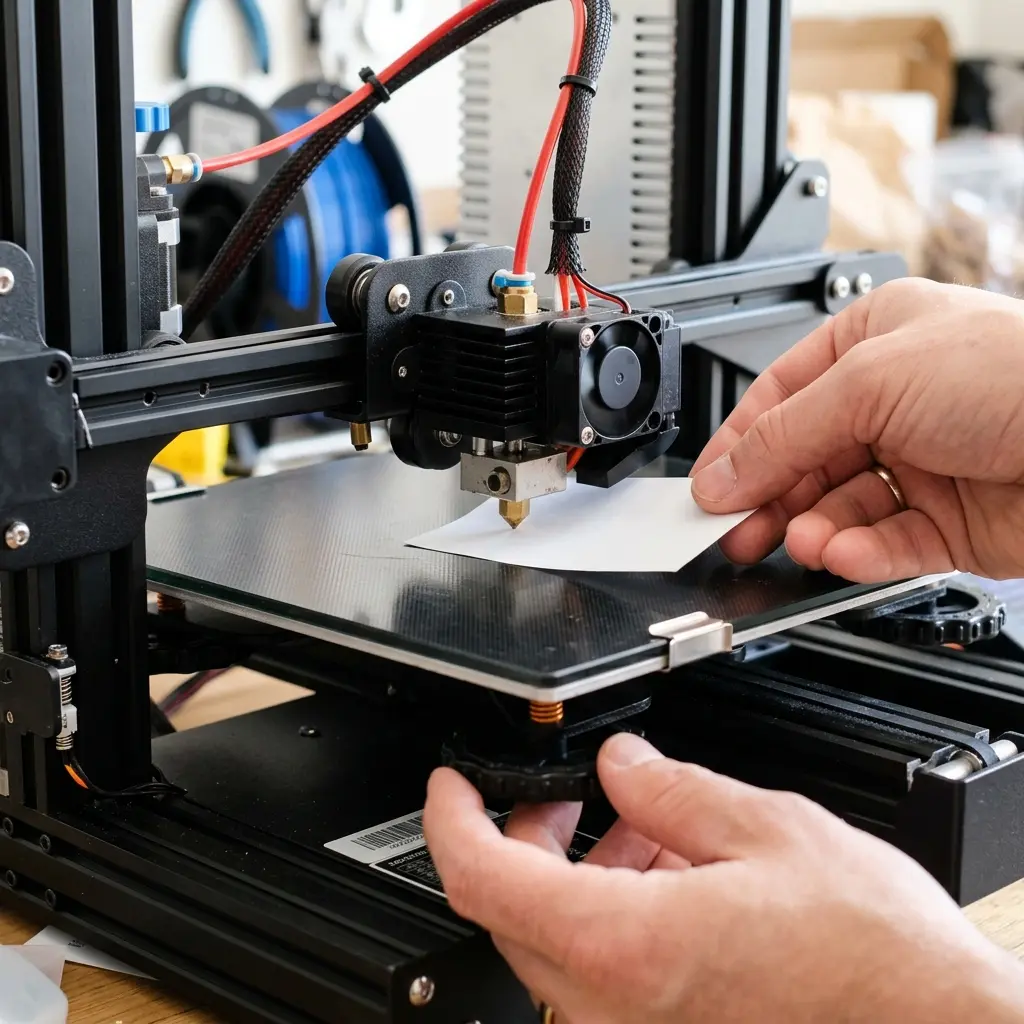
Printing nylon filament using a hardened steel nozzle can prevent clogs and ensure high-quality results in 3D printing.
The Benefits of Using a Hardened Steel Nozzle for Nylon Filament
Nylon filament is known for its strength and flexibility, making it a popular choice for various applications. No entanto, imprimir com nylon pode apresentar desafios, especialmente problemas de entupimento.
Um bico de aço temperado oferece durabilidade aprimorada em comparação com bicos de latão padrão. Essa durabilidade é crucial ao imprimir materiais abrasivos como nylon, que podem desgastar bicos mais macios rapidamente.
Understanding Nylon Filament Properties
Before diving into the printing process, it's essential to understand the properties of nylon filament. Nylon é higroscópico, o que significa que absorve umidade do ar, o que pode levar a problemas de impressão.
Quando o nylon carregado de umidade é aquecido, pode criar vapor, causando entupimentos e baixa qualidade de impressão. O armazenamento adequado e a pré-secagem do filamento de nylon são etapas críticas na prevenção desses problemas.
Preparing the 3D Printer for Nylon Printing
Preparation is key to a successful printing experience with nylon filament. Begin by ensuring that the 3D printer is clean and in good working condition.
Any leftover filament from previous prints can cause issues. Calibre a impressora para garantir dimensões precisas e aderência das camadas.
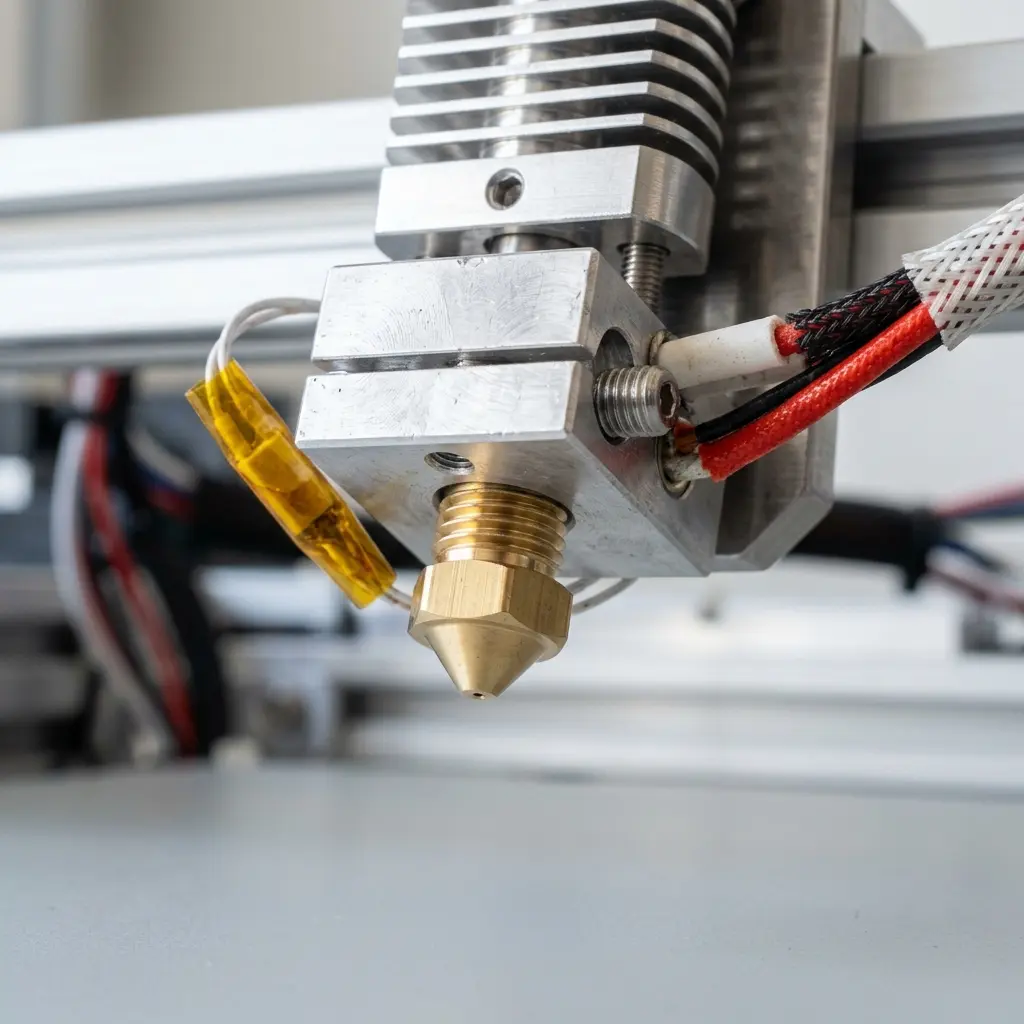
Pay close attention to bed leveling, as a well-leveled print bed will enhance the print quality. Utilize ferramentas de calibração para verificar a uniformidade da superfície de impressão.
Optimal Temperature Settings for Nylon Filament
Nylon typically requires higher printing temperatures than other materials such as PLA or ABS. The recommended nozzle temperature for nylon is usually between 240°C to 260°C.
Experimentation may be necessary to find the optimal temperature for specific nylon types. A higher temperature can improve flow and adhesion but can also increase the risk of oozing and stringing.
Using the Right Print Settings in Your Slicer
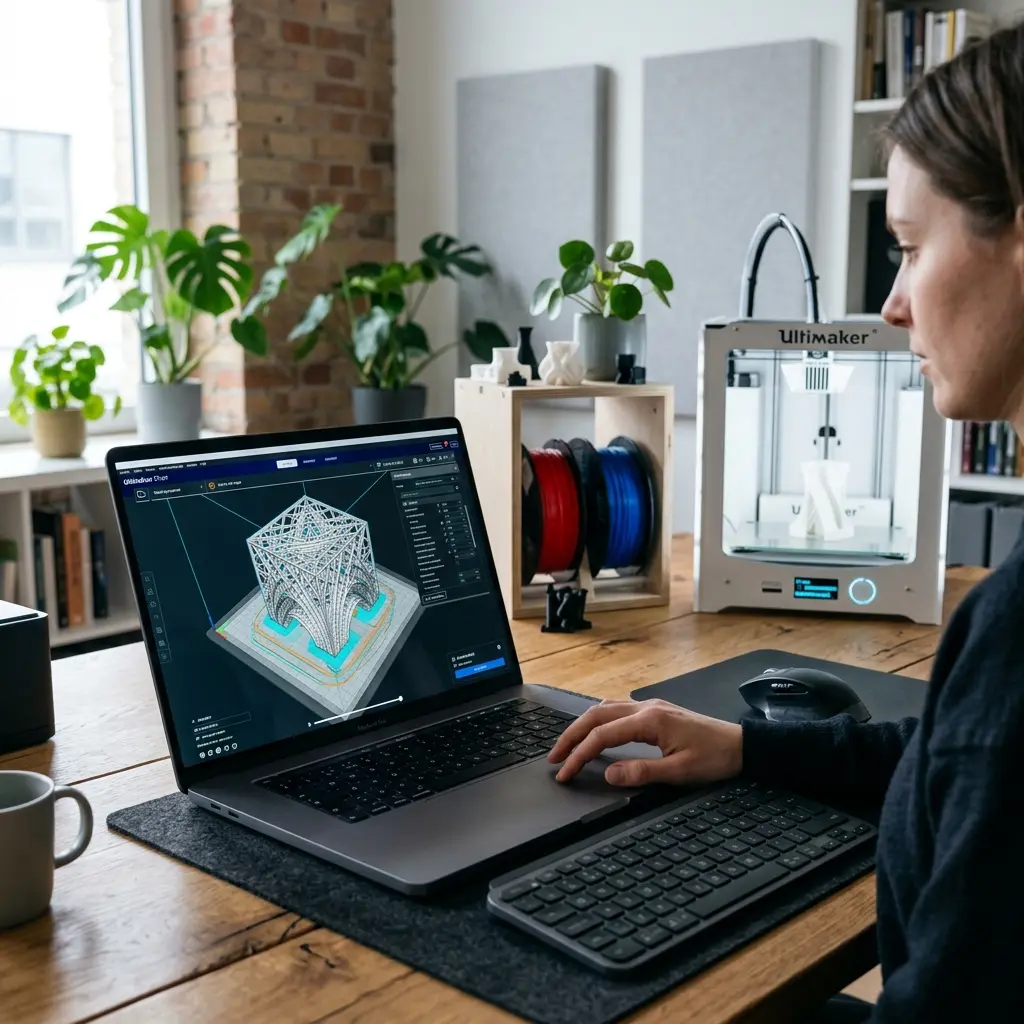
Choosing the correct slicer settings is crucial for successful nylon printing. Layer height, print speed, and infill density all play significant roles in the final output.
For nylon, a layer height of 0.1 to 0.3 mm is generally recommended, with print speeds around 30-50 mm/s. Higher infill percentages can improve strength but may also increase print time.
Implementing a Drying Process for Nylon Filament
As mentioned earlier, moisture is an enemy of nylon printing. Pre-drying the filament before use helps to mitigate potential printing issues.
A filament dryer or a simple oven set to a low temperature (around 70°C) can effectively remove moisture. A drying time of approximately 4-6 hours is usually sufficient.
Best Practices for Maintaining a Clog-Free Experience
To maintain a clog-free experience while printing with nylon, consider the following best practices:
- Use a hardened steel nozzle to resist wear.
- Ensure the filament is dry before printing.
- Calibrate the print bed and nozzle height accurately.
- Adjust temperature settings based on the specific nylon brand.
- Monitor print speed and layer height for optimal results.
DomineTec Tip: Regularly clean the nozzle during long prints to prevent clogs caused by residue buildup.
Comparative Analysis of Nozzle Materials
| Nozzle Material | Durability | Cost | Recommended Use |
|---|---|---|---|
| Brass | Low | Low | Standard filaments (PLA, ABS) |
| Hardened Steel | High | Medium | Abrasive filaments (Nylon, Carbon Fiber) |
| Stainless Steel | Medium | Medium | General use; less wear than brass |
| Copper | Medium | High | Heat conductivity applications |
Common Issues and Troubleshooting When Printing Nylon
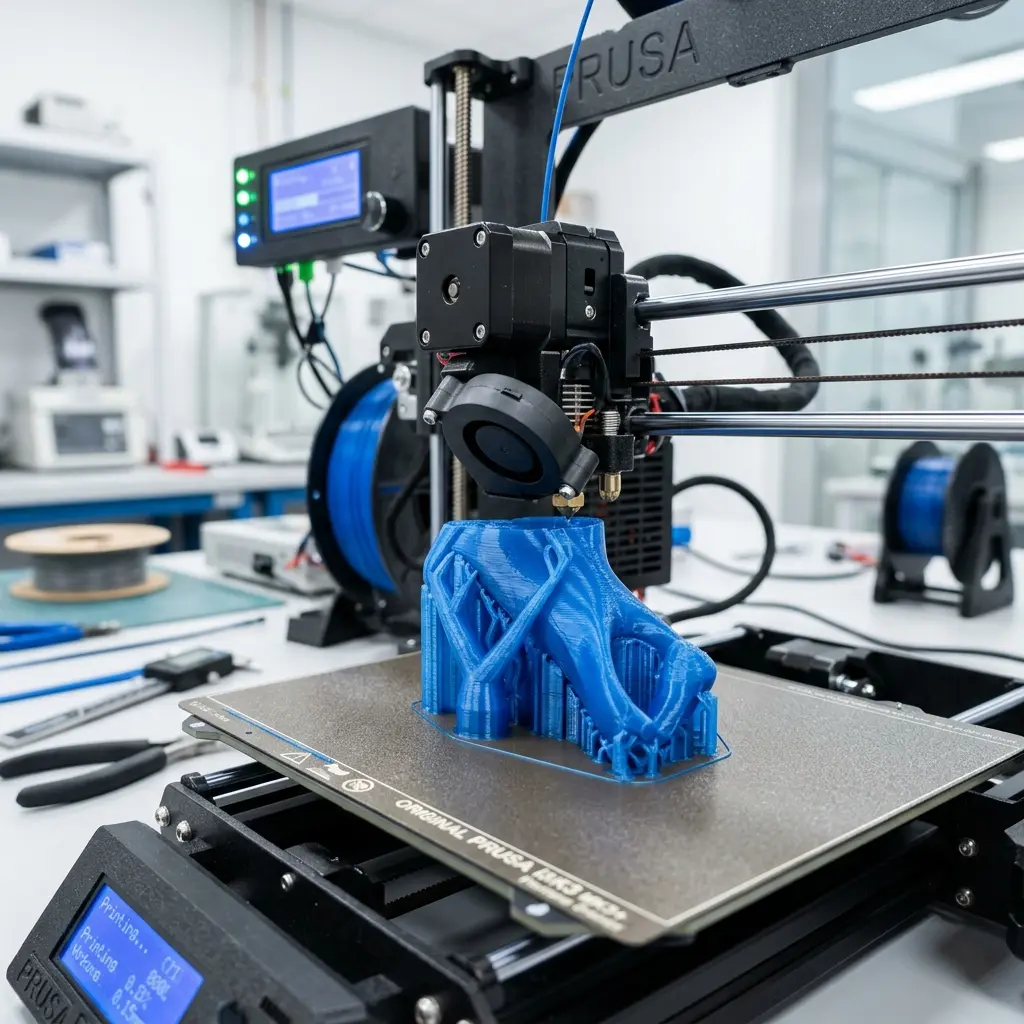
Even with the right setup, issues may arise during nylon printing. Common problems include warping, stringing, and poor layer adhesion.
Warping can often be mitigated by using an enclosure to maintain a stable temperature. Stringing can be reduced by adjusting retraction settings and print speed.
Post-Processing Tips for Nylon Prints
After printing, nylon parts may require additional post-processing to enhance their appearance and performance. Sanding can help smooth out rough surfaces.
For added strength and a smoother finish, consider applying a coat of epoxy or a similar resin. This technique can also help seal the surface against moisture ingress.
Frequently Asked Questions
What is the best nozzle size for nylon printing?
A 0.4 mm nozzle is typically recommended for nylon printing. This size balances detail with material flow, ensuring smooth extrusion.
Can nylon be printed without a heated bed?
While a heated bed is not strictly necessary, it is highly recommended to minimize warping and improve adhesion during printing.
How do I store nylon filament to prevent moisture absorption?
Nylon filament should be stored in an airtight container with desiccants to absorb moisture. Vacuum sealing is an excellent method for long-term storage.
What are the drawbacks of using nylon filament?
Some drawbacks include its susceptibility to moisture and the potential for warping. Proper handling and storage can mitigate these issues.
Is nylon filament recyclable?
Nylon filament can be recycled, but the process is not as straightforward as other materials like PETG or PLA. Check local facilities for specific guidelines.
Checklist for Successful Nylon Printing
- Ensure the printer is clean and calibrated.
- Use a hardened steel nozzle to prevent wear.
- Dry the nylon filament before use.
- Set the correct temperature (240°C to 260°C).
- Adjust slicer settings for layer height and print speed.
- Monitor for signs of moisture or clogs during printing.
Advanced Techniques for Enhancing Nylon Prints
In order to improve the quality of nylon prints, several advanced techniques can be implemented. These techniques may include using a filament dryer, utilizing an enclosure, and experimenting with different slicer settings.
Utilizing a filament dryer can ensure that the filament remains dry throughout the printing process. An enclosure can help maintain a consistent temperature, reducing the likelihood of warping and stringing.
Conclusion
Printing with nylon filament can yield high-quality results when the right techniques and tools are employed. Using a hardened steel nozzle, maintaining proper filament storage, and adjusting printer settings are essential steps in achieving successful prints.
By following the guidelines outlined in this article, users can significantly reduce the risk of clogs and other printing issues, ensuring a more efficient and enjoyable 3D printing experience.




