How to Print ABS Filament Safely Without Warping and Cracking
How to Print ABS Filament Safely Without Warping and Cracking
ABS (Acrylonitrile Butadiene Styrene) is a popular thermoplastic used in 3D printing due to its strength and durability. However, printing with ABS can be challenging due to issues such as warping and cracking. This guide provides techniques and settings to ensure successful ABS printing.
Understanding Warping and Cracking
Warping occurs when the material cools unevenly, leading to the corners of the print lifting off the build plate. Cracking can happen during or after printing due to internal stresses. Both issues can compromise the integrity and appearance of the printed object.
Optimal Printing Environment
To minimize warping and cracking, it is essential to control the printing environment. Below are key factors to consider:
- Temperature Control: Maintain a consistent ambient temperature around the printer.
- Draft-Free Zone: Ensure the printing area is free from drafts, which can cool the print unevenly.
- Enclosure: Use an enclosure to trap heat and reduce temperature fluctuations during printing.
Printer Settings
Adjusting printer settings can significantly affect the print quality of ABS. The following table summarizes recommended settings:
| Parameter | Recommended Value |
|---|---|
| Extruder Temperature | 220°C - 250°C |
| Bed Temperature | 90°C - 110°C |
| Print Speed | 40 mm/s - 60 mm/s |
| Layer Height | 0.1 mm - 0.3 mm |
| Cooling Fan | Off |
Build Plate Preparation
The build plate's preparation is crucial for reducing warping. Consider the following options:
- Adhesive Solutions:
- Glue Stick
- Hairspray
- ABS Slurry (mix of ABS filament and acetone)
- Build Surface: Use a heated glass or PEI sheet for better adhesion.
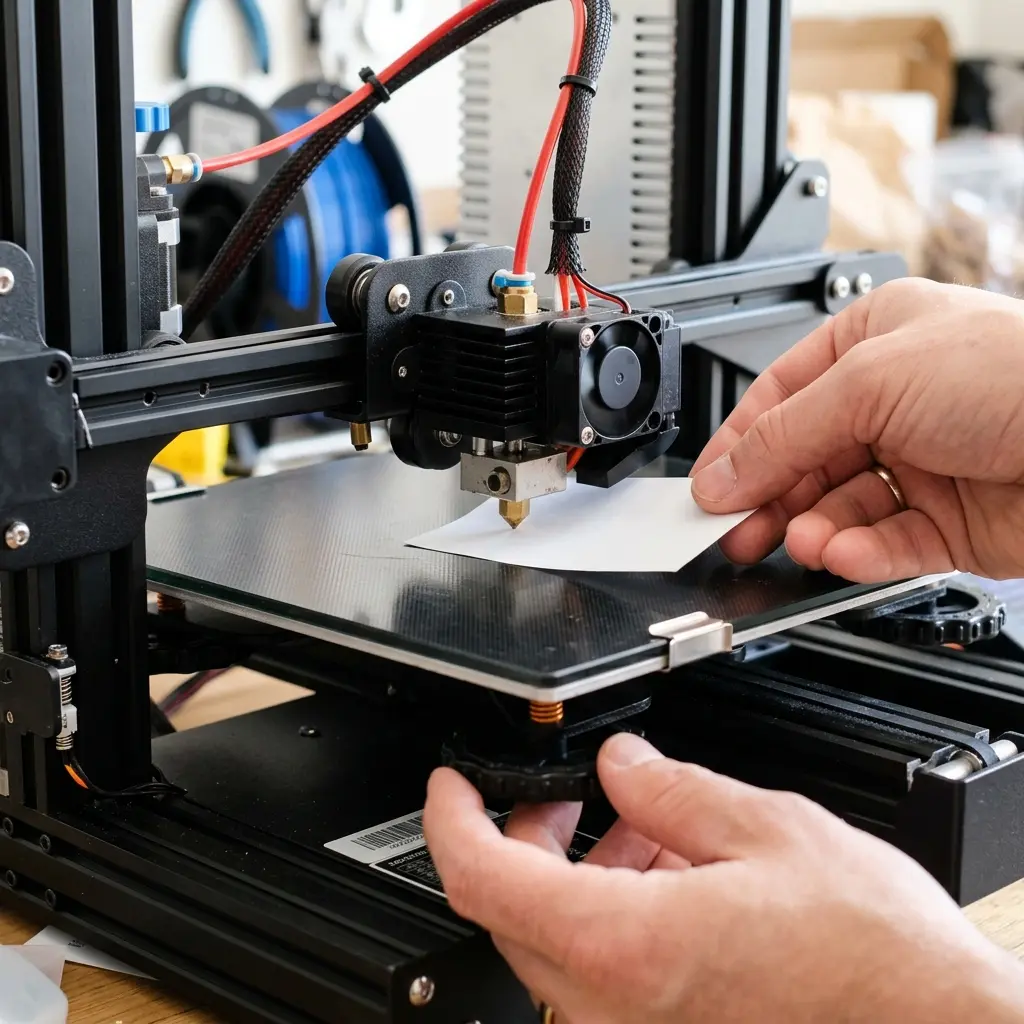
- Leveling: Ensure the build plate is properly leveled to provide uniform first layer adhesion.
First Layer Settings
The first layer is critical for the overall success of an ABS print. Here are recommendations:
- First Layer Height: Increase the first layer height to allow better adhesion.
- First Layer Speed: Reduce the speed of the first layer to improve adhesion.
- First Layer Cooling: Turn off cooling for the first layer to prevent warping.
Post-Processing Techniques
After printing, additional steps can help alleviate warping and cracking:
- Annealing: Heat the printed object in an oven at 80°C - 100°C for a few minutes to relieve internal stresses.
- Acetone Vapor Treatment: Expose the print to acetone vapor to smooth out the surface and improve layer adhesion.
Common Issues and Troubleshooting
Even with careful preparation, issues may arise. Below is a list of common problems and solutions:
| Issue | Possible Cause | Solution |
|---|---|---|
| Warping | Inadequate bed adhesion | Use adhesive solutions or adjust bed temperature. |
| Cracking | Rapid cooling | Use an enclosure or increase print temperature. |
| Stringing | Excessive retraction settings | Reduce retraction distance or speed. |
| Surface Imperfections | Improper nozzle temperature | Adjust the extruder temperature. |
Material Quality
The quality of ABS filament can greatly affect print outcomes. It is advisable to use high-quality filament from reputable manufacturers. Look for the following:
- Diameter Consistency: Ensure the filament diameter is consistent (typically 1.75mm or 2.85mm).
- Moisture Content: Store filament in a dry environment to prevent moisture absorption, which can lead to poor print quality.
Conclusion
Printing with ABS filament requires careful control of various factors to avoid warping and cracking. By maintaining an optimal environment, adjusting printer settings, preparing the build plate, and applying post-processing techniques, successful ABS prints can be achieved. Troubleshooting common issues and using high-quality materials will further enhance print outcomes.
Frequently Asked Questions
What temperature should the heated bed be set to when printing ABS?
The heated bed should typically be set between 90°C and 110°C to ensure proper adhesion and reduce warping.
Can ABS be printed without a heated bed?
While it is technically possible, printing ABS without a heated bed is not recommended. It increases the likelihood of warping and adhesion issues.
What are the best slicer settings for ABS filament?
Recommended slicer settings for ABS include a nozzle temperature of 210°C to 250°C and a heated bed temperature of 90°C to 110°C, with slower print speeds for better results.
How to prevent ABS from warping?
Using a heated bed, ensuring proper bed adhesion, and printing in an enclosed space are effective ways to prevent ABS from warping during printing.
Is post-processing necessary for ABS prints?
While not mandatory, post-processing can significantly enhance the appearance and durability of ABS prints, making it a recommended practice for improved results.




