Introduction
Making money with a drone is entirely feasible and increasingly popular. In 2026, various industries are leveraging drone technology for multiple applications. Whether you're a hobbyist or a seasoned pilot, there are numerous opportunities to monetize your skills.
1. Aerial Photography and Videography
Aerial photography is one of the most lucrative ways to make money with drones. Many businesses, including real estate firms, utilize drone footage for marketing. By capturing stunning images and videos, you can cater to a diverse range of clients.
Equipment Needed
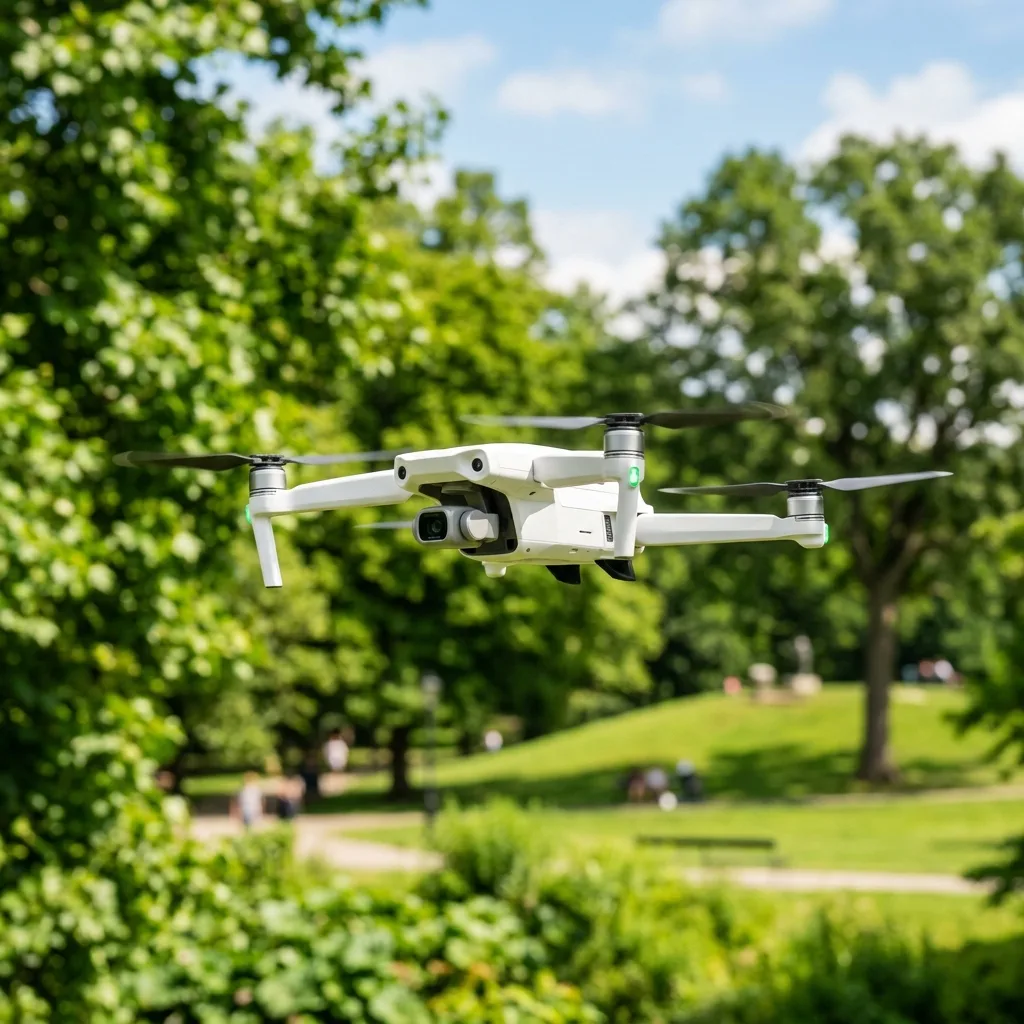
Invest in a high-quality camera drone capable of shooting in 4K or higher. Popular models like the DJI Mini 4 Pro offer excellent features for both beginners and professionals.
2. Drone Surveying and Mapping
Drone technology has transformed surveying and mapping industries. Drones can collect data faster and more accurately than traditional methods. Construction companies, for example, are increasingly using drones for site surveys.

Software and Training
To excel in this field, familiarize yourself with mapping software such as DroneDeploy or Pix4D. These tools help in analyzing and processing aerial data effectively.
3. Agricultural Monitoring
Drones play a vital role in modern agriculture. They can monitor crop health, assess irrigation needs, and even apply pesticides. Farmers are increasingly adopting this technology to boost productivity.

Target Audience
Your target clients will primarily be farmers and agricultural businesses. Offering subscription-based services can ensure a steady income stream.
4. Search and Rescue Operations
Many organizations use drones for search and rescue missions. Drones equipped with thermal cameras can quickly locate missing persons in remote areas. Partnering with local authorities can provide a unique opportunity for profit.
5. Real Estate Marketing
Real estate agents are increasingly using drone footage to showcase properties. High-quality aerial videos can give potential buyers a better perspective of the property and its surroundings.
6. Drone Delivery Services
With the rise of e-commerce, drone delivery services are becoming more viable. Companies like Amazon are investing in drone technology to streamline their delivery processes.
7. Filmmaking and Event Coverage
Drones have become a staple in the film and event industry. Offering drone services for weddings, concerts, and other events can significantly increase your earnings.

Marketing Your Services
Create a portfolio showcasing your best work to attract clients. Utilize social media platforms to reach a broader audience.
8. Drone Racing
Drone racing has gained popularity as a competitive sport. Participating in races can lead to sponsorships and cash prizes. Building your brand in the racing community can be both fun and profitable.
9. Teaching and Training
If you're an experienced pilot, consider offering training sessions for aspiring drone operators. Many individuals and businesses are looking for certified training.
10. Drone Maintenance and Repair
As drone usage grows, so does the need for maintenance and repair services. Offering these services can create a sustainable business model.
Comparative Analysis of Drone Services
| Service Type | Average Income | Required Skills |
|---|---|---|
| Aerial Photography | $50 - $300 per hour | Photography, Editing |
| Surveying | $100 - $500 per project | Mapping Software |
| Agricultural Monitoring | $200 - $1,000 per month | Agriculture Knowledge |
| Search and Rescue | Variable, based on contracts | Coordination Skills |
| Drone Racing | $500 - $10,000 per season | Flying Skills |
Conclusion
In 2026, the opportunities to make money with drones are abundant. From photography to agriculture, there’s a niche for everyone. As technology evolves, staying informed about industry trends will enhance your chances of success.
FAQ
What is the best way to start making money with a drone?
Begin by identifying your skills and interests, such as photography or surveying. Invest in necessary equipment and market your services.
Do I need a license to operate a drone commercially?
Yes, in many countries, you need a specific license or certification to operate a drone for commercial purposes.
How much can I earn with a drone?
Earnings vary based on services offered, but many drone operators earn between $50 to $500 per hour.
Understanding Drone Regulations and Compliance
Operating a drone for commercial purposes necessitates a thorough understanding of the regulatory landscape governing drone usage. The Federal Aviation Administration (FAA) in the United States oversees the operation of drones through Part 107 of the Federal Aviation Regulations. This regulation outlines the requirements for commercial drone pilots, including age restrictions, licensing, and operational limitations. To legally operate a drone for profit, it is fundamental to obtain a Remote Pilot Certificate by passing the FAA's knowledge test. This certification ensures that pilots are knowledgeable about airspace classifications, weather effects on drone operations, and emergency procedures.
In addition to federal regulations, operators must also be aware of state and local laws that may impose additional restrictions on drone usage. Many states have enacted legislation addressing privacy concerns, flight restrictions over certain areas, and requirements for obtaining permissions for commercial activities. It is highly important to research and comply with these regulations to avoid fines and legal repercussions. Various online resources and drone industry associations offer guidance on navigating these regulations and staying compliant.
Another important aspect of regulatory compliance is the maintenance of the drone itself. Operators should ensure that their drones are maintained according to the manufacturer’s specifications and that they undergo regular inspections. Keeping accurate maintenance logs is advisable, as this documentation may be required during regulatory audits or inspections. In addition, understanding maintenance protocols contributes to the safety of operations and the longevity of the equipment, which is vital for sustained profitability.
Furthermore, drone operators must stay updated on evolving regulations. The drone industry is rapidly changing, and new laws, such as remote identification requirements and airspace management systems, are continually being developed. Following FAA announcements, participating in industry forums, and engaging with professional associations can provide valuable insights into upcoming regulatory changes. By proactively staying informed, drone operators can adapt their business strategies and remain compliant, thus ensuring long-term operational success.
Monetizing Drone Services: Business Models and Market Opportunities
The drone industry presents a plethora of business models that can be leveraged for monetization, each with its unique set of opportunities, challenges, and target markets. An important first step in developing a drone-based business is to identify niche markets where demand exists. The sectors showing significant promise include aerial photography and videography, agriculture, construction, real estate, and surveying. Each of these markets requires specialized knowledge, equipment, and marketing strategies tailored to the target audience.
Aerial photography and videography have become one of the most popular applications for drones, particularly in the real estate sector. Real estate agents often seek high-quality aerial images and videos to enhance property listings, thereby increasing buyer interest. To capitalize on this opportunity, operators should invest in high-resolution cameras and software capable of editing and producing professional-grade content. Establishing partnerships with real estate agents can create a steady stream of business, as word-of-mouth referrals often lead to additional clients.
In agriculture, drones are increasingly used for precision farming, enabling farmers to monitor crop health, optimize irrigation, and assess yield potential. By providing services such as crop mapping, soil analysis, and aerial spraying, drone operators can tap into this lucrative market. It may be beneficial to acquire specialized sensors, such as multispectral cameras, to provide farmers with actionable insights that can enhance productivity and reduce costs. Building relationships with agricultural cooperatives and attending industry conferences can help in establishing a presence within this sector.
Construction and infrastructure inspection also represent significant opportunities. Drones can facilitate site surveys, monitor progress, and perform inspections that would otherwise be time-consuming and risky for human workers. To effectively market these services, operators need to understand the construction workflow and the specific needs of construction managers. Offering detailed reports and analytics generated from drone data can provide added value, differentiating services in a competitive market.
Moreover, establishing a pricing strategy is highly important to the success of any drone service business. Operators should conduct market research to understand prevailing rates for similar services and develop competitive pricing models. Options can include hourly rates, flat fees per project, or subscription models for ongoing services. It is also vital to create detailed service agreements that outline deliverables, timelines, and payment terms to avoid potential disputes with clients.
Lastly, marketing plays a pivotal role in the success of a drone business. Developing a professional website, utilizing social media platforms, and engaging in search engine optimization (SEO) can help attract potential clients. Showcasing a portfolio of completed projects, client testimonials, and case studies can establish credibility and trust with prospective customers. Participating in local trade shows and community events can further enhance visibility and generate leads.
Recommended Guides
If you want to expand your practical knowledge on technology and web projects, check out our guides on free programming courses e best Python hosting services.
Understanding Drone Regulations and Compliance
To effectively navigate the landscape of monetizing drone technology, it is fundamental to understand the regulatory framework governing drone operations. In the United States, the Federal Aviation Administration (FAA) is the primary regulatory body overseeing drone usage. The FAA has established clear guidelines, including the Part 107 regulations which apply to commercial drone operations. Compliance with these regulations is critical, not only for legal operation but also for building trust with clients and ensuring safety in operations.
Part 107 mandates that drone pilots must obtain a Remote Pilot Certificate, which requires passing a knowledge test that covers various topics, including airspace classifications, weather, and operational limitations. Additionally, pilots must be at least 16 years old and undergo a security background check. Understanding these prerequisites is highly important for any business considering the use of drones as a revenue-generating tool.
Beyond obtaining the necessary certification, drone operators must adhere to specific operational limitations. For instance, drones must be flown within the visual line of sight, should not exceed an altitude of 400 feet, and cannot operate over people unless certain conditions are met. It is also important to be aware of airspace restrictions, including no-fly zones, which are often located around airports, military bases, and other sensitive areas. Utilizing tools such as the FAA's B4UFLY app can assist operators in determining whether it is safe to fly in a given area.
Additionally, keeping abreast of state and local regulations is vital, as these can vary significantly. Some regions have enacted stricter laws regarding drone use, including requiring permits for specific activities like aerial photography or surveying. Operators should also consider liability insurance to protect against potential accidents or damages that may occur during operations. With the rapid evolution of drone technology and applications, staying informed about changes in regulations is fundamental for maintaining compliance and capitalizing on business opportunities.
Lastly, engaging with industry associations and participating in forums can provide valuable insights into regulatory developments and best practices. The Association for Unmanned Vehicle Systems International (AUVSI) and the Drone Manufacturers Alliance are examples of organizations that advocate for the interests of drone operators and work towards establishing clearer regulations. By aligning with such entities, businesses can not only ensure compliance but also influence future regulatory frameworks, thereby shaping the industry landscape.
Implementing Advanced Drone Technologies for Competitive Advantage
As the drone industry continues to grow, adopting advanced technologies becomes paramount for businesses seeking a competitive edge. Drones are equipped with various technologies, such as artificial intelligence (AI), machine learning, and computer vision, which can significantly enhance operational efficiency and service offerings. When integrating these technologies, operators must first assess their specific business needs and identify which advancements can be leveraged to optimize performance and profitability.
One of the most impactful technologies in drone operations is AI, which can improve data collection and analysis. For instance, drones equipped with AI algorithms can process imagery in real-time, allowing for immediate assessments in fields such as agriculture, construction, and real estate. This capability enables operators to provide clients with timely insights and actionable recommendations based on aerial data. Incorporating AI also streamlines workflows, reducing the need for extensive manual data processing and thereby minimizing human error.
Another critical technology is the use of high-resolution cameras and sensors, including LiDAR and multispectral cameras. These tools allow for precise measurements and data collection across various industries. In agriculture, for instance, drones equipped with multispectral sensors can analyze crop health by detecting variations in plant reflectance. This data can help farmers make informed decisions regarding irrigation, fertilization, and pest control, ultimately leading to increased yields and reduced costs.
Moreover, enhancing drone operations with automation technologies can lead to significant improvements in efficiency. Utilizing software platforms that facilitate mission planning and fleet management can help operators schedule flights, track drone locations, and analyze collected data seamlessly. Advanced automation tools can also enable drones to perform complex tasks autonomously, such as surveying large areas or conducting inspections in hazardous environments. This reduces the need for manual intervention, allowing businesses to scale operations without proportionally increasing labor costs.
To successfully implement these advanced technologies, operators should establish a clear roadmap. The first step involves conducting a thorough market analysis to identify trends and demands within the target industry. Next, operators should invest in appropriate training for their teams to ensure they can effectively leverage new technologies. This may include online courses, workshops, or collaboration with technology providers.
Furthermore, investing in R&D can lead to innovative service offerings that differentiate businesses from competitors. For example, integrating drone data with Geographic Information Systems (GIS) can provide clients with invaluable insights into land use, environmental impact, or urban planning. As businesses explore these advanced technologies, maintaining an adaptable approach will be highly important, allowing for ongoing adjustments based on market feedback and technological advancements.
Ultimately, the successful implementation of advanced drone technologies can lead to increased operational efficiencies, enhanced service offerings, and improved client satisfaction, all of which are vital for long-term profitability in the competitive drone market.




