How to Make a Mechanical Keyboard Quieter: Easy DIY Modding
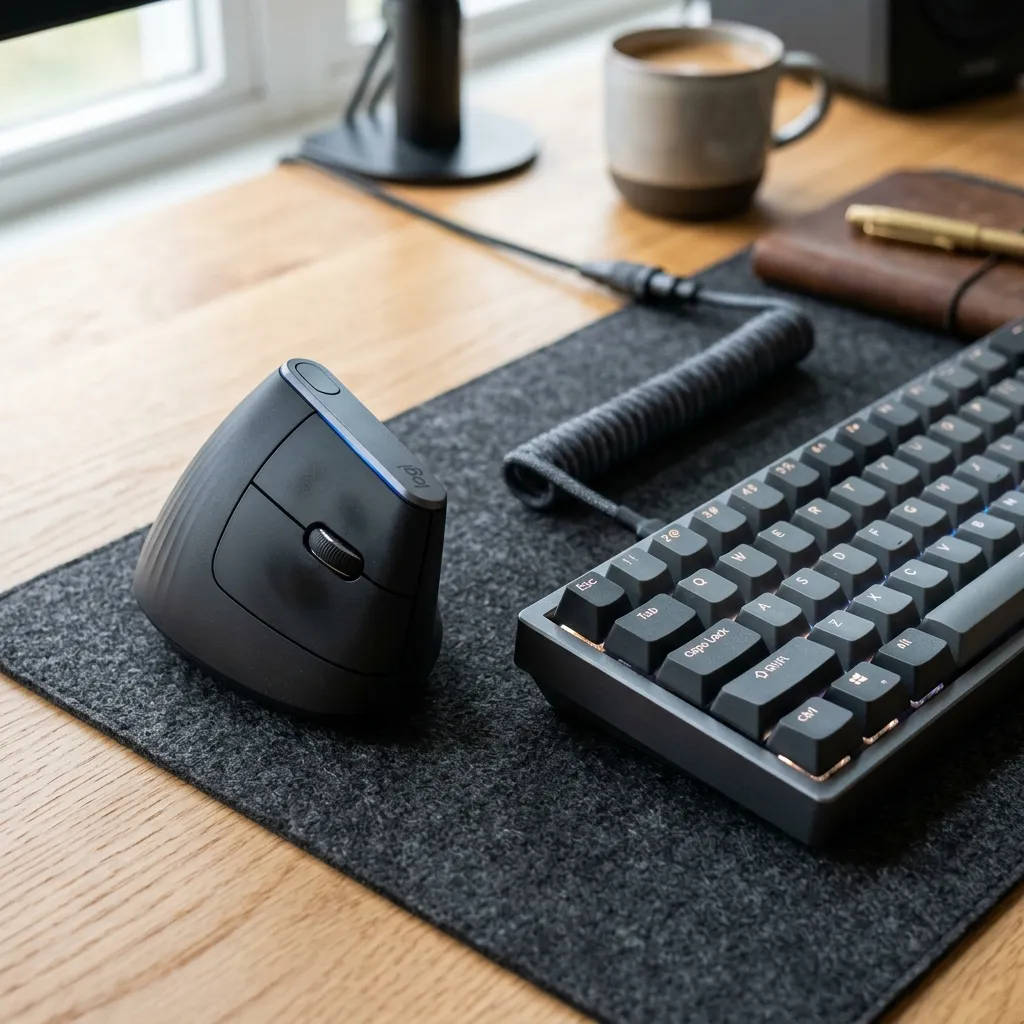
Making a mechanical keyboard quieter involves simple DIY modifications that enhance user experience without sacrificing performance.
Understanding Mechanical Keyboard Noise
Mechanical keyboards are known for their tactile feedback, but this can lead to significant noise levels. Key switches, such as Cherry MX, produce varying sound profiles depending on their construction.
Key Switch Selection
Choosing quieter key switches, like Cherry MX Silent or Gateron Silent, can drastically reduce noise levels. Switch types differ in actuation force and sound, making informed selection crucial.
Adding Dampening Materials
Incorporating dampening foam within the keyboard casing absorbs vibrations and decreases sound. Materials such as neoprene or silicone are effective in achieving quieter keystrokes.
O-Ring Installation
O-rings can be placed on the keycap stems to cushion impacts, effectively lowering noise upon bottoming out. This low-cost modification offers a significant reduction in sound without affecting key feel.
Sound-Absorbing Surfaces
Using a sound-absorbing mat under the keyboard can further mitigate noise transmission to the desk surface. Options like rubber or felt mats provide effective noise dampening.
| Switch Type | Noise Level | Actuation Force | Feedback Type |
|---|---|---|---|
| Cherry MX Blue | High | 50g | Tactile & Clicky |
| Cherry MX Brown | Medium | 45g | Tactile |
| Cherry MX Red | Low | 45g | Linear |
| Cherry MX Silent Red | Very Low | 45g | Linear |
DomineTec Tip: Consider adjusting typing technique to minimize force used when pressing keys, which can also help in reducing noise.
- Select quieter key switches based on sound profile and actuation force.
- Install O-rings on keycaps to cushion keystrokes.
- Incorporate dampening foam in the keyboard housing.
- Utilize sound-absorbing mats to minimize desk noise.
- Regularly clean and maintain the keyboard for optimal performance.
For optimal keyboard performance, choose mechanical keyboard switches that suit individual typing preferences. Pairing the keyboard with an ergonomic office chair can further enhance comfort during extended use.
Lubricating Key Switches
Lubrication can significantly reduce friction in mechanical keyboard switches, leading to a quieter typing experience. Applying a suitable lubricant to the moving parts of the switch dampens the sound produced during keystrokes.
When applying lubricant, it's important to choose one that is compatible with the materials of the switch. Common options include synthetic greases and oils designed specifically for keyboard switches.
Disassembling the switches is often necessary for proper lubrication, which can be a time-consuming process. However, the results can be well worth the effort, as it reduces noise and enhances the overall feel of the key presses.
Ensure that the lubricant is applied sparingly; excessive lubrication can lead to a sluggish feel and may attract dust and debris over time. Testing different lubricants can help users find the ideal balance between sound reduction and tactile feedback.
Switch Film Installation
Switch films are thin layers of material placed between the top and bottom housing of a mechanical switch. They help tighten the switch assembly, reducing noise created by components rattling against each other.
Installing switch films requires disassembling the switches, similar to the lubrication process. This additional step may deter some users, but the improvement in sound dampening can be significant.
Common materials for switch films include silicone and foam, both of which absorb vibrations effectively. Choosing the right thickness and material can influence the overall sound profile of the keyboard.
While the installation process may seem daunting, many users find it to be a rewarding DIY project, leading to a quieter and more satisfying typing experience. The combination of films and lubrication can provide the ultimate sound dampening solution.
Rubber Feet and Pads
The type of surface on which a keyboard rests can contribute to the overall noise level. Adding rubber feet or pads can help absorb vibrations and prevent the keyboard from sliding around during use.
These feet can be easily purchased or made from materials like silicone rubber. They create a barrier between the keyboard and the desk, minimizing noise generated from impacts and movement.
In addition to sound dampening, rubber feet can enhance the ergonomics of the typing experience by providing a more stable base. This stability can lead to a more consistent typing rhythm, further reducing noise.
Replacing worn-out or inadequate feet with high-quality rubber alternatives can be a simple yet effective mod. Users will notice a reduction in noise, particularly when typing aggressively or during gaming sessions.
Sound Dampening Foams
Incorporating sound dampening foams inside the keyboard case can significantly cut down on noise levels. These foams absorb vibrations from the switches and help to deaden the sound of key presses.
There are various types of foam available, including open-cell and closed-cell options, each with different properties. Open-cell foams are typically more effective at absorbing sound, while closed-cell foams can add structure to the keyboard.
Foam can be cut to size and inserted into the keyboard case without extensive modifications. This DIY solution is popular among enthusiasts looking to customize their keyboards for quieter performance.
When adding foam, it's essential to ensure it does not interfere with the switches or other components. Proper placement can lead to a more refined sound and an overall enhanced typing experience.
Keycap Material and Design
The material and design of keycaps can influence the noise level of a mechanical keyboard. Keycaps made from thicker materials, such as PBT, tend to produce a deeper sound than thinner ABS caps.
Additionally, the shape and profile of the keycaps can affect acoustics. Sculpted keycaps can create different sound profiles, and users may prefer certain shapes for their typing experience.
Experimenting with different keycap sets can lead to a more satisfying auditory result. Some manufacturers offer specific quieter keycap designs, which can be a worthy investment for those looking to minimize sound.
While changing keycaps may seem like a minor adjustment, the cumulative effect of the material and design can greatly enhance the overall sound quality of the keyboard.
Keyboard Layout and Placement
The layout and placement of the keyboard can also impact the perceived noise level. Positioning the keyboard on a softer surface, such as a desk mat, can reduce noise generated by keystrokes.
Keyboard layout influences how sound travels. For instance, a compact layout may result in less distance for sound to travel, potentially reducing noise compared to a full-sized keyboard.
Experimenting with different placements can help users discover the optimal setup for sound dampening. Elevating the keyboard slightly or adjusting its angle can also contribute to a more comfortable and quieter typing experience.
Taking the time to find the best placement can lead to substantial improvements in sound management, making a noticeable difference in daily use.
Upgrading to Silent Switches
For those looking to significantly reduce noise levels, upgrading to silent key switches is an effective option. Silent switches are designed with built-in dampening features that minimize sound during both key presses and releases.
Popular brands such as Cherry, Gateron, and Kailh offer silent variants of their switches, often labeled with “silent” in their names. These switches employ rubber or silicone mechanisms that absorb sound, making them ideal for quieter environments.
When considering a switch upgrade, compatibility with your keyboard's PCB (printed circuit board) is crucial. Ensure that the new switches are compatible with your keyboard's layout and switch mounting type, whether it's hot-swappable or requires soldering.
In addition to reducing noise, silent switches often provide a smooth typing experience. Users may find that the tactile feedback is maintained while enjoying a quieter environment, enhancing overall comfort during long typing sessions.
Utilizing Plate Foam
Plate foam is an additional modding option that can further dampen sound within a mechanical keyboard. This foam is placed between the key switches and the keyboard's plate, acting as a buffer that absorbs vibrations.
When installing plate foam, it's important to choose a material that is dense yet flexible, allowing for effective sound absorption without compromising the keyboard's structural integrity. Common materials include neoprene or EVA foam.
By incorporating plate foam, users can experience a more muted sound profile while typing, as it reduces the impact noise produced when keys are bottomed out. This mod is particularly effective in combination with other sound dampening techniques.
Additionally, plate foam can enhance the overall acoustics of the keyboard, leading to a more refined sound when typing. It can help achieve a more satisfying auditory experience while still focusing on noise reduction.
Exploring Case Modifications
The case of a mechanical keyboard plays a significant role in sound production. Modifying the case can lead to substantial reductions in noise levels, particularly with regards to resonance and vibrations.
Using a thicker, more substantial case material can help minimize sound transmission. Materials such as aluminum or dense plastic can act as barriers to sound, reducing the overall noise profile of the keyboard.
Sealing the case with additional foam or rubber gaskets can also be beneficial. These materials can prevent sound from escaping and reduce vibrations that contribute to noise, creating a more acoustically controlled environment.
Additionally, ensuring that the case is securely assembled can prevent rattling or unwanted noise. Tightening screws and checking for loose parts can further enhance the keyboard's sound dampening capabilities.
Implementing Sound Dampening Techniques in Keycap Selection
The choice of keycap material and design can significantly affect the noise level of a mechanical keyboard. Thicker keycaps made from materials such as PBT or ABS can produce a deeper, more muted sound when pressed.
Keycaps with a more textured surface can also aid in reducing noise by creating less impact against the switch. Profiles such as SA or DSA may offer different acoustics due to their shape and thickness, influencing the overall sound produced during typing.
Choosing keycaps with a sound-dampening layer, such as rubberized coatings, can further assist in minimizing noise. This additional layer can absorb some of the sound generated when keys are pressed down or released.
Finally, the overall design and fit of the keycaps can impact sound levels. Ensuring that keycaps fit snugly on switches can prevent any rattling or movement that may contribute to unwanted noise during use.
Adjusting Keyboard Typing Technique
The way a user types can significantly impact the noise level of a mechanical keyboard. Adopting a lighter touch can help reduce the force applied to the keys, resulting in quieter keystrokes.
Practicing a more controlled typing technique can minimize bottoming out, which produces a louder sound when the key is pressed down completely. This adjustment not only helps with noise but can also improve typing speed and accuracy.
Incorporating a softer hand position and avoiding aggressive key presses can further reduce sound output. Some users find learning to type without relying on tactile feedback beneficial for achieving quieter performance.
By being mindful of typing habits, users can enhance their keyboard's sound profile alongside mechanical modifications, contributing to an overall quieter typing environment.
Exploring Mechanical Keyboard Plate Modifications
Plate modifications can significantly alter the acoustics of a mechanical keyboard, contributing to a quieter typing experience. By changing the material or thickness of the plate, users can influence the overall sound profile produced when keys are pressed.
One popular modification is to replace the stock metal plate with a softer material, such as polycarbonate or POM (Polyoxymethylene). These materials dampen vibrations more effectively than metal, leading to a more muted sound when keys are actuated.
Additionally, users may consider adding a layer of sound-dampening foam between the plate and the PCB (Printed Circuit Board). This foam acts as a buffer, absorbing excess noise and vibrations. When paired with softer plate materials, the overall sound profile can become significantly quieter.
Modifying the plate requires careful disassembly of the keyboard and may involve additional tools or materials. Proper measurement and alignment during installation are essential to ensure that the modification does not hinder key functionality or comfort.
Utilizing Acoustic Modifications for Enhanced Sound Control
Acoustic modifications can further enhance the quietness of mechanical keyboards by addressing sound transmission through the casing and components. These modifications may include the addition of specific sound-dampening materials that target various frequencies of sound.
Utilizing methods such as mass loading can effectively dampen vibrations and reduce noise output. Filling any hollow spaces within the keyboard case with sound-dampening materials, like silicone or rubber, can absorb sound waves and reduce resonance.
Applying sound-dampening mats or sheets to the inside of the keyboard case can greatly reduce the transmission of sound by adding mass and altering the vibrations that occur when keys are pressed. Choosing a mat with a higher density can yield better results in terms of sound absorption.
Acoustic modifications require a thoughtful approach to ensure they do not interfere with keyboard functionality. Proper planning and execution can lead to a significant decrease in noise levels while maintaining the intended feel and responsiveness of the mechanical keyboard.
Frequently Asked Questions
Are all mechanical keyboards noisy?
Not all mechanical keyboards produce the same noise levels; switch types significantly influence sound output.
What are the best dampening materials?
Neoprene and silicone are highly recommended for their effective noise absorption properties.
Do O-rings affect key feel?
O-rings can slightly alter key feel by softening the bottoming out, but many users find the trade-off worthwhile for reduced noise.
Is it difficult to install dampening foam?
Installation of dampening foam is relatively straightforward, requiring disassembly of the keyboard casing.
Can typing technique impact noise?
Yes, adjusting typing technique to use lighter pressure can significantly lower noise levels while typing.