How to Install a Solar Water Heater for Your Shower System
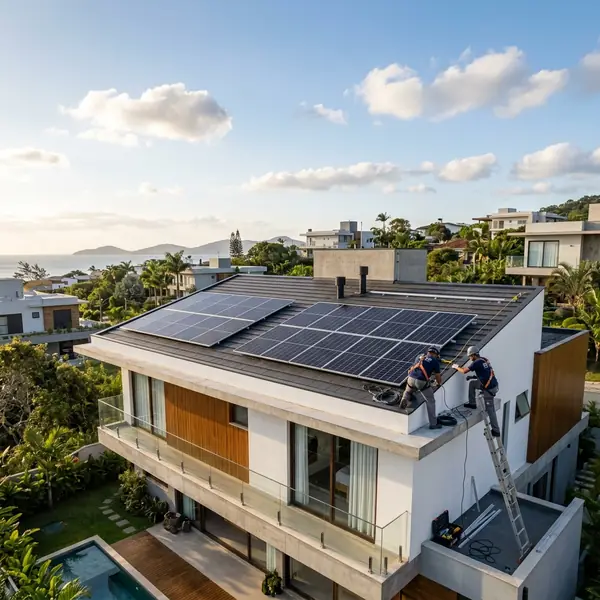
To install a solar water heater for a shower, connect thermal rooftop collectors to a hot water storage tank and a mixing valve.
Understanding Solar Water Heaters
Solar water heaters are systems that utilize solar energy to heat water for various domestic purposes. They are particularly beneficial for heating water for showers, which is one of the highest energy-consuming activities in a household.
These systems typically consist of solar collectors, a storage tank, and a distribution system. The solar collectors capture sunlight and convert it into heat, which is then transferred to the water in the storage tank.
Components of a Solar Water Heater
To effectively install a solar water heater, it's important to understand its main components:
- Solar Collectors: These are usually mounted on the roof and absorb sunlight to heat water.
- Storage Tank: This tank stores the heated water until it's needed.
- Circulation System: This includes pumps and pipes that move water between the collectors and the tank.
- Control System: This system regulates the temperature and flow of water.
Types of Solar Water Heaters
There are two primary types of solar water heaters: active and passive systems. Understanding these can help you make an informed choice.
Active Solar Water Heaters
Active systems use electric pumps to circulate water through the collectors and the tank. They are generally more efficient but also more complex and costly. There are two sub-types:
- Direct Circulation Systems: Suitable for areas with mild climates, these systems pump water directly through the collectors.
- Indirect Circulation Systems: These use a heat-transfer fluid instead of water, making them ideal for colder climates.
Passive Solar Water Heaters
Passive systems rely on natural convection and gravity to circulate water. They are simpler and less expensive but may not be as efficient as active systems. There are two main types:
- Integral Collector-Storage Systems: Suitable for warm climates, these systems combine the collector and storage in one unit.
- Thermosiphon Systems: These use the natural rising of hot water to circulate it between the collector and the tank.
Benefits of Solar Water Heaters
Solar water heaters offer numerous advantages for homeowners. Here are some key benefits:
- Cost Savings: They can significantly reduce energy bills, especially in sunny regions. The average cost to install a solar water heater ranges from $3,000 to $5,000.
- Environmental Impact: Using solar energy reduces greenhouse gas emissions. This contributes to a more sustainable future.
- Energy Independence: By harnessing solar energy, homeowners can reduce reliance on fossil fuels.
Preparing for Installation
Before installation, several factors should be considered to ensure the system's efficiency. First, assess your home's hot water needs. The average household uses around 64 gallons of hot water per day.
Next, determine the optimal location for the solar collectors. Ideally, the area should receive unobstructed sunlight for most of the day. A south-facing roof is often the best option.
Choosing the Right System
When selecting a solar water heater, consider factors such as your local climate, your budget, and your hot water usage patterns. For instance, a family of four may require a system that can heat at least 80 gallons of water daily.
Consulting with a professional installer can help you choose the best system for your specific needs. They can provide insights into local incentives, such as tax credits or rebates, which can further reduce installation costs.
Installation Process

The installation of a solar water heater involves several steps. Following these steps will ensure a successful installation.
Step 1: Gather Necessary Tools and Materials
Prior to installation, gather all necessary tools and materials. Basic tools include a drill, wrenches, and screwdrivers. You will also need the solar collector, storage tank, pipes, and insulation materials.
Step 2: Install the Solar Collectors
Begin by mounting the solar collectors on the roof. Ensure they are positioned to receive maximum sunlight. Use brackets to secure them firmly.
Connect the collectors to the storage tank using insulated pipes. This minimizes heat loss during transport. Ensure that all connections are leak-free.
Step 3: Connect the Storage Tank
Install the storage tank in a suitable location, ideally close to the collectors to reduce pipe length. Connect the tank to your home's existing plumbing system.
Ensure that you include a mixing valve. This helps regulate the temperature of the water before it enters the shower system.
Step 4: Test the System
Once installed, it’s key to test the entire system. Check for leaks and ensure that the water heats up properly. A thermometer can be used to monitor water temperature.
If the system requires adjustments, consult your installation manual or seek professional assistance.
Maintenance of Solar Water Heaters
Regular maintenance is important for maximizing the lifespan and efficiency of your solar water heater. Here are some maintenance tips:
- Inspect Collectors: Periodically check the solar collectors for dirt or debris. Clean them as necessary to maintain efficiency.
- Check Fluid Levels: Ensure that the heat-transfer fluid levels are adequate, especially in indirect systems.
- Monitor Temperature: Regularly check the water temperature to ensure the system operates effectively.
Consult the manufacturer’s guidelines for specific maintenance recommendations. This can vary based on the system type and brand.
Cost Analysis and Payback Period
The initial investment for a solar water heater can vary significantly. On average, homeowners spend between $3,000 and $5,000 for installation, depending on the type of system and local labor costs.
In terms of savings, a solar water heater can reduce water heating costs by 50% to 80%. The average payback period for a solar water heater is about 5 to 10 years, depending on energy costs and local incentives.
For example, if a typical household spends around $600 annually on water heating, switching to solar can save $300 to $480 each year. Thus, the payback period can be calculated as follows:
| System Cost | Annual Savings | Payback Period (Years) |
|---|---|---|
| $3,000 | $300 | 10 |
| $5,000 | $480 | 10.4 |
DomineTec Tip: Explore local incentives and rebates to significantly reduce your installation costs.
Conclusion
Installing a solar water heater for your shower system can lead to substantial savings and environmental benefits. By understanding the components, types, and installation processes, homeowners can make informed decisions.
Regular maintenance ensures the system operates efficiently, maximizing your investment. With the right system and proper care, you can enjoy hot showers while reducing your carbon footprint.
FAQs
2. Do solar water heaters work in cloudy weather?
Yes, solar water heaters can still function in cloudy weather, though efficiency may be reduced.
3. What maintenance is required for solar water heaters?
Regularly inspect collectors, check fluid levels, and monitor water temperature.
4. Are solar water heaters cost-effective?
Yes, they can significantly reduce energy costs, with a payback period of 5 to 10 years.
5. Where can I find more information about solar water heaters?
Visit the NREL website for more detailed information.
For more information on solar energy systems, check out our articles on the benefits of solar energy and the different types of solar systems.
How to Install a Solar Water Heater for Your Shower System
Installing a solar water heater for your shower system can significantly reduce your energy bills while providing an eco-friendly way to enjoy hot water. This process involves several steps, and understanding each component is key for a successful installation. In this guide, we will walk you through the key steps to set up your solar water heating system effectively.
Choosing the Right Solar Water Heater
Before installation, selecting the appropriate solar water heater is important. There are two main types: active systems, which use pumps to circulate water, and passive systems, which rely on natural convection. Consider your water heating needs, climate, and available roof space when making your choice.
Active systems are generally more efficient and can provide hot water on demand, while passive systems are simpler and often require less maintenance. Assess your budget, as active systems tend to be more expensive but offer better performance in colder regions. Also, check local regulations and incentives that might affect your decision.
Gathering Necessary Materials
Once you have chosen your solar water heater, gather all necessary materials for installation. This typically includes the solar collector, storage tank, pipes, mounting brackets, and any necessary insulation. You may also need tools such as a drill, wrenches, and a level to ensure precise installation.
Additionally, consider purchasing a solar controller if you are installing an active system. This device optimizes water flow and temperature, improving efficiency. Always consult the manufacturer’s manual for a complete list of required materials specific to your solar water heater model.
Installation Process
The installation typically begins with mounting the solar collector on your roof. Choose a location that receives maximum sunlight exposure throughout the day, ideally tilted at an angle that matches your latitude. Secure the collector using the mounting brackets, ensuring it is stable and level.
Next, connect the solar collector to the storage tank using insulated pipes. If you are installing an active system, include a pump in this setup to facilitate water circulation. Make sure all connections are tight to prevent leaks and insulate any exposed pipes to minimize heat loss.
Connecting to the Shower System
After setting up the collector and storage tank, connect the storage tank to your existing shower system. This usually involves connecting the hot water output from the tank to your home’s plumbing system. Use appropriate fittings and seals to ensure a leak-free connection.
For added safety, install a temperature and pressure relief valve on the storage tank. This valve prevents excessive pressure build-up and ensures safe operation. Once all connections are made, double-check for leaks and secure any loose fittings.
System Testing and Maintenance
After installation, it is key to test the system to ensure everything is functioning correctly. Turn on the water supply and check for leaks at all connections. Monitor the system for a few days to ensure that it heats water effectively and that there are no operational issues.
Regular maintenance is important for the longevity of your solar water heater. Clean the solar collector periodically to remove dust and debris, and inspect the system for any signs of wear or damage. Following these maintenance tips will help maximize efficiency and extend the life of your solar water heating system.
Do solar panels generate electricity without direct sunlight?
Yes, they produce power on cloudy days but at a reduced capacity of 10% to 25%. They do not generate electricity at night.
How much maintenance do home solar panels require?
Maintenance is minimal, typically involving cleaning the panels twice a year and performing a system health check.
Do I need battery storage for my solar energy system?
It is not required for grid-tied systems, but batteries are vital for off-grid operations or backup power during grid blackouts.
Can I completely eliminate my monthly electricity bill?
You cannot reach absolute zero because most utilities charge a basic monthly grid connection fee regardless of production.




