How to Install and Setup an RGB LED Strip Behind Your Monitor for Bias Lighting
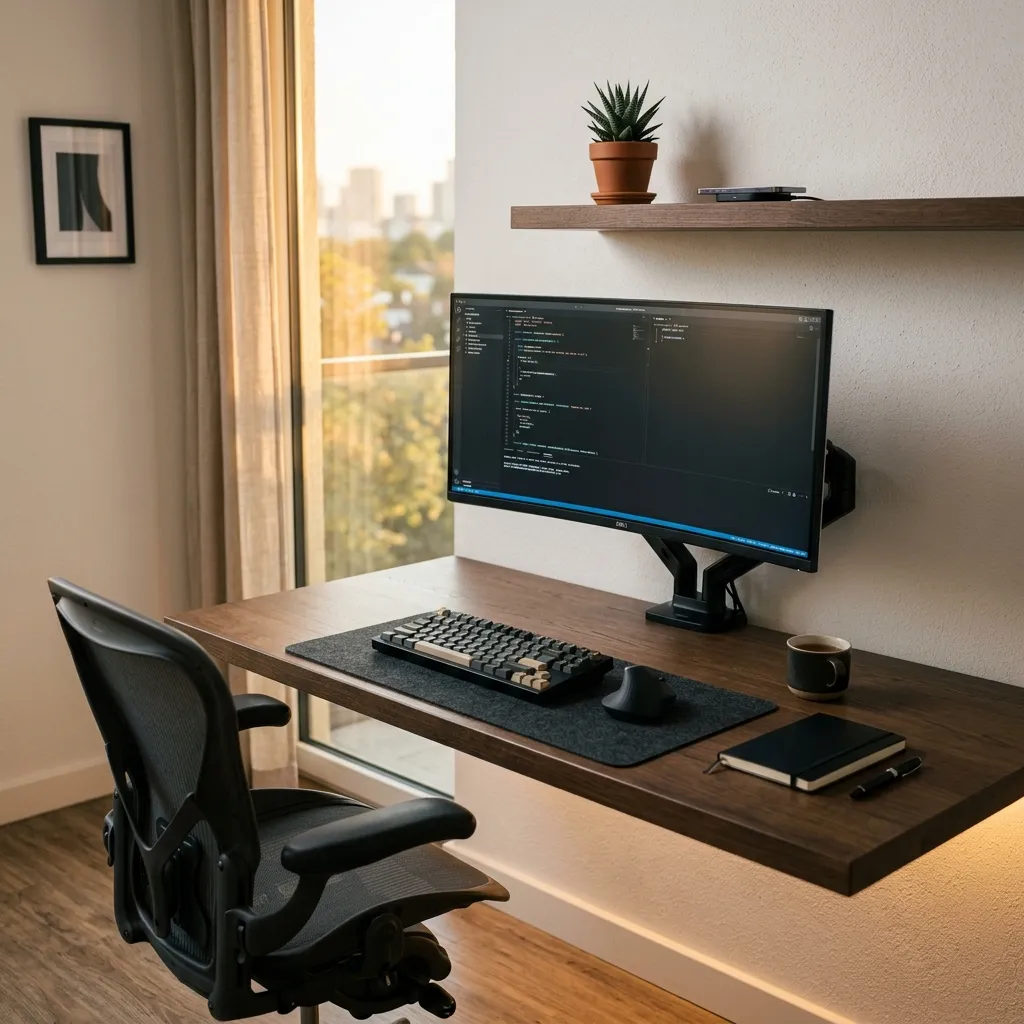
Installing an RGB LED strip behind a monitor enhances ambiance and reduces eye strain.
Understanding the Benefits of Bias Lighting
Bias lighting improves perceived contrast and reduces eye fatigue during prolonged screen use.
By placing an RGB LED strip behind the monitor, light spill enhances viewing comfort, especially in dark environments.
Choosing the Right RGB LED Strip
When selecting an RGB LED strip, consider brightness measured in lumens, color accuracy, and power consumption.
High-quality brands like Philips Hue and LIFX offer customizable options that integrate smoothly with smart home systems.
Material Specifications and Durability
LED strips typically feature flexible PCB (printed circuit board) with silicone or epoxy coating for moisture resistance.
Durability is enhanced through high-quality soldering, ensuring longevity and performance under varied conditions.
Installation Ergonomics
Strategic placement of the LED strip can significantly influence the ergonomic setup of a workstation.
The strip should be mounted at a height that aligns with eye level, providing optimal bias lighting without glare.
Design Considerations for Aesthetic Appeal
The aesthetic integration of RGB LED strips can complement various desk setups, enhancing visual appeal.
Consider color temperature options that match the overall lighting of the room to create a cohesive design.
| Brand | Brightness (Lumens) | Color Temperature (Kelvin) | Smart Features | Price (USD) |
|---|---|---|---|---|
| Philips Hue | 800 | 2000-6500 | Voice Control, App Integration | $79.99 |
| LIFX | 1000 | 2500-9000 | Wi-Fi Control, Color Effects | $69.99 |
| Govee | 600 | 3000-6000 | App Control, Music Sync | $29.99 |
DomineTec Tip: Adjust lighting colors based on the time of day to minimize eye strain and improve focus.
- Gather necessary materials: RGB LED strip, power supply, adhesive mounting brackets, and optional remote control.
- Clean the area behind the monitor to ensure proper adhesion of the LED strip.
- Measure and cut the strip to fit the desired length, ensuring compatibility with the monitor size.
- Attach the LED strip using adhesive backing or mounting brackets, ensuring alignment with the monitor edges.
- Connect the power supply and test the lighting effects for optimal brightness and color settings.

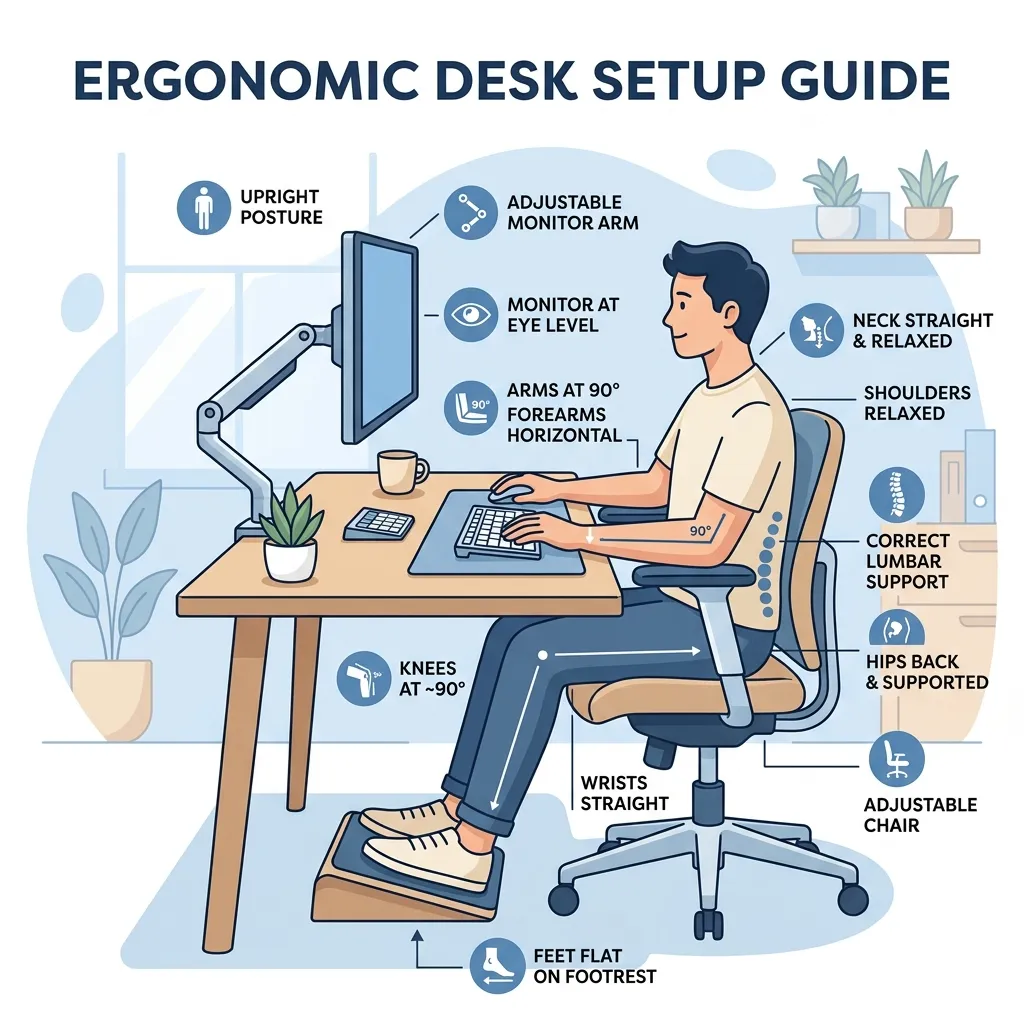
For a comprehensive approach to workspace efficiency, consider a clean productivity desk setup alongside selecting the right tools like mechanical keyboard switches for typing comfort.
Power Supply Requirements
When installing RGB LED strips, ensure that the power supply meets the requirements of the LED strip you have chosen.
Check the voltage and wattage specifications of the LED strip; using an incompatible power supply can cause overheating or damage to the LEDs.
A common voltage for RGB LED strips is 12V, but some may operate at 24V or other voltages, so verify this during selection.
Additionally, consider the total wattage requirements by calculating the strip length and wattage per meter to choose a power supply that can provide sufficient power without overloading.
Wiring and Connectivity Options
Proper wiring is essential for the effective functioning of your RGB LED setup, influencing both visual performance and safety.
Use appropriate gauge wires to connect the LED strip to the power supply, ensuring they can handle the current load without overheating.
Be mindful of polarity when connecting wires; incorrect connections can lead to malfunction or damage.
Consider using connectors or soldering for a secure connection, especially in setups where the LED strip may need to be cut or extended.
Remote Control and Smart Integration
Integrating your RGB LED strip with remote control options can enhance user experience by providing convenience and customization.
Many strips come with infrared (IR) remotes, while others offer Wi-Fi or Bluetooth connectivity for smart home integration.
Explore compatible smart home systems that can control the LED strip through voice commands or mobile applications for a seamless experience.
When selecting a control method, ensure it aligns with your existing smart devices to maximize functionality and ease of use.
Color Calibration Techniques
To achieve the desired ambiance, proper color calibration of your RGB LED strip is necessary, especially for bias lighting applications.
Use calibration tools or software to ensure accurate color representation, which can significantly affect the overall viewing experience.
Adjust the RGB values to match your monitor's color profile, helping to reduce eye strain and enhance visual comfort.
Regularly recalibrate the colors if you change the monitor settings or ambient lighting in the room to maintain optimal performance.
Maintaining Your LED Setup
Maintaining your RGB LED strip is vital for longevity and performance, ensuring that it remains an effective bias lighting solution.
Regularly inspect the strip for any signs of wear, such as flickering or dimming, which can indicate a need for replacement or repair.
Keep the LED strip clean from dust and debris; buildup can reduce brightness and efficiency; a gentle wipe with a damp cloth is often sufficient.
Consider the lifespan of your LED strip, as most high-quality strips can last up to 50,000 hours, but factors like heat and power surges can affect longevity.
Safety Precautions During Installation
Prioritizing safety during the installation of RGB LED strips is essential to prevent electrical hazards and ensure a secure setup.
Always disconnect the power supply before starting the installation process to avoid electric shock or short circuits.
Use insulated tools and wear rubber-soled shoes when working on installations, especially near electrical outlets or exposed wiring.
Follow the manufacturer's instructions regarding installation and ensure that all connections are secure to minimize risks.
Customizing Lighting Effects
Customizing lighting effects can greatly enhance the visual experience of your bias lighting setup, making it more dynamic and personalized.
Explore different lighting modes such as static colors, color cycling, and dynamic effects that can be tailored to suit various activities, like gaming or watching movies.
Some RGB LED strips offer apps that allow you to create custom animations or sync lighting effects with audio, adding an immersive element to your setup.
Experiment with brightness levels and color temperatures to find the ideal settings that enhance your workspace or entertainment area.
Choosing the Right Adhesive for Installation
The adhesive used to attach the RGB LED strip to the back of the monitor is crucial for a secure installation.
Many LED strips come with a self-adhesive backing, but the quality of this adhesive can vary significantly between brands.
For optimal adhesion, it is advisable to clean the surface of the monitor thoroughly before applying the strip. Use isopropyl alcohol to remove dust and oils, which can compromise the adhesive's effectiveness.
In some cases, additional adhesive solutions, such as double-sided tape or mounting clips, may provide extra support and prevent the LED strip from peeling off over time.
Also, consider the flexibility of the adhesive material, especially if the strip needs to be curved around corners or irregular surfaces.
Adjusting Brightness Levels for Optimal Viewing Experience
Properly adjusting the brightness levels of your RGB LED strip is essential for an optimal viewing experience.
Too bright a light can cause glare, while too dim may not provide the intended bias lighting effect.
Most smart lighting solutions come with apps that allow users to adjust brightness easily. Experiment with different brightness settings to find the most comfortable level for your specific environment.
Additionally, consider the ambient light in the room when setting brightness levels. Daytime lighting conditions may require a higher brightness setting compared to evening use.
Finally, be aware that prolonged exposure to overly bright lights can lead to eye strain. Adjust the brightness levels regularly based on the time of day and lighting conditions for the best results.
Maintaining Color Consistency Over Time
Over time, LED strips may experience color drift, where the hues may not remain consistent through prolonged use.
To maintain color consistency, periodic calibration is recommended.
Employing color calibration tools or software can help ensure that the RGB values remain accurate.
Moreover, environmental factors such as temperature and humidity can affect LED performance. Keeping the installation in a controlled environment can help mitigate these impacts.
Regularly inspect the LED strip for any signs of fading or discoloration, as this can indicate a need for replacement or adjustment in settings to restore the original color quality.
Exploring Advanced Lighting Techniques
Advanced lighting techniques can enhance the overall experience of bias lighting.
Techniques such as color cycling or dynamic effects can add depth and ambiance to your setup.
Many RGB LED strips come with pre-programmed effects that can be accessed through their controller or app. Experimenting with these effects can create an immersive experience tailored to gaming, movie watching, or general use.
For a more personalized touch, consider creating custom lighting profiles. This can involve setting specific colors and brightness levels for different activities, allowing for quick adjustments based on user needs.
Moreover, integrating lighting with audio or visual cues can elevate the experience further. Some smart systems have built-in features that sync lighting effects with music or video, creating a more dynamic environment.
Understanding the Role of Ambient Lighting in Eye Comfort
Ambient lighting plays a crucial role in reducing eye strain, especially during extended periods of screen use.
By providing a balanced light source, it minimizes the harsh contrast between the bright screen and the dark surroundings.
Studies have shown that proper ambient lighting can enhance visual comfort, allowing users to maintain focus for longer durations.
Incorporating bias lighting behind your monitor can create a more inviting workspace, promoting a sense of well-being.
Furthermore, ambient lighting can influence mood and cognitive performance. The right color temperature can make a significant difference in how comfortable and alert a user feels.
Exploring the Environmental Impact of LED Technology
LED technology is known for its energy efficiency, which significantly reduces electricity consumption compared to traditional lighting options.
This efficiency translates into lower energy bills and a reduced carbon footprint.
Moreover, many RGB LED strips are designed with sustainability in mind, utilizing materials that are less harmful to the environment.
The longevity of LED lights also contributes to their environmental benefits. With a lifespan that can exceed 25,000 hours, these lights require less frequent replacements, resulting in less waste over time.
Investing in LED technology not only enhances personal comfort but also aligns with eco-friendly practices.
Exploring the Impact of Bias Lighting on Color Perception
Bias lighting significantly influences how colors are perceived on a display.
When a light source is positioned behind a monitor, it creates a visual reference that enhances the viewer's ability to distinguish colors accurately.
This is particularly important for activities such as photo editing, where color fidelity is crucial.
The contrast between the illuminated background and the screen can make images appear more vibrant and detailed.
Color perception can also be affected by the temperature of the bias lighting. Warmer tones often enhance skin tones, while cooler tones may bring out the clarity of other colors.
Overall, understanding how bias lighting interacts with color perception can lead to more informed choices in lighting setup, enhancing both the aesthetic and functional aspects of the display environment.
Integrating Bias Lighting into Your Gaming Setup
For gamers, bias lighting can elevate the immersive experience by synchronizing lighting effects with in-game events.
This can be achieved through smart LED strips that respond to audio and visual cues, creating a dynamic environment that enhances gameplay.
Implementing bias lighting in a gaming setup involves strategic placement to minimize reflections on the screen.
Many gaming monitors support software integration with RGB lighting systems, allowing for customizable effects that match the game's aesthetics.
Moreover, incorporating bias lighting into a gaming setup can also improve responsiveness and performance.
By reducing eye fatigue with appropriate lighting, gamers can maintain focus during extended play sessions, leading to better performance in competitive scenarios.
Troubleshooting Common LED Strip Issues
Troubleshooting issues with RGB LED strips can be essential for maintaining a reliable and visually pleasing setup. Common problems include flickering lights, inconsistent color outputs, and connectivity issues, which can often be traced back to power supply inadequacies or poor wiring connections.
To diagnose a flickering issue, first check the power supply voltage and current ratings against the LED strip's specifications. Using a multimeter, measure the voltage at the LED strip connection; if it falls below the rated voltage, consider upgrading to a higher-capacity power supply.
If the LED strip exhibits inconsistent color outputs, inspect the control unit and ensure it is properly configured. This may involve resetting the controller or updating any firmware if it is a smart RGB strip, as outdated firmware can lead to compatibility issues with color signals.
Connectivity problems often arise from faulty or loose connections; therefore, it is advisable to inspect all solder joints and connectors. Re-solder or replace any damaged connectors, and ensure that the connections are secure to prevent any intermittent disconnections during operation.
Implementing Additional Security Measures for Smart RGB LEDs
Smart RGB LED strips, especially those connected to a home network, can be vulnerable to unauthorized access. Implementing robust security measures is crucial to prevent potential breaches that could compromise the integrity of the lighting setup.
One effective measure includes changing the default login credentials of smart controllers. This should be done immediately after installation to mitigate risks associated with default passwords that are often publicly available.
Additionally, enabling network encryption protocols such as WPA3 on wireless networks can further secure the communication between the LED controller and home automation systems. Regularly updating the firmware of the LED controller is also recommended, as manufacturers frequently release updates that patch security vulnerabilities.
For advanced security, consider setting up a separate guest network dedicated to IoT devices. This isolates smart LED strips from critical personal devices on the main network, thereby minimizing exposure to potential attacks originating from compromised devices.
Frequently Asked Questions
What is bias lighting?
Bias lighting refers to the ambient light placed behind a monitor to reduce eye strain and improve contrast perception.
How do RGB LED strips connect to power?
RGB LED strips typically connect to a standard power outlet via a compatible power adapter or USB connection.
Can bias lighting affect color accuracy?
Properly calibrated bias lighting should not affect color accuracy and can enhance overall viewing experience.
Are there smart RGB LED strips available?
Yes, many brands offer smart RGB LED strips that can be controlled via apps or voice commands for added convenience.
What length of LED strip is needed for a monitor?
The length of the LED strip required depends on the monitor size; typically, a strip length equal to or slightly exceeding the monitor width is recommended.




