How to Fix PETG Layer Separation (Delamination): Temperature and Fan Speed
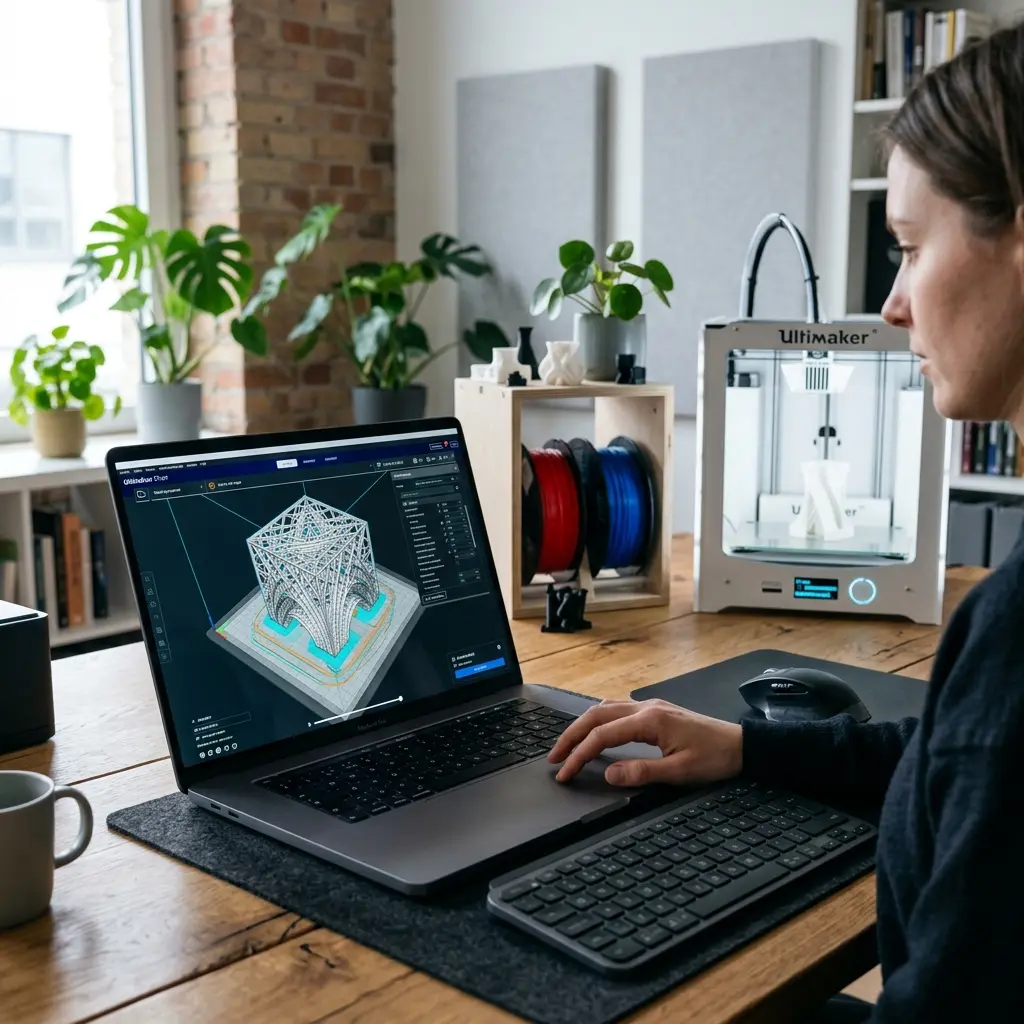
To fix PETG layer separation (delamination), adjust the print temperature and fan speed for optimal adhesion.
Understanding PETG and Delamination Issues
PETG (Polyethylene Terephthalate Glycol-modified) is a popular 3D printing filament known for its strength and flexibility. However, layer separation can occur during printing, leading to a compromised final product.
Delamination usually results from insufficient adhesion between layers. Understanding the causes of this issue is fundamental to achieving high-quality prints.
Key Factors Leading to Layer Separation
Several factors contribute to layer separation in PETG prints. Temperature and fan speed are two critical elements that significantly impact layer adhesion.
Low printing temperatures can prevent proper fusion between layers, while excessive cooling can lead to rapid solidification, inhibiting layer bonding. Adjusting these parameters can mitigate delamination.
Optimal Temperature Settings for PETG
The recommended printing temperature for PETG typically ranges between 220°C and 250°C. However, individual printers and filament brands may require adjustments within this range.
Conducting temperature tests can help determine the ideal settings. Printing temperature towers or samples can provide insight into how different temperatures affect layer adhesion.
Fan Speed Considerations
Fan speed plays a crucial role in cooling the filament after extrusion. For PETG, a lower fan speed is often recommended, typically around 30% or lower.
Excessive cooling can lead to rapid solidification, causing layers to separate. Adjusting fan speed settings in slicer software can fine-tune the cooling process and enhance layer adhesion.
Calibration and Consistency
Ensuring a well-calibrated 3D printer is essential for achieving consistent results. A misaligned or improperly calibrated printer can exacerbate layer separation issues.
Regular calibration of the printer, including bed leveling and nozzle height adjustment, can help achieve optimal performance. For detailed instructions, refer to the how to calibrate 3d printer guide.
Adjusting Slicer Settings for PETG
Using the right slicer settings can significantly influence print quality. Common slicers like Cura allow for detailed adjustments to temperature and cooling settings.
For PETG, it is advisable to disable or significantly reduce the cooling fan for the first few layers. This helps in establishing a strong foundation before increasing cooling for the rest of the print.
DomineTec Tip: Consider experimenting with a fan speed ramp-up setting. This allows the fan to gradually increase speed, providing a balanced cooling approach.
Step-by-Step Guide to Fixing Layer Separation
- Check the current printing temperature and compare it to the recommended range for your specific PETG filament.
- Adjust the printer's temperature settings in the slicer software.
- Inspect and clean the nozzle to ensure a smooth filament flow.
- Reduce the fan speed settings in your slicer to below 30% for optimal adhesion.
- Print a temperature tower to determine the best temperature for your setup.
- Monitor the print closely to identify any signs of delamination as it progresses.
- Make further adjustments as needed based on the outcome of test prints.
Comparative Overview of PETG and Other Filaments
| Filament Type | Strength | Flexibility | Layer Adhesion | Recommended Temp (°C) |
|---|---|---|---|---|
| PETG | High | Medium | Good | 220-250 |
| PLA | Medium | Low | Excellent | 180-220 |
| ABS | High | Medium | Moderate | 210-250 |
Advanced Techniques for Improved Layer Adhesion
In addition to adjusting temperature and fan speed, several advanced techniques can enhance layer adhesion in PETG prints. These techniques include optimizing print speed, adjusting layer height, and utilizing adhesion promoters.
Optimizing Print Speed
Reducing print speed can give each layer more time to adhere properly. Slower print speeds, especially in the initial layers, can prevent delamination.
Consider adjusting the print speed settings in your slicer software to observe how it affects layer adhesion.
Adjusting Layer Height
Layer height significantly impacts adhesion. Using a thicker layer height can increase the surface area for bonding between layers.
Experiment with different layer heights to determine the best combination for your specific print.
Utilizing Adhesion Promoters
Adhesion promoters, such as specialized sprays or coatings, can enhance layer bonding. Applying these products to the build surface can improve the first layer's grip.
Research suitable adhesion promoters that are compatible with PETG to achieve better results.
Environmental Factors Affecting PETG Printing
Environmental factors also play a crucial role in the success of PETG printing. Humidity, temperature, and airflow can influence print quality and adhesion.
Humidity Control
High humidity levels can cause PETG to absorb moisture, leading to print quality issues. Store filament in a dry environment and consider using a desiccant.
Print Environment Temperature
The ambient temperature of the printing environment can affect how PETG behaves during printing. A stable room temperature can lead to better print consistency.
Airflow Management
Excessive airflow around the printer can lead to rapid cooling of the print. Position the printer in an area with minimal drafts to ensure stable printing conditions.
Checklist for Successful PETG Printing
- Verify the printer is calibrated correctly.
- Ensure the filament is dry and stored properly.
- Set the printing temperature within the recommended range.
- Adjust the fan speed to below 30% for the first few layers.
- Monitor the print closely for signs of delamination.
- Consider environmental factors such as humidity and airflow.
- Perform test prints to fine-tune settings as needed.
Conclusion
Layer separation in PETG prints can be effectively addressed by adjusting temperature and fan speed settings. Regular calibration and careful monitoring of print conditions ensure high-quality results.
By following these guidelines and conducting thorough tests, optimal adhesion and print integrity can be achieved, minimizing the risk of delamination.
Frequently Asked Questions
What causes PETG layer separation?
PETG layer separation is primarily caused by insufficient adhesion between layers, often due to incorrect temperature or excessive cooling.
How can I find the right temperature for PETG?
Conducting temperature tests, such as printing temperature towers, can help determine the optimal printing temperature for your specific filament.
Is fan speed important for PETG printing?
Yes, fan speed is crucial. A lower fan speed is generally recommended to promote better layer adhesion and prevent rapid solidification of the filament.
Can I use PETG without a heated bed?
While it's possible to print PETG without a heated bed, using one enhances adhesion and reduces warping, leading to better print quality.
How often should I calibrate my 3D printer?
Calibration should be performed regularly, especially when changing filament types or after significant printer adjustments. Regular checks help maintain optimal performance.




