How to Fix 3D Printer Stringing: Retraction and Temperature Settings
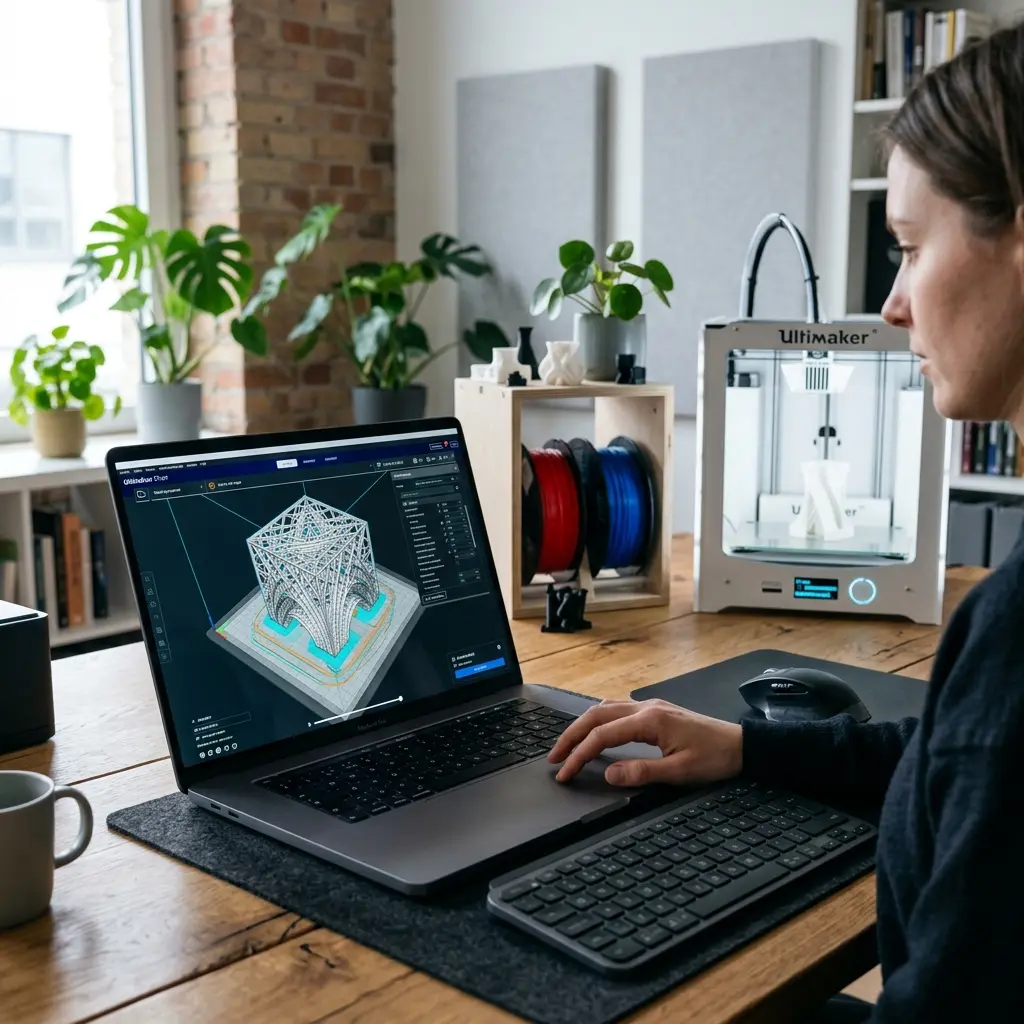
To fix 3D printer stringing, adjust retraction settings and temperature for optimal results.
Understanding 3D Printing Stringing
Stringing occurs when a 3D printer inadvertently deposits small strands of filament between parts of a model during travel moves. This issue commonly arises from improper retraction settings or incorrect temperature settings.
Addressing these two primary factors is essential for achieving clean and professional-looking prints.
What is Retraction and Why is it Important?
Retraction refers to the process where filament is pulled back into the nozzle when moving between different sections of a print. This action prevents excess material from oozing out, which contributes to stringing.
Properly configured retraction settings can significantly reduce stringing while maintaining the integrity of the print.
How to Adjust Retraction Settings
Several parameters govern how retraction is executed. The most significant adjustments include retraction distance, speed, and additional features like minimum travel distance.
Retraction Distance
The retraction distance is the length of filament that is pulled back into the nozzle. For most filaments, a distance of 1 to 6 mm is typical.
1-2 mm is suitable for direct drive systems, while 4-6 mm is recommended for Bowden setups. Adjusting this distance can help eliminate stringing, but care must be taken not to retract too much, which can lead to clogs.
Retraction Speed
Retraction speed dictates how quickly the filament is pulled back. A speed of 25 to 50 mm/s is generally effective.
Too fast a retraction can cause grinding of the filament, while too slow can lead to oozing. It's crucial to find a balance that suits the specific material being used.
Minimum Travel Distance
This setting determines the minimum distance the nozzle must travel before a retraction is triggered. Setting a higher value can prevent unnecessary retractions during short movements.
This reduces wear on the extruder and improves overall efficiency.
Temperature Settings: The Role of Heat in Stringing
Temperature settings directly influence how well the filament flows through the nozzle. Higher temperatures can lead to increased stringing due to the filament becoming overly fluid.
Conversely, too low a temperature may lead to under-extrusion and poor layer adhesion.
Finding the Optimal Temperature
Each filament type has a recommended temperature range. For example, PLA typically prints well between 180°C to 220°C, while ABS is usually printed at 210°C to 250°C.
Adjusting the temperature within this range can help minimize stringing. It is advisable to perform test prints to determine the optimal temperature for the specific filament brand and type.
Cooling Fans and Their Impact
Utilizing cooling fans can help mitigate stringing by solidifying the filament faster after extrusion. Ensure that the cooling settings are compatible with the filament being used.
PLA benefits significantly from active cooling, while ABS may not require as much cooling due to its tendency to warp.
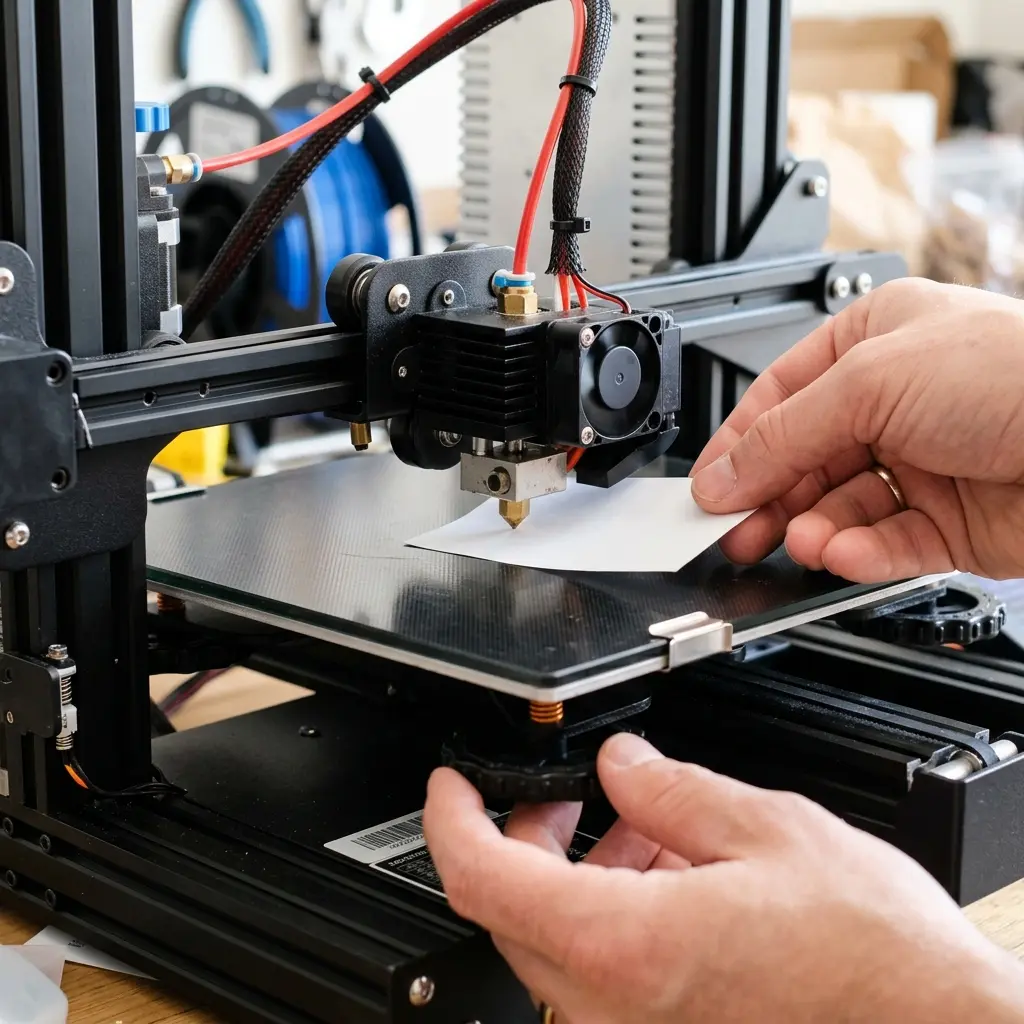
Step-by-Step Guide to Adjusting Settings
Follow these steps to effectively adjust retraction and temperature settings:
- Access the slicer software and open the print settings for the model.
- Locate the retraction settings section.
- Adjust the retraction distance and speed based on the printer type.
- Set the minimum travel distance to avoid unnecessary retractions.
- Navigate to the temperature settings and adjust the nozzle temperature as needed.
- Enable cooling fans if applicable and adjust their speed.
- Save the settings and perform a test print to assess improvements.
DomineTec Tip: Consider conducting a series of test prints with incremental changes to settings. Documenting these adjustments can help identify the most effective configurations for future prints.
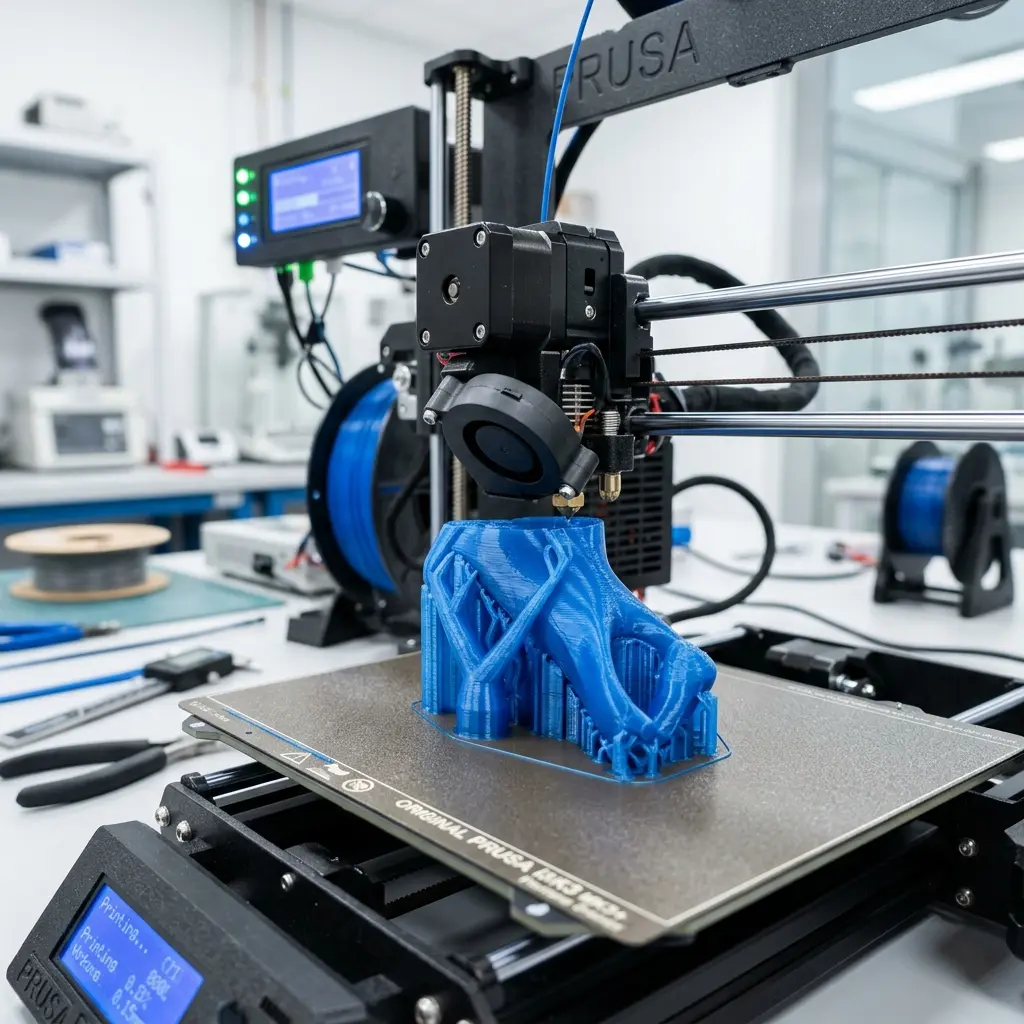
Comparative Table of Settings
| Parameter | PLA | ABS |
|---|---|---|
| Retraction Distance | 1-2 mm | 4-6 mm |
| Retraction Speed | 25-50 mm/s | 30-50 mm/s |
| Nozzle Temperature | 180-220°C | 210-250°C |
| Minimum Travel Distance | 1-2 mm | 2-3 mm |
Common Mistakes to Avoid
Several common mistakes can exacerbate stringing issues. Over-retraction can lead to clogs, while under-retraction can leave unsightly strings.
Maintaining a clean nozzle is crucial for optimal performance; any residue can affect extrusion quality.
Another frequent error is ignoring the filament type. Each material has unique properties and requires specific settings.
Not paying attention to these details can result in subpar print quality.
Advanced Techniques to Minimize Stringing
Beyond the basic adjustments, there are several advanced techniques that can further help reduce stringing in 3D prints.
Use of Z-Hop
Z-hop is a feature available in many slicer programs that lifts the nozzle during travel moves. This can help avoid dragging the nozzle across the print surface, which can lead to stringing.
When enabling Z-hop, ensure that the height is set appropriately to avoid collisions with the print.
Print Speed Adjustments
Slowing down the print speed during travel moves can also help reduce stringing. A lower speed gives the filament more time to solidify and reduces the chances of oozing.
Experiment with travel speeds to find the optimal balance between speed and print quality.
Use of Different Filament Types
Some filaments are inherently less prone to stringing than others. For example, using a filament with additives designed to reduce stringing can be beneficial.
Brands like PETG or specialty filaments offer better performance in reducing stringing compared to standard PLA or ABS.

Frequently Asked Questions
What is the most common cause of stringing in 3D printing?
The most common cause of stringing is improper retraction settings, which allow filament to ooze during travel moves.
How can I tell if my temperature is too high?
If the filament appears to be excessively fluid, dripping, or produces significant stringing, the temperature may be set too high.
Can stringing be completely eliminated?
While it may not be possible to completely eliminate stringing, proper adjustments to retraction and temperature settings can minimize it significantly.
Is it necessary to adjust settings for different filaments?
Yes, each filament type has unique characteristics requiring specific settings for optimal printing performance.
What should I do if stringing persists after adjustments?
If stringing persists, consider checking for other factors such as print speed, cooling settings, or even the quality of the filament being used.
```htmlAdvanced Retraction Configurations
Adjusting advanced retraction settings can significantly reduce stringing issues. Parameters such as retraction speed, distance, and minimum travel distance all play crucial roles in achieving optimal results.
Increasing the retraction speed may enhance the printer's ability to pull the filament back quickly, minimizing oozing. However, excessively high speeds can lead to jams or grinding of the filament, requiring careful calibration.
Experimenting with retraction distance is essential; a longer distance may prevent filament from oozing out during non-print moves. Yet, too much distance can also lead to under-extrusion, negatively affecting print quality.
Common Calibration Mistakes
One common mistake in calibration involves incorrect nozzle height during the initial setup. Ensuring the nozzle is neither too close nor too far from the print bed is crucial for consistent extrusion and effective retraction.
Another frequent issue arises from using incorrect filament diameter settings in the slicer software. An inaccurate diameter can lead to either excessive or insufficient material being extruded, exacerbating stringing problems.
Calibration of the extruder steps per millimeter also requires attention. Miscalibrated extruders can cause variations in filament flow, resulting in inconsistent prints and increased likelihood of stringing.
Cost Estimations for Upgrades
Investing in high-quality filament can reduce stringing significantly, as premium materials often have better flow characteristics. While the initial cost may be higher, the benefits in print quality and reduced waste can justify the expense.
Upgrading to an all-metal hotend may also be an advantageous decision for those facing persistent stringing issues. Although the upfront cost is considerable, it allows for higher temperature printing, which can improve filament performance.
Consideration of a dual-extruder setup for multi-material printing can also be beneficial. This configuration may incur additional costs but allows for the use of specialized filaments that can minimize stringing during prints.
Security Precautions When Modifying Settings
Modifying printer settings requires caution, especially when increasing temperatures or speeds. High temperatures can create safety hazards, so ensuring proper ventilation in the printing area is essential.
Monitoring the printer during operation can prevent potential fire hazards associated with extreme modifications. Utilizing a smoke detector nearby can provide an added layer of safety during high-temperature prints.
Regular maintenance checks on wiring and components should always accompany any adjustments to settings. This practice helps to identify any wear that could lead to electrical failures or malfunctions during operation.
Alternative Choices for Filament Types
Exploring different filament types can lead to significant reductions in stringing. For instance, using PLA instead of ABS may result in smoother prints with fewer strings due to its lower oozing characteristics.
Specialized filaments, such as PETG or ASA, can also provide a balance between strength and reduced stringing. These materials often have properties that help to mitigate the issues associated with standard filaments.
Additionally, experimenting with filament blends designed specifically to reduce stringing may yield positive outcomes. These innovative materials can offer unique properties that enhance print quality without the need for extensive modifications.
Post-Processing Techniques to Mitigate Stringing
Post-processing techniques can effectively eliminate stringing issues after printing is complete. Methods such as heat guns or smoothing agents can help to remove any visible strings and improve the overall appearance of the print.
Another popular technique involves using a small brush or tweezers to manually remove any stringing before finishing. This method allows for precision in cleaning up the print and can enhance the final product's quality.
Applying a vapor smoothing technique can also be beneficial for certain filament types, creating a polished finish. However, caution must be exercised with this method, as it requires knowledge of the proper solvents and their handling.
``` ```htmlHow to Fix 3D Printer Stringing: Retraction and Temperature Settings
Stringing is a common problem encountered in 3D printing, characterized by the formation of thin strands of plastic between printed parts. This issue stems from excessive filament oozing during non-print moves. Adjusting retraction settings and temperature can significantly reduce stringing. This guide outlines the key aspects of these settings.
Understanding Retraction
Retraction is the process where the printer pulls the filament back into the nozzle during non-print moves. This action helps prevent filament from leaking out and creating unwanted strings. The effectiveness of retraction depends on several factors:
- Retraction distance
- Retraction speed
- Hotend type
- Filament type
Retraction Settings
Adjusting retraction settings can greatly improve print quality. Below are the recommended settings for various scenarios:
| Filament Type | Retraction Distance (mm) | Retraction Speed (mm/s) |
|---|---|---|
| PLA | 1 - 2 | 25 - 40 |
| ABS | 2 - 4 | 20 - 30 |
| PETG | 1 - 2 | 20 - 30 |
| TPU | 0.5 - 1 | 15 - 25 |
How to Adjust Retraction Settings
Follow these steps to adjust retraction settings:
- Open the slicer software.
- Navigate to the printer settings or filament settings.
- Find the retraction settings section.
- Adjust the retraction distance and speed based on the filament type.
- Save and slice the model for printing.
Temperature Settings
The temperature of the hotend influences the viscosity of the filament and can lead to stringing if set too high. Here are some temperature settings for different filament types:
| Filament Type | Recommended Printing Temperature (°C) | Recommended Bed Temperature (°C) |
|---|---|---|
| PLA | 180 - 220 | 20 - 60 |
| ABS | 220 - 250 | 80 - 110 |
| PETG | 230 - 250 | 70 - 90 |
| TPU | 220 - 250 | 20 - 60 |
Adjusting Temperature Settings
To adjust temperature settings:
- Access the slicer software.
- Locate the temperature settings for the hotend and heated bed.
- Set the temperatures according to the filament type.
- Save the settings and prepare the print.
Additional Tips to Reduce Stringing
Beyond adjusting retraction and temperature settings, other techniques can help minimize stringing:
- Enable Z-hop: This feature lifts the nozzle slightly during travel moves, avoiding contact with the print.
- Reduce Travel Speed: Slower travel speeds allow more controlled filament movement, reducing oozing.
- Optimize Cooling: Ensuring adequate cooling can help solidify filament quickly, reducing string formation.
- Check Filament Quality: Low-quality filament may have inconsistent properties that lead to stringing.
- Clean Nozzle: A clogged or partially clogged nozzle can affect extrusion and lead to stringing issues.
Conclusion
Solving stringing issues in 3D printing requires a combination of proper retraction settings, appropriate temperature adjustments, and additional techniques. By understanding and implementing these changes, print quality can be significantly enhanced, resulting in cleaner and more precise 3D prints.
``` ```htmlUnderstanding Stringing in 3D Printing
Stringing occurs when excess filament is extruded during travel moves, creating thin strands between printed parts. This phenomenon can significantly affect the aesthetics and functionality of a 3D print.
Causes of Stringing
Several factors contribute to stringing, including improper retraction settings and inappropriate temperature settings. Identifying these root causes is essential for effective remediation.
Retraction Settings
Retraction settings are crucial in minimizing stringing by pulling the filament back into the nozzle during non-print moves. Adjusting these settings can significantly reduce or eliminate stringing in prints.
What is Retraction?
Retraction is the process of retracting the filament slightly while the print head moves to a new location. This action helps to prevent oozing that leads to stringing.
Key Retraction Settings
| Setting | Description | Typical Value |
|---|---|---|
| Retraction Distance | The length of filament pulled back during retraction. | 1-6 mm |
| Retraction Speed | The speed at which the filament is retracted. | 20-100 mm/s |
| Minimum Travel Distance | The minimum distance the print head must travel to trigger retraction. | 1-5 mm |
Adjusting Retraction Distance
A longer retraction distance can help mitigate stringing, especially with flexible filaments. However, excessively long retractions can lead to clogs and delays in printing.
Adjusting Retraction Speed
Increasing retraction speed can help reduce the time the filament is oozing, thereby minimizing stringing. Nevertheless, speeds that are too high can lead to issues like grinding or jamming.
Temperature Settings
Temperature settings play a significant role in stringing, as higher temperatures can cause filament to flow more easily, increasing the likelihood of oozing. Finding the optimal printing temperature is vital for minimizing stringing.
Understanding Printing Temperature
The printing temperature affects the viscosity of the filament. Lowering the temperature can often help reduce stringing, but it might lead to under-extrusion if set too low.
Optimal Temperature Ranges
| Material | Recommended Temperature Range |
|---|---|
| PLA | 180-220°C |
| ABS | 210-250°C |
| PETG | 220-260°C |
| TPU | 220-260°C |
Finding the Right Temperature
It is advisable to perform temperature towers to identify the best printing temperature for specific filaments. Gradually adjusting the temperature in small increments can help achieve optimal results.
Additional Tips to Reduce Stringing
- Use a different type of filament known for lower stringing characteristics.
- Decrease the travel speed to minimize the time the nozzle is moving without printing.
- Enable the "Combing" feature in slicer settings to keep the nozzle within the printed area during travel.
- Consider using a higher layer height, which can sometimes reduce stringing.
Conclusion
Addressing stringing in 3D printing involves careful adjustments to retraction and temperature settings. These modifications can lead to cleaner prints and improved overall quality.
```Conclusion
In conclusion, managing stringing in 3D printing requires a combination of proper retraction settings, temperature adjustments, and consideration of filament types. By understanding the mechanics behind these factors, users can significantly enhance their print quality.
Regular testing and adjustments are key to achieving the best results. Keeping equipment clean and staying informed about new materials and techniques can further improve the 3D printing experience.




