How to Create and Animate AI Characters for YouTube Dark Channels

Creating AI characters for YouTube dark channels enhances viewer engagement and retention through personalized avatars. In the growing landscape of YouTube content, dark channels have carved out a niche that thrives on storytelling, mystery, and engaging visual elements. Custom avatars play a important role in boosting viewer retention by providing a unique personality to the channel, making content more relatable and immersive.
This article will guide you through the process of creating and animating AI characters specifically tailored for such channels.
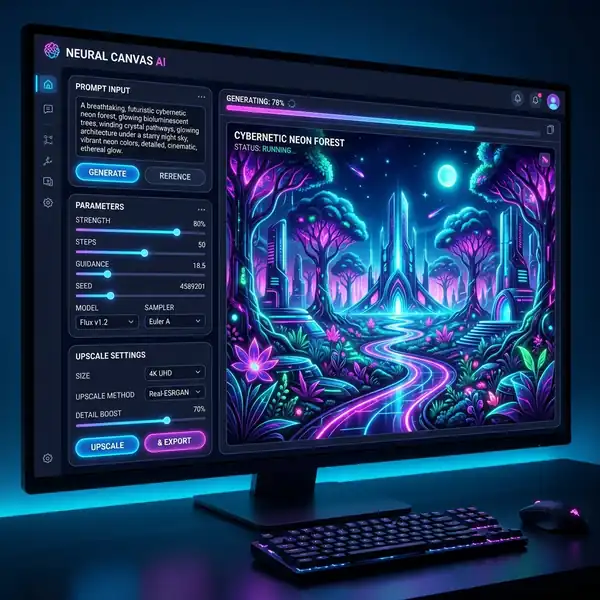
Understanding YouTube Dark Channels: Why custom avatars boost retention
DomineTec Tip: Dark channel shorts get more engagement with auto-captions. Check our guide on how to use CapCut AI features on PC and mobile.
YouTube dark channels typically focus on themes like horror, mystery, or conspiracy theories. These genres rely heavily on storytelling, which benefits significantly from the use of custom avatars. A well-designed character not only captures the audience's attention but also fosters a sense of connection and loyalty among viewers. When viewers can relate to a character, they are more likely to engage with the content and return for future videos.
The effectiveness of custom avatars lies in their ability to convey emotions and narratives that resonate with the audience. An engaging character can serve as a guide through complex stories, making it easier for viewers to digest the content. Additionally, consistent use of a character helps create a recognizable brand identity, which is important for channels aiming for long-term success.
Generating the Character: Art style guidelines using Leonardo and Midjourney
| Software Name | Workflow Focus | Free Access Details |
|---|---|---|
| Leonardo AI | High-quality character design | Yes (150 daily tokens) |
| Viggle AI | Body movement animation tracking | Yes (Free inside Discord bot) |
Creating a compelling AI character starts with defining its visual style. Tools like Leonardo and Midjourney are excellent for generating high-quality character designs. When using these platforms, it’s important to establish clear guidelines for the art style that aligns with the theme of your channel. Consider factors such as color palette, facial features, clothing, and overall aesthetic. A character that reflects the tone of your content will resonate better with your audience.
For instance, if your channel focuses on horror, you might opt for a darker color palette with exaggerated features to enhance the eerie vibe. Conversely, a channel that explores mysterious topics might benefit from a more neutral and enigmatic character design. Once you have a concept in mind, input specific prompts into Leonardo or Midjourney to generate multiple iterations of your character until you find the perfect fit.
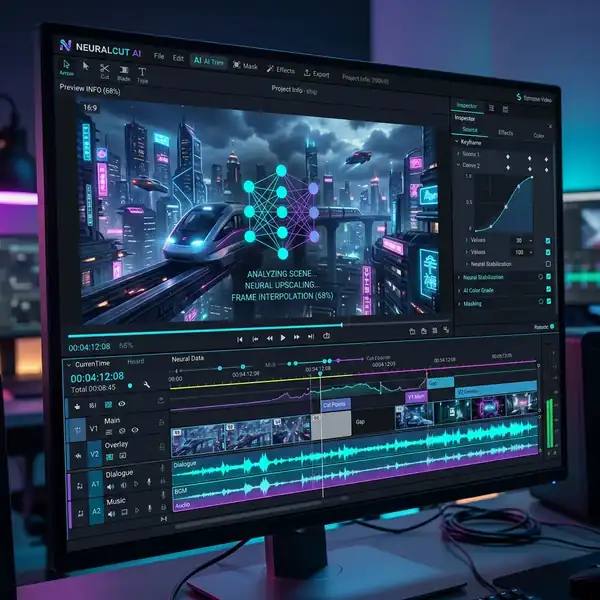
Animating the Body and Face: Using Viggle AI and D-ID to make them speak
Once you have your character design, the next step is to bring it to life through animation. Viggle AI and D-ID are powerful tools that allow you to animate both the body and facial expressions of your character. These platforms utilize advanced AI algorithms to create realistic movements and lip-syncing, essential for making your character appear more lifelike.
To animate your character, import your character design into Viggle AI or D-ID and choose the type of animation you desire. You can create simple movements or complex animations that reflect various emotions. For effective lip-syncing, it’s important to have a well-prepared voice-over script. The voice should match the character's personality and tone, enhancing the overall appeal of your videos. This synchronization not only captivates your audience but also strengthens the connection between the character and the narrative.
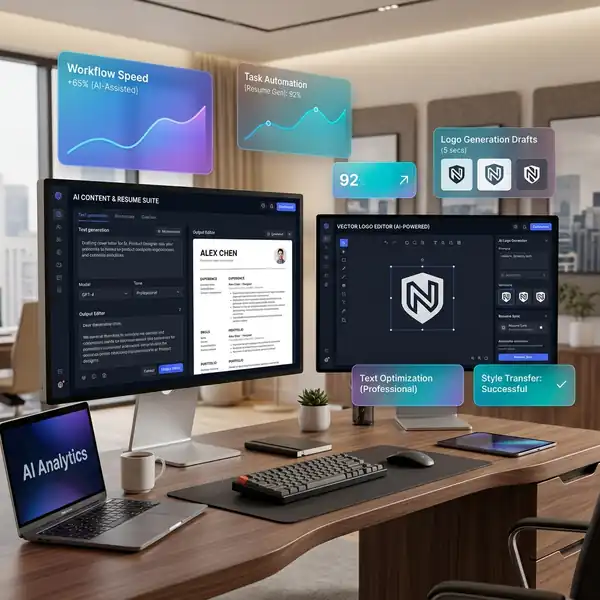
Comparison Table: Top Character Generators vs. Animation tools
| Tool | Type | Key Features | Best For |
|---|---|---|---|
| Leonardo | Character Generator | High-quality designs, customizable styles | Unique character creation |
| Midjourney | Character Generator | Artistic designs, AI-enhanced features | Creative and aesthetic characters |
| Viggle AI | Animation Tool | Realistic body movements, lip-syncing | Dynamic character animation |
| D-ID | Animation Tool | Facial animations, voice integration | Facial expression enhancement |

Step-by-Step Guide: Synchronizing voice-over scripts with animated movements
Synchronizing voice-over scripts with animated movements is important for creating a seamless viewing experience. Start by writing a concise script that captures the essence of your video. Aim for clarity and emotional impact, ensuring that the dialogue matches the character's personality. Once the script is ready, record the voice-over using a quality microphone to ensure clear audio.
Next, import your voice-over into your animation software of choice. Both Viggle AI and D-ID allow you to upload audio files and will analyze the audio to create corresponding lip movements. Adjust the timing of the animations as necessary to ensure that the character's mouth movements align perfectly with the spoken words. This step often requires fine-tuning to achieve the desired effect. Play back the animation continually until you achieve a natural and engaging synchronization between the audio and visual elements.
Finally, consider adding additional visual cues or animations that correspond with specific phrases or emotions in the script. This can further enhance the viewer's engagement, making the character feel more dynamic and alive. By following these steps, you can create compelling AI characters that not only entertain but also keep viewers returning for more content on your dark channel.
Additional Resources and Recommended Links
For more guides and tutorials on AI image and video generators, check out our step-by-step articles on how to use CapCut AI features on PC and mobile and how to use Viggle AI for character animation. For official platforms and tools, visit the Official Leonardo AI Dashboard.
Mastering Advanced Prompting Techniques for AI Character Generation
In the realm of AI character generation, the effectiveness of the output heavily relies on the prompting techniques employed. Understanding how to manipulate various technical parameters can significantly enhance the quality of the avatars created. For instance, style weights play a important role in dictating the visual outcome of a character. By adjusting these weights, you can prioritize certain artistic elements over others, allowing for a more tailored output that aligns with your vision. A common approach is to assign higher weights to stylistic elements that resonate with your brand’s identity or the theme of your YouTube channel. For example, if your channel has a dark fantasy theme, you might set a style weight of 1.5 for ‘gothic’ and 0.5 for ‘realistic’ to achieve an aesthetic that complements your content.
Aspect ratios are another critical parameter that can influence the presentation of your characters. YouTube typically favors a 16:9 aspect ratio for videos, but creating characters for thumbnails or social media might necessitate different dimensions. By specifying the aspect ratio in your prompts, you ensure that characters are optimized for their intended use. For instance, when generating a character for a YouTube thumbnail, using an aspect ratio of 1:1 or 4:5 can help in producing a more visually engaging representation that is likely to catch viewers’ attention. Moreover, utilizing the seed control parameter can help in replicating the same design elements across multiple generations, ensuring consistency in character design.
There are also advanced parameters like 'chaos' that can introduce variability in the output, allowing you to explore a broader range of character designs. By experimenting with different chaos values, you can discover unique artistic styles that may not have been initially considered. For example, a chaos value of 50 might yield diverse design iterations, whereas a lower value could result in more uniform outputs. Furthermore, integrating specific prompt formulas can streamline the character generation process. A formula such as “Create a [style] character for a [theme] YouTube channel with [specific traits], emphasizing [style weights], maintaining [aspect ratio], and using [seed] for consistency” can guide the AI in producing targeted results.
In summary, mastering these advanced prompting techniques not only empowers creators to generate high-quality AI characters but also enhances the overall production process. By leveraging style weights, aspect ratios, seed controls, and chaos parameters effectively, you can ensure that the avatars you create not only meet your specifications but also resonate with your audience. This meticulous attention to detail in the prompting phase is essential for achieving a polished final product that stands out on platforms like YouTube.
Streamlining Creative Integration and Professional Workflow for AI Character Applications
Once you’ve generated compelling AI characters, the next important step is to integrate them into a professional workflow that enhances their utility across various platforms. Using design tools like Photoshop, Canva, or Figma can provide an opportunity to refine and manipulate the output further. For instance, after generating a character with an AI tool, importing it into Photoshop allows for additional customization, such as adjusting colors, adding backgrounds, or incorporating unique textures. This process can add depth and personality to the character, making it more suitable for your YouTube dark channel’s branding.
Furthermore, combining AI character outputs with automation tools can streamline your workflow significantly. For example, using tools like Zapier or Integromat can automate repetitive tasks such as posting content across multiple social media platforms. Suppose you generate a new character for an upcoming video; you can set up an automated workflow that posts the character image along with a promotional message to your social media accounts. This not only saves time but also ensures that your marketing efforts are consistent and timely, ultimately driving engagement and retention.
In addition to design and automation tools, integrating AI-generated characters into video editing software can enhance your storytelling capabilities. Programs such as Adobe After Effects or Final Cut Pro allow you to animate characters further, adding nuanced emotions and movements that can captivate your audience. By using keyframe animation techniques, you can synchronize the character's movements with the audio narrative of your videos. This creative integration not only boosts viewer engagement but also establishes a professional quality that can set your channel apart from competitors.
Lastly, a well-defined workflow should include a feedback loop that leverages audience insights. By analyzing viewer engagement metrics, you can determine which character designs resonate most with your audience. Incorporating tools like Google Analytics and social media insights can provide valuable data that informs future character generations and adaptations. For example, if a particular character garners more interaction than others, you can explore why it appeals to viewers, refining your characters based on these insights. This iterative process not only enhances your creative output but also aligns your character designs with audience preferences, making them more effective assets for your dark channel.
Understanding Technical Limitations and Ethical Guidelines in AI Character Creation
While AI character generation tools offer remarkable capabilities, they are not without their technical limitations. One common issue users encounter is the inconsistency of output quality. Depending on the complexity of the prompt and the capabilities of the AI tool, results can vary widely. For instance, a character generated with vague or overly complex prompts may result in generic or muddled designs. Beginners often make the mistake of not fully understanding how to leverage the specificity required in prompts, leading to frustration and subpar outputs. Thus, it is essential to experiment and refine prompts iteratively to achieve desired results more consistently.
Another limitation pertains to the tools' reliance on existing datasets, which can sometimes lead to biases in character generation. For example, if a character is designed based on a dataset that lacks diversity, the output may reflect these biases, producing characters that are not representative of a broader audience. Creators must be aware of these potential pitfalls and actively seek to promote inclusivity in their design choices. This involves being intentional about the traits and characteristics you prompt the AI to generate, ensuring a more equitable representation in your content.
When considering commercial usage rights, it’s vital to thoroughly understand the licensing agreements of the AI tools utilized. Many platforms have specific terms regarding how generated assets can be used commercially. Some may allow for unrestricted use, while others might impose limitations or require attribution. Misunderstanding these terms can lead to legal complications down the line. It’s important to read the fine print and, when in doubt, consult with legal experts to clarify the scope of usage rights associated with AI-generated content. This diligence will help safeguard your channel against potential copyright infringements.
In addition to usage rights, ethical guidelines should guide the creative process of AI character generation. Creators should prioritize transparency with their audiences, clearly indicating when AI-generated content is utilized. This practice not only builds trust but also encourages discussions about the implications of AI in creative fields. Moreover, respecting the original creators of any assets used for training AI models helps maintain ethical standards within the community. By acknowledging the contributions of artists and designers whose work inspires AI outputs, you contribute to a more respectful and collaborative environment.




