How to Tell If Your Home Solar System Is Working and Producing Energy
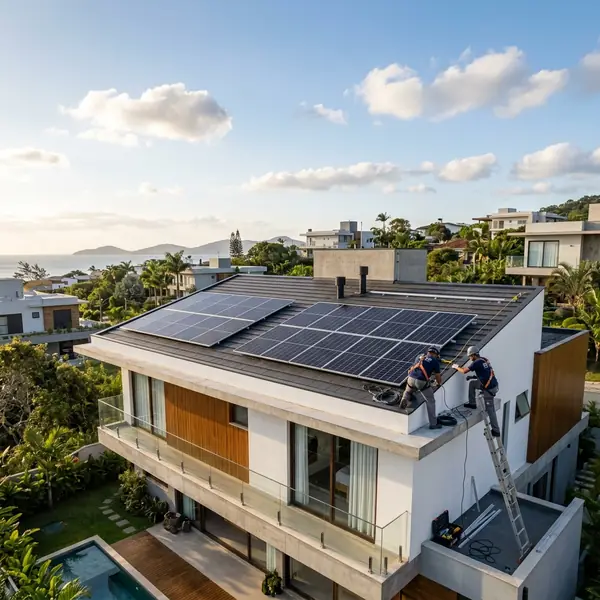
To check if your solar system works properly, monitor daily kWh production via the official app or the physical inverter display. official NREL website
For homeowners who have invested in solar energy, it's important to ensure that your system operates efficiently. A functioning solar system not only saves money but also contributes to a sustainable environment. This article will provide detailed methods to check if your home solar system is producing energy as expected.
Understanding Your Solar Power System
To check if your solar system works properly, monitor daily kWh production via the official app or the physical inverter display. Choosing and installing the right system ensures energy independence and long-term utility bill reductions.
Before diving into the operational checks, it's key to understand the components of your solar power system. A typical residential solar installation consists of solar panels, an inverter, and sometimes a battery storage system.
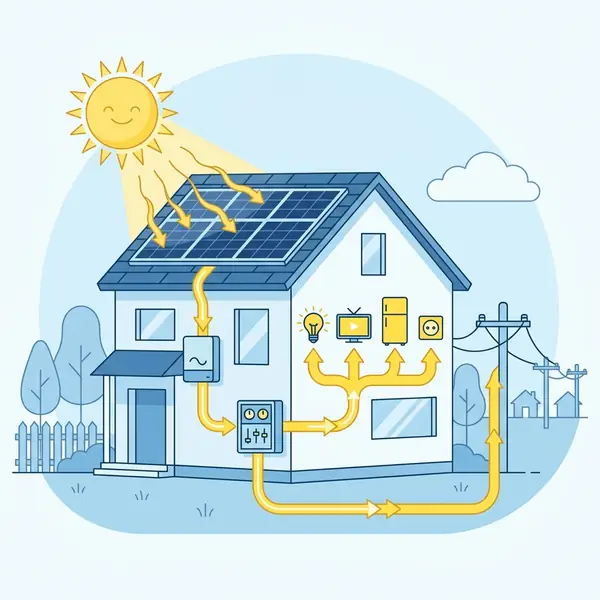
Solar panels capture sunlight and convert it into electricity. The inverter then takes that electricity and transforms it into a usable format for your home appliances. If you have battery storage, it allows excess energy to be stored for use during cloudy days or at night.
Components of a Solar Power System
Here’s a breakdown of the key components:
- Solar Panels: Panels made of photovoltaic cells that convert sunlight into electricity.
- Inverter: Converts the direct current (DC) from solar panels into alternating current (AC) for home use.
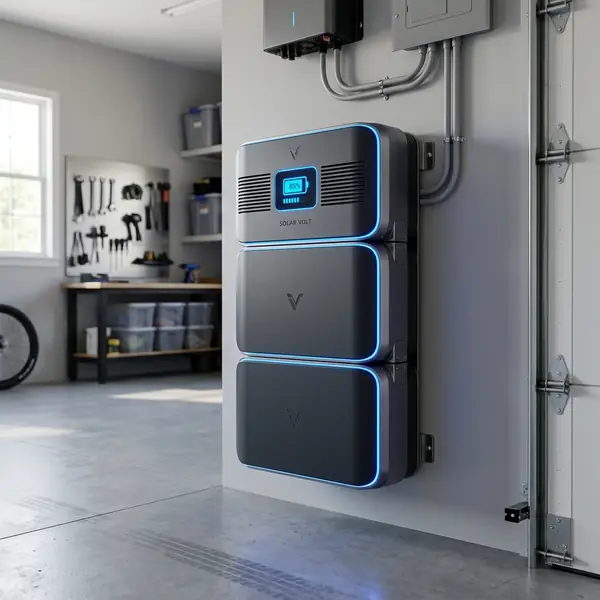
- Battery Storage: Stores excess energy for later use, enhancing efficiency.
Understanding these components helps homeowners identify where potential issues might arise in the system.
Checking Energy Production
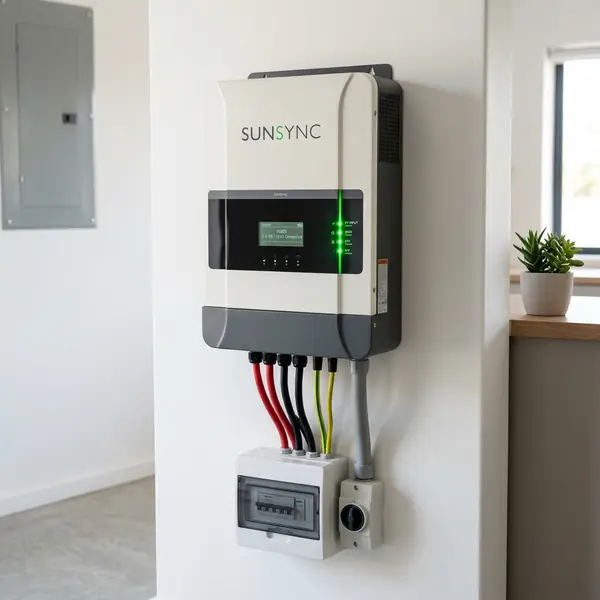
One of the primary indicators of your solar system’s performance is daily energy production measured in kilowatt-hours (kWh). Monitoring this is vital to determine if your system is functioning properly.
Using the Monitoring App
Most modern solar installations come with a monitoring app. This app provides real-time data on energy production and system performance.
Log into your app daily to check the energy output. Look for any significant drop in production, which can indicate a problem. A properly working system should produce energy consistently, depending on sunlight availability.
Physical Inverter Display
Your inverter likely has a display panel with indicator lights. These lights show the operational status of the system. A green light typically indicates normal operation, while red or yellow lights may indicate an issue.
Consult your inverter manual to understand what each light means. It’s a quick way to assess system health without relying solely on technology.
Understanding Energy Production Data
Monitoring daily energy production is just the beginning. You must also understand what the numbers mean in the context of your energy needs and system capacity.
Expected Energy Production
The amount of energy your system produces can vary based on several factors, including:
- Geographic location
- Orientation and angle of the solar panels
- Seasonal changes
For example, a typical 6 kW solar system in a sunny area can generate between 24 to 30 kWh daily. This means an annual output of approximately 8,760 to 10,950 kWh.
Comparing Energy Production Data
To evaluate your system's performance, compare your daily production to the expected output. Below is a comparison table that outlines typical energy production for various system sizes in different locations.
| System Size (kW) | Location | Expected Daily Production (kWh) | Annual Production (kWh) |
|---|---|---|---|
| 4 | Sunny Area (e.g., Arizona) | 16-20 | 5,840-7,300 |
| 6 | Moderate Area (e.g., Texas) | 24-30 | 8,760-10,950 |
| 8 | Cloudy Area (e.g., Oregon) | 20-25 | 7,300-9,125 |
By regularly comparing your production numbers with this data, you can identify trends and detect issues early on.
Common Issues and Troubleshooting
Every solar system can encounter problems. Here are common issues that may affect energy production and how to troubleshoot them.
Shading Issues
Shading is a significant factor that can reduce solar panel efficiency. Trees, buildings, or other obstructions can cast shadows on your panels, hindering energy production.
Monitor your panels throughout the day to see if shading occurs during peak sunlight hours. If shading is an issue, consider trimming nearby trees or relocating any obstructions.
Inverter Malfunctions
Inverters can sometimes fail or malfunction. If your inverter display shows warning lights, it’s important to address this immediately.
Check the inverter manual for troubleshooting tips or contact your installer for professional assistance. Regular maintenance can help prevent inverter issues.
Dirty Solar Panels
Dust, debris, and dirt can accumulate on solar panels, reducing their efficiency. Regular cleaning can help maintain optimal performance.
Inspect your panels regularly, especially after storms or high winds. A gentle rinse with a garden hose or a soft brush can help remove dirt.
Long-term Performance Monitoring
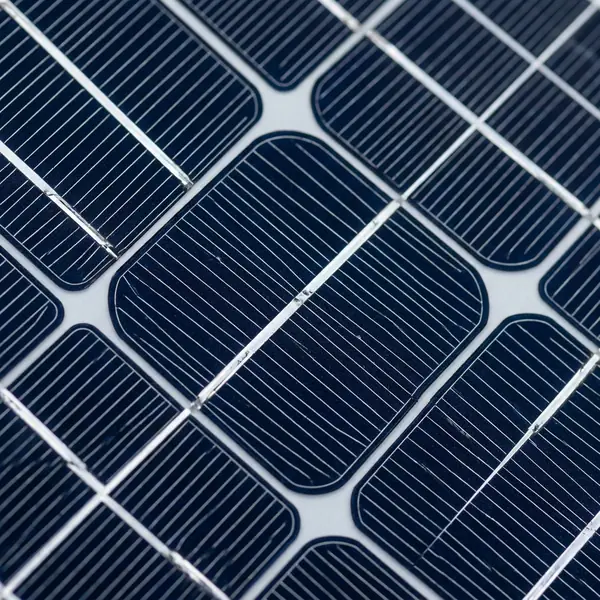
Long-term monitoring of your solar system is important for ensuring it meets your energy needs over time. Here are some strategies to maintain optimal performance.
Annual System Check-ups
Schedule annual maintenance checks with a qualified technician. They can inspect all components, including wiring, panels, and the inverter.
These checks can help identify potential problems before they become significant issues. Regular maintenance can also extend the lifespan of your solar system.
Utilizing Energy Management Systems
Consider investing in an energy management system. These systems can provide detailed insights into your energy consumption and solar production.
By analyzing this data, you can optimize your energy usage and make informed decisions about energy consumption and storage usage.
Financial Considerations
Monitoring your solar system's performance is not just about energy production; it also affects your finances. Understanding these aspects can help you maximize your investment.
Calculating Savings
To determine your savings, compare your monthly electric bill before and after installing solar. This will give you insight into how much energy your system generates and how much you save.
For example, if your previous bill was $150 and your current bill is $30, you are saving $120 monthly. Over a year, that amounts to $1,440 in savings.
Payback Period
The payback period for solar systems can vary based on several factors, including installation costs and local electricity rates. On average, homeowners can expect a payback period of 6 to 8 years.
For instance, if your solar system costs $20,000 and you save $2,500 annually, your payback period would be 8 years.
DomineTec Tip: Keep a detailed record of your energy production and savings to track your system's performance over time.
Conclusion
Monitoring your solar system's performance is vital for ensuring it operates efficiently. Use the tools available, such as monitoring apps and inverter displays, to check daily production.
Understand potential issues like shading, inverter malfunctions, and dirty panels. Regular maintenance and monitoring can help you maximize your investment in solar energy.
For more information on optimizing your solar energy systems, you can check our posts on choosing the right solar system and the benefits of solar energy.
FAQ
What should I do if my solar panels are shaded?
Consider trimming nearby trees or relocating obstructions to maximize sunlight exposure.
How often should I clean my solar panels?
Ideally, inspect and clean your panels quarterly or after significant weather events.
What is the average payback period for solar systems?
The average payback period is typically between 6 to 8 years, depending on installation costs and savings.
How can I maximize my solar energy savings?
Monitor your energy production, maintain your system regularly, and consider energy management systems for better efficiency.
Understanding Solar Energy Production
To determine if your solar energy system is functioning effectively, it’s important to grasp how it generates energy. Solar panels convert sunlight into electricity through the photovoltaic effect. When sunlight strikes the panels, it excites electrons, creating direct current (DC) electricity, which is then converted to alternating current (AC) electricity for home use.
Your solar system's performance can be influenced by various factors, including the angle of the panels, the amount of sunlight they receive, and the efficiency of your inverter. Understanding these components can help you monitor and diagnose any issues with energy production.
The Role of Monitoring Systems
Most modern solar systems are equipped with monitoring systems that provide real-time data on energy production. These systems can be accessed through mobile apps or web interfaces, making it easier for homeowners to track their solar energy generation. By regularly checking these metrics, you can quickly determine if your system is operating at optimal levels.
Look for key indicators such as daily energy output, total energy produced since installation, and performance ratios. A significant drop in energy production may signal an issue that requires further investigation.
Signs Your Solar System Is Underperforming
There are several signs that might indicate your solar system is not performing as expected. One clear indicator is a noticeable discrepancy between your expected energy production and actual output. If your system has been consistently underperforming, it may be time to investigate further.
Another sign includes unexpected increases in your electric bill. If your utility costs rise despite having solar panels, it could suggest that your system is not generating enough energy to offset your usage. Regular monitoring can help you identify these trends early.
Visual Inspections
Performing routine visual inspections can also help you assess your solar system's health. Look for any physical damage on the solar panels, such as cracks, dirt buildup, or shading from surrounding trees or buildings. These factors can significantly impact energy production.
Additionally, check the inverter for any warning lights or error messages. The inverter is a critical component that converts DC electricity to AC electricity. If it’s not functioning correctly, your entire system's performance may be compromised.
Utilizing Energy Meters and Performance Metrics
Energy meters are invaluable tools that provide insight into your solar system's performance. By installing a dedicated energy meter, you can accurately measure the amount of energy generated and consumed over time. This data can help you identify patterns and anomalies in your energy production.
Performance metrics such as the performance ratio (PR) can also be helpful. The PR is a measure of how effectively your solar system converts sunlight into usable energy. A PR of 75% or higher typically indicates a well-functioning system, while lower values may suggest inefficiencies.
Benchmarking Against Historical Data
To better understand your solar system's performance, compare current data against historical performance metrics. Many monitoring systems allow you to view past production data, which can reveal trends and seasonal variations in energy output.
By benchmarking your current performance against previous months or years, you can identify any significant drops or inconsistencies. This information can be critical when discussing potential issues with your solar provider or technician.
When to Seek Professional Help
If you suspect that your solar energy system is not performing optimally, consulting with a professional is important. Solar energy technicians can perform comprehensive diagnostics to identify underlying issues that may not be visible during a visual inspection.
Common issues that warrant professional attention include inverter malfunctions, wiring problems, or issues with the solar panels themselves. A professional can provide a thorough assessment and recommend solutions to restore optimal performance.
Regular Maintenance and Upkeep
Regular maintenance is key for ensuring your solar system operates efficiently over the years. This includes cleaning the panels to remove dirt and debris, checking connections, and ensuring the inverter is functioning correctly. Scheduling annual inspections with a certified technician can help catch potential issues before they become significant problems.
Additionally, be aware of factors that could impede your system's performance, such as tree growth or nearby construction. Staying proactive will help maximize your solar investment and ensure you continue to benefit from clean, renewable energy.
Frequently Asked Questions
What is the average payback period for home solar?
The average payback period in the US ranges between 5 and 9 years, depending on state incentives and utility rates.
Do solar panels generate electricity without direct sunlight?
Yes, they produce power on cloudy days but at a reduced capacity of 10% to 25%. They do not generate electricity at night.
How much maintenance do home solar panels require?
Maintenance is minimal, typically involving cleaning the panels twice a year and performing a system health check.
Do I need battery storage for my solar energy system?
It is not required for grid-tied systems, but batteries are vital for off-grid operations or backup power during grid blackouts.
Can I completely eliminate my monthly electricity bill?
You cannot reach absolute zero because most utilities charge a basic monthly grid connection fee regardless of production.




