How to Diagnose If Your Solar Inverter Is Faulty or Burned Out
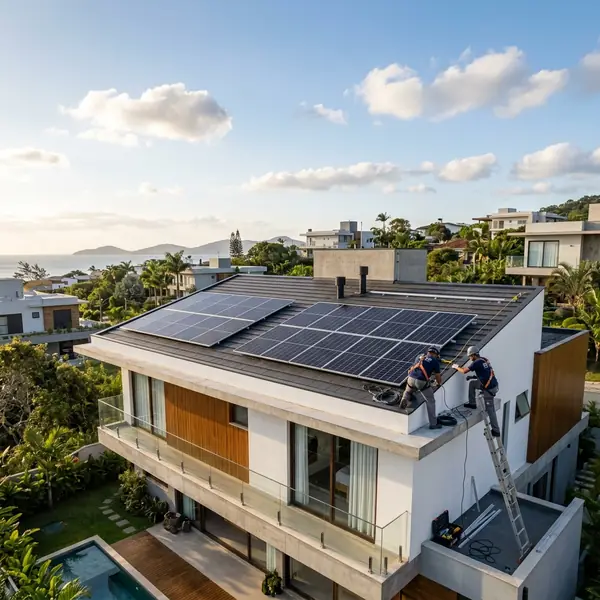
Diagnose a burned-out solar inverter by checking if the display screen is off and status LEDs indicate hardware failures. official NREL website
Understanding the Role of Your Solar Inverter
Diagnose a burned-out solar inverter by checking if the display screen is off and status LEDs indicate hardware failures. Choosing and installing the right system ensures energy independence and long-term utility bill reductions.
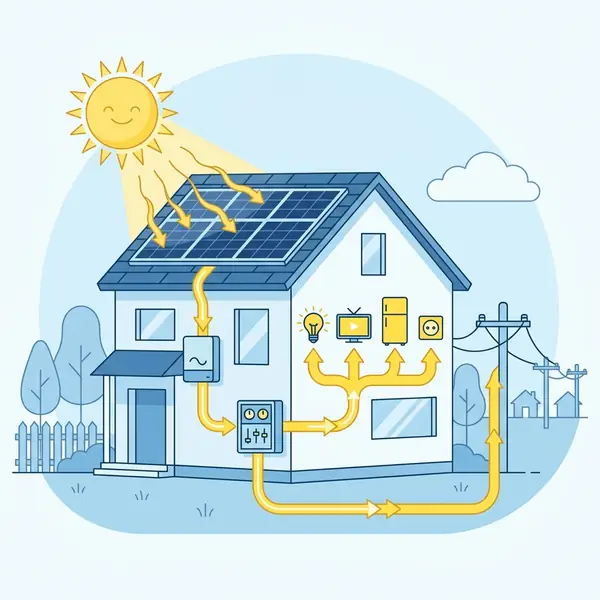
Your solar inverter plays a critical role in converting the direct current (DC) generated by your solar panels into alternating current (AC) for your home's appliances. Without a functioning inverter, your solar energy system cannot operate effectively.
Inverters are often considered the "brain" of your solar energy system. They monitor energy production, manage battery storage (if applicable), and ensure that your home receives a steady supply of electricity.
Understanding how to diagnose potential issues with your inverter can save you time and money. In this article, we’ll explore signs of a faulty inverter, troubleshooting steps, and when to call a professional.
Signs of a Faulty Solar Inverter
1. No Power Output
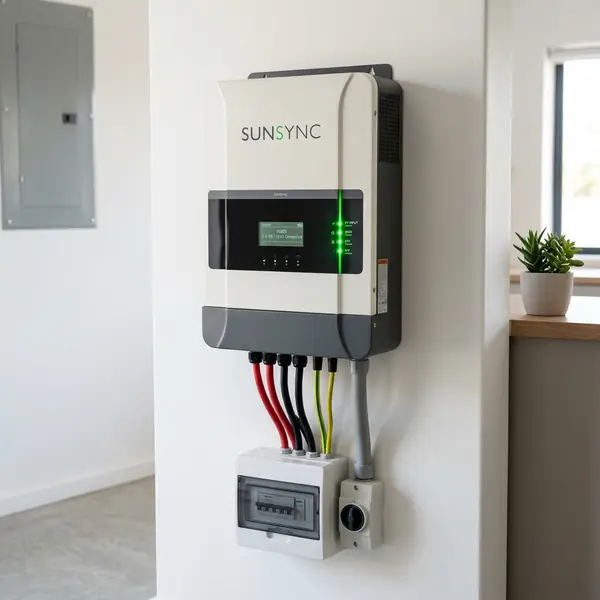
The most obvious sign that your inverter is malfunctioning is the lack of power output. If your inverter display screen is off, it may indicate a problem. Check if the inverter is turned on and connected properly.
Verify that your solar panels are producing energy. If they are generating power but the inverter is not displaying any data, this is a strong indicator of a fault. Each solar inverter should have a monitoring feature that displays real-time performance metrics.
2. Status LED Indicators
Most solar inverters have LED indicators that communicate its operational status. Typically, a green light indicates normal operation, while a red or blinking light may suggest a problem.
Refer to your inverter's user manual for specific LED behavior. If the status lights show an error, you may need to reset the inverter or perform further diagnostics.
3. Overheating
Inverters can overheat due to various reasons, including poor ventilation, high ambient temperatures, or electrical faults. If your inverter feels hot to the touch, it may be time to investigate.
Check the installation location for proper airflow. Ensure that there are no obstructions around the inverter that could impede cooling. If overheating continues, consult a technician.
Diagnostic Steps for Homeowners
1. Check the Display Screen
Start by examining the inverter's display screen. If it is off, confirm that the inverter is powered on. Look for any reset buttons that may need to be pressed.
If the display remains inactive, it may indicate a blown fuse or a malfunctioning inverter. This is often the first sign of a problem.
2. Monitor Energy Production
Use your inverter's monitoring app or portal to check energy production. If the system is producing less energy than expected, this could signify issues.
Compare the current energy output with historical data. Significant drops in production may indicate an inverter issue.
3. Inspect the Circuit Breaker
Solar inverters are connected to your home's electrical system through a circuit breaker. If the inverter is not operational, check the corresponding breaker in your electrical panel.
Resetting the breaker may resolve the issue. If it trips again, there may be more severe electrical problems that need professional attention.
4. Check for Error Codes
Many modern inverters display error codes on their screens or apps. Refer to your manual to understand what each code means.
Some errors can be resolved by following troubleshooting steps in the manual, while others may require technician intervention.
5. Assess Environmental Factors
Environmental conditions can impact inverter performance. Dust, debris, or shading on solar panels can reduce energy production.
Regularly clean your solar panels and ensure that they are free from obstructions. If the problem persists, it may be time to check the inverter itself.
When to Call a Professional
Diagnosing a faulty inverter can be straightforward, but some issues may require professional help. If your inverter continues to show signs of malfunction after performing basic checks, it’s time to consult an expert.
Additionally, if you notice any physical damage, such as burns or melted components, do not attempt to fix it yourself. Contact a trained technician who can inspect and repair the inverter safely.
Even if you feel comfortable with troubleshooting, regular maintenance checks by a professional can extend the life of your solar inverter. Many manufacturers recommend annual inspections to ensure optimal performance.
Understanding Inverter Technologies
Solar inverters come in several types, each with unique features. Understanding these can help in diagnosing issues more effectively.
String Inverters
String inverters are the most common type for residential installations. They connect multiple solar panels in series, converting DC to AC for the entire array.
While cost-effective, if one panel underperforms due to shading or damage, it can affect the entire system's output. Monitoring the performance of all panels is key.
Microinverters
Microinverters are installed on each solar panel, allowing for independent operation. This technology can enhance efficiency, especially in shaded areas.
If one microinverter fails, it only impacts the associated panel, making diagnostics easier. Monitoring is still important to catch potential issues early.
Power Optimizers
Power optimizers work with string inverters to maximize energy harvest from each panel. They can help mitigate shading issues while allowing for centralized control.
Like microinverters, if one optimizer fails, it only affects the performance of the specific panel. This can make troubleshooting more straightforward.
Comparing Inverter Types
| Inverter Type | Efficiency | Cost (Average) | Installation Complexity | Maintenance |
|---|---|---|---|---|
| String Inverters | 95-98% | $1,000 - $1,500 | Moderate | Low |
| Microinverters | 96-99% | $2,000 - $3,000 | High | Moderate |
| Power Optimizers | 95-98% | $1,500 - $2,500 | Moderate | Low |
DomineTec Tip: Regular maintenance of your inverter can prevent performance issues and prolong its lifespan.
Conclusion
Diagnosing a faulty solar inverter involves checking for power output, LED indicators, and error codes. Conducting regular maintenance and being aware of environmental factors can help prevent issues.
When in doubt, consulting a professional ensures that your solar energy system operates efficiently. Understanding your inverter type can further aid in diagnosing and troubleshooting.
For more information on solar energy solutions, visit our articles on [how to optimize your solar panel system](https://dominetec.com.br/como-otimizar-sistema-solar) and [the benefits of solar storage systems](https://dominetec.com.br/benefits-of-solar-storage-systems).
FAQ
What are common symptoms of a failing inverter?
Common symptoms include no power output, overheating, and erratic behavior of status LEDs.
Is it safe to troubleshoot my inverter myself?
You can perform basic checks, but consult a professional for significant issues or electrical faults.
How often should I check my solar inverter?
It's best to check your inverter at least once a month and schedule annual professional maintenance.
What should I do if my inverter is under warranty?
Contact the manufacturer or installer for warranty service if your inverter shows signs of failure.
Understanding Solar Inverter Functionality
Solar inverters play a critical role in converting the direct current (DC) generated by solar panels into alternating current (AC), which can be used in homes and businesses. Understanding how inverters work is important for effective diagnosis. Most inverters also include monitoring systems that track performance metrics and error codes, making it easier to identify issues.
There are primarily three types of solar inverters: string inverters, microinverters, and power optimizers. String inverters are the most common and connect multiple panels together, while microinverters are attached to each panel individually. Power optimizers enhance the efficiency of string inverters by optimizing each panel's output.
Each type has its unique diagnostics approach, which should be considered when troubleshooting.
Inverter performance can be impacted by various factors, including temperature fluctuations, shading on solar panels, and electrical issues. Understanding these factors can help you identify potential problems before they escalate into serious issues.
Common Signs of a Faulty Solar Inverter
Identifying a malfunctioning solar inverter early can help mitigate repair costs and downtime. There are several key signs that may indicate your inverter is failing. One of the most evident signs is a lack of power production.
If your solar system is not generating energy during peak sunlight hours, it could be a sign of an inverter issue.
Another common indication is the presence of error codes or warning lights displayed on the inverter's interface. These codes vary by manufacturer but are designed to alert you to specific issues within the system. Referencing the inverter’s manual can assist in decoding these messages.
The inverter may also exhibit unusual noises, such as buzzing or clicking sounds, which are not typical during normal operation. These sounds could suggest internal components are malfunctioning and require immediate attention. Regular monitoring and understanding these signs will help you diagnose and address problems more effectively.
Steps for Diagnosing Your Solar Inverter
To diagnose a faulty solar inverter, start with a visual inspection. Look for any physical damage, discoloration, or burnt components. If the inverter is mounted outside, ensure it is clean and free from dirt or debris that may obstruct its ventilation.
Next, check the inverter's display panel for any error codes or abnormal readings. You can consult the manufacturer's manual for specific interpretations of these codes. If the display is blank or unresponsive, it may indicate a power issue or internal failure that needs further investigation.
After initial checks, utilize a multimeter to measure the input and output voltages of the inverter. This will help you determine whether the inverter is functioning correctly. If the input voltage from the solar panels is within the expected range but the output voltage is significantly lower or nonexistent, it indicates a fault within the inverter itself.
Seeking Professional Help for Repairs
Diagnosing a solar inverter issue can sometimes be complex, especially if you lack technical expertise. If your troubleshooting efforts do not yield conclusive results, it is advisable to seek professional assistance. Qualified solar technicians possess the experience and knowledge necessary to accurately diagnose and repair inverter issues.
When looking for a technician, ensure they are certified and have a proven track record of working with your specific inverter model. Most manufacturers have a list of authorized service providers, which can be a good starting point. Additionally, good technicians will provide a thorough analysis and recommendations based on their findings.
In some cases, repairing the inverter may not be feasible, especially if it is an older model or has suffered severe damage. Understanding the cost implications of repair versus replacement is key, as investing in a new inverter might ultimately be more beneficial in terms of efficiency and longevity.
Do solar panels generate electricity without direct sunlight?
Yes, they produce power on cloudy days but at a reduced capacity of 10% to 25%. They do not generate electricity at night.
How much maintenance do home solar panels require?
Maintenance is minimal, typically involving cleaning the panels twice a year and performing a system health check.
Do I need battery storage for my solar energy system?
It is not required for grid-tied systems, but batteries are vital for off-grid operations or backup power during grid blackouts.
Can I completely eliminate my monthly electricity bill?
You cannot reach absolute zero because most utilities charge a basic monthly grid connection fee regardless of production.




