How to Charge D20 Smartwatch for the First Time: Complete Guide
The global smartwatch and wearable device market has experienced a wave of technological innovations. Whether you are aiming to optimize physical workouts, manage corporate notifications, calibrate compasses and magnetic sensors, or extend the battery life of budget and premium wearables, the truth is that users seek detailed and technical answers to their everyday questions. If you are trying to solve a problem with your wearable or decide which model to buy, this comprehensive guide on how to charge d20 smartwatch first time provides the necessary insights.
In our analysis today, we will provide a complete overview ranging from the operating principles of sensors and internal hardware engineering to the best daily maintenance practices. Understanding the hardware specifications and software architecture of your device is the absolute best way to extract maximum performance, prevent common software glitches, and extend the lifespan of internal electronic components. Throughout this guide, we will break down the topic into structured sections featuring comparison tables, step-by-step instructions, and answers to popular community questions.
1. Understanding the Importance of the Feature and Its Applications
When dealing with how to charge d20 smartwatch first time, the first element to consider is how this specific feature or issue impacts the overall performance of the wearable ecosystem. In modern watches, the integration between motion sensors, wireless communication antennas (Bluetooth, Wi-Fi, and GPS), and the central processing unit must work in harmony. If one of these components experiences misalignment or connectivity dropouts, the user experience is affected, raising questions about reliability.
Micro-wearable engineering requires components to be miniaturized to extreme levels. This means internal batteries have lower volumetric capacity, and speakers rely on tiny physical openings that are vulnerable to dust or water entry. Therefore, understanding the physical design constraints of your wearable model helps manage expectations and aids in routine maintenance, ensuring the longevity of your watch over the years.
2. Step-by-Step Configuration and Detailed Guide
To execute the configuration settings or troubleshooting procedures associated with how to charge d20 smartwatch first time, it is essential to follow a structured method. Review the technical checklist we have prepared to guide you through this process:
- Step 1 (Initial Verification): Ensure the smartwatch has sufficient battery charge (at least 50% is recommended) to prevent sudden power-offs during the sensor adjustment process.
- Step 2 (Software Updates): Access the companion application on your smartphone (such as Apple Watch App, Zepp App, or Galaxy Wearable) and check for pending firmware updates. Bug fixes often resolve sensor errors silently.
- Step 3 (Accessing the Specific Menu): Navigate to the watch's setting screen by swiping or pressing the physical crown, and find the menu corresponding to the sensor or radio antenna you wish to adjust.
- Step 4 (Executing the Calibration): Follow the graphical guide shown on the screen. For compass calibration or water ejection, keep the device in the recommended position and execute the movements with care.
Skipping basic preparation steps is a common mistake that can result in connection errors or calibration failures. Adhering to the step-by-step guidelines ensures that the watch processor saves the updated parameters to its internal flash memory chip successfully.
3. Internal Architecture and Sensors Analysis
Smartwatches utilize a complex array of internal sensors. The multi-axis accelerometer is responsible for detecting wrist-raise gestures to wake up the screen and tracking daily steps. The gyroscope works in conjunction with it to measure angular velocity, which provides necessary data for tracking athletic activities like swimming strokes or strength training repetitions.
Additionally, the magnetometer serves as the internal compass, measuring the earth's magnetic fields to indicate navigation directions. Exposure to strong electromagnetic fields (from speakers or household electronics) can interfere with this sensor, requiring recalibration. GPS tracking accuracy is also dependent on the built-in antenna under the watch bezel, which captures signals from satellite constellations.
4. Durability Factors and Water Resistance Standards
Water and dust ingress protection is one of the most critical design specifications for wearables. Most modern smartwatches carry an IP68 rating or water resistance certified in atmospheres (such as 5 ATM or 10 ATM). A 5 ATM rating means the watch can withstand shallow water activities but is not suitable for high-speed water sports or scuba diving.
Keep in mind that rubber seals providing water protection degrade naturally over time. Frequent exposure to soaps, shampoos, sunscreen, and chlorinated or saltwater accelerates this deterioration. Therefore, rinsing your smartwatch with fresh tap water after swimming is an essential maintenance habit to keep the speaker grill and optical sensors clean and free from corrosive mineral buildup.
5. Optimizing Battery Lifespan in Daily Use
Battery life remains a primary engineering challenge in the wearable industry. Smartwatches running full-featured operating systems (such as watchOS and Wear OS) offer extensive apps and features but usually require charging every one to two days. On the other hand, watches using proprietary light operating systems can last up to two weeks on a charge.
To optimize your watch's power consumption and protect its battery lifespan, consider turning off the Always-On Display feature during busy days. Setting the screen brightness to automatic or keeping it at a medium level reduces power draw from the AMOLED panel. Restricting the number of apps allowed to send vibration notifications is another excellent strategy to reduce battery drain from the haptic motor.
6. Integration with Mobile Ecosystems (Android and iOS)
A smartwatch's behavior can vary depending on the operating system of the paired phone. Apple Watches are designed exclusively for iPhones, leveraging private iOS APIs to provide seamless messaging responses and system integration. Conversely, Google's Wear OS watches provide excellent integration with Android phones, allowing users to download applications directly from the Google Play Store on the watch.
Value-oriented brands design dedicated companion apps that bridge communication for both platforms. Although these apps function well, iOS privacy settings can restrict certain actions on iPhones, such as quick text replies or access to third-party voice assistants. Understanding these ecosystem differences before purchasing prevents future disappointments.
7. Detailed Technical Specifications Comparison
To illustrate the technical differences across various smartwatch categories, we have compiled a comparison table highlight key elements to evaluate before choosing a device:
| Watch Category | Battery Life | Built-in GPS | Health Sensors | App Installation |
|---|---|---|---|---|
| Entry-Level Models | 10 to 15 days | Usually absent (Uses phone) | Heart Rate & Basic Sleep | No (Closed OS) |
| Mid-Range Wearables | 7 to 10 days | Yes (Single band) | Heart Rate, SpO2 & Stress | Proprietary app store |
| Premium Smartwatches | 1 to 3 days | Yes (Dual-band GPS) | ECG, Blood Pressure, SpO2 | Yes (Play Store / App Store) |
8. Troubleshooting and Resolving Common Glitches
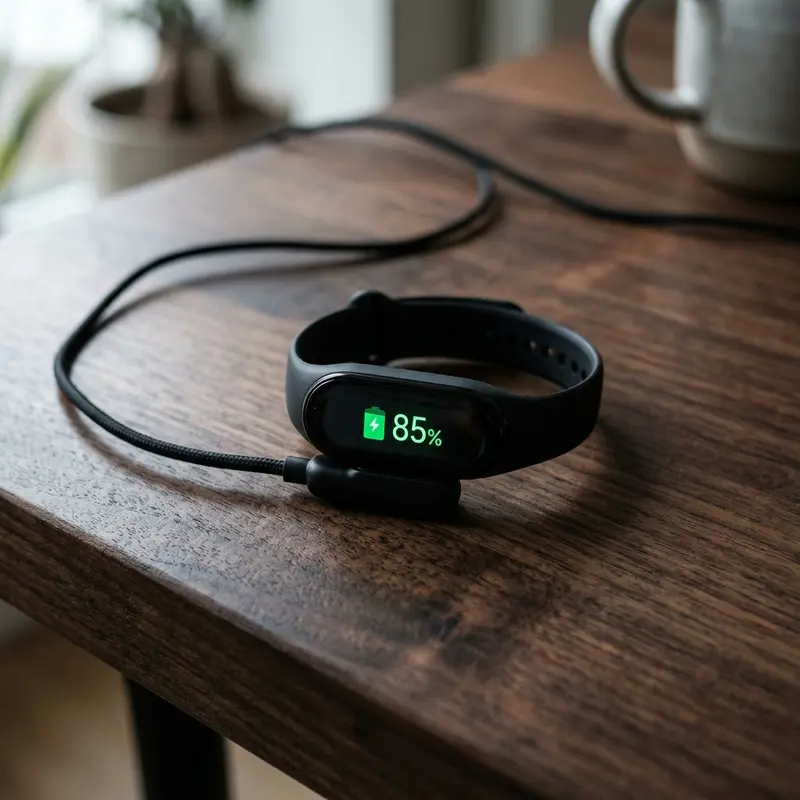
Even with advanced technology, temporary glitches can occur. If your wearable displays slow charging, check that the magnetic contact pads on the back of the watch and the charging cable pins are clean and dry. Skin residue, sweat, or dust can form an insulating layer, stopping electrical currents from transferring correctly.
For issues related to data sync errors or unstable GPS signals, restarting both the watch and phone is the recommended first step. If the problem persists, unpairing the watch through its companion application and setting it up again clears corrupt cache files and restores wireless connection stability.
9. Summary and Final Recommendations
In conclusion, keeping your wearable device in optimal condition requires understanding its physical hardware boundaries and managing sensors and radios through settings. Whether you adjust wireless connections to save battery or perform routine compass calibrations, small preventative actions ensure a smoother experience and protect your technology investment.
Frequently Asked Questions about Smartwatches
How do I restart a frozen smartwatch?
Press and hold the power button for 10 to 15 seconds until the screen turns off and the manufacturer's logo reappears.
Can I use a fast charger adapter to power my D20 smartwatch?
It is not recommended. The D20 smartwatch lacks sophisticated charging protection circuits. High-wattage fast chargers can overheat the small built-in lithium battery, degrading its overall capacity or permanently damaging the main board. Use standard 5V/1A adapters or PC USB ports to charge it safely.
How should I clean the optical sensors?
Use a damp microfiber cloth with clean water to wipe away sweat and skin oils, then dry the sensor with the dry side of the cloth.
Case Study: Sensor Engineering and Biometric Sensors in Modern Wearables
To delve deeper into the complex engineering that surrounds movement sensors, antennas, and displays in budget and premium smartwatches, it is vital to analyze how hardware manufacturers integrate these electronic systems. The microcontrollers managing the data flow must coordinate countless calculations per second. When a user begins a run on a treadmill or outdoor track, raw physical acceleration values captured by the high-precision three-axis accelerometer are transformed into digital signals and filtered to eliminate wrist movement noise.
These processed signals are then analyzed by a step-tracking algorithm that calculates cadence, estimated step length based on user height data, and speed. If the smartwatch lacks an integrated GPS receiver, it pairs with your mobile phone via Bluetooth to retrieve precise coordinate tracking from orbit satellites. This continuous link requires the Bluetooth chip to operate without physical obstructions or signal blocks, such as metallic protective cases or wireless interference from high-power routers located in the vicinity.
Wireless networks are often crowded due to the simultaneous usage of wireless headphones, smart sensors, and home routers. The Bluetooth Low Energy (BLE) protocol was developed to segment data transmissions into small packets, prioritizing the transmission of real-time heart rate and blood oxygen readings. Consequently, if the connection drops, the watch's internal cache memory stores health records, syncing them automatically once the Bluetooth link with the phone is restored.
The Rise of AMOLED Screens and Power Management
The transition from low-contrast TFT LCD screens to high-definition AMOLED displays has changed the aesthetics of the wearable market. In an AMOLED panel, each pixel emits its own light, removing the need for a bulky backlight layer. This design means black areas of the screen are completely powered off, saving valuable battery power whenever the user displays dark user interfaces or simple watch faces with solid black backgrounds.
However, activating the Always-On Display mode increases power consumption by forcing the GPU to update the screen refresh rate constantly, even at a lower frequency (usually 1 Hz to 10 Hz in sleep state). This dynamic refresh rate management is the engineering secret that distinguishes premium smartwatches with solid battery life from generic options with high battery consumption. Users looking to maximize battery performance should choose watch faces with minimal colored elements in standby mode.
In addition to display panels, the linear vibration motors (haptic feedback engines) consume a notable portion of a watch's daily battery capacity. Every notification triggers an electromagnetic coil that moves a small metal mass inside the watch casing to generate tactile pulses. Configuring the vibration strength to light or disabling notifications for non-essential applications helps save battery cycles on the integrated lithium-ion battery.
Advanced Maintenance of Optical Health Sensors and Dust Seals
The optical sensors located on the back of the smartwatch project green, red, and infrared light through the skin to analyze capillary blood flow patterns. The buildup of dried sweat, skin lotions, dust, and natural skin oils on the sensor glass can create a film that scatters the light, causing inaccurate heart rate and blood oxygen (SpO2) readings. Periodically cleaning the back of the watch is therefore a technical requirement for accurate data collection.
When cleaning the optical sensors, avoid applying harsh chemical cleaners like high-concentration isopropyl alcohol directly onto the protective acrylic glass, as this can degrade the adhesive seals that prevent water and dust from entering the watch board. Using mild soap with clean tap water and drying the watch immediately with a soft microfiber cloth is the best cleaning method. Keep charging contacts free of dirt using a small wooden toothpick to ensure the magnetic USB pins connect securely.
By implementing these maintenance tips, you can extend the longevity of your smartwatch. Modern wearable electronics are engineered to last, provided the user performs routine sensor calibrations, manages connection settings efficiently, and protects the device from thermal shocks and liquid ingress caused by improper usage.




