How to Calibrate Monitor Colors for Free Without Special Equipment
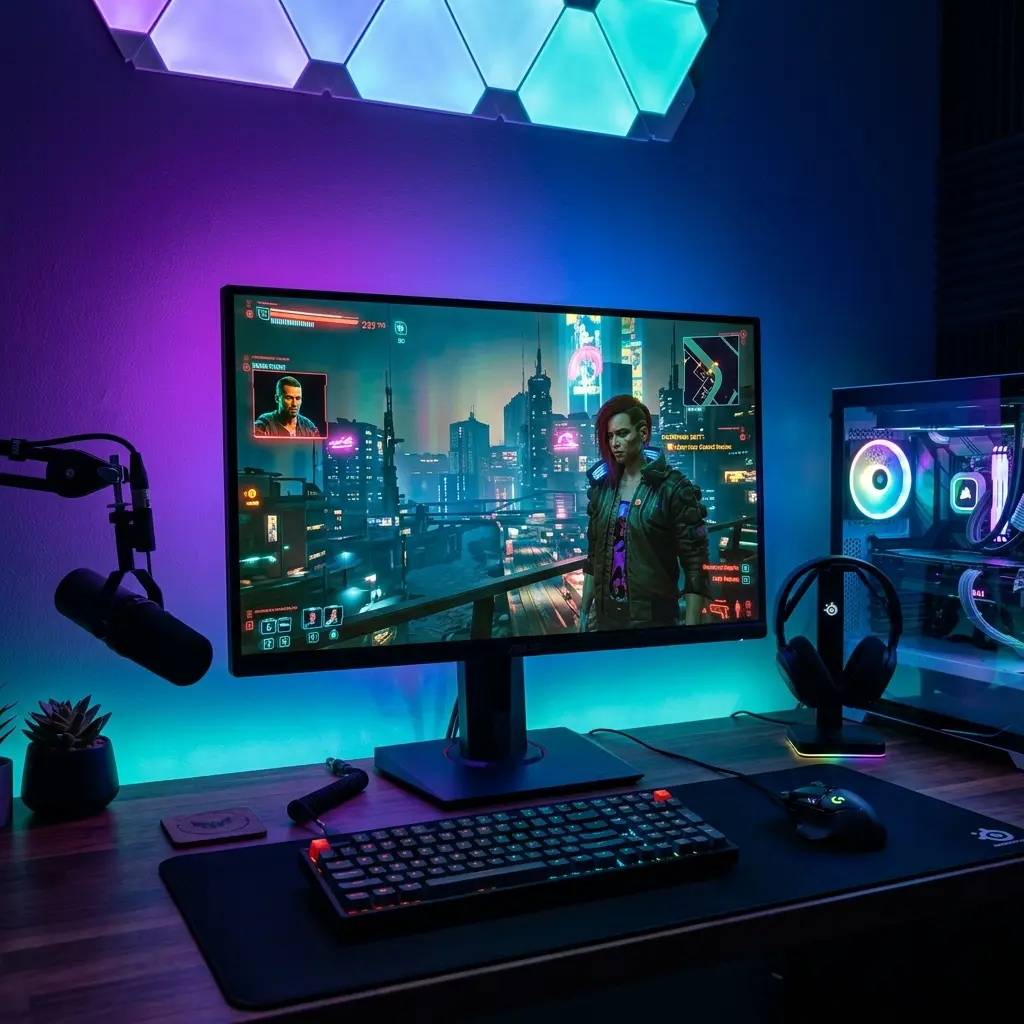
Calibrating monitor colors for free can be achieved using built-in software tools and online resources, eliminating the need for expensive calibration equipment.
Physical Aspects and Resolution
Understanding physical specifications is crucial for effective calibration. Key factors include screen size, resolution, and panel type, which significantly impact color accuracy.
Performance and Technology
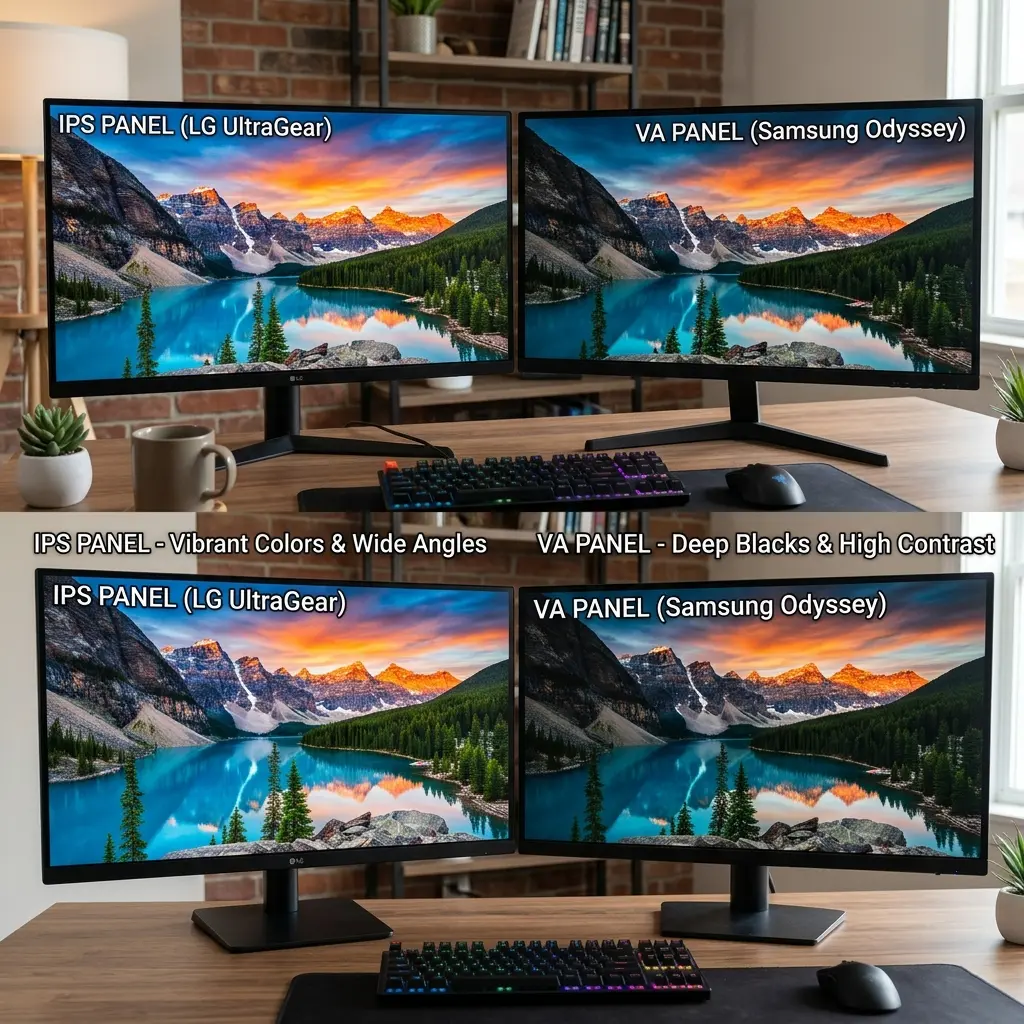
Modern monitors utilize various technologies such as IPS, TN, and VA panels, each offering distinct color reproduction capabilities. Calibration can enhance performance by optimizing the display's inherent strengths.
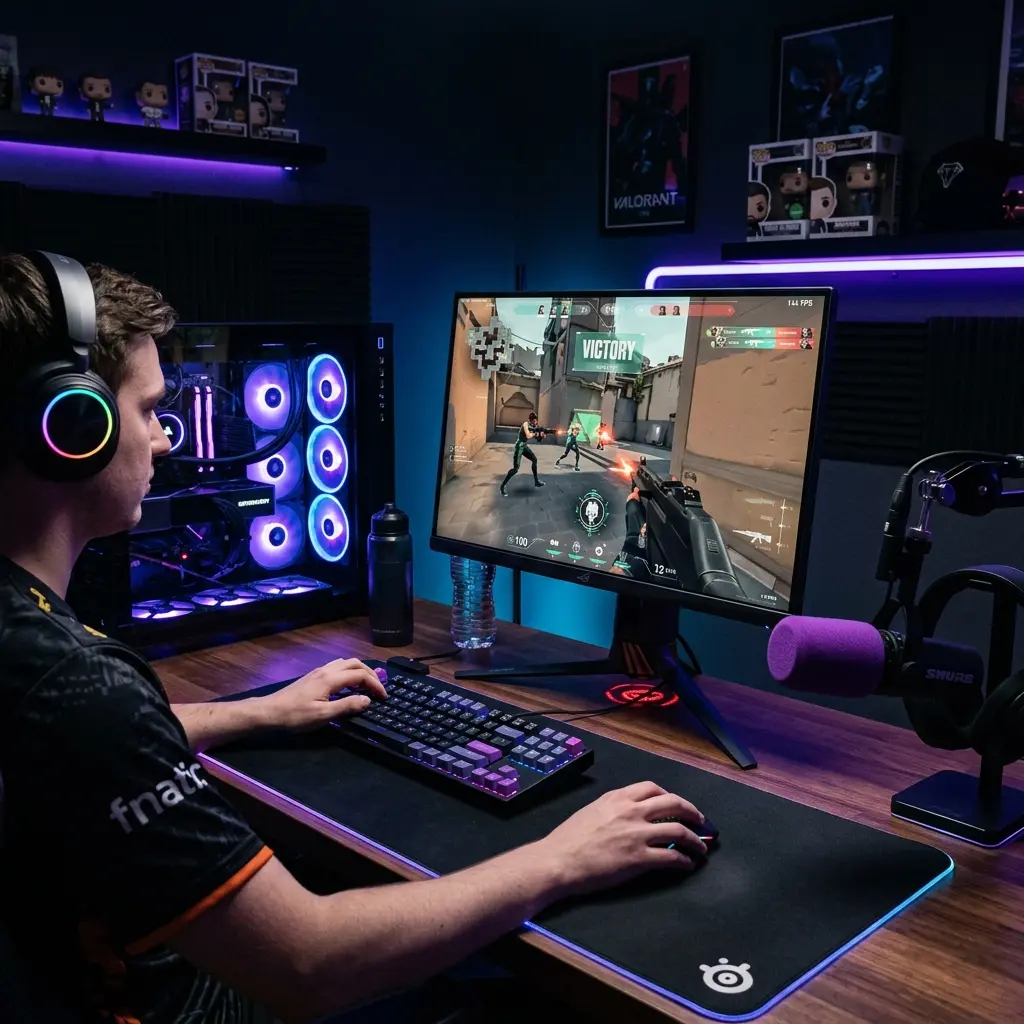
Ergonomics and Visual Comfort
Ergonomics play a vital role in user comfort and prolonged use. A well-calibrated monitor not only improves visual comfort but also reduces eye strain during extended sessions.
| Monitor Type | Color Accuracy | Response Time | Price Range |
|---|---|---|---|
| IPS | High | 5ms | Mid to High |
| TN | Low | 1ms | Low |
| VA | Medium | 4ms | Mid |
Materials and Durability
The materials used in monitor construction affect longevity and performance. Glass vs. plastic screens and build quality must be considered when determining durability.

DomineTec Tip: Utilize anti-glare screen protectors to enhance visual comfort and protect against reflections.
Buying Recommendations and Brands
When selecting monitors, consider reputable brands known for color accuracy and reliable performance. Popular brands include Dell, ASUS, and BenQ, which offer models tailored for various needs.
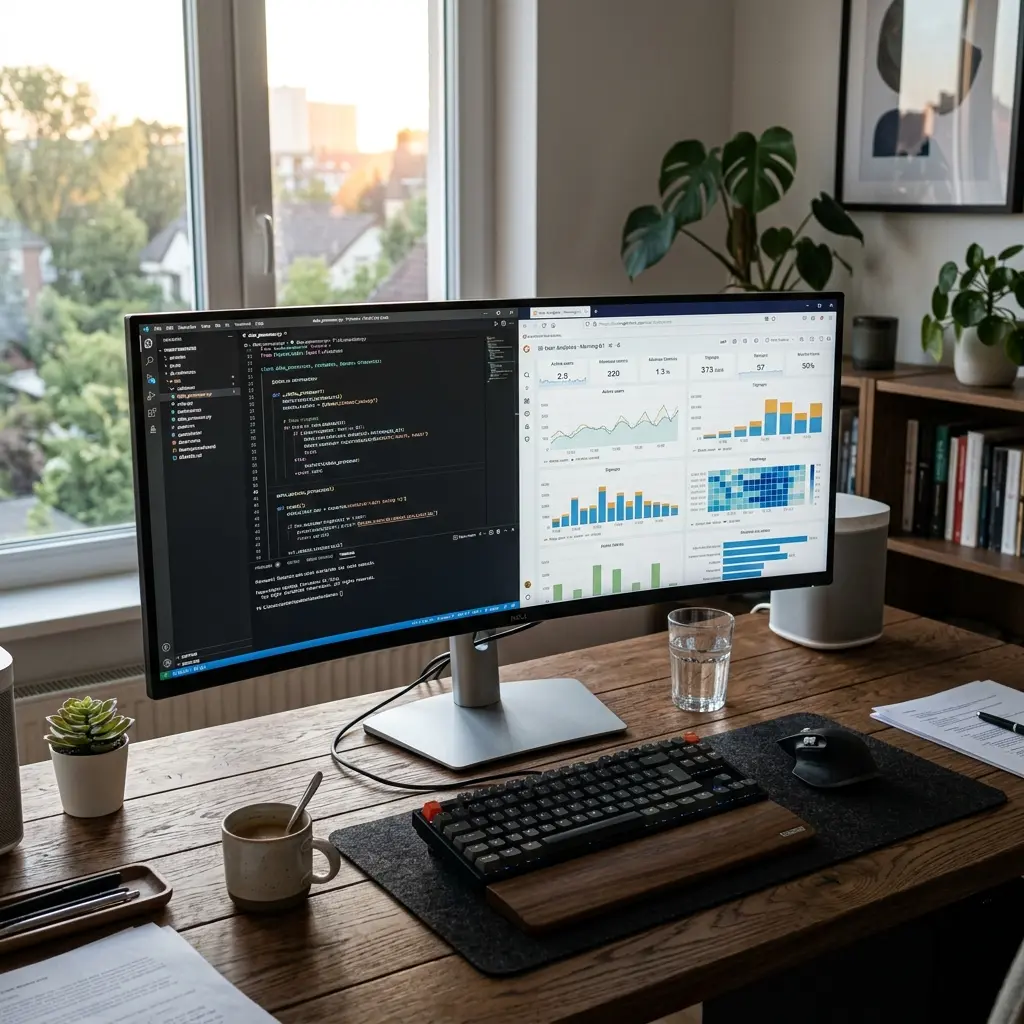
- Identify your primary usage (gaming, design, or general use).
- Research monitors with the desired panel type and resolution.
- Check online reviews for color accuracy and calibration capabilities.
- Utilize built-in calibration tools or online resources to adjust settings.
- Regularly revisit calibration settings to maintain optimal performance.
Value Analysis and Verdict
Calibrating a monitor without specialized equipment offers significant value by improving visual output and extending a monitor's usability. The investment of time in calibration can yield enhanced satisfaction and productivity.
For more on creating a productive workspace, explore this clean productivity desk setup and learn about the correct monitor height for optimal ergonomics.
Understanding Color Profiles and Their Importance
Color profiles are essential for accurate color representation on monitors. They define how colors are interpreted and displayed, affecting everything from photography to graphic design.
Different devices have unique color spaces, such as sRGB, Adobe RGB, and ProPhoto RGB. Understanding these profiles helps in choosing the right settings for your monitor calibration.
Utilizing the correct color profile ensures consistency across devices, which is crucial for professional work. Misalignments can lead to discrepancies in color during the final output.
Many operating systems offer built-in tools for managing color profiles. Familiarizing oneself with these tools can significantly enhance the calibration process.
Utilizing Built-in Calibration Tools in Operating Systems
Modern operating systems often include built-in calibration tools that can assist users in adjusting monitor colors. These tools provide a step-by-step guide to achieving better color accuracy.
Windows, for instance, features a Display Color Calibration tool accessible through the Control Panel. This tool guides users through adjusting gamma, brightness, contrast, and color balance.
Similarly, macOS offers a Display Calibration Assistant, which prompts users to adjust settings systematically. This ensures a more user-friendly experience for those unfamiliar with color calibration.
Using these built-in tools can yield satisfactory results without the need for additional software or equipment. However, users should be aware that results may vary depending on the monitor's capabilities.
Online Calibration Tools and Resources
Numerous online resources provide calibration tools that help users calibrate their monitors effectively. These tools often include visual aids and step-by-step instructions.
Websites like Lagom.nl offer patterns for adjusting contrast, brightness, and color balance directly in the browser. Users can compare their settings against these patterns to achieve optimal results.
Another resource is the Display Calibration Test from the website PhotoFidelity, which presents various color and gradient tests. These tests help in identifying issues with color reproduction.
While online tools may not replace professional calibration equipment, they serve as a great starting point for users seeking immediate improvements.
Importance of Ambient Lighting in Calibration
Ambient lighting significantly affects how colors appear on monitors. Proper lighting conditions are crucial for achieving accurate calibrations.
When calibrating a monitor, it is essential to consider the surrounding light sources. Ideally, the room should have controlled lighting that minimizes reflections and glare on the screen.
Using natural light can be beneficial, but it should be indirect to avoid harsh shadows. Conversely, overhead fluorescent lighting can distort colors, making calibration more challenging.
Creating a consistent environment with stable lighting conditions can lead to more reliable calibration results. Consider testing calibration at different times of the day to assess variations in color perception.
Common Color Calibration Issues and How to Resolve Them
Users may encounter various issues during the calibration process, leading to unsatisfactory results. Recognizing these problems is the first step in addressing them effectively.
One common issue is incorrect gamma settings, which can significantly alter the overall brightness and contrast of the display. Adjusting gamma correctly is essential for accurate color reproduction.
Another frequent problem is color temperature settings. A monitor set too warm or too cool can skew color accuracy, affecting tasks like photo editing.
Lastly, monitor aging can affect color quality. Regularly repeating the calibration process is crucial to maintain color fidelity, especially for older displays.
Understanding the Role of Calibration in Different Industries
Calibration is vital in various industries, each with unique requirements for color accuracy. Understanding these differences can help users grasp the importance of monitor calibration.
In photography, precise color representation is crucial for editing and retouching images. Photographers rely on calibrated monitors to ensure their prints match the on-screen colors.
Graphic design also demands accurate color reproduction, as designers often work with specific color palettes. Calibration helps ensure that designs appear as intended across different displays.
Similarly, video production requires color accuracy for editing and color grading. Proper calibration allows for uniformity in color across different viewing platforms.
Maintaining Your Monitor for Optimal Calibration Results
Regular maintenance of a monitor can significantly impact its calibration results. Dust and dirt accumulation can obscure the screen, affecting visual clarity and color accuracy.
Cleaning the screen with appropriate materials ensures a clear view, which is essential during calibration. Use microfiber cloths and gentle cleaning solutions to avoid damaging the display.
Additionally, keeping the monitor's firmware updated can enhance performance and color fidelity. Manufacturers often release updates that improve the display's capabilities.
Lastly, regularly checking connections and ensuring cables are secure can prevent display issues that may interfere with color accuracy. Proper care leads to more reliable calibration outcomes.
Understanding the Color Wheel and Its Application in Calibration
The color wheel is a fundamental tool in understanding color theory, consisting of primary, secondary, and tertiary colors arranged in a circular format. Familiarity with the color wheel can help users identify color relationships and make informed adjustments during the calibration process.
When calibrating a monitor, the primary colors—red, green, and blue (RGB)—play a crucial role in achieving accurate color reproduction. By understanding how these colors interact, users can make precise adjustments to balance and enhance color output.
Utilizing the color wheel during calibration allows users to recognize complementary colors that can be adjusted for better contrast and visual appeal. This understanding can lead to more effective correction of color imbalances that may exist in the monitor's display settings.
Moreover, the color wheel aids in visualizing the impact of adjustments on overall color harmony. Users can experiment with different settings to see real-time effects, thereby facilitating a more intuitive calibration experience.
The Psychology of Color and Its Impact on Calibration
Color psychology examines how colors affect human emotions and behaviors, making it a relevant aspect in monitor calibration. Understanding the emotional impact of colors can influence how users perceive their calibrated settings.
Different industries may have specific color preferences based on psychological effects; for instance, blue is often associated with calmness while red evokes excitement. This knowledge can guide users in selecting color profiles that align with their intended emotional response or branding objectives.
When calibrating a monitor for creative work, such as graphic design or photography, awareness of color psychology ensures that the selected hues resonate well with the target audience. This consideration can enhance the overall effectiveness of visual communication.
Incorporating insights from color psychology can also lead to the creation of custom profiles that cater to specific user preferences, thereby personalizing the calibration experience and improving user satisfaction.
Exploring Color Calibration Software Options
While hardware calibration tools are often considered the gold standard, several software options are available that can effectively assist in color calibration. These programs utilize algorithms and user input to achieve improved color accuracy without the need for specialized equipment.
Popular software solutions often feature intuitive interfaces that guide users through the calibration process step-by-step. This user-friendliness makes it accessible for individuals with varying levels of technical expertise.
Many software tools allow for fine-tuning of color settings, enabling users to adjust gamma, brightness, contrast, and individual RGB levels. This level of customization can yield significant improvements in monitor performance over the default settings.
Additionally, some software options provide profiles tailored for specific applications, such as photo editing or video production, ensuring that users receive optimal results based on their specific needs and workflows.
Best Practices for Regular Calibration and Adjustment
Regular calibration is essential for maintaining consistent color accuracy over time. Establishing a routine calibration schedule, such as every month or after significant changes in ambient lighting, can help ensure that color fidelity is preserved.
Users should document their calibration settings and adjustments to track changes and identify trends over time. This practice can provide insights into how external factors may impact color performance, facilitating proactive adjustments.
In addition to periodic calibrations, users should be mindful of any physical alterations to their monitor setup, such as changes in placement or upgrades in hardware. These factors can influence color accuracy and may necessitate additional calibration efforts.
Finally, staying informed about updates in calibration software and techniques can enhance the calibration process. Engaging with online communities and resources allows users to share experiences and gain insights into effective practices for maintaining optimal monitor performance.
Exploring the Differences Between RGB and CMYK Color Spaces
Understanding the differences between RGB and CMYK color spaces is essential for effective color calibration. RGB stands for Red, Green, and Blue, which are the primary colors of light. This color space is primarily used for digital displays, including monitors, televisions, and cameras, making it crucial for screen calibration.
On the other hand, CMYK stands for Cyan, Magenta, Yellow, and Key (Black). This color space is predominantly used in color printing. When calibrating monitors, knowing that RGB is additive (colors are created by combining light) and CMYK is subtractive (colors are created by subtracting light from a white background) is crucial, as it affects how colors are rendered on screen versus on printed media.
When calibrating a monitor, it is vital to ensure that the RGB settings match the intended output. If images are created in an RGB color space but are printed in CMYK, discrepancies in color can occur. To mitigate this, using software that can convert RGB values to CMYK accurately is essential for maintaining color fidelity across different media.
Finally, understanding the interplay between these two color spaces allows for better calibration practices. Users should consider their primary output medium when calibrating their monitors, ensuring that colors appear as intended in both digital and print formats to achieve optimal results.
The Impact of Color Temperature on Calibration
Color temperature plays a significant role in monitor calibration, influencing how colors appear on the screen. Measured in Kelvin (K), color temperature refers to the hue of the light source. A lower color temperature results in warmer tones (more red), while a higher temperature produces cooler tones (more blue).
Standard color temperatures for monitors typically range between 6500K and 7500K. Most calibration processes set monitors to 6500K, which is considered a neutral white point for general viewing. Ensuring your monitor is set to the correct color temperature is crucial for achieving accurate color representation, especially in fields like graphic design or photography.
Incorporating the correct color temperature during calibration can also help reduce eye strain. A warm color temperature may be more comfortable for extended viewing periods, while a cooler temperature can provide clarity in specific tasks. Users should experiment with these settings to find a balance that suits their individual preferences and working conditions.
Moreover, color temperature can change based on ambient lighting conditions, making it essential to revisit this setting regularly. Adjusting the monitor’s color temperature in response to changes in surrounding light can ensure that the displayed colors remain consistent and accurate over time.
Exploring the Differences Between Hardware and Software Calibration
When calibrating monitor colors, understanding the distinction between hardware and software calibration is crucial. Hardware calibration involves adjusting the monitor's internal settings using built-in controls, while software calibration adjusts the display output through the operating system or third-party applications.
Hardware calibration typically provides more precise results because it modifies the monitor's color settings directly. This method often requires specific calibration devices, but some monitors offer built-in calibration features that can enhance color accuracy without additional equipment.
On the other hand, software calibration is more accessible for most users, as it relies on adjusting settings within the operating system or using online tools. While it may not achieve the same level of accuracy as hardware calibration, it can significantly improve color fidelity for everyday tasks.
Both methods have their advantages and drawbacks. Users should evaluate their needs and resources to determine which calibration approach best fits their situation, balancing accuracy and convenience.
The Impact of Color Space on Calibration Accuracy
Color space refers to the specific range of colors that a monitor can display, impacting the calibration process significantly. Different color spaces, such as sRGB, Adobe RGB, and ProPhoto RGB, have varying capabilities and applications, influencing how colors are rendered.
When calibrating a monitor, it is essential to select the appropriate color space for the intended use. For web design, sRGB is the standard, while Adobe RGB is favored in print work due to its wider color gamut. Understanding these differences ensures that colors appear as intended across different mediums.
Some calibration tools allow users to choose the color space during the calibration process, impacting the final results. Selecting the correct color space can lead to more accurate color reproduction, enhancing the overall visual experience.
Moreover, monitor capabilities can vary significantly between models and brands, making it necessary to understand the limitations of a specific monitor's color space during calibration. Users should research their monitor specifications to optimize calibration results effectively.
Frequently Asked Questions
What is monitor calibration?
Monitor calibration is the process of adjusting the display settings to achieve accurate color reproduction and optimal visual performance.
Can calibration improve gaming performance?
Yes, calibrating a monitor can enhance color accuracy and reduce visual artifacts, leading to a better gaming experience.
How often should monitors be calibrated?
Monitors should ideally be calibrated every few months or whenever significant changes in display settings occur.
Are there free calibration tools available?
Numerous software tools and online resources offer free calibration options without the need for specialized equipment.
Does monitor type affect calibration?
Yes, different panel types (IPS, TN, VA) have unique characteristics impacting how they should be calibrated for optimal results.




