How to Burn and Unclog a 3D Printer Nozzle Off-Tool Using a Mini Blowtorch
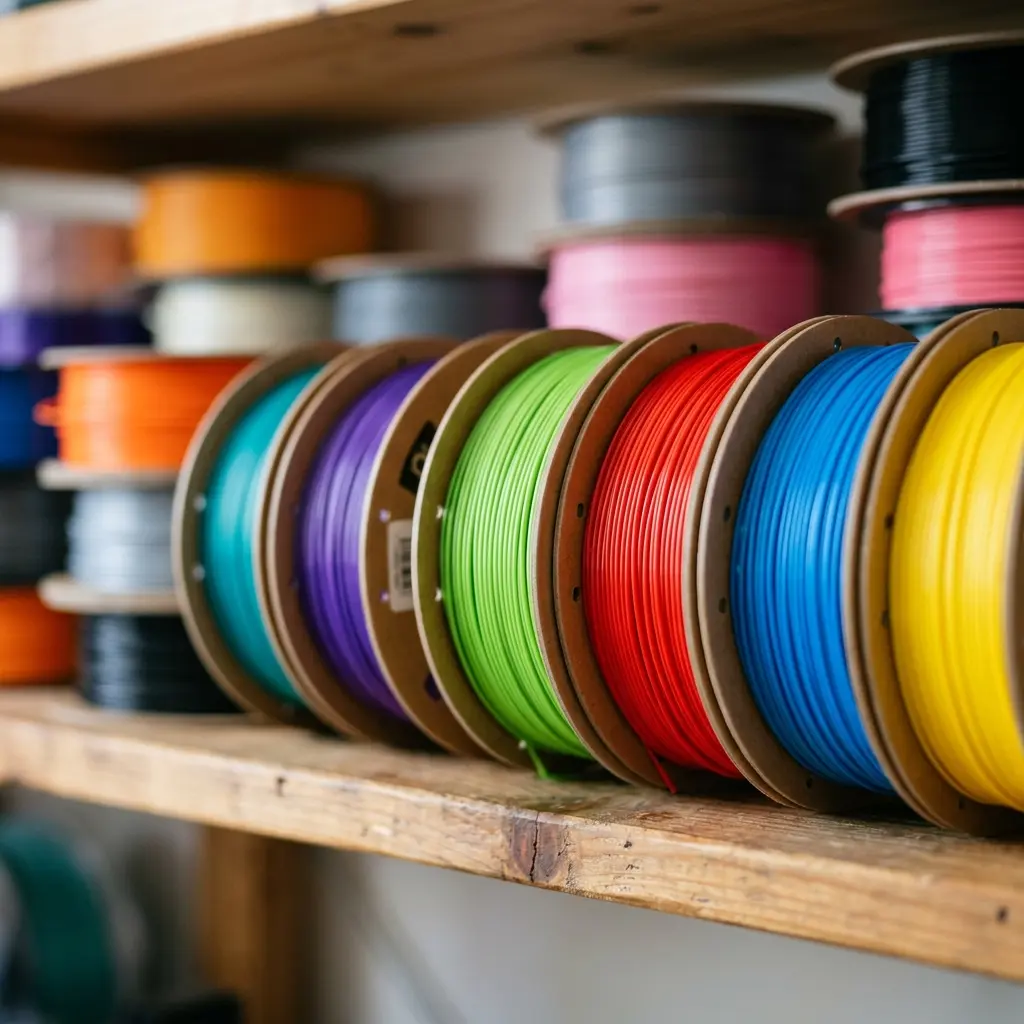
Burning and unclogging a 3D printer nozzle using a mini blowtorch is an effective method to restore functionality.
Understanding Clogs in 3D Printer Nozzles
3D printer nozzles can become clogged due to several reasons, including filament degradation, improper temperature settings, or contamination. A clogged nozzle can disrupt the printing process, leading to failed prints and wasted materials.
Common materials like PLA and ABS have different thermal properties and can contribute to clogging in distinct ways. Knowing these differences is essential for effective clog management.
Preparing for the Cleaning Process
Before starting the unclogging process, gather the necessary tools: a mini blowtorch, safety goggles, needle files, and potentially a replacement nozzle. Proper preparation ensures safety and efficiency during the process.
Ensure the 3D printer is turned off and cooled down to avoid burns. Conducting this procedure in a well-ventilated area is vital to avoid inhaling fumes.
Step-by-Step Guide to Using a Mini Blowtorch
- Remove the nozzle from the printer. This typically requires a wrench to unscrew it from the hotend.
- Inspect the nozzle for visible clogs or residue.
- Light the mini blowtorch, adjusting the flame to a manageable size.
- Carefully heat the nozzle, ensuring the flame directly contacts the clogged area.
- Watch for the filament to begin to burn off or melt, which indicates progress.
- Allow the nozzle to cool slightly before using needle files to clear any remaining debris.
- Reattach the nozzle to the printer and perform a test print.
Technical Specifications of Mini Blowtorches
| Feature | Specification |
|---|---|
| Fuel Type | Butane |
| Max Temperature | Up to 1,300°C |
| Flame Adjustment | Variable |
| Safety Features | Child-resistant locking mechanism |
| Weight | Approximately 200g |
DomineTec Tip: Always wear safety goggles when using a blowtorch to protect your eyes from any accidental sparks or debris.
Post-Cleaning Maintenance
After successfully unclogging the nozzle, perform a thorough cleaning of the hotend to prevent future clogs. This includes purging old filament and ensuring the temperature settings are appropriate for the material being used.
Regularly check the nozzle for wear and replace it as necessary. This proactive maintenance can save time and resources in the long run.
Common Filament Types and Their Clogging Potential
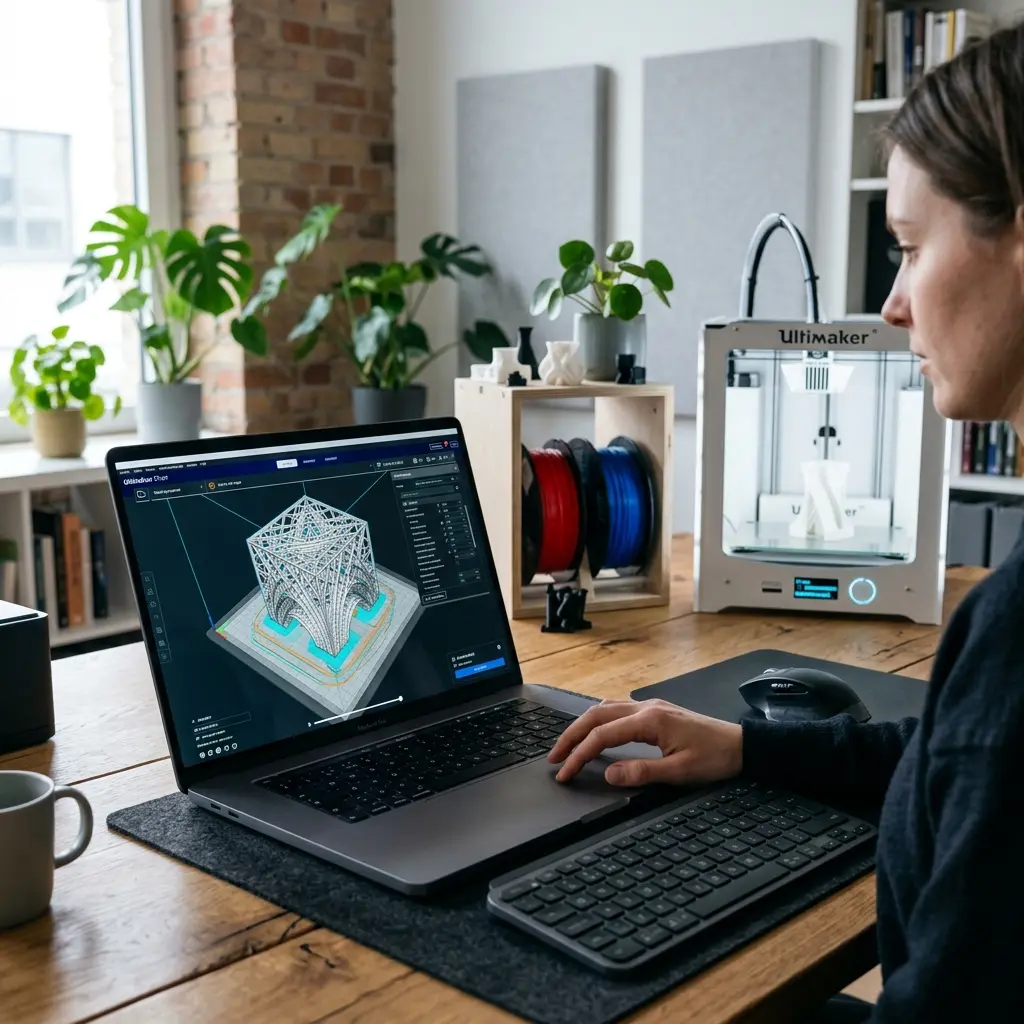
Different filament types have unique properties that can affect clogging. For instance, PLA is known for its ease of use but can become brittle if overheated.
In contrast, ABS is more resistant to heat but can emit unpleasant fumes when heated improperly.
Understanding the difference between PLA and ABS can aid in selecting the right material for your projects while minimizing clogging issues.
Frequently Asked Questions
What are the signs of a clogged nozzle?
Common signs include inconsistent extrusion, under-extrusion, or the printer failing to extrude filament at all. Monitoring these symptoms can help identify issues early.
Can a clogged nozzle be cleaned without a blowtorch?
Yes, various methods exist, such as cold pull techniques or using a cleaning filament. However, a blowtorch is often the most effective for severe clogs.
How often should nozzles be cleaned?
Regular maintenance is recommended, especially after every few prints, or if a change in filament type occurs. Keeping the nozzle clean ensures optimal performance.
What safety precautions should be taken when using a blowtorch?
Always wear protective gear and work in a well-ventilated area. Keeping flammable materials away from the working space is crucial for safety.
Is it better to replace the nozzle instead of cleaning it?
In cases of excessive wear or damage, replacing the nozzle may be more effective. Routine cleaning can extend the life of the nozzle, but replacement is sometimes necessary.
Understanding Different Types of 3D Printer Nozzles
3D printer nozzles come in various types and sizes, each suited for specific applications. The most common materials used for nozzles are brass, stainless steel, and hardened steel.
Brass nozzles are versatile and ideal for standard printing with materials like PLA and ABS. Stainless steel nozzles are recommended for users working with abrasive filaments, while hardened steel nozzles are best for high-temperature and abrasive materials.
Choosing the Right Nozzle Size
Nozzle size significantly impacts print quality and speed. Common sizes include 0.2mm, 0.4mm, 0.6mm, and 0.8mm.
Smaller nozzles produce finer details but may require longer print times.
Conversely, larger nozzles enable faster prints and are better for thicker layers but sacrifice detail. Selecting the right nozzle size depends on the specific requirements of your project.
Maintenance Checklist for 3D Printer Nozzles
- Inspect nozzle condition before each print.
- Clean the nozzle after every few prints or when changing filament types.
- Check temperature settings suitable for the filament used.
- Perform a cold pull if extrusion issues arise.
- Consider replacing the nozzle if wear is evident.
Advanced Unclogging Techniques
In addition to using a blowtorch, several advanced methods can address severe clogs. One effective technique is the cold pull method, which involves heating the nozzle to a specific temperature and then allowing it to cool slightly before pulling the filament out.
This technique can help remove residual material and debris from the nozzle without the risk of damaging it. Another method involves using specialized cleaning filaments designed to clear out clogs efficiently.
Conclusion
Regular maintenance and proper cleaning techniques are crucial for ensuring the longevity and performance of 3D printer nozzles. Utilizing a mini blowtorch can effectively unclog nozzles, but users should also be aware of other cleaning methods and preventative measures.
By understanding the materials used, the importance of nozzle size, and effective maintenance practices, users can enhance their 3D printing experience and achieve better results.




