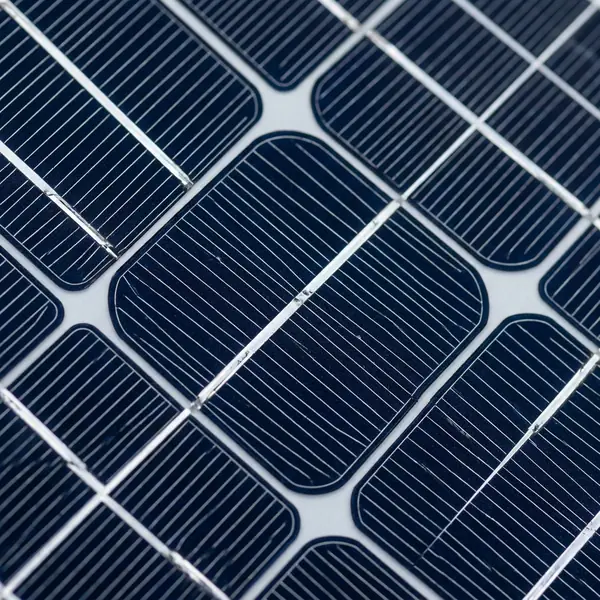
To build a DIY solar power system, connect your solar panels to a charge controller, link the controller to a battery, and attach an inverter.
Introduction
How to Build a Simple DIY Solar Power System at Home
Understanding Solar Power Systems
Solar power systems convert sunlight into electricity using photovoltaic (PV) cells. These cells are made from semiconductor materials, usually silicon, that generate direct current (DC) when exposed to sunlight. This process is known as the photovoltaic effect, which plays a key role in harnessing solar energy.
Solar power systems can vary in size from small residential setups to large commercial installations. The basic components of a solar power system include solar panels, an inverter, a charge controller, batteries, and wiring. Understanding how each component works and integrates is important for building an efficient system.
Components of a DIY Solar Power System
Publicidade
Here’s a detailed breakdown of the main components you’ll need:
- **Solar Panels**: These capture sunlight and convert it into electricity. They are rated by their output capacity, typically between 250 to 400 watts per panel. When selecting solar panels, consider the efficiency rating, which indicates how much sunlight is converted into usable electricity.
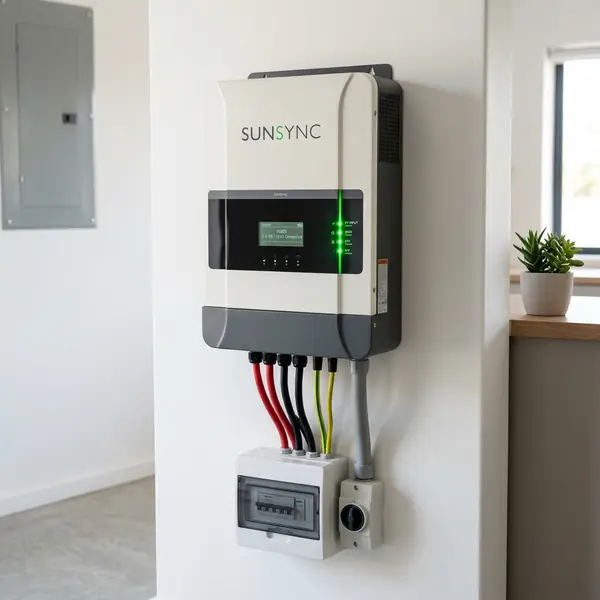
- **Inverter**: This device converts DC electricity generated by the solar panels into alternating current (AC), which is the type of electricity used in most homes. Inverters can be string inverters, microinverters, or power optimizers, each with its own pros and cons depending on system design and shading issues.
- **Charge Controller**: This component regulates the voltage and current coming from the solar panels to the batteries, preventing overcharging, which can damage the batteries. MPPT (Maximum Power Point Tracking) charge controllers are more efficient than PWM (Pulse Width Modulation) controllers and are recommended for larger systems.
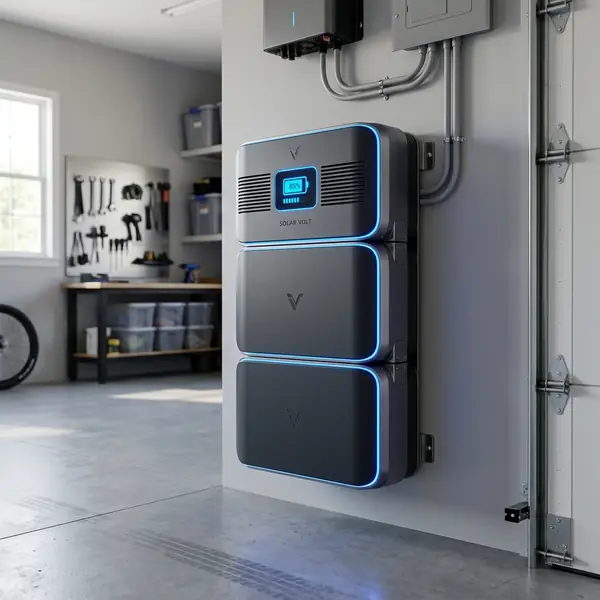
- **Batteries**: These store energy for use when sunlight is not available, like at night or during cloudy days. Lead-acid and lithium-ion are common battery types, with lithium-ion batteries offering longer lifespans and deeper discharge capabilities.
- **Wiring and Mounting Hardware**: Proper wiring is important for connecting the components, and mounting hardware is needed to secure the panels. Use weather-resistant connectors and ensure the wiring is appropriately sized to handle the current.
How Solar Power Works
Publicidade
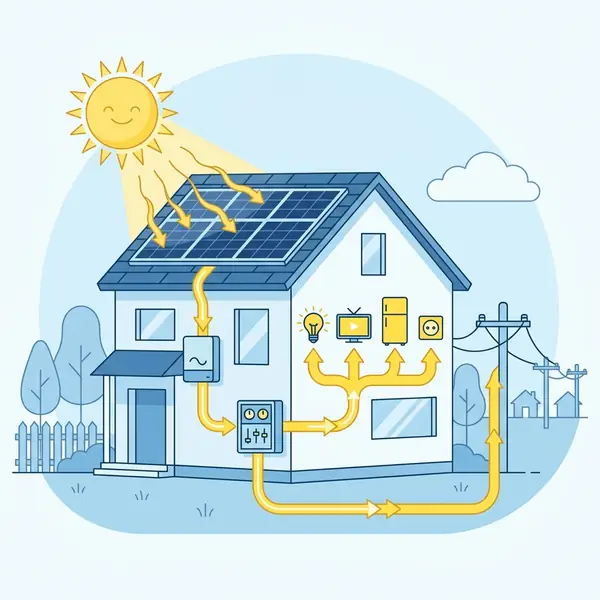
The operation of a solar power system begins with solar panels absorbing sunlight. Each photovoltaic cell generates DC electricity when photons from sunlight knock electrons loose from their atoms. This process creates an electric current that can be harnessed for use.
The inverter then converts this DC electricity into AC electricity, which can be used to power household appliances. If your system includes battery storage, excess electricity can be stored for later use, ensuring you have power even when the sun is not shining. Understanding this flow of electricity is key for efficient system design.
Advantages and Disadvantages of DIY Solar Power Systems
**Advantages**:
- **Cost Savings**: After initial setup, solar energy can significantly reduce your electricity bills. Many homeowners report a decrease of 50-80% in their monthly energy costs.
- **Energy Independence**: Producing your own power can reduce reliance on grid electricity. This is especially beneficial during power outages or when utility rates increase.
- **Environmental Benefits**: Solar energy is a clean, renewable resource that reduces greenhouse gas emissions. By using solar power, you contribute to a more sustainable future.
**Disadvantages**:
- **High Initial Costs**: Purchasing all components can be expensive upfront. Even a DIY system can require a significant investment, often ranging from $2,000 to $5,000 or more.
- **Space Requirements**: Sufficient roof or land space is necessary for effective installation. Be sure to evaluate the available space for solar panels before proceeding.
- **Weather Dependency**: Solar production is less effective in cloudy or rainy weather. This variability necessitates a good battery storage solution to ensure consistent energy supply.
Installation Process for a DIY Solar Power System
Publicidade
Installing a solar power system at home involves several steps:
1. **Assess Your Energy Needs**: Calculate your average energy consumption to determine the size of the system required. Check your utility bills to find your average monthly kWh usage. Understanding your energy needs is the foundation for a successful solar installation.
2. **Choose the Right Components**: Based on your energy needs, select the appropriate number of solar panels, type of inverter, battery storage, and necessary wiring. Research different brands and specifications to find components that suit your requirements and budget.
3. **Select an Installation Location**: Ideally, solar panels should be placed on a south-facing roof or a clear area with direct sunlight for most of the day. Avoid shaded areas from trees or buildings to maximize sunlight exposure.
4. **Obtain Permits**: Check local regulations and zoning laws. Some areas require permits for solar installations, and failure to comply can result in fines or installation delays. Consult with local authorities to ensure your project meets all legal requirements.
5. **Install the Mounting System**: Securely attach the mounting brackets to your roof or ground structure. Ensure that brackets are level and sturdy to support the weight of the solar panels.
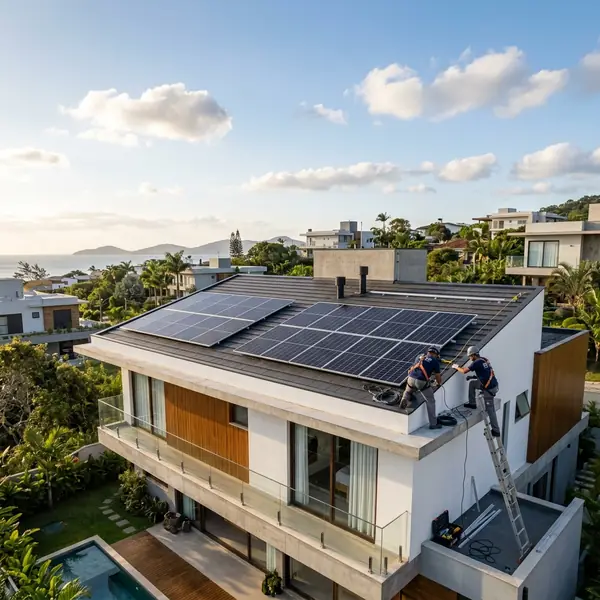
6. **Install Solar Panels**: Attach the solar panels to the mounting brackets, ensuring they are secure and positioned for maximum sunlight exposure. Use appropriate fasteners and follow manufacturer guidelines for installation.
7. **Connect the System**: Wire the solar panels to the inverter and connect the inverter to your home’s electrical system. Ensure all connections are secure and comply with local electrical codes to prevent hazards.
8. **Install the Charge Controller and Batteries**: Connect the charge controller to the solar panels and batteries, ensuring proper wiring to prevent backflow of current. This step is critical for protecting your battery system from damage.
9. **Test the System**: Once everything is connected, turn on the system and check for functionality. Use a multimeter to ensure the voltage and current are within expected ranges, confirming that your system is operating correctly.
Cost Breakdown for a DIY Solar Power System
Publicidade
Here is a detailed markdown table showing a typical cost breakdown:
| Component | Average Cost (USD) | Notes |
|-----------------------|---------------------|----------------------------------------------|
| Solar Panels (300W) | $200 - $300 each | Depending on brand and efficiency |
| Inverter | $1,000 - $2,000 | Size and type affect the price |
| Charge Controller | $100 - $300 | Based on the capacity of the solar system |
| Batteries (12V, 100Ah)| $150 - $300 each | Lithium-ion is more expensive than lead-acid |
| Mounting Hardware | $100 - $300 | Varies based on roof type |
| Wiring and Accessories | $100 - $200 | Includes connectors and fuses |
| **Total Estimated Cost** | **$2,000 - $5,000** | For a complete DIY system |
This cost breakdown provides a clear overview of what to expect when budgeting for your DIY solar power system. Note that prices may vary based on market conditions and local suppliers.
Real-World Case Studies
Publicidade
**Residential Case Study**:
John lives in a suburban home with an average monthly electricity bill of $150. After installing a DIY solar power system with 10 solar panels (300W each), he spent about $4,000. Over the first year, he produced approximately 10,000 kWh of electricity, reducing his reliance on the grid by 80%. This saved him around $1,200 annually, resulting in a return on investment (ROI) of 30% within three years.
**Commercial Case Study**:
A local bakery installed a larger DIY solar system with 50 panels. The total installation cost was around $20,000. The bakery's monthly electricity bill of $800 was reduced by 75% after installation. Yearly savings amounted to $7,200, leading to an ROI of 36% within three years. These case studies illustrate the financial benefits of investing in solar power.
Maintenance of Your Solar Power System
Maintaining your solar power system ensures optimal performance and longevity. Here are steps for proper maintenance:
1. **Regular Cleaning**: Dust, leaves, and debris can accumulate on the panels. Clean them with a soft cloth or sponge and water at least twice a year. In areas with heavy rainfall, natural cleaning may suffice, but regular checks are still important.
2. **Inspect for Damage**: Check for any visible signs of wear or damage to the panels and wiring. Look for cracks, loose connections, or corrosion. Early detection of issues can prevent costly repairs down the line.
3. **Check the Inverter**: Ensure the inverter displays normal operating conditions. If you see any error codes, consult the manual or contact support. Monitoring the inverter's performance is key as it controls the entire system's output.
4. **Monitor Energy Production**: Use a monitoring system to track energy output. Identify any significant drops in production that could indicate an issue. Many modern inverters come with built-in monitoring capabilities for convenience.
5. **Battery Maintenance**: If using lead-acid batteries, perform periodic checks on water levels and capacity. Lithium-ion batteries typically require less maintenance but should still be monitored for performance. Proper battery care extends their lifespan significantly.
Hidden Costs and Long-Term Operational Issues
Publicidade
While solar power systems can save you money, there are hidden costs and potential long-term issues to consider:
- **Installation Costs**: Beyond the purchase of components, labor costs for professional installation can add up. If you are inexperienced, hiring an electrician may be necessary, impacting the overall budget.
- **Replacement Parts**: Inverters typically last 5 to 10 years and may need replacement, impacting long-term costs. Consider this when calculating your system's overall expense.
- **Battery Lifespan**: Depending on the type, batteries may need to be replaced every 5 to 15 years, which can be a significant expense. Factor in these costs when determining your system's financial viability.
- **Insurance**: Consider any increases in homeowners' insurance for having solar panels installed. Some insurance companies may offer discounts for solar installations, so it’s worth exploring options.
- **Regulatory Changes**: Changes in local policies or incentives for solar energy can affect the financial viability of your system. Stay informed about local regulations to maximize your investment.
Comparative Analysis of Different Solar Technologies
Publicidade
When building a solar power system, understanding the differences between various solar technologies can help you make informed decisions. Here's a look at the three primary types of solar panels:
Monocrystalline Solar Panels
Monocrystalline panels are made from a single crystal structure, making them highly efficient. They typically have an efficiency rating of 15% to 20%, which means they generate more electricity in less space.
- **Pros**: Higher efficiency, longer lifespan (up to 25 years), and better performance in low-light conditions.
- **Cons**: More expensive than other types, and performance can degrade with high temperatures.
Polycrystalline Solar Panels
Polycrystalline panels are made from multiple crystal structures, which makes them less efficient than monocrystalline panels. Their efficiency typically ranges from 13% to 16%.
- **Pros**: Lower cost compared to monocrystalline panels, and they are less wasteful in the manufacturing process.
- **Cons**: Larger size needed for the same power output, and slightly less efficient in high temperatures.
Thin-Film Solar Panels
Publicidade
Thin-film technology uses layers of photovoltaic material to create a lightweight, flexible panel. Their efficiency ranges from 10% to 12%.
- **Pros**: Lightweight, flexible, and can be integrated into various surfaces. They perform better in high temperatures and shaded conditions.
- **Cons**: Lower efficiency, shorter lifespan, and requires more space for the same power output compared to crystalline panels.
Understanding these distinctions will help you choose the right type of solar panel for your specific needs.
Do off-grid DIY solar systems require utility approval?
No, off-grid systems that are completely isolated from the main utility grid do not require approval.
Which batteries are best for DIY solar systems?
Deep-cycle marine, AGM, or lithium LiFePO4 batteries are ideal for energy storage. Para saber mais detalhes, leia nosso guia sobre install an MPPT charge controller. Para saber mais detalhes, leia nosso guia sobre install an MPPT charge controller.
Publicidade
Para saber mais detalhes, leia nosso guia sobre install an MPPT charge controller. Para saber mais detalhes, leia nosso guia sobre install an MPPT charge controller. Para saber mais detalhes, leia nosso guia sobre install an MPPT charge controller.
Para saber mais detalhes, leia nosso guia sobre install an MPPT charge controller.
Can I power a house refrigerator with DIY solar?
Yes, but you will need a pure sine wave inverter rated for the fridge's compressor surge wattage.
How do I size my DIY solar panel array?
Calculate your total daily watt-hour usage and divide it by average sun hours to find the minimum panel wattage. Adicionalmente, você pode conferir as regras de wire solar panels to an inverter. Adicionalmente, você pode conferir as regras de wire solar panels to an inverter.
Publicidade
Adicionalmente, você pode conferir as regras de wire solar panels to an inverter. Adicionalmente, você pode conferir as regras de wire solar panels to an inverter. Adicionalmente, você pode conferir as regras de wire solar panels to an inverter.
Adicionalmente, você pode conferir as regras de wire solar panels to an inverter.
Do off-grid DIY solar systems require utility approval?
No, off-grid systems that are completely isolated from the main utility grid do not require approval.
Which batteries are best for DIY solar systems?
Deep-cycle marine, AGM, or lithium LiFePO4 batteries are ideal for energy storage. Para consultar referências e normativas oficiais, acesse a página da National Renewable Energy Laboratory (NREL). Para consultar referências e normativas oficiais, acesse a página da National Renewable Energy Laboratory (NREL).
Publicidade
Para consultar referências e normativas oficiais, acesse a página da National Renewable Energy Laboratory (NREL). Para consultar referências e normativas oficiais, acesse a página da National Renewable Energy Laboratory (NREL). Para consultar referências e normativas oficiais, acesse a página da National Renewable Energy Laboratory (NREL).
For official guidelines and safety standards, visit the National Renewable Energy Laboratory (NREL) website. For official guidelines and safety standards, visit the National Renewable Energy Laboratory (NREL) website.
Para consultar referências e normativas oficiais, acesse a página da National Renewable Energy Laboratory (NREL).
Para consultar referências e normativas oficiais, acesse a página da National Renewable Energy Laboratory (NREL).
Can I power a house refrigerator with DIY solar?
Yes, but you will need a pure sine wave inverter rated for the fridge's compressor surge wattage.
Publicidade
How do I size my DIY solar panel array?
Calculate your total daily watt-hour usage and divide it by average sun hours to find the minimum panel wattage.
Frequently Asked Questions
What can a simple DIY solar system run?
It can power low-draw electronics like LED lights, smartphones, laptops, routers, and small camping fridges.
Do off-grid DIY solar systems require utility approval?
No, off-grid systems that are completely isolated from the main utility grid do not require approval.
Which batteries are best for DIY solar systems?
Deep-cycle marine, AGM, or lithium LiFePO4 batteries are ideal for energy storage.
Can I power a house refrigerator with DIY solar?
Yes, but you will need a pure sine wave inverter rated for the fridge's compressor surge wattage.
How do I size my DIY solar panel array?
Publicidade
Calculate your total daily watt-hour usage and divide it by average sun hours to find the minimum panel wattage.