![How to Blend and Merge Images in Midjourney [Easy Guide]](/images/posts/ai-image-generator.webp)
Recommended Reading: See also our guide on creating consistent characters in Midjourney.
Recommended Reading: See also our guide on Midjourney prompts for realistic photos.
Blend and Merge Images in Midjourney: A Comprehensive Guide
Learn how to blend and merge images in Midjourney using advanced techniques for stunning digital art.
Understanding Midjourney's Image Processing Capabilities
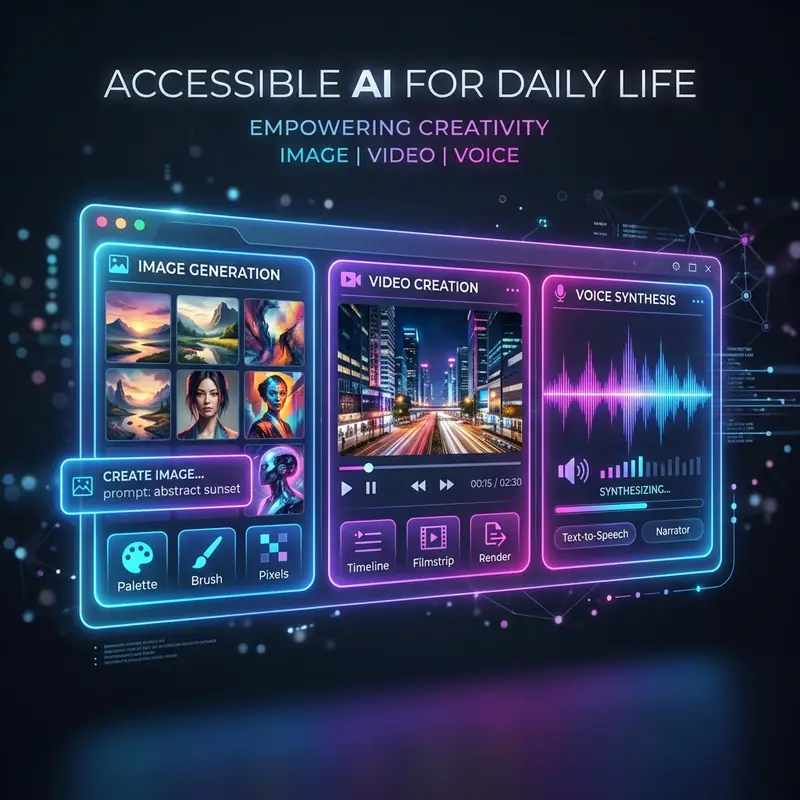
Midjourney is a powerful AI-driven tool that allows digital artists and designers to create stunning visual content through text prompts and commands. One of its most compelling features is the ability to blend and merge images, enabling users to combine multiple visual elements into a cohesive piece of art. This capability is especially useful for advanced designers who wish to create unique, intricate designs that capture the viewer's attention. The blending process can be intricate, involving various parameters that dictate how the images interact with each other, ensuring that the final output meets the artist's vision. In this section, we will explore the core concepts behind image blending and merging in Midjourney, focusing on the mechanics of the Midjourney blend command.
Midjourney Blend Command: An Overview
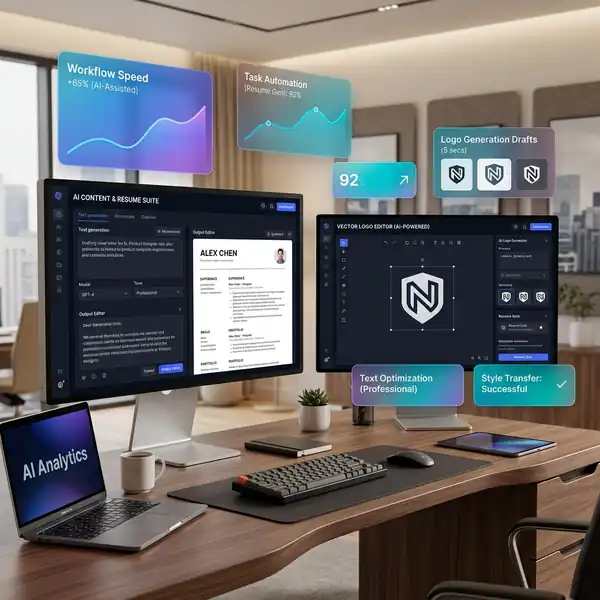
The Midjourney blend command is a significant tool for artists who want to combine multiple images seamlessly. To initiate a blend operation, you will typically use the command "/blend" followed by the image URLs you wish to merge. This command can produce varied results based on the parameters you adjust. Understanding how to leverage these parameters is important for maximizing the potential of your creations. Below is a comparative table summarizing the essential parameters available for the blend command.
| Parameter | Description | Default Value | Example Usage |
|---|---|---|---|
| --weight | Adjusts the importance of each image in the blend. | 1 | /blend image1 image2 --weight 0.7 |
| --aspect | Sets the aspect ratio of the output image. | 1:1 | /blend image1 image2 --aspect 16:9 |
| --style | Applies a specific artistic style to the output. | None | /blend image1 image2 --style oil painting |
| --quality | Determines the quality of the final image. | 1 | /blend image1 image2 --quality 2 |
| --seed | Sets a random seed for reproducibility of results. | None | /blend image1 image2 --seed 12345 |
Step-by-Step Guide to Blending Images in Midjourney
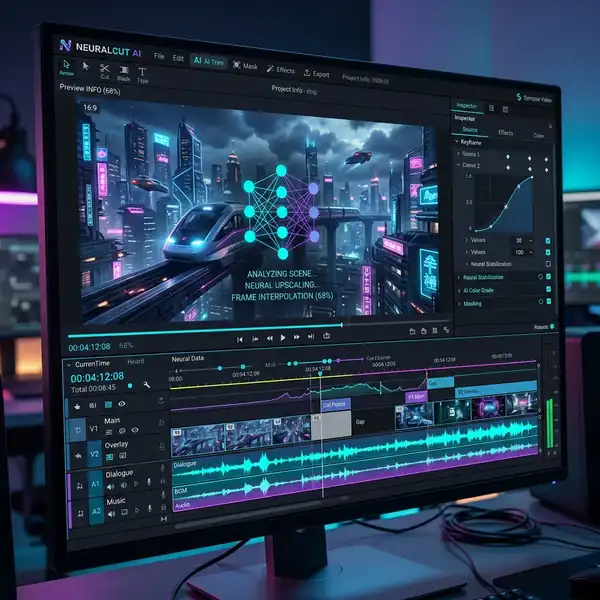
Blending images effectively in Midjourney involves a systematic approach to ensure that your output matches your artistic intent. Follow this detailed step-by-step guide to harness the full potential of the blend command.
-
Step 1: Upload Your Images
Begin by uploading the images you want to blend into the Discord server hosting Midjourney. You can do this by dragging the images into the chat or using the upload button. -
Step 2: Obtain Image URLs
After uploading the images, right-click on each image and select "Copy Link." This will provide you with the URLs necessary for the blend command. -
Step 3: Initiate the Blend Command
In the Discord chat, type the command "/blend" followed by the URLs of the images you wish to merge. For example:/blend. -
Step 4: Adjust Parameters
Incorporate any desired parameters to customize your blend. For example, you may want to specify the weight of each image using the--weightparameter. A typical command might look like this:/blend.--weight 0.7 --aspect 16:9 --quality 2 -
Step 5: Submit the Command
After finalizing your command, hit enter to submit it. Midjourney will process your request and generate the blended image. -
Step 6: Review and Iterate
Examine the output image closely. If the result does not meet your expectations, consider adjusting the weights, aspect ratio, or style parameters and resubmit the command to refine the output. -
Step 7: Save Your Artwork
Once you are satisfied with the result, right-click on the image and select "Save Image As" to download your blended creation.
DomineTec Tip: Always experiment with different weights and styles to discover unique and visually striking blends.
Advanced Techniques for Image Blending
Once you are comfortable with the basic blending procedures, you can explore advanced techniques to enhance your designs further. Here are a few strategies that can elevate the quality and creativity of your blended images:
Utilizing Multiple Images
Midjourney allows you to blend more than two images, which can lead to intricate and complex compositions. To do this, simply add more image URLs to the blend command. For instance, /blend . Adjusting the weights of each image will help you create a balanced output where no single image dominates the blend.
Experimenting with Styles
Midjourney's ability to apply different artistic styles can significantly affect the outcome of your blended images. Experiment with various styles such as "watercolor," "digital art," or "surrealism" by using the --style parameter in your command. This can transform a straightforward blend into a visually captivating piece. For example: /blend .
Optimizing Output Quality
To ensure that the quality of your final image meets professional standards, use the --quality parameter to specify the desired resolution. Values can range from 1 to 2, with higher values yielding better quality. For instance, /blend will produce a higher-resolution image that is suitable for print or detailed viewing.
Incorporating Text Prompts
Another powerful technique is to include text prompts alongside your images. This can guide Midjourney in shaping the blend's aesthetic. Use the command like this: /blend . The generated image will take cues from the prompt, resulting in a more tailored output.
Workflow Optimization for Efficient Blending
For advanced designers and digital artists, optimizing the workflow is important for productivity. Here are some strategies to streamline your image blending processes in Midjourney:
Batch Processing
Instead of blending images one at a time, consider preparing a series of blend commands in advance. This allows you to submit multiple commands in succession, saving time. Prepare a list of image URLs and commands, then copy and paste them into Discord, executing them in batches. This approach is particularly useful for creating a cohesive series of artworks.
Using Templates
Establish templates for your blend commands to standardize the process. For example, create a template that incorporates your frequently used parameters, such as aspect ratio and quality. A command template might look like this: /blend . Modify only the image URLs as needed, which minimizes the time spent on command entry.
Documentation of Successful Blends
Maintain a log of successful blend commands and their corresponding outputs. This documentation can serve as a reference for future projects, allowing you to replicate successful combinations or adjust parameters based on previous results. Consider categorizing these logs by themes or styles for easy access.
Integrating Feedback
Utilize feedback from peers or clients to refine your blending techniques. Share your outputs on design forums or within your network to solicit constructive criticism. This feedback can provide insights into what works well and what might need adjustment, ultimately enhancing your skills in blending images.
Advanced Techniques for Blending and Merging Images in Midjourney
To achieve exceptional results when blending and merging images in Midjourney, understanding the nuances of advanced configurations and techniques is important. One of the most effective methods involves the use of specific prompts that guide the AI in creating a harmonious blend between the images. By utilizing descriptive language and emphasizing the desired attributes of each image, users can significantly enhance the quality of the output. For instance, when merging a landscape with a portrait, prompts should include details about the lighting, mood, and color palette of both images. This not only provides clarity to the AI but also helps in generating a cohesive final product that resonates with the intended artistic vision.
Another expert technique involves the strategic use of aspect ratios and resolutions. Midjourney allows users to specify the aspect ratio of the final image, which can be particularly beneficial when merging images with different dimensions. By setting a consistent aspect ratio, users can ensure that the merged image maintains a balanced composition. Additionally, adjusting the resolution can impact the level of detail in the final output. Higher resolutions can capture intricate details from both images, while lower resolutions may create a more abstract interpretation. Therefore, experimenting with these settings before finalizing the merge can lead to more satisfying results.
Moreover, leveraging the power of iterative refinement is essential for achieving the best possible outcome. After generating an initial blend, users should take the time to analyze the result critically. This involves identifying areas that may require adjustments, such as color mismatches or compositional imbalances. Midjourney allows for iterative prompts, meaning users can refine their requests based on the initial output. For example, if the colors of the merged images do not harmonize well, a follow-up prompt can specify adjustments to the color scheme or suggest a different lighting condition. This iterative process not only enhances the quality of the final image but also provides valuable insights into how the AI interprets various prompts.
Lastly, incorporating external tools and software can further elevate the blending and merging process. While Midjourney is a powerful platform on its own, combining its capabilities with image editing software like Adobe Photoshop or GIMP can yield impressive results. After generating a blended image in Midjourney, users can import it into these editing tools to fine-tune elements such as contrast, saturation, and sharpness. Additionally, advanced techniques like layer masking and blending modes can be employed to create seamless transitions between images. This hybrid approach allows for greater creative control and can transform a good image into a stunning piece of art.
Advanced Techniques for Image Blending and Merging in Midjourney
When it comes to blending and merging images in Midjourney, there are several advanced techniques that can significantly enhance the quality and creativity of your results. Understanding these techniques requires a deeper dive into the platform's capabilities, including the use of specific parameters and commands that can help you achieve a more polished and professional look. This section will explore expert configurations and step-by-step descriptions that can elevate your image manipulation skills.
One of the most powerful features in Midjourney is the ability to manipulate the aspect ratio of your images. By default, Midjourney generates images in a standard aspect ratio, but you can customize this to better suit your project. To change the aspect ratio, you can use the --ar parameter followed by your desired ratio, such as --ar 16:9 for a widescreen format. This is particularly useful when merging images that need to fit a specific layout or when you want to create a panoramic effect. Additionally, experimenting with different aspect ratios can lead to unexpected and visually striking results, as it alters the composition and focus of the merged images.
Another advanced technique involves the use of the --blend parameter, which allows you to control the blending mode of the images you are merging. Midjourney supports various blending modes that can be applied to achieve different effects, such as overlay, multiply, or screen. For instance, using --blend overlay can create a vibrant and dynamic interaction between the two images, enhancing colors and contrasts. To implement this, you would input your command in the following format: /imagine prompt: image1.jpg + image2.jpg --blend overlay. This command not only merges the images but also applies the selected blending mode, resulting in a unique final output that can be further refined.
Moreover, utilizing the --quality parameter can significantly impact the final image quality. By default, Midjourney generates images at a standard quality level, but you can increase this by using --quality 2 or even higher, depending on your needs. Higher quality settings can lead to more detailed textures and sharper lines, which are especially important when merging images that contain intricate details. However, keep in mind that increasing the quality may also extend the processing time, so it's essential to balance quality with efficiency based on your project requirements. Additionally, combining this with the --chaos parameter can introduce a level of unpredictability to your images, allowing for more creative and abstract results.
Lastly, mastering the use of prompts is important for achieving the desired outcome in image blending and merging. Crafting a well-structured prompt that clearly defines the elements you want to blend can make a significant difference. Instead of vague descriptions, use specific adjectives and styles to guide Midjourney in generating images that complement each other. For example, instead of saying "a forest and a mountain," you might say "a lush green forest with sunlight filtering through the leaves merging with a majestic snow-capped mountain under a clear blue sky." This level of detail not only helps in merging the images more effectively but also ensures that the final output aligns closely with your creative vision. By combining these advanced techniques, you can truly harness the power of Midjourney to create stunning blended images that stand out in any project.
Frequently Asked Questions
1. What is the maximum number of images I can blend in a single command?
You can blend up to five images in a single command using the Midjourney blend command. However, more images may complicate the blending process and affect the quality of the output.
2. Can I use my own images for blending in Midjourney?
Yes, you can use your own images for blending by uploading them to the Discord server where Midjourney is active. Once uploaded, you can obtain the image URLs to use in your blend commands.
3. How do I improve the quality of the blended images?
To improve the quality of your blended images, utilize the --quality parameter and set it to a higher value (e.g., 2). Additionally, ensuring that your input images are of high resolution will also contribute to a better final output.