How Much Does Home Solar Panel Installation Cost? [2026 Prices]
![How Much Does Home Solar Panel Installation Cost? [2026 Prices]](https://umoaupsqhrhivceztycp.supabase.co/storage/v1/object/public/media/posts/solar_panels_home.webp)
Understanding Home Solar Installation Costs in 2026
The average cost of home solar installation in 2026 ranges between $12,000 and $25,000, depending on the system size and local incentives. Choosing and installing the right system ensures energy independence and long-term utility bill reductions.
The average cost of home solar installation in 2026 ranges between $12,000 and $25,000, depending on the system size and local incentives. Choosing and installing the right system ensures energy independence and long-term utility bill reductions.
When considering home solar installation, many homeowners focus on the upfront costs. By 2026, the average cost of installing a residential solar system ranges between $15,000 and $30,000. This price varies based on several factors, including system size, location, and available incentives.
In addition to the initial investment, it's important to consider long-term savings. A typical solar installation can save homeowners about $1,500 to $2,000 annually on electricity costs. Over the lifespan of the system, which is around 25 years, this can amount to significant savings.
Factors Influencing Solar Installation Costs
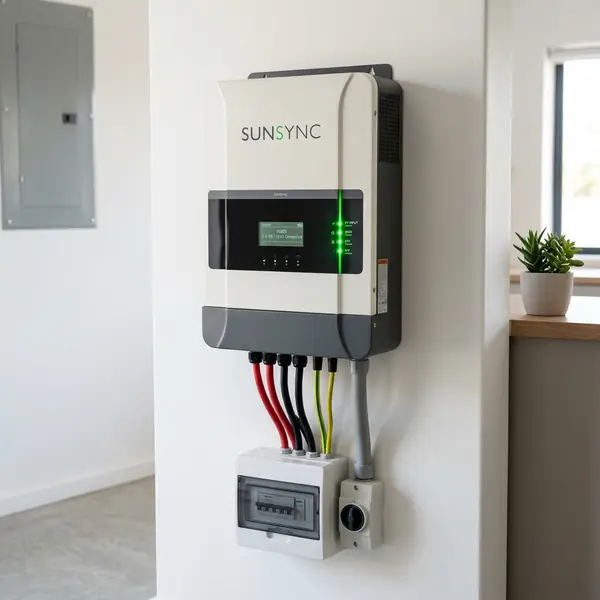
Several factors determine the overall cost of home solar installation. The system size is one of the most significant variables. Larger systems generally cost more but can provide higher savings over time.
Geographical location also plays a key role. States with higher sunlight exposure typically yield better energy production, affecting the system's overall efficiency. Additionally, local regulations and permitting processes can influence installation costs.
Another critical factor is the type of solar panels used. Monocrystalline panels tend to be more expensive but offer better efficiency. In contrast, polycrystalline panels are more affordable but may not generate as much power.
Cost Breakdown of Solar Installation
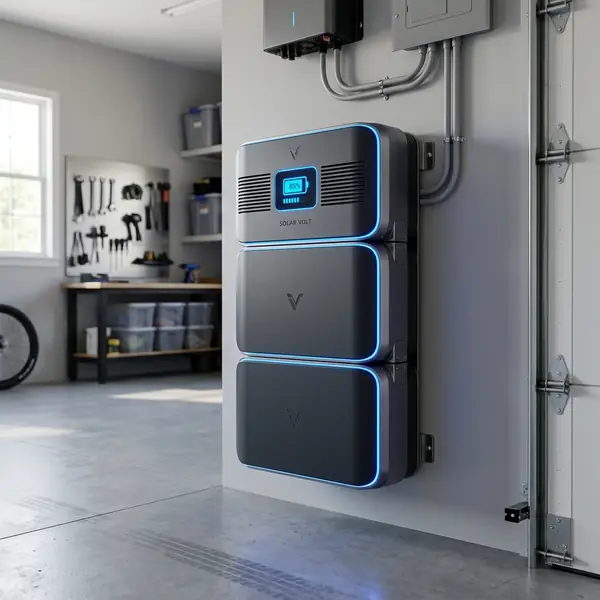
The total cost of a solar installation includes several components. These typically consist of equipment costs, labor, and additional fees. Equipment costs alone can range from $10,000 to $20,000, depending on the system's size and type.
Labor costs can vary widely by region. On average, homeowners can expect to pay about $2,000 to $5,000 for installation. This includes the physical setup and any necessary electrical work.
Finally, additional fees may include permits, inspections, and interconnection to the grid. These can add another $1,000 to $3,000 to the total installation cost. Understanding this breakdown helps homeowners plan their budgets effectively.
Incentives and Financing Options
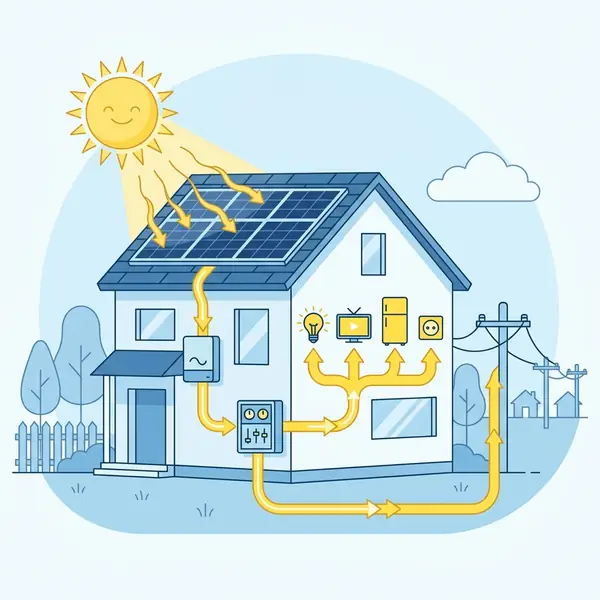
Tax credits and rebates can significantly reduce the cost of solar installation. As of 2026, homeowners can still benefit from the federal solar tax credit, which allows them to deduct 26% of the installation cost from their federal taxes. Some states also offer additional incentives, making solar even more affordable.
Financing options have also evolved. Many solar companies provide financing plans that allow homeowners to pay for their systems over time, often with little to no money down. This flexibility can make solar more accessible, especially for those with limited upfront cash.
Understanding Payback Periods
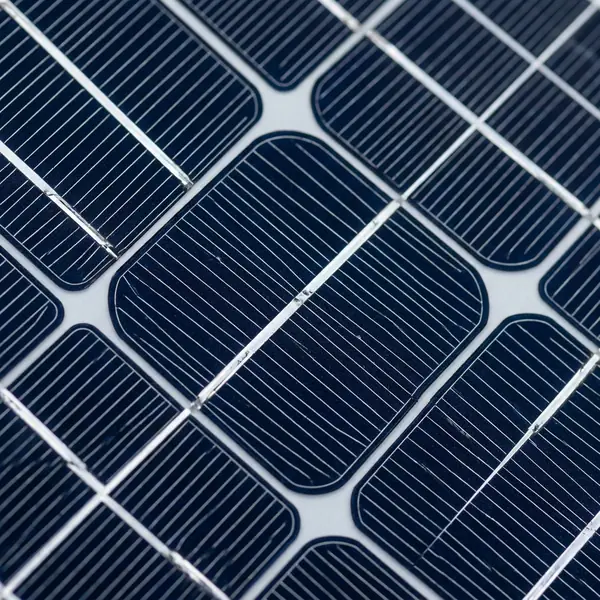
The payback period is the time it takes for homeowners to recoup their initial investment through energy savings. By 2026, the average payback period for residential solar systems is approximately 5 to 7 years, depending on local energy rates and installation costs. Areas with higher electricity prices tend to have shorter payback periods.
Homeowners should calculate their potential savings and payback periods before installation. This can help determine if solar is a financially sound investment for their specific situation. Consulting with solar energy professionals can provide tailored insights based on local conditions.
Real-Life Solar Installation Examples
Understanding real-life scenarios can help homeowners make informed decisions about solar installation. For instance, a family in California spent $20,000 on a 6 kW system. They save approximately $2,500 annually on their electricity bills, leading to a payback period of just 8 years.
In contrast, a homeowner in Vermont installed a 5 kW system for $15,000, saving $1,500 per year. Their payback period is longer at 10 years, primarily due to lower local electricity rates. Such examples highlight the importance of individual circumstances in determining solar viability.
Comparison of Solar Panel Types
| Panel Type | Efficiency | Cost per Watt | Average Lifespan | Best Use Case |
|---|---|---|---|---|
| Monocrystalline | 15-22% | $2.50 - $3.00 | 25-30 years | Limited rooftop space |
| Polycrystalline | 13-16% | $2.00 - $2.50 | 25 years | Budget-conscious homeowners |
| Thin-Film | 10-12% | $1.50 - $2.00 | 15-20 years | Large, open spaces |
Choosing the right type of solar panel relies on various factors, including budget, space, and energy needs. Monocrystalline panels, while more expensive, can be ideal for homeowners with limited roof space. Understanding these differences can aid in making a more informed choice.
Practical Tips for Solar Installation
Before proceeding with a solar installation, homeowners should conduct a thorough energy audit. This will help identify energy consumption patterns and potential savings. Understanding your energy needs is key in selecting the appropriate system size.
Additionally, consider obtaining multiple quotes from different solar providers. This not only helps in comparing prices but also in understanding different financing options. Engaging with a reputable solar installer can lead to a smoother installation process and better long-term support.
Lastly, stay informed about local solar regulations and incentives. Many states have programs that can significantly reduce upfront costs. Being proactive in understanding the landscape can lead to substantial savings and a better solar experience.
Understanding Solar Panel Costs: Components and Installation
The cost of home solar panel installation can vary significantly based on several factors. Key components include solar panels, inverters, racking systems, and installation labor. In 2026, the average cost for solar panels ranges from $2.50 to $3.50 per watt, depending on the quality and type of panels selected.
In addition to the panels themselves, inverters play a key role in converting solar energy into usable electricity. The price for inverters typically falls between $1,000 and $3,000, depending on the capacity and technology used. Installation labor can also add approximately $0.50 to $1.50 per watt to the total project cost.
Financing Options for Solar Panel Installation
Financing solar panel installations can make the transition to solar energy more accessible for homeowners. Options include cash purchases, solar loans, leases, and power purchase agreements (PPAs). In 2026, the average solar loan interest rate hovers around 5% to 7%, allowing for manageable monthly payments.
Leasing solar panels can be an attractive option for those who prefer lower upfront costs. However, it typically results in higher long-term costs compared to purchasing systems outright. Homeowners should evaluate their financial situation and consider potential incentives like the federal solar tax credit, which can reduce the overall investment by 26% through 2026.
Comparing Solar Panel Brands: Cost vs. Efficiency
When choosing solar panels, it's important to consider both cost and efficiency. Different manufacturers offer various products that may fit your budget and energy needs. Below is a comparison table of popular solar panel brands based on their average cost per watt and efficiency ratings.
| Brand | Average Cost per Watt (USD) | Efficiency (%) |
|---|---|---|
| SunPower | $3.00 | 22.5 |
| LG | $2.80 | 21.0 |
| Canadian Solar | $2.20 | 19.5 |
| JinkoSolar | $2.10 | 18.0 |
DomineTec Tip: When selecting solar panels, consider not only the cost but also the efficiency and warranty offered by the manufacturer. A higher efficiency panel may have a higher upfront cost but can lead to greater energy savings over time.
The Impact of Location on Solar Installation Costs
Geographical location significantly influences the cost and efficiency of solar installations. Areas with high solar irradiance can yield better energy production, making solar systems more cost-effective. In 2026, regions like California and Arizona continue to lead in solar energy adoption, with installation costs averaging around $2.50 per watt.
In contrast, states with lower solar potential may experience higher costs per watt, often exceeding $3.00. Additionally, local regulations and permitting processes can also affect installation costs, so it's important to research your specific area before proceeding.
Calculating Return on Investment for Solar Installations
Understanding the return on investment (ROI) for solar installations is key for homeowners. The average payback period for residential solar systems in 2026 is estimated to be around 5 to 7 years. This timeline can vary based on energy consumption, installation costs, available incentives, and local electricity rates.
Homeowners should also consider the long-term savings on energy bills. With the rising cost of electricity, many households can save between $10,000 to $30,000 over the lifespan of a solar system, which typically ranges from 25 to 30 years. Analyzing these factors will help determine the financial viability of a solar investment.
How long does it take to recoup the investment in solar panels?
The average payback period for solar installations is approximately 5 to 7 years, depending on energy consumption and local electricity rates.
Are there financing options available for solar panel installations?
Yes, financing options include cash purchases, solar loans, leases, and power purchase agreements (PPAs) that can help make solar energy more affordable.
How does location affect solar panel installation costs?
Geographical location impacts solar installation costs, with areas of higher solar irradiance generally offering lower costs and better energy production potential.
What factors should I consider when choosing solar panels?
When choosing solar panels, consider the cost per watt, efficiency ratings, warranty, and the reputation of the manufacturer to ensure a sound investment.
Understanding Solar Panel Types and Their Costs
When considering solar panel installation, it's important to understand the different types available and their associated costs. The three main types of solar panels are monocrystalline, polycrystalline, and thin-film panels.
As of 2026, monocrystalline panels are the most efficient, typically costing between $1.00 and $1.50 per watt. Polycrystalline panels offer a balance of efficiency and cost, ranging from $0.90 to $1.20 per watt, while thin-film panels are the least efficient but can be more affordable at $0.70 to $1.00 per watt.




