How Many Solar Panels Do I Need for My Home? Easy Calculator
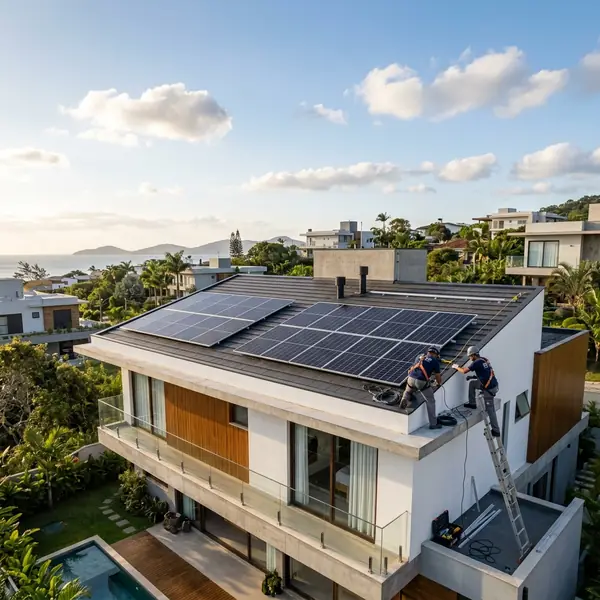
Financial Considerations for Solar Panel Installation
To calculate how many solar panels you need, divide your monthly energy consumption by the average local solar panel production. Choosing and installing the right system ensures energy independence and long-term utility bill reductions.
To calculate how many solar panels you need, divide your monthly energy consumption by the average local solar panel production. Choosing and installing the right system ensures energy independence and long-term utility bill reductions.
Investing in solar panels involves upfront costs, which can range from $15,000 to $25,000 for an average residential system before incentives. However, the federal solar investment tax credit (ITC) allows homeowners to deduct 26% of the installation costs from their federal taxes, significantly reducing the net cost.
As of 2023, the average payback period for a solar installation in the U.S. is around 6 to 8 years, depending on local electricity rates and incentives. After this period, homeowners can enjoy free electricity for the life of the system, which typically lasts 25 years or more.
Understanding Solar Incentives and Rebates
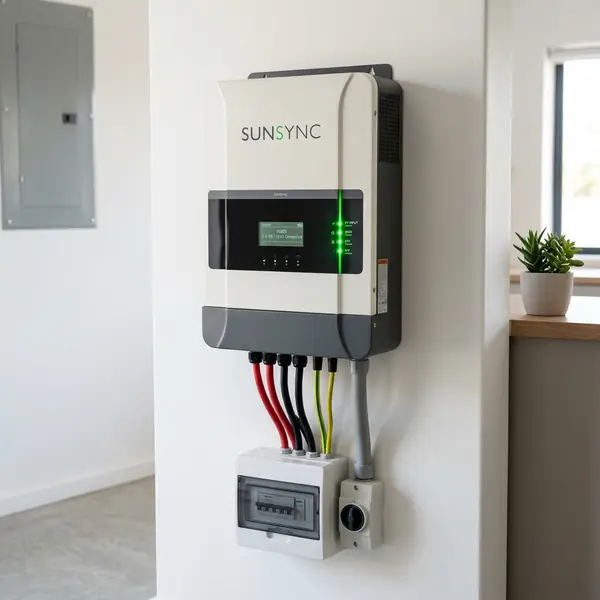
Many states and local governments offer additional incentives to encourage solar adoption. These can include rebates, performance-based incentives, and property tax exemptions, which can further decrease the cost of installation.
For instance, California has one of the most robust solar incentive programs, with rebates that can cover up to 20% of the installation cost. It is important to research and understand the incentives available in your area, as they can vary widely.
Choosing the Right Solar Panels for Your Home
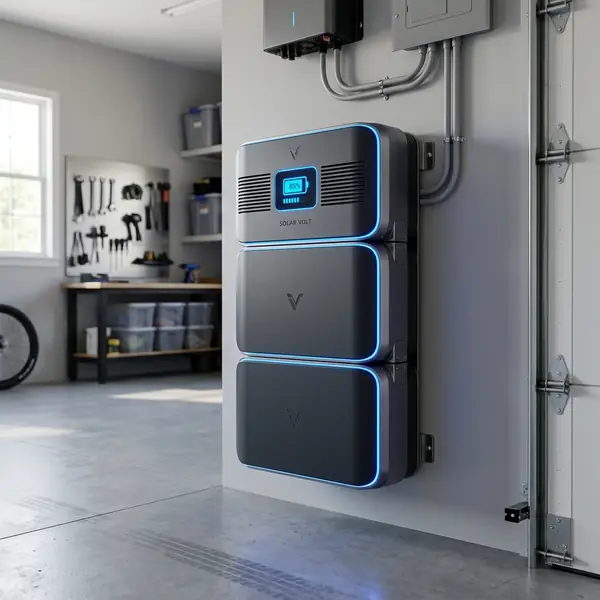
When selecting solar panels, consider factors such as efficiency, warranty, and manufacturer reputation. Monocrystalline panels, while generally more expensive, offer higher efficiency and a longer lifespan compared to their polycrystalline counterparts.
Real-world examples show that homeowners who invest in higher-efficiency panels can reduce the number of panels needed, saving on installation costs and space. Always compare products and ensure you choose panels that meet your specific energy needs.
Maintenance and Longevity of Solar Panels
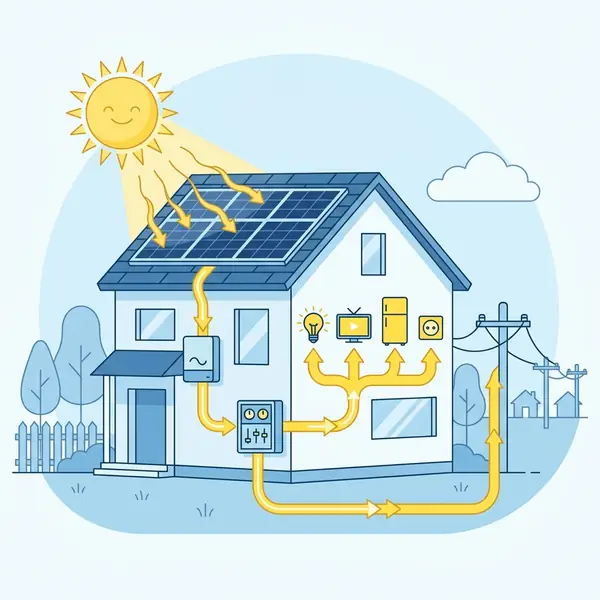
Solar panels require minimal maintenance, but it's important to keep them clean and free of debris to maximize efficiency. Regular inspections can help identify and rectify any issues early, ensuring the system operates optimally.
Most solar panels come with warranties ranging from 25 to 30 years, offering peace of mind regarding longevity. In many cases, solar panel systems can continue to produce energy effectively even after the warranty period has expired.
Comparing Solar Panel Options
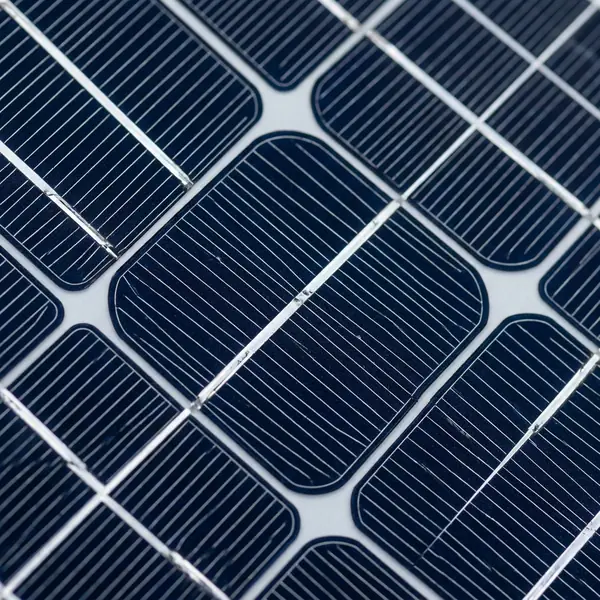
| Panel Type | Efficiency (%) | Cost per Watt ($) | Average Lifespan (Years) | Warranty (Years) |
|---|---|---|---|---|
| Monocrystalline | 15-22% | $2.50 - $3.50 | 25-30 | 25-30 |
| Polycrystalline | 13-16% | $2.00 - $3.00 | 20-25 | 10-25 |
| Thin-Film | 10-13% | $1.50 - $2.50 | 10-20 | 10-25 |
Real-Life Examples of Solar Panel Savings
Consider a family in Florida who installed a 6 kW solar system costing $18,000. After applying the 26% federal tax credit, their net investment was reduced to $13,320. With an average electricity bill of $150 per month, they expect to pay off their system in about 7 years.
In contrast, a homeowner in New York invested in a similar system but benefited from an additional state rebate of $2,000, lowering their total investment further. These real-life examples illustrate how local incentives can significantly impact the financial viability of solar energy systems.
Understanding Solar Panel Output and Efficiency
Each solar panel has a specific output capacity, typically measured in watts. The efficiency of a solar panel determines how much sunlight it can convert into usable electricity. As of 2023, average solar panel efficiency ranges from 15% to 22%, affecting how many panels you may need.
Higher efficiency panels produce more electricity per square foot, which can be key for homes with limited roof space. For instance, a 300-watt panel at 20% efficiency will generate more energy than a 250-watt panel at 15% efficiency over the same period.
When calculating your needs, consider both the efficiency and output of the solar panels available to you. A careful assessment can lead to a more tailored and cost-effective solar solution for your home.
Calculating System Size Based on Energy Needs
To determine how many solar panels you need, start by analyzing your household's energy consumption. Review your electric bills to find the average monthly kilowatt-hour (kWh) usage, and multiply this number by 12 for your annual consumption.
Next, divide your annual consumption by the average annual solar production in your area, measured in kWh per installed kW. This will give you a rough estimate of the total kW your system should produce.
Finally, divide the required kW by the average output of the solar panels you plan to use. This calculation will provide a clearer picture of how many panels you need to meet your energy demands.
Financing Options for Solar Panel Installation
Investing in solar panels can be a significant financial commitment, but various financing options can help ease the burden. Homeowners can choose from cash purchases, solar loans, leases, or power purchase agreements (PPAs).
Cash purchases offer the best long-term savings, while solar loans allow homeowners to pay for the system over time. Leases and PPAs provide a way to install solar without upfront costs, although they may lead to less savings over the system's lifetime.
As of 2023, the average cost of residential solar installations is around $2.77 per watt, which translates to approximately $16,000 for a typical 5 kW system before any incentives. Understanding these options can help you find the best fit for your financial situation.
Environmental Impact of Solar Energy
Switching to solar energy significantly reduces your carbon footprint. By harnessing sunlight, you can decrease reliance on fossil fuels, which contribute to greenhouse gas emissions.
On average, a residential solar installation can offset around 100 tons of carbon dioxide over its 25 to 30-year lifespan. This impact is equivalent to not burning over 11,000 gallons of gasoline, highlighting the substantial environmental benefits of solar energy.
Moreover, solar energy promotes sustainability by utilizing a renewable resource that is abundant and widely available. Embracing solar technology not only benefits your household but also contributes to a cleaner planet for future generations.
| Financing Option | Advantages | Disadvantages |
|---|---|---|
| Cash Purchase | Lowest long-term cost, full ownership | High upfront cost |
| Solar Loan | Low upfront cost, ownership | Interest payments increase overall cost |
| Lease | No upfront cost, fixed monthly payments | No ownership, limited savings |
| Power Purchase Agreement (PPA) | No upfront cost, pay only for energy produced | No ownership, potential long-term costs |
DomineTec Tip: Always evaluate your energy needs and financial options before proceeding with solar panel installation. This assessment ensures you get the best possible return on your investment.
What factors affect solar panel efficiency?
Factors include the type of solar panel, installation angle, shading from trees or buildings, and environmental conditions like temperature and sunlight exposure.
Are there any tax incentives for solar panel installation?
Yes, the federal solar tax credit allows you to deduct a percentage of your solar installation costs from your federal taxes. Many states also offer additional rebates and incentives.
What is the average payback period for solar panels?
The average payback period for solar panels is typically between 5 to 10 years, depending on factors such as installation costs, energy savings, and local incentives.
Can I install solar panels on my own?
While some homeowners choose to install solar panels themselves, it is generally recommended to hire a professional installer to ensure proper setup and compliance with local regulations.




