
Introduction: Understanding the Pix System in Brazil
The Pix system, introduced by the Central Bank of Brazil in 2020, revolutionized how financial transactions are conducted in the country. The system allows for instantaneous, 24/7 money transfers between institutions, facilitating both personal and business transactions. **One of the key features of Pix is the ability to schedule transfers, which can be processed quickly, typically within seconds.** This capability has augmented the flexibility of financial management for users across Brazil, providing a seamless method to plan and execute payments.
Scheduled Pix transfers offer a convenient way to automate financial obligations, ensuring payments are made on time without manual intervention. As more users harness the potential of this feature, understanding the nuances of its processing time and potential delays becomes crucial. This post will explore the regulatory framework governing scheduled Pix transactions, processing timelines across major banks, and common issues that might affect the swift execution of these transfers.
Regulatory Framework by the Central Bank of Brazil (BACEN)
The Central Bank of Brazil (BACEN) has laid down a comprehensive regulatory framework to ensure the smooth functioning of the Pix system. Scheduled Pix transactions are subject to specific rules and protocols, which aim to maintain consistency and reliability in financial operations. Under these regulations, banks and financial institutions must adhere to a standardized procedure for executing scheduled transactions.
Scheduled Pix transfers are typically processed in batches, which are executed at predefined times. These batch systems are integrated into the broader settlement channels managed by BACEN, ensuring that transactions are settled efficiently. The banks are required to synchronize their systems with the central Pix infrastructure, allowing for real-time updates and confirmations. This integration minimizes the chances of discrepancies and ensures that all scheduled payments are processed as intended.
Furthermore, the regulatory framework includes stringent security measures to protect users' funds and information. Banks must implement robust anti-fraud algorithms and security protocols to detect and prevent unauthorized transactions. These measures are critical in maintaining the integrity and trustworthiness of the Pix system.
Processing Hours Across Major Brazilian Banks
The processing of scheduled Pix transfers can vary significantly between different banks, largely influenced by their internal policies and technological infrastructure. Below is an overview of how major Brazilian banks handle scheduled Pix transactions:
Itaú
Itaú processes scheduled Pix transfers primarily during the early morning hours, starting around 12:00 AM. This scheduling is designed to optimize system resources and minimize latency. The bank's automated batch processing ensures that most transactions are completed by 4:00 AM, providing a swift and efficient service to its customers.
Bradesco
Bradesco also follows a similar early morning processing schedule, with batches typically running between 1:00 AM and 5:00 AM. This timing allows for the reconciliation of accounts and ensures that any discrepancies are addressed promptly. The bank employs advanced algorithms to detect and flag any unusual activity, maintaining a high level of security for its users.
Santander
Santander opts for a slightly different approach, with scheduled Pix transfers being processed between 3:00 AM and 6:00 AM. This window is chosen to accommodate the bank's operational requirements and to ensure that transactions are completed before the start of the business day. Santander's infrastructure is designed to handle high volumes of transactions, reducing the likelihood of delays.
Banco do Brasil
Banco do Brasil processes scheduled Pix transfers in the early hours of the morning, typically from 2:00 AM to 5:00 AM. This timeline allows the bank to leverage its advanced technological infrastructure to process transactions efficiently. The bank places a strong emphasis on security, employing multiple layers of protection to safeguard customer funds.
Caixa Econômica Federal
Caixa processes scheduled Pix transactions between 12:30 AM and 3:30 AM. This early morning window is selected to minimize network congestion and ensure that transfers are executed without delay. The bank's robust anti-fraud systems play a crucial role in maintaining the security and reliability of its Pix services.
Nubank
Nubank, known for its digital-first approach, processes scheduled Pix transfers from 12:00 AM to 4:00 AM. The bank's cutting-edge technology stack allows it to handle large volumes of transactions seamlessly, providing a fast and reliable service to its users. Nubank's focus on user experience is evident in its streamlined Pix processing procedures.
Detailed Comparison Table
| Bank | Initial Processing Time | Final Execution Window | Action on Insufficient Funds |
|---|---|---|---|
| Itaú | 12:00 AM | 4:00 AM | Transaction Canceled |
| Bradesco | 1:00 AM | 5:00 AM | Transaction Canceled |
| Santander | 3:00 AM | 6:00 AM | Transaction Canceled |
| Banco do Brasil | 2:00 AM | 5:00 AM | Transaction Canceled |
| Caixa | 12:30 AM | 3:30 AM | Transaction Canceled |
| Nubank | 12:00 AM | 4:00 AM | Transaction Canceled |
Common Reasons for Delays or Failures
Despite the efficiency of the Pix system, there are instances where scheduled transfers might be delayed or fail to execute. Understanding these potential issues can help users mitigate their impact:
Insufficient Balance
One of the most common reasons for a scheduled Pix transfer to fail is insufficient funds in the sender's account. Banks typically validate account balances before executing scheduled payments, and if the funds are lacking, the transaction is automatically canceled. To avoid this, users should ensure their accounts are adequately funded before the scheduled time.
Central System Outages
Occasional outages in the central Pix system can lead to delays or failures in processing scheduled transfers. These outages, though rare, can occur due to maintenance activities or unforeseen technical issues. Banks usually notify users of such disruptions, but it's advisable to check for any announcements regarding system availability.
Security Checks
Banks employ various security checks to prevent fraudulent transactions. These checks can sometimes result in delays, especially if a transaction is flagged for further verification. Users may be required to provide additional authentication or confirmation before the transaction is processed.
Anti-Fraud Algorithms
Advanced anti-fraud algorithms are in place to detect and prevent suspicious activities. While these algorithms are crucial for security, they can occasionally flag legitimate transactions, leading to delays. Users should ensure that their transaction history and patterns do not inadvertently trigger these security measures.
Precautionary Holdings
In some cases, banks may place precautionary holds on certain transactions, especially if they involve large amounts or appear unusual. These holds are part of the bank's risk management strategy and are typically resolved quickly, but users should be aware of this possibility when scheduling transfers.
Tutorial: How to Cancel or Modify a Scheduled Pix Transfer
Modifying or canceling a scheduled Pix transfer is straightforward, thanks to the user-friendly interfaces of most banking apps. Here’s a step-by-step guide on how to do it:
- Open your banking app and navigate to the Pix section.
- Select the option for scheduled transfers or payments.
- Locate the specific transfer you wish to modify or cancel.
- For cancellation, select the 'Cancel' option and confirm your choice.
- To modify, choose 'Edit', make the necessary changes, and save the updates.
- Ensure that you receive confirmation of the cancellation or modification to avoid any discrepancies.
DomineTec Tip: Always make sure you have enough funds in your account the night before the scheduled date. Most banks run their automated batch scripts in the early morning hours (between 12:00 AM and 4:00 AM), and if funds are missing, the transfer is cancelled with no retry.
Infrastructure and Network Latency
Understanding the infrastructure behind Pix transactions is essential for grasping the factors that influence processing times. Bank server synchronization plays a pivotal role in ensuring that scheduled Pix transfers are executed efficiently. Banks must maintain real-time communication with the central Pix infrastructure, allowing for seamless transaction processing.
Network latency can also affect transaction times. Factors such as API rates and general digital transaction latency can introduce slight delays in the execution of scheduled transfers. Banks continuously work to optimize their systems, reducing latency and improving the speed and reliability of Pix transactions.
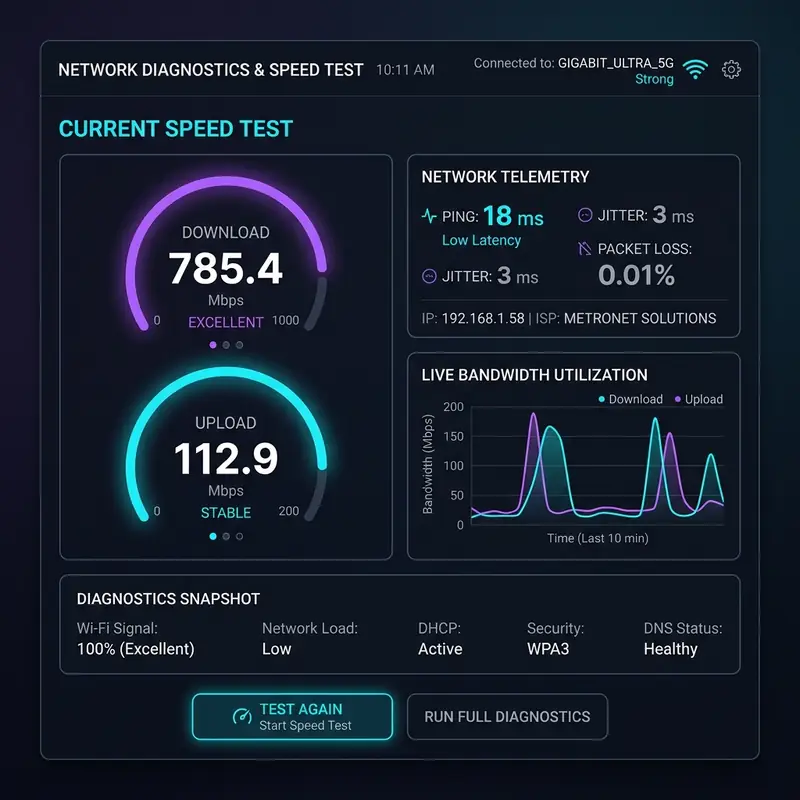
For further reading on optimizing digital infrastructure, consider exploring how to enhance your network security and speed with resources like how to change wifi password from phone and discovering the best budget mesh wifi router.



FAQ Section
- What is Pix?
- Pix is an instant payment system developed by the Central Bank of Brazil, allowing for quick, 24/7 money transfers.
- How do I schedule a Pix transfer?
- You can schedule a Pix transfer through your bank’s mobile app by selecting the Pix option and choosing to schedule a future transfer.
- Can I cancel a scheduled Pix transfer?
- Yes, you can cancel a scheduled Pix transfer through your banking app, usually by navigating to the scheduled transfers section and selecting the cancel option.
- What happens if I don’t have enough funds for a scheduled Pix transfer?
- If there are insufficient funds in your account at the time of the scheduled transfer, the transaction will be canceled automatically.
- Why might a scheduled Pix transfer be delayed?
- Delays can occur due to insufficient funds, central system outages, security checks, anti-fraud measures, or precautionary holds by the bank.
The Network Infrastructure Behind Scheduled Pix Transfers
Understanding the network infrastructure that supports Scheduled Pix transfers is crucial for grasping the nuances of processing times. At its core, Pix operates on a sophisticated network of interconnected financial institutions, each linked through the Brazilian Central Bank's secure digital infrastructure. This network is designed to facilitate rapid communication and data exchange between participating banks and financial institutions.
Each transaction initiated on the Pix network is subjected to a series of validations and authentications. The infrastructure utilizes a real-time gross settlement system (RTGS), which ensures that funds are immediately debited and credited across accounts in real time. This system significantly reduces the latency often encountered in traditional banking systems and is a pivotal factor in the expedited processing of Pix transactions.
Moreover, the network employs high-speed fiber optic connections and redundant data centers to ensure reliability and minimize downtime. These data centers are strategically located to provide seamless handoffs and load balancing, which helps maintain the integrity and speed of transaction processing.
Low-Level Technical Architecture of Pix
The Pix system's architecture is designed for efficiency and security, leveraging a microservices approach. This architecture allows different components of the service—such as authentication, transaction processing, and notifications—to operate independently and scale as needed.
Each microservice communicates through secure APIs, which are continuously monitored and updated to resist evolving cyber threats. The use of microservices also enables rapid deployment of new features or updates without disrupting the entire system, ensuring continuous improvement and adaptability to user needs.
Underpinning this architecture is a robust database management system that supports ACID (Atomicity, Consistency, Isolation, Durability) transactions. This ensures that all transactions are processed reliably and that the system can recover from failures without data loss, further enhancing trust in the Pix platform.
Security Protocols Ensuring Safe Transactions
Security is a paramount concern for users of digital payment systems like Pix. The platform employs multiple layers of security protocols to ensure that each transaction is safe from inception to completion. These protocols include strong encryption standards, such as AES-256, to protect data as it travels across networks.
Additionally, the use of two-factor authentication (2FA) adds an extra layer of security by requiring users to verify their identity via a secondary device or app. This helps prevent unauthorized access and ensures that only legitimate transactions are processed.
The Pix network also incorporates advanced fraud detection algorithms that monitor transactions in real time. These algorithms analyze transaction patterns and flag anomalies that may indicate fraudulent activity. Financial institutions are alerted immediately to take action, thereby reducing the risk of fraud and enhancing user confidence.
The Evolution and Regulatory Aspects of Pix
The Pix payment system was introduced by the Brazilian Central Bank as part of a broader effort to modernize the country's financial infrastructure. Since its launch, Pix has undergone several iterations to improve performance and security. Each update is meticulously planned and executed, adhering to strict regulatory standards set forth by the Central Bank.
Regulatory oversight ensures that all financial institutions participating in the Pix network comply with national and international standards for data protection and financial transactions. This includes adherence to the General Data Protection Law (LGPD) in Brazil, which governs the collection, use, and storage of personal data.
Furthermore, the Central Bank regularly audits the system, ensuring that it operates efficiently and transparently. Such regulatory measures not only safeguard user information but also ensure the system's stability and reliability.
Practical Configuration Steps for Financial Institutions
For financial institutions looking to implement Pix, there are several technical and operational steps to consider. Firstly, institutions must integrate their existing systems with the Pix network through certified APIs provided by the Central Bank. This involves configuring secure communication channels and ensuring compliance with Pix protocols.
Institutions must also establish robust authentication mechanisms to verify user identities. This typically involves integrating 2FA solutions and deploying secure, user-friendly interfaces for transaction initiation and monitoring.
Additionally, it is crucial for institutions to conduct regular security audits and performance testing. This helps identify potential vulnerabilities and ensures that the system can handle high transaction volumes, particularly during peak periods.
Training staff on the intricacies of Pix operations and security protocols is equally important. This ensures that all personnel are equipped to manage the system effectively and respond promptly to any issues that may arise.
Understanding the Network Infrastructure Behind Scheduled Pix
The network infrastructure supporting Scheduled Pix transactions is a complex web of interconnected systems designed to ensure seamless and rapid processing. At the core, the infrastructure relies on a robust combination of hardware, software, and communication protocols. These elements work together to facilitate the transfer of funds efficiently and securely.
The system architecture is typically built on a distributed network, which helps in reducing latency and improving transaction speed. This network configuration allows for multiple nodes to process transactions simultaneously, ensuring that the load is balanced and no single point of failure exists. The use of high-speed internet connections and dedicated servers further enhances the performance of the network, minimizing the time it takes for a transaction to complete.
Moreover, Scheduled Pix leverages advanced routing algorithms to determine the most efficient path for data transmission. These algorithms take into account factors such as network congestion, server load, and geographical distance to optimize the routing process. As a result, transactions are completed swiftly, even during peak usage times.
Low-Level Technical Architecture of Scheduled Pix Systems
The technical architecture underlying Scheduled Pix systems is designed with scalability and resilience in mind. At the low level, the system utilizes a microservices architecture. This approach breaks down the larger application into smaller, independently deployable services, each responsible for a specific function within the transaction process.
Each microservice communicates with others through APIs, enabling efficient data exchange and reducing the complexity of the system. This modular design allows for easier maintenance and upgrades, as individual components can be modified or replaced without affecting the entire system. Additionally, the use of containerization technologies, such as Docker, enables consistent deployment across different environments, ensuring that the system remains stable and reliable.
Another critical aspect of the low-level architecture is the implementation of load balancers. These devices distribute incoming transaction requests across multiple servers, optimizing resource utilization and preventing any single server from becoming overwhelmed. This not only enhances system performance but also improves fault tolerance, as the failure of one server does not impact the overall operation of the network.
Security Protocols Ensuring Safe Transactions
Security is a paramount concern in the processing of Scheduled Pix transactions. To protect sensitive financial data, the system employs a range of security protocols and measures. One of the most fundamental security features is the use of encryption. All data transmitted between users and the network is encrypted using advanced cryptographic techniques, ensuring that it cannot be intercepted or tampered with by unauthorized parties.
In addition to encryption, Scheduled Pix systems implement rigorous authentication protocols. These protocols require users to verify their identities before initiating a transaction, adding an extra layer of security. Multi-factor authentication (MFA) is commonly used, combining something the user knows (such as a password) with something they have (such as a smartphone) to provide robust protection against unauthorized access.
The system also employs intrusion detection and prevention systems (IDPS) to monitor network activity for signs of suspicious behavior. These systems use machine learning algorithms to identify potential threats in real-time, allowing for swift action to mitigate risks and protect user data.
Regulatory Compliance in Scheduled Pix Transactions
The processing of Scheduled Pix transactions is subject to various regulatory requirements designed to ensure financial stability and consumer protection. Financial institutions offering Pix services must comply with regulations set by central banks and financial authorities in their respective countries.
These regulations typically include requirements for data protection, anti-money laundering (AML) measures, and transaction monitoring. Financial institutions must implement robust systems to detect and report suspicious activities, ensuring that they do not facilitate illegal financial activities.
Additionally, regulatory bodies often require institutions to maintain comprehensive records of all transactions for auditing purposes. This ensures transparency and accountability in the financial system, promoting trust among users and stakeholders.
Compliance with these regulations is crucial not only for legal reasons but also for maintaining customer trust. Institutions that adhere to regulatory standards are seen as more reliable and secure, attracting more users to their Pix services.
Practical Steps for Configuring Scheduled Pix Transactions
Configuring Scheduled Pix transactions involves a series of practical steps that ensure the correct setup and operation of the service. Here is a step-by-step guide to configuring these transactions:
- Account Setup: Begin by setting up an account with a financial institution that offers Pix services. This may require providing personal identification and banking information to comply with regulatory requirements.
- Access Pix Services: Once your account is active, access the Pix services through the institution's online banking platform or mobile app. Ensure that you have a stable internet connection for uninterrupted access.
- Schedule a Transaction: To schedule a transaction, navigate to the Pix section and select the option to schedule a transfer. Enter the recipient's information, the amount to be transferred, and the desired date and time for the transaction.
- Review and Confirm: Before finalizing the transaction, review all details to ensure accuracy. This includes verifying the recipient's information and the scheduled date and time. Confirm the transaction to initiate the scheduling process.
- Monitor and Manage: After scheduling, monitor the status of the transaction through the institution's platform. You may have the option to modify or cancel the transaction if necessary, providing flexibility and control over your financial activities.
Following these steps ensures a smooth setup and execution of Scheduled Pix transactions, allowing you to take full advantage of this innovative financial service.
```



