HDR10 vs HDR400 on Monitors: What the Certifications Mean
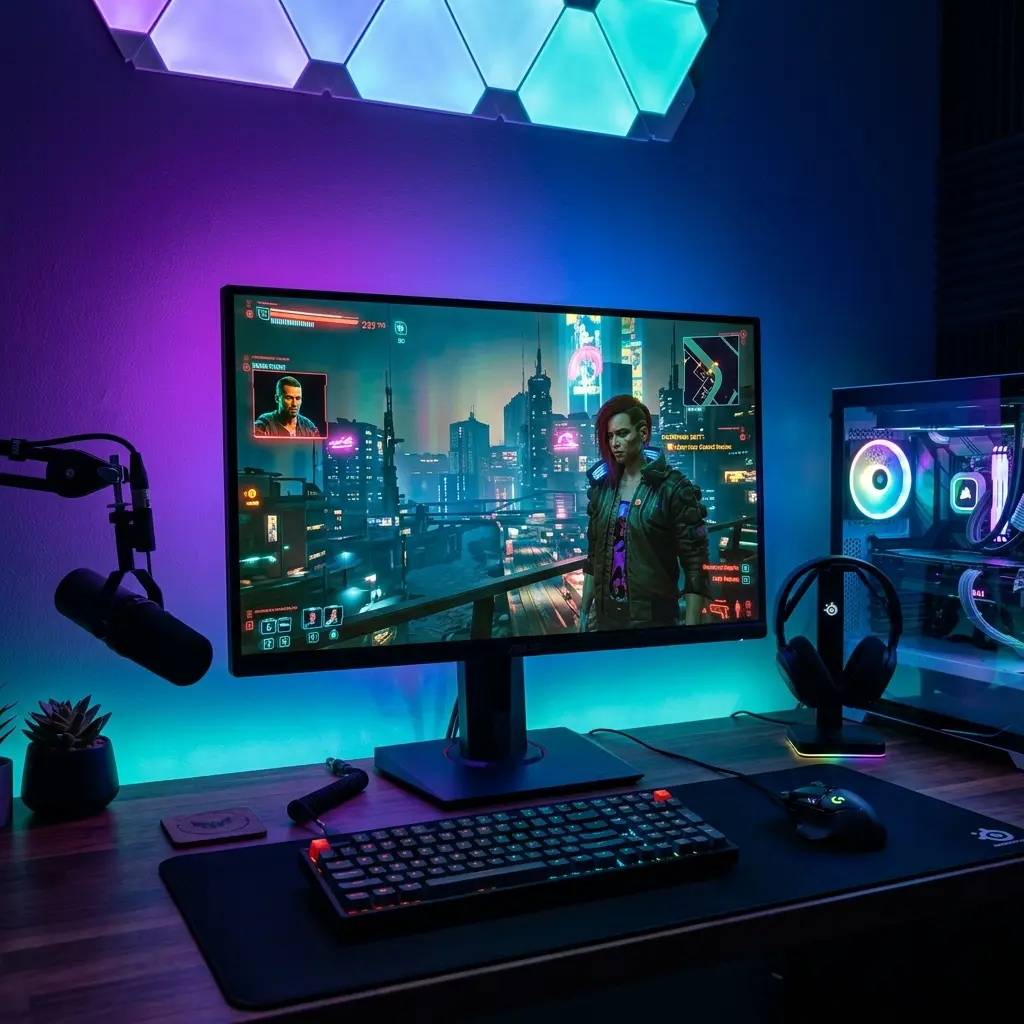
HDR10 offers superior color depth and brightness compared to HDR400, making it the preferred choice for high-quality displays.
Physical Aspects and Resolution
HDR10 displays typically support up to 10-bit color depth, rendering over a billion colors for a richer visual experience.
In contrast, HDR400 displays are limited to 8-bit color, resulting in less vibrant color representation and fewer shades.
Performance and Technology
HDR10 monitors often feature peak brightness levels exceeding 1000 nits, ensuring better visibility in bright environments.
HDR400 monitors, however, usually cap brightness at around 400 nits, which may lead to washed-out images in bright scenes.
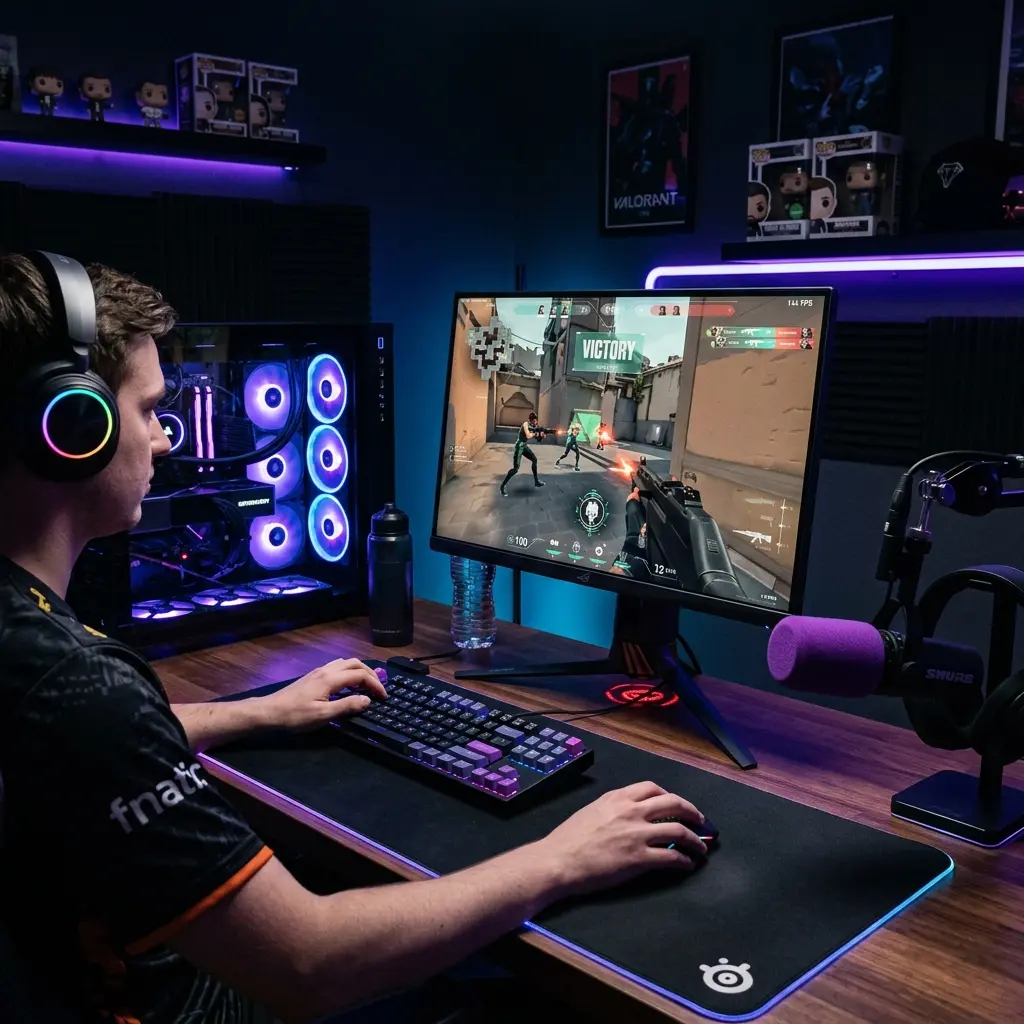
Ergonomics and Visual Comfort
HDR10 monitors generally incorporate advanced technologies such as local dimming, enhancing contrast and reducing eye strain.
HDR400 displays may lack these features, potentially leading to discomfort during prolonged use due to less effective light management.
| Specification | HDR10 | HDR400 |
|---|---|---|
| Color Depth | 10-bit | 8-bit |
| Peak Brightness | 1000+ nits | 400 nits |
| Local Dimming | Yes | No |
| Recommended Use | Professional and Gaming | Casual and Basic Tasks |
Materials and Durability
High-end HDR10 monitors often utilize premium materials such as aluminum and tempered glass, contributing to better durability.
Conversely, HDR400 monitors may use plastic materials that, while lightweight, can compromise overall longevity.

DomineTec Tip: Consider utilizing a monitor arm to achieve the correct monitor height, reducing neck strain during extended use.
Buying Recommendations and Brands
Brands like ASUS, Dell, and LG offer excellent HDR10 options, ensuring high performance and durability.
For HDR400, consider models from Acer and BenQ, which may provide decent quality for less demanding applications.

- Identify the primary use case: gaming, professional design, or casual use.
- Evaluate budget constraints and available brands within that range.
- Check for additional features like local dimming and color accuracy ratings.
- Read user reviews and expert opinions to gauge real-world performance.
- Ensure compatibility with existing hardware and software environments.
Value Analysis and Verdict
HDR10 monitors deliver unmatched visual fidelity, making them a worthwhile investment for serious users.
HDR400, while more affordable, may suffice for casual users but lacks the immersive experience of HDR10.

For further insights, explore how to correct monitor height or create a clean productivity desk setup.
Color Gamut and Accuracy
Color gamut refers to the range of colors a display can reproduce, and it is a crucial aspect when comparing HDR10 and HDR400 monitors.
HDR10 typically supports a wider color gamut, often covering a significant portion of the DCI-P3 color space, which is vital for accurate color representation in high-definition content.
In contrast, HDR400 monitors are generally limited to the sRGB color space, which, while sufficient for standard content, may not meet the needs of professionals or enthusiasts seeking vibrant and true-to-life colors.
The difference in color accuracy can significantly affect the viewing experience, particularly for tasks like photo editing and graphic design.
Brightness Levels and Their Impact
Brightness is a key factor in HDR performance, and understanding the differences between HDR10 and HDR400 is essential for consumers.
HDR10 monitors typically offer peak brightness levels reaching 1000 nits or more, allowing for dramatic contrast and better visibility in bright environments.
On the other hand, HDR400 monitors are capped at 400 nits, which may result in a less impactful HDR experience, especially in scenes with high dynamic range.
Brightness levels directly influence the perceived quality of HDR content, making it an important consideration for users who prioritize visual excellence.
Compatibility with Content and Devices
Content compatibility is another vital aspect when choosing between HDR10 and HDR400 monitors.
HDR10 is widely adopted in streaming services, gaming consoles, and Blu-ray discs, ensuring a broader selection of HDR content for users.
Consequently, HDR400 monitors may not fully utilize their capabilities, as many HDR titles are designed with HDR10 standards in mind.
Users should consider their existing devices and preferred content sources to ensure they can take full advantage of HDR features.
Gaming Performance and Responsiveness
Gaming performance is a crucial aspect for many consumers, and HDR capabilities can influence this experience in various ways.
HDR10 monitors generally provide better gaming experiences due to their higher brightness and improved color accuracy, which can enhance the overall immersion in games.
In contrast, the limited capabilities of HDR400 monitors may result in a less engaging experience, particularly in visually demanding titles that rely on HDR for depth and detail.
Moreover, factors like refresh rate and response time should also be considered when evaluating gaming performance, as they can significantly affect gameplay quality.
Future-Proofing and Industry Trends
When investing in a monitor, considering future-proofing is essential, particularly regarding HDR technology.
HDR10 is an established standard, with increasing support across various media types, making it a safer choice for long-term use.
As technology evolves, newer HDR specifications like HDR10+ and Dolby Vision may gain traction, and monitors with HDR10 compatibility are more likely to accommodate future advancements.
In contrast, HDR400 may quickly become outdated as the industry moves towards higher standards, potentially limiting its lifespan and usefulness.
Calibration and Customization Options
Calibration options can significantly affect the visual performance of a monitor, impacting both HDR10 and HDR400 displays.
High-end HDR10 monitors often come with advanced calibration tools, enabling users to fine-tune color settings for optimal performance.
On the other hand, HDR400 monitors may have limited calibration features, leading to a more generic viewing experience that may not suit individual preferences.
Users who prioritize customization should consider the calibration options available with each HDR certification to ensure they can achieve their desired display quality.
Environmental Impact and Energy Consumption
Environmental considerations are increasingly important for consumers when selecting electronic devices, including monitors.
Generally, HDR10 monitors may utilize more advanced technologies that can lead to higher energy consumption compared to HDR400 monitors.
However, the actual environmental impact can vary based on usage patterns and display settings, making it essential for consumers to assess their habits.
Choosing energy-efficient models within each category can help minimize the carbon footprint associated with monitor use, regardless of HDR certification.
Market Trends and Consumer Preferences
Understanding market trends can provide valuable insights into consumer preferences regarding HDR technology.
While HDR10 has gained significant popularity, there is a growing interest in HDR400 monitors due to their lower price point and adequate performance for casual users.
As more consumers become aware of HDR capabilities, preferences may shift towards monitors that provide a balance between quality and affordability.
Market trends indicate that manufacturers are increasingly focusing on improving HDR capabilities across all models, making it essential for consumers to stay informed about the latest developments.
Color Depth and Bit Depth Differences
Color depth is a crucial aspect of HDR technology that determines the range of colors a monitor can display. HDR10 typically supports a 10-bit color depth, allowing for over a billion colors, which provides smoother gradients and more nuanced shades compared to standard dynamic range (SDR) displays.
On the other hand, HDR400 monitors may only support 8-bit color depth with dithering techniques to simulate additional colors. This limitation can lead to banding in images, especially in scenes with subtle color transitions, ultimately affecting the overall viewing experience.
The enhanced color depth in HDR10 enables a more accurate representation of the creator's intent, making it more suitable for professional content creation and critical viewing. In contrast, HDR400 may suffice for casual viewing but can fall short for serious gamers or filmmakers seeking high fidelity.
As HDR technology continues to evolve, the importance of color depth in distinguishing between HDR certifications will likely become more pronounced, with consumer demand pushing for monitors that can maximize this aspect for richer visual experiences.
Software Support and Calibration Tools
Software support is an essential consideration when evaluating HDR monitors, as proper calibration can significantly enhance image quality. HDR10 monitors often come equipped with better software tools that allow for detailed adjustments to color, brightness, and contrast settings.
In contrast, HDR400 monitors may offer limited software support, which can hinder users from achieving optimal viewing conditions. The absence of advanced calibration tools can lead to a subpar HDR experience, particularly when users are unable to fine-tune their display to match the content's characteristics.
Moreover, professional-grade HDR10 monitors frequently include proprietary calibration solutions or compatibility with third-party calibration hardware, ensuring that users can achieve the highest color accuracy. This is vital for photographers, graphic designers, and videographers who rely on precise color representation.
As software capabilities advance, the need for robust calibration tools will remain a key factor for consumers, especially those invested in creative industries where HDR performance can make a significant difference in their work.
Impact of Panel Types on HDR Performance
The type of panel technology used in a monitor significantly influences HDR performance. Common panel types include IPS, VA, and OLED, each exhibiting unique characteristics that affect color reproduction and brightness levels.
IPS panels, for instance, are known for their excellent color accuracy and wide viewing angles, making them a popular choice for HDR10 displays. However, their peak brightness may not always reach the levels required for true HDR performance, especially when compared to VA panels.
VA panels typically offer higher contrast ratios and can achieve greater peak brightness, making them suitable for HDR400 displays. However, they may suffer from color shift at off-angles and slower response times, which can be a drawback for competitive gaming.
OLED technology stands out by providing perfect black levels and vibrant colors, making it an ideal choice for HDR content. However, the higher cost and concerns around burn-in may deter some consumers. Understanding the impact of these panel types can help users make informed decisions based on their specific needs and viewing habits.
Market Availability and Pricing Trends
The market availability of HDR10 and HDR400 monitors has been expanding as consumer demand for high-quality displays rises. As more manufacturers enter the HDR space, the competition has led to a broader range of options across various price points.
HDR10 monitors generally command a premium due to their advanced specifications and capabilities, appealing to professionals and enthusiasts. However, as technology matures, prices are gradually decreasing, making them more accessible to a wider audience.
In contrast, HDR400 monitors are often positioned as more budget-friendly alternatives, but this can come at the cost of performance and visual fidelity. For consumers who prioritize affordability over advanced features, HDR400 may present a viable option, particularly for casual use.
As the market continues to evolve, it is essential for consumers to stay informed about pricing trends and new releases, ensuring they select a monitor that meets their requirements without overspending on unnecessary features.
Connection and Input Options
When assessing HDR capabilities, the types of connections available on a monitor significantly affect performance. Monitors with HDR10 certification typically support HDMI 2.0 or higher, which allows for higher bandwidth for transmitting HDR content. In contrast, HDR400 monitors may have more limited connection options, often supporting only HDMI 1.4, which can restrict the quality of HDR playback.
Furthermore, DisplayPort connections are crucial for high-end monitors, as they often provide better support for HDR formats. Monitors that utilize DisplayPort 1.4 can manage higher resolutions and refresh rates while maintaining HDR quality. Understanding the input options available on a monitor is essential for ensuring compatibility with various gaming consoles and computers.
Another aspect to consider is the support for HDMI 2.1, which is becoming increasingly relevant for gaming and high-resolution media consumption. Monitors that incorporate HDMI 2.1 can handle features like Variable Refresh Rate (VRR), which helps reduce screen tearing, and Auto Low Latency Mode (ALLM), enhancing gaming experiences. This makes connection types a critical criterion when selecting an HDR monitor.
Additionally, future-proofing should also factor into the connection options. As new HDR standards and equipment emerge, having a monitor with versatile and advanced connection types will ensure compatibility with upcoming technologies. This foresight can save consumers from needing to upgrade their monitors sooner than expected.
Impact on Workflow and Creative Use
For professionals in fields such as graphic design, video editing, and photography, the choice between HDR10 and HDR400 monitors can greatly influence workflow efficiency and output quality. HDR10 monitors typically provide superior color accuracy and deeper blacks, which are essential for tasks requiring precise color grading and detail work. This capability can significantly enhance creative projects, allowing professionals to visualize their work more accurately.
In contrast, HDR400 monitors may offer limited color depth and dynamic range, potentially compromising the integrity of creative work. This limitation can result in color banding and less accurate representation of gradients, which can be detrimental when editing high-resolution images or videos. Therefore, professionals should prioritize HDR10 monitors if their work demands high fidelity and detail.
Moreover, the increased brightness levels and wider color gamut offered by HDR10 monitors can improve productivity. Designers and editors can work more comfortably, reducing eye strain during long hours of use. This ergonomic advantage can lead to better focus and creativity, ultimately benefiting project outcomes.
Additionally, as more content is produced in HDR formats, professionals working with HDR10 monitors will be better positioned to adapt to industry trends. Staying ahead in terms of technology and quality can provide a competitive edge, ensuring that the final products meet the expectations of clients and audiences alike.
Frequently Asked Questions
What is the main difference between HDR10 and HDR400?
The primary difference lies in the color depth and peak brightness, with HDR10 offering superior performance.
Can HDR400 produce HDR content?
While HDR400 can display HDR content, it does not deliver the full experience like HDR10 due to lower brightness and color depth.
Are HDR10 monitors more expensive?
Generally, HDR10 monitors are priced higher due to advanced technology and superior performance features.
Is HDR10 necessary for gaming?
For competitive gaming, HDR10 can enhance visuals significantly, but it is not strictly necessary for all gamers.
How do I know if my monitor supports HDR?
Check the specifications on the manufacturer’s website or in the product manual for HDR compatibility details.




