Growatt vs. Deye Solar Inverter: Which One Is Better for Home?
Introduction
Growatt is ideal for cost-effective grid-tie systems, whereas Deye is the superior option for hybrid setups integrated with battery storage. Choosing and installing the right system ensures energy independence and long-term utility bill reductions.
The choice of a solar inverter is a pivotal decision for homeowners aiming to harness solar energy efficiently. Among the myriad of options available, Growatt and Deye have emerged as leading contenders in the solar inverter market. Each brand offers unique features and specifications that cater to different solar energy needs.
This article provides an in-depth comparison between Growatt and Deye solar inverters, focusing on their technology, specifications, advantages, disadvantages, installation processes, and costs, to help you make an informed decision.
To complement your knowledge on solar energy applications, see our guide on the best solar power banks for camping.
Technology and Detailed Operation
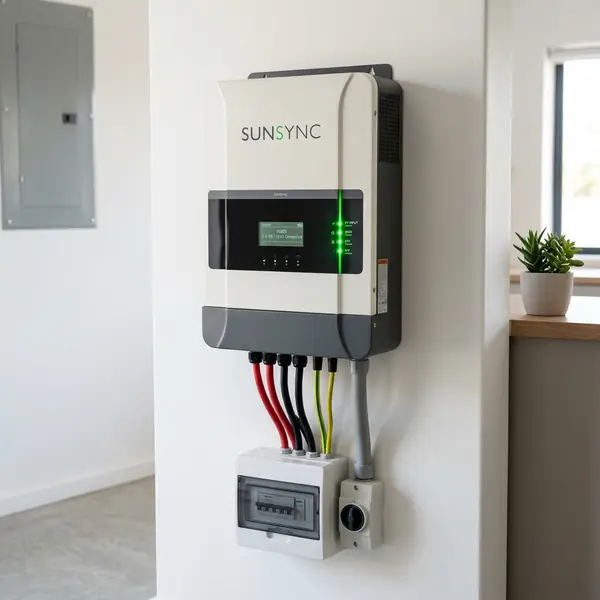
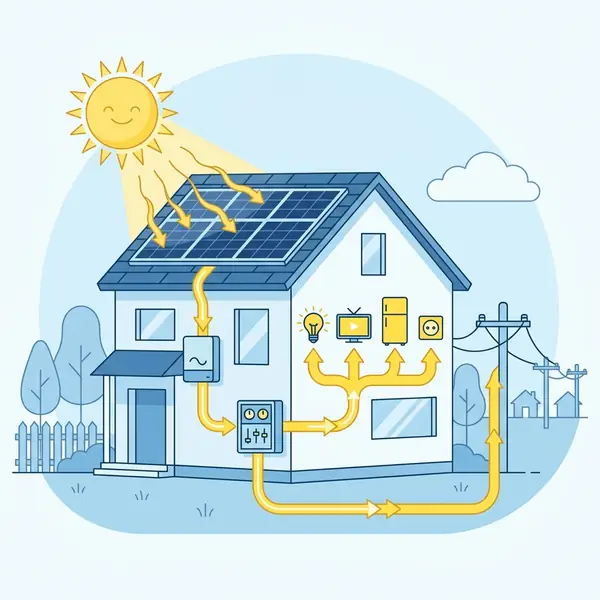
Solar inverters play a critical role in converting the direct current (DC) produced by solar panels into alternating current (AC), which is the form of electricity used in homes. The technology behind inverters has evolved significantly, focusing on efficiency, reliability, and ease of installation. Both Growatt and Deye utilize advanced technology to optimize energy conversion, but they cater to different needs.
Growatt Technology and Operation
Growatt inverters are primarily designed for grid-tied applications. They employ a transformerless design, which enhances efficiency and reduces overall weight. The inverter's maximum efficiency can reach up to 98.4%, making it one of the most efficient options for grid-tie installations.
One of the standout features of Growatt inverters is their integrated monitoring system. Users can access real-time data through a smartphone app, allowing for constant monitoring of energy production and consumption. This feature is particularly useful for identifying performance issues quickly and efficiently.
Growatt inverters utilize a multi-MPPT (Maximum Power Point Tracking) design, which allows for optimal energy harvest even when the solar array is partially shaded. This technology maximizes the energy production of your solar system, ensuring you get the most out of your investment.
Deye Technology and Operation
Deye inverters, on the other hand, are designed for both grid-tie and hybrid applications. They feature a robust design that can handle battery storage systems, offering a flexible solution for homeowners looking to maximize their solar energy usage. Deye inverters can seamlessly switch between grid and battery power, ensuring an uninterrupted power supply during outages.
The efficiency of Deye inverters can also reach impressive levels, with some models boasting efficiencies over 98%. They are equipped with advanced features such as integrated energy management systems, allowing users to prioritize energy usage based on real-time requirements.
Deye also employs a multi-MPPT design, which enhances the inverter's ability to harvest energy from solar panels under varying conditions. This technology is particularly beneficial for installations with multiple solar array orientations.
Technical Comparison and Specifications
To provide a clearer understanding of how Growatt and Deye stack up against each other, we can compare their key specifications and features in the following table:
| Specification | Growatt Inverters | Deye Inverters |
|---|---|---|
| Type | Grid-tie | Hybrid (Grid-tie + Battery) |
| Maximum Efficiency | 98.4% | 98%+ |
| MPPT | Multi-MPPT | Multi-MPPT |
| Monitoring | Integrated App Monitoring | Integrated Energy Management System |
| Battery Integration | No | Yes |
| Weight | Lightweight (Variable by model) | Moderate (Variable by model) |
| Warranty | 5-10 Years | 5-10 Years |
As illustrated in the table, while both brands offer high efficiency and multi-MPPT designs, the primary distinction lies in their intended applications. Growatt excels in cost-effective grid-tie solutions, while Deye provides a more versatile option for homeowners interested in hybrid setups.
Advantages and Disadvantages
Understanding the pros and cons of each inverter brand is important for making an informed choice. Below is an analysis of the advantages and disadvantages of Growatt and Deye solar inverters.
Advantages of Growatt Inverters
1. Cost-Effectiveness: Growatt inverters are generally more affordable compared to their Deye counterparts, making them an attractive option for homeowners primarily interested in grid-tied systems.
2. High Efficiency: With a maximum efficiency of 98.4%, Growatt inverters ensure that a significant portion of solar energy is converted into usable electricity.
3. User-Friendly Monitoring: The integrated app allows for easy monitoring of energy production and system performance, aiding in the quick identification of issues.
Disadvantages of Growatt Inverters
1. Limited to Grid-Tie Applications: Growatt inverters do not support battery integration, which limits their applicability in hybrid systems.
2. Lower Weight Capacity: While lightweight, the capacity to handle larger solar systems may be compromised compared to Deye inverters.
Advantages of Deye Inverters
1. Hybrid Capability: Deye inverters can integrate with battery storage systems, making them a superior choice for homeowners looking to store excess energy.
2. Energy Management Systems: The built-in energy management features enable optimized energy usage, enhancing overall system efficiency.
3. Handling Varying Conditions: Deye's technology allows for effective energy harvesting even under less-than-ideal conditions, thanks to its multi-MPPT design.
DomineTec Tip: When selecting an inverter, consider your long-term energy needs and whether battery storage is a priority.
Disadvantages of Deye Inverters
1. Higher Initial Cost: Deye inverters typically come with a higher price tag, which may be a barrier for budget-conscious homeowners.
2. Complexity: The integration of battery systems adds complexity to the installation and maintenance of the system.
Installation, Regulation and Costs
The installation process for solar inverters varies significantly between Growatt and Deye due to their different functionalities and capabilities. Understanding the installation requirements, regulatory considerations, and associated costs is vital for potential buyers.
Installation Process
For Growatt inverters, the installation process is relatively straightforward, especially for grid-tied systems. The inverter needs to be connected directly to the solar panels and then to the electrical grid. Most installers can complete this process within a day.
Deye inverters, however, require a more detailed installation due to their hybrid nature. The inverter must be connected not only to the solar panels but also to a battery system, which may require additional components such as a charge controller. This complexity can lead to longer installation times and potentially higher labor costs.
Regulatory Considerations
Both Growatt and Deye inverters must comply with local regulations and standards for solar installations. In many countries, inverters must meet specific certifications to ensure safety and efficiency. Homeowners should verify that their chosen inverter complies with local regulations before installation.
Additionally, some regions may offer incentives for installing solar systems, including tax credits or rebates. It’s advisable for homeowners to research these opportunities to optimize the overall cost of their solar investment.
Costs
The cost of solar inverters can vary significantly based on brand, model, and functionality. Growatt inverters are typically priced between $1,500 to $3,000, depending on the model and features. This affordability makes them an attractive option for homeowners looking for a budget-friendly grid-tie solution.
Deye inverters, on the other hand, can range from $2,000 to $4,500. The higher cost reflects their hybrid capabilities and advanced energy management features. While the initial investment may be greater, homeowners should consider the long-term savings associated with energy storage and management.
For those considering additional components such as battery storage, it's important to factor in those costs as well. A solar battery system can add anywhere from $5,000 to $15,000 to the overall installation cost, depending on capacity and brand.
For homeowners interested in solar energy storage solutions, it may also be worth exploring options like is solar water heater worth it for additional energy savings.
Conclusion: Is it Worth the Investment?
The decision between Growatt and Deye solar inverters ultimately depends on the homeowner's specific energy needs and budget. For those primarily interested in a cost-effective grid-tie solution, Growatt inverters provide an efficient and reliable option without the complexities of battery integration.
However, for homeowners seeking a comprehensive energy management solution that includes battery storage capabilities, Deye inverters stand out as the superior choice. The benefits of hybrid systems, such as the ability to store excess energy and provide backup power during outages, offer significant long-term savings and energy security.
In evaluating the investment, homeowners should consider their energy consumption habits, future energy needs, and potential incentives available in their region. Both Growatt and Deye offer reliable products; the key is to align the inverter choice with your specific solar energy goals.
Case Studies: Real-World Applications of Growatt and Deye Inverters
To provide a clearer understanding of how Growatt and Deye solar inverters perform in real-world applications, we can examine several case studies that highlight their effectiveness, reliability, and user satisfaction. These case studies focus on residential installations, showcasing how each inverter responds under different conditions.
In one case study in California, a homeowner chose a Growatt inverter for their 10 kW solar system. The installation faced high temperatures and frequent power outages. Over a year, the Growatt inverter demonstrated excellent performance, maintaining a 98% efficiency rate and enabling the homeowner to save approximately 30% on electricity costs compared to previous years.
Furthermore, the inverter's monitoring app allowed the homeowner to track energy production in real-time, resulting in a well-informed approach to energy management.
Conversely, a family in Florida opted for a Deye inverter for their 12 kW system. This region is known for its humidity and occasional storms, raising concerns about equipment durability. After two years of operation, the Deye inverter showed remarkable resilience, withstanding several severe weather events without any operational downtime.
The integration of a smart monitoring system provided the family with insights into energy usage patterns, leading to further optimization of their consumption habits. Notably, the family reported a 25% reduction in their monthly utility bills.
These case studies highlight the importance of selecting the right inverter based on regional climate and specific energy needs. By analyzing user experiences, we gain valuable insights into the strengths and weaknesses of both Growatt and Deye inverters in practical applications.
Step-By-Step Sizing Guide for Solar Inverters
Choosing the right solar inverter is key for maximizing the efficiency of a solar energy system. Here is a comprehensive step-by-step sizing guide to help you determine the appropriate inverter for your needs.
Step 1: Calculate Your Energy Needs
The first step is to assess your household's energy consumption. Review your utility bills over the past year to find your average monthly usage in kilowatt-hours (kWh). This figure will serve as a baseline for sizing your solar inverter and solar panel system.
Step 2: Determine Peak Sunlight Hours
Next, identify the average peak sunlight hours in your area. This data can be obtained from local meteorological websites or solar energy resource maps. Knowing the number of peak sunlight hours will help you estimate how much energy your solar panels can generate.
Step 3: Estimate System Size
With your energy needs and sunlight hours in mind, you can now estimate the size of the solar panel system required. A simple formula is: Total kWh needed per month / Average peak sunlight hours = required kW rating of the solar panel system. For instance, if you need 900 kWh per month and have 5 peak sunlight hours, your system would need to be approximately 6 kW.
Step 4: Consider Inverter Sizing
Once the system size is determined, it’s time to size the inverter. A general rule of thumb is to choose an inverter that can handle 1.2 times the rated capacity of the solar panel system. In our previous example, a 6 kW system would require an inverter rated around 7.2 kW.
This sizing ensures that the inverter can handle peak production without being overloaded.
Step 5: Account for Efficiency Losses
It’s important to factor in efficiency losses that occur due to shading, temperature factors, and inverter conversion losses. Typically, inverters operate at around 95-98% efficiency. Including this in your calculations helps ensure that your inverter selection will meet your energy needs under real-world conditions.
Step 6: Evaluate Additional Features
Finally, consider additional features such as monitoring capabilities, compatibility with battery storage, and warranty periods. Both Growatt and Deye inverters offer advanced monitoring systems that provide real-time data on energy production and consumption, allowing for proactive management of energy usage.
By following this step-by-step sizing guide, homeowners can make informed decisions on selecting the right solar inverter, ensuring optimal performance and satisfaction with their solar energy investment.
For home thermal solutions, discover whether a residential is solar water heater worth it for your configuration.
For research and standardized metrics on global solar cell efficiencies, consult the database of the National Renewable Energy Laboratory (NREL).
Hidden Cost Analysis: Understanding the True Cost of Solar Inverters
While the initial cost of purchasing a solar inverter is one of the most significant expenses in a solar installation, homeowners must also consider the hidden costs associated with the long-term operation and maintenance of these systems. An in-depth analysis can provide clarity on the total investment required.
Installation Costs
Installation costs can vary significantly based on several factors, including the complexity of the installation site and local labor rates. Homeowners should budget for professional installation, which can add an additional 15-25% to the total cost of the inverter. While DIY installations can save money, they may lead to warranty complications and reduced efficiency if not done correctly.
Maintenance and Repair Costs
Inverters generally require minimal maintenance, but it is important to consider potential repair costs over the lifespan of the unit. Both Growatt and Deye offer warranties ranging from 5 to 10 years, but users should prepare for the possibility of needing replacement parts or even a new inverter after this period. Routine inspections can also incur costs, especially for systems with advanced monitoring needs.
Energy Production Monitoring
Many homeowners find value in energy production monitoring systems that track performance and efficiency. While some inverters come with this feature built-in, others may require additional purchases or subscriptions. Understanding these potential costs upfront can aid in budgeting and prevent unexpected expenses later.
Replacement Costs
As technology evolves, older models may become obsolete, leading to replacement costs sooner than anticipated. Homeowners should factor in the likelihood of needing to upgrade to more efficient models as technology progresses. Investing in a reputable brand with a proven track record can mitigate this risk.
Insurance and Incentives
Lastly, homeowners should assess the impact of insurance premiums that may increase due to solar installations. Some insurance companies offer discounts for solar energy systems, while others may not. Additionally, researching available incentives, tax credits, and rebates can help offset these hidden costs and improve the overall return on investment.
By conducting a thorough hidden cost analysis, homeowners can better understand the total financial commitment involved in choosing between Growatt and Deye solar inverters, ensuring a well-informed decision that aligns with their energy goals.
Frequently Asked Questions
What is the average payback period for home solar?
The average payback period in the US ranges between 5 and 9 years, depending on state incentives and utility rates.
Do solar panels generate electricity without direct sunlight?
Yes, they produce power on cloudy days but at a reduced capacity of 10% to 25%. They do not generate electricity at night.
How much maintenance do home solar panels require?
Maintenance is minimal, typically involving cleaning the panels twice a year and performing a system health check.
Do I need battery storage for my solar energy system?
It is not required for grid-tied systems, but batteries are vital for off-grid operations or backup power during grid blackouts.
Can I completely eliminate my monthly electricity bill?
You cannot reach absolute zero because most utilities charge a basic monthly grid connection fee regardless of production.




