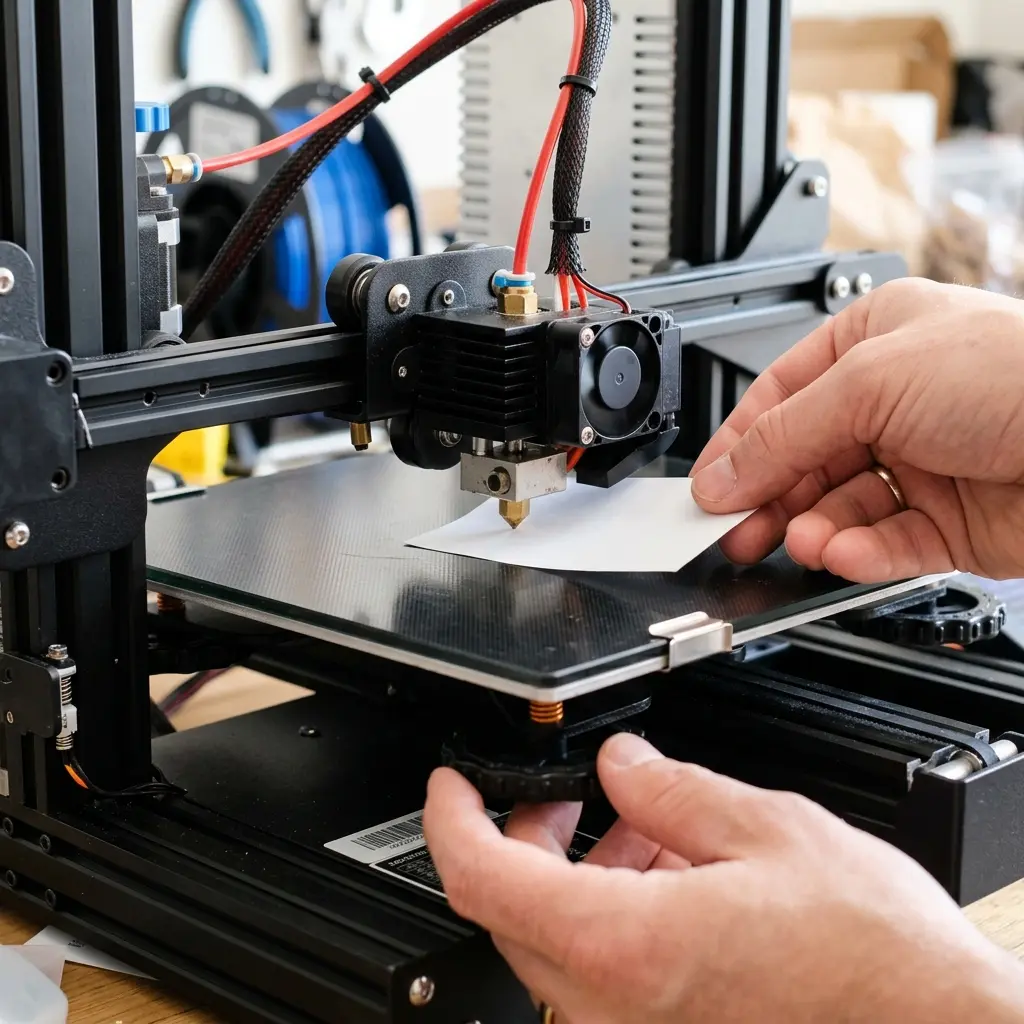
Glass Beds in 3D Printing: Advantages and Adhesion Tips
The use of glass beds in 3D printing has gained popularity among enthusiasts and professionals alike. Glass beds provide a flat, smooth surface that can significantly enhance the quality of 3D prints. Below are several advantages and practical tips for achieving optimal adhesion when using glass beds.
Advantages of Glass Beds
- Flatness: Glass beds offer excellent flatness that minimizes the risk of warping and ensures a consistent build surface.
- Durability: Glass can withstand high temperatures, making it suitable for various filament types, including PLA, ABS, and PETG.
- Easy Cleaning: The non-porous surface of glass makes it easy to clean, which helps maintain a good adhesion surface over time.
- Heat Distribution: Glass provides even heat distribution, which can reduce the likelihood of print defects associated with uneven heating.
- Improved Adhesion: Certain treatments can enhance adhesion properties, making it easier to prevent prints from lifting during the process.
Common Issues with Glass Beds
Despite the advantages, some challenges might arise when using glass beds:
- Initial Adhesion: Some filaments may struggle to adhere to glass surfaces without additional treatments.
- Surface Damage: Glass can be prone to scratches if not handled carefully, which can impact print quality.
- Temperature Sensitivity: Glass beds can take time to heat up, which may affect the initial layers of prints.
Adhesion Tips for Glass Beds
To achieve the best adhesion when using glass beds, consider the following tips:
- Use Adhesives: Apply a thin layer of adhesive product such as glue stick, hairspray, or specialized 3D printing adhesives.
- Temperature Settings: Ensure that the glass bed reaches the appropriate temperature for the filament being used. For example, set the bed temperature to 60°C for PLA and 100°C for ABS.
- Clean Surface Regularly: Clean the glass bed with isopropyl alcohol or warm soapy water to remove any residues that may hinder adhesion.
- Use a Raft or Brim: For challenging prints, consider using a raft or brim in the slicing software to enhance adhesion for the first layers.
Comparison of Adhesion Techniques
| Adhesion Technique | Advantages | Disadvantages |
|---|---|---|
| Glue Stick | Easy to apply, inexpensive, good adhesion for PLA. | Can leave residues, requires reapplication. |
| Hairspray | Widely available, effective for multiple filament types. | Can be messy and may affect print surface quality. |
| Specialized Adhesives | Designed for 3D printing, consistent results. | Higher cost compared to other methods. |
| Blue Painter's Tape | Provides a textured surface that aids adhesion. | Can wear out quickly, requires replacement. |
Frequently Asked Questions
What types of filaments work best with glass beds?
Glass beds are compatible with a variety of filaments, including PLA, ABS, and PETG. Each filament may require different adhesive methods for optimal adhesion.
Can glass beds be used with heated print beds?
Yes, glass beds work well with heated print beds, providing better adhesion and reducing warping. Adjusting the heat settings according to filament specifications is essential.
How can prints be prevented from warping on glass beds?
To prevent warping, ensure proper bed leveling, use appropriate adhesive, and maintain the correct bed temperature. These practices contribute to a successful print.
Is it necessary to replace glass beds regularly?
Replacement of glass beds is not always necessary, but they should be inspected regularly for cracks or scratches. Damaged beds can affect print quality and should be replaced as needed.
What is the best way to clean a glass bed?
The best way to clean a glass bed is using a mixture of isopropyl alcohol and a lint-free cloth. This method removes residues without scratching the surface.




