Gel vs Foam Wrist Rests on Mouse Pads: Which Prevents RSI Better?

In the debate over preventing repetitive strain injuries (RSI), gel wrist rests generally offer superior support compared to foam wrist rests.
Ergonomics: Understanding Wrist Support
Proper wrist support is crucial for long hours of computer use. Ergonomic designs in both gel and foam wrist rests aim to maintain a neutral wrist position.
Material Specifications: Gel vs Foam
Gel wrist rests are typically made from a silicone or polyurethane gel, providing a cool and responsive surface. Foam wrist rests are often constructed from memory foam, offering a softer and more yielding support.
Performance: Impact on Comfort Levels
Gel wrist rests tend to remain cooler during prolonged use, reducing discomfort caused by heat buildup. Foam wrist rests, while softer, can compress over time, potentially leading to inadequate support.
Durability and Maintenance
Gel materials are generally more resistant to wear and tear, while foam may degrade faster, particularly if subjected to heavy use. Cleaning gel rests is often simpler, requiring just a wipe, whereas foam rests may absorb sweat and oils.
Design Considerations: Aesthetic and Functional
Gel wrist rests often come in sleek designs that can complement modern office aesthetics. Foam rests, while available in various colors and textures, may not always fit seamlessly into a professional environment.
| Feature | Gel Wrist Rests | Foam Wrist Rests |
|---|---|---|
| Temperature Regulation | Stays cool | Can retain heat |
| Durability | Highly durable | Less durable |
| Maintenance | Easy to clean | Requires more care |
| Compression Resistance | Resilient | May compress over time |
| Aesthetics | Sleek and modern | Variety of options |
DomineTec Tip: Regular breaks and hand exercises can significantly enhance wrist health, regardless of the wrist rest used.
- Choose a wrist rest that aligns with ergonomic guidelines.
- Consider the material's temperature and durability based on usage.
- Assess the maintenance requirements for long-term usability.
- Evaluate the aesthetics and how they fit into the workspace.
- Incorporate regular breaks and stretching exercises into daily routines.

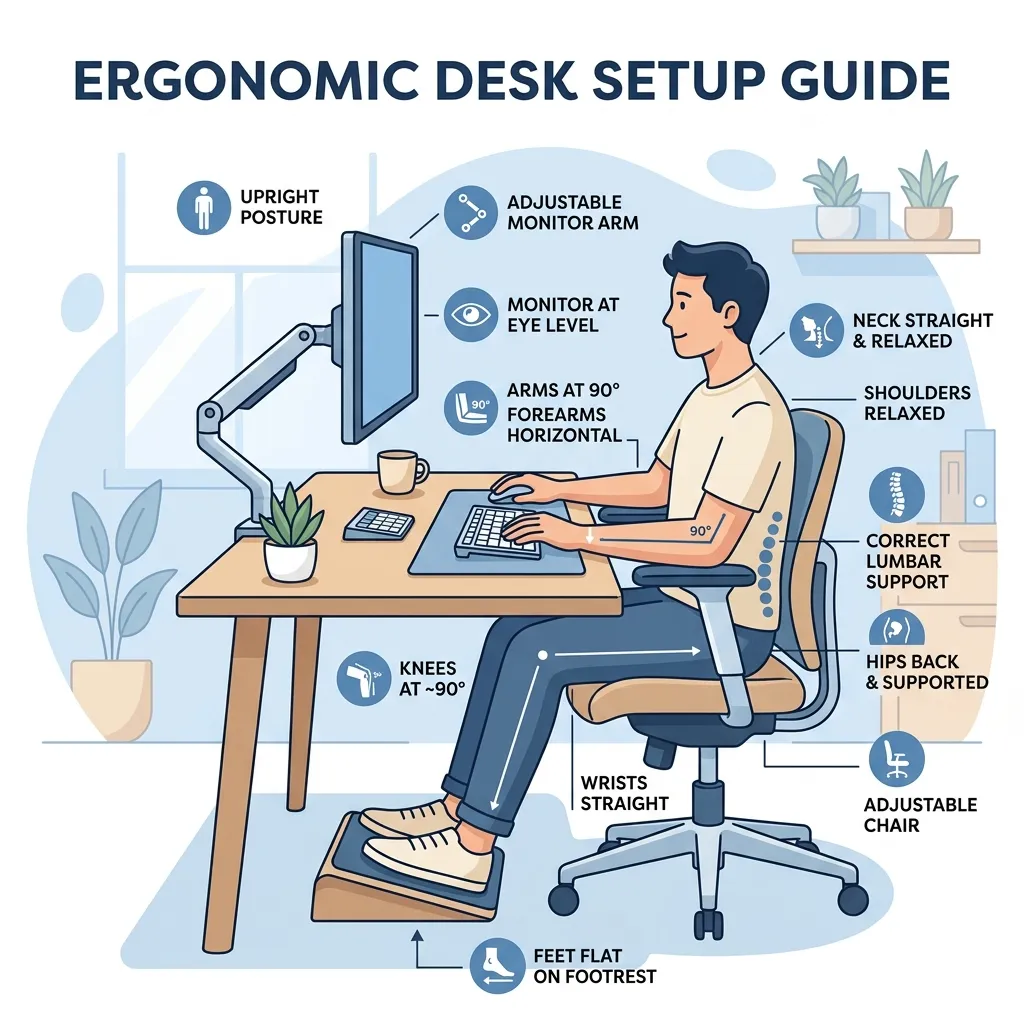
For more insights on creating a productive workspace, check out our guide on clean productivity desk setup and learn about the correct monitor height.
Health Implications: Long-Term Effects of Wrist Supports
Prolonged use of computer peripherals can lead to repetitive strain injuries (RSIs), which affect the tendons, nerves, and muscles in the wrist and hand. Both gel and foam wrist rests can mitigate these risks, but the effectiveness varies based on individual user habits and the nature of the materials.
Research indicates that inadequate wrist support can lead to chronic pain and conditions like carpal tunnel syndrome, emphasizing the importance of choosing the right wrist rest. Users should consider their own ergonomic setup and whether their wrist rest can adapt to their specific needs over time.
Temperature Regulation: Comfort Through Climate Control
Temperature regulation is an essential factor in user comfort during extended computer usage, particularly in environments with variable climates. Gel wrist rests often retain heat, which can lead to discomfort over long periods, while foam materials typically allow for better airflow.
Some foam wrist rests are designed with cooling technologies, providing an additional layer of comfort that can be advantageous for users in warmer conditions. Users may test both types in their typical work environments to determine which option provides a more comfortable experience regarding temperature control.
Impact on Typing and Precision: Enhancing Performance
The choice between gel and foam wrist rests can significantly affect typing accuracy and mouse precision, especially for professionals in design or gaming. Gel wrist rests offer a more stable surface, potentially aiding in precision tasks; however, they may not conform as well to the wrist's natural angles.
Conversely, foam wrist rests may provide a softer touch, which some users find enhances their typing speed and comfort. Conducting performance tests can help users identify which wrist rest improves their productivity and comfort during prolonged sessions.
Customization and Personalization: Tailoring Your Experience
Users increasingly seek personalized solutions in their ergonomic setups, prompting manufacturers to create customizable wrist rests. Some brands offer interchangeable covers or adjustable heights, allowing for a tailored fit that can cater to individual preferences.
This degree of customization can help address unique wrist shapes and sizes, further enhancing comfort and support. It is advisable for users to explore these options to find a wrist rest that can be adapted to their specific ergonomic requirements.
Cost Analysis: Budgeting for Ergonomic Solutions
When selecting between gel and foam wrist rests, cost is a crucial factor, and users should consider both the initial purchase price and potential long-term expenses. Gel wrist rests often come at a higher price point due to their materials and manufacturing processes, while foam options may be more budget-friendly.
However, investing in a higher-quality wrist rest can lead to greater comfort and potentially lower healthcare costs associated with RSI treatments. Users should weigh the benefits of each option against their budgets, considering the overall value and longevity of the wrist rest.
Environmental Impact: Sustainability of Materials
As consumers become more environmentally conscious, the sustainability of materials used in wrist rests has gained attention. Gel wrist rests often contain synthetic materials that may not be biodegradable, while some foam products are made from more eco-friendly substances.
Manufacturers are increasingly adopting sustainable practices, such as using recycled materials or reducing waste in production, which can influence consumer choices. Users should investigate the environmental policies of brands to choose a wrist rest that aligns with their values regarding sustainability.
Comparative User Experiences: Real Feedback from Users
Understanding the experiences of other users can provide valuable insights when selecting between gel and foam wrist rests. User reviews often highlight aspects such as comfort, durability, and performance, giving potential buyers a clearer picture of what to expect.
Online forums and ergonomic product review sites can serve as useful resources for gathering diverse perspectives on these products. Engaging with user communities can lead to informed decisions based on collective experiences, enhancing the likelihood of finding the right wrist rest.
Manufacturing Processes: How Production Affects Performance
The manufacturing processes for gel and foam wrist rests significantly impact their performance and longevity. Gel wrist rests typically undergo a molding process where gel is poured into a specific shape, ensuring uniformity in texture and density. This method allows for precise control over the gel's viscosity, leading to better adaptability to wrist shapes.
In contrast, foam wrist rests are often produced through compression molding or cutting techniques, which can result in variations in density and firmness. The quality of the foam, including its density and resilience, can vary based on the manufacturer and the specific production methods used.
Moreover, the finishing touches applied during manufacturing, such as the surface treatment or the addition of antimicrobial properties, can influence the overall user experience. Understanding these manufacturing processes can help consumers make more informed choices.
Compatibility with Different Work Environments
The choice between gel and foam wrist rests can vary depending on the work environment and usage patterns. Gel wrist rests tend to be more suited for environments that require extended computer use, such as offices or gaming setups, due to their cooling properties and consistent support.
On the other hand, foam wrist rests are often favored in environments where ergonomics must balance with portability and aesthetics. Their lightweight nature makes them easy to transport, and they can fit seamlessly into various home office setups or co-working spaces without drawing too much attention.
Ultimately, understanding the compatibility of wrist rests with different work environments is crucial for selecting the appropriate support. The right choice can enhance productivity and comfort across various settings.
Consumer Trends: Preferences in Wrist Rest Choices
Recent consumer trends indicate a growing preference for ergonomic products, including wrist rests, as awareness of RSI and workplace ergonomics increases. Many users now prioritize comfort and long-term health benefits over aesthetic appeal, leading to an increase in demand for high-quality gel and foam options.
Furthermore, reviews and community feedback play a significant role in shaping consumer choices. Many users rely on peer recommendations and detailed product reviews to understand which wrist rests provide the best support and comfort, influencing their purchasing decisions.
As more consumers become educated about the importance of ergonomic products, manufacturers are responding by enhancing their offerings. This shift is reshaping the market landscape, with a focus on innovative designs and materials that promote overall well-being during prolonged computer use.
Scientific Research: Evidence Supporting Ergonomic Choices
Scientific research on the effectiveness of wrist rests in preventing RSI is crucial for guiding consumer decisions. Studies have shown that proper wrist support can significantly reduce the risk of developing musculoskeletal disorders by promoting neutral wrist positioning and alleviating pressure on tendons.
Research comparing gel and foam wrist rests highlights differences in effectiveness based on material properties. Some studies suggest that gel materials may provide superior support in dynamic movements due to their ability to conform to the wrist's shape while dispersing pressure evenly.
In contrast, studies on foam wrist rests indicate that certain high-density foams can offer comparable support and comfort, particularly for users with lighter workloads or those who prefer a softer touch. Ongoing scientific research continues to shed light on the benefits of wrist supports, reinforcing the necessity for consumers to consider both material choice and ergonomic design in their selections.
Adjustability and Adaptability: Tailoring Support to Individual Needs
Adjustability in wrist rests is crucial for accommodating the varying needs of users. Many individuals have different wrist sizes and postures, which can significantly affect comfort levels during prolonged use. Gel wrist rests often feature a more malleable surface that adjusts to the user's wrist shape, providing a custom fit that can prevent discomfort and reduce the risk of RSI.
Foam wrist rests may offer varying densities and thicknesses, allowing users to select a model that suits their preferences. This level of adaptability can enhance the ergonomic benefits of foam rests, making them a viable option for those who require personalized support.
Usage Scenarios: Best Practices for Different Environments
The environment in which a wrist rest is used plays a critical role in its effectiveness in preventing RSI. For instance, in office settings where prolonged typing is common, gel wrist rests may offer superior comfort due to their cooling properties and ability to distribute weight evenly.
Conversely, in gaming environments where rapid movements and quick reflexes are essential, foam wrist rests may provide the necessary support without hindering performance. Understanding the unique demands of different settings can inform users' choices, leading to better ergonomic practices.
Maintenance Practices: Ensuring Longevity of Your Wrist Rest
To ensure the longevity of a wrist rest, whether gel or foam, routine maintenance is paramount. This includes regular cleaning to prevent the buildup of dirt, oils, and bacteria that can compromise both hygiene and comfort.
For gel wrist rests, a damp cloth with mild soap can effectively remove surface grime. Care should be taken to avoid soaking the gel, as excessive moisture can degrade the material over time.
Foam wrist rests require a different approach; a soft brush or vacuum can dislodge trapped particles without saturating the foam. If deeper cleaning is necessary, a gentle mixture of water and a mild detergent can be used, followed by thorough air drying to avoid mold growth.
Additionally, users should inspect their wrist rests regularly for signs of wear, such as cracking in gel pads or flattened foam. Prompt replacement of worn-out supports can prevent discomfort and potential RSI, ensuring continued ergonomic support during use.
Ergonomic Integration: Enhancing Workspace Setup
Integrating wrist rests into an ergonomic workspace setup is crucial for maximizing their effectiveness in preventing RSI. Proper alignment of both the keyboard and mouse is essential to maintain a neutral wrist position.
When positioning the wrist rest, it should be aligned with the edge of the keyboard, allowing for a seamless transition between typing and mouse use. This alignment minimizes wrist strain and promotes fluid movement.
Adjusting the height of the chair and desk can also enhance the benefits of wrist rests. Ensuring that the forearms are parallel to the ground while using the keyboard and mouse can further reduce the risk of strain.
Incorporating additional ergonomic tools, such as adjustable monitor stands and keyboard trays, can create a comprehensive ergonomic solution. This holistic approach ensures that wrist rests are part of a broader strategy to promote comfort and prevent RSI.
Long-Term Monitoring: Tracking Ergonomic Effectiveness
Monitoring the long-term effectiveness of wrist rests in preventing repetitive strain injuries (RSI) involves a systematic approach to data collection and analysis. This includes tracking user feedback on comfort levels, pain occurrences, and overall satisfaction over extended periods.
Utilizing surveys and questionnaires can provide valuable insights into how various wrist rests perform in real-world applications. Metrics such as user-reported pain levels, frequency of discomfort, and duration of use can be quantified for better analysis.
Wearable technology can also play a pivotal role in this monitoring process. Devices that measure wrist position, muscle tension, and movement patterns can provide objective data to complement subjective user feedback.
Integrating this data into a comprehensive management system allows for the identification of trends and potential issues. Regular reviews of this information can lead to informed adjustments in ergonomic practices and product designs to enhance user safety and comfort.
Maintenance of Wrist Rests: Best Practices for Longevity
Proper maintenance of gel and foam wrist rests is essential for ensuring their longevity and effectiveness in preventing RSI. Regular cleaning is crucial, as accumulated dirt and oils can degrade the materials over time.
For gel wrist rests, a damp cloth with mild soap can effectively remove surface contaminants. It is important to avoid harsh chemicals that could compromise the integrity of the gel material.
Foam wrist rests should be inspected periodically for signs of wear such as flattening or cracking. If any damage is noted, the product should be replaced to maintain optimal ergonomic support.
Storing wrist rests in a cool, dry place when not in use can also prolong their lifespan. Avoid exposing them to direct sunlight or extreme temperatures that may affect their material properties.
Frequently Asked Questions
What is RSI and how does it occur?
Repetitive Strain Injury (RSI) refers to pain and discomfort in muscles and tendons resulting from repetitive tasks, often seen in computer users.
How does a wrist rest help prevent RSI?
A wrist rest provides support, promoting a neutral wrist position and reducing strain on muscles and tendons during extended computer use.
Which type of wrist rest is better for gaming?
Gel wrist rests are often preferred by gamers for their cooler surface and durability during long gaming sessions.
How often should wrist rests be replaced?
Wrist rests should be replaced when visible wear occurs, or if they no longer provide adequate support or hygiene.
Can wrist rests be used with any mouse pad?
Yes, wrist rests can typically be used with any mouse pad, but compatibility with the height and design of the mouse pad enhances effectiveness.




