How to Arrange Books and Collectibles on Floating Shelves Near Desk Setups
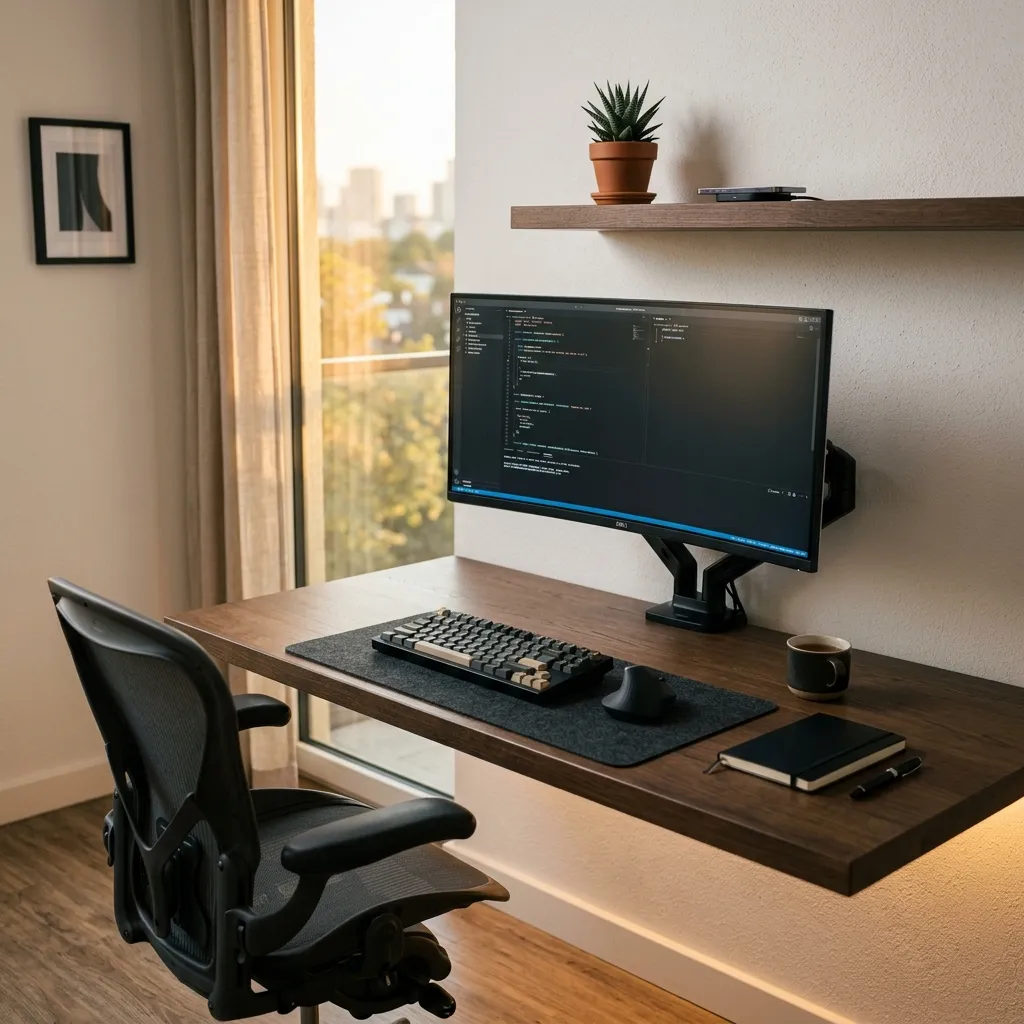
Floating shelves can enhance desk setups through thoughtful arrangement of books and collectibles.
Understanding Ergonomics in Shelf Placement
Proper shelf height should align with eye level to minimize neck strain while reading or accessing items.
Floating shelves should be positioned within arm’s reach to enhance comfort and efficiency during tasks.
Performance Benefits of Organized Spaces
A well-arranged shelf can boost focus by reducing visual clutter, promoting a productive environment.
Books and collectibles should be organized by size or color, creating a visually appealing and functional display.
Material Choices for Floating Shelves
Wood, metal, and glass are popular materials, each offering different aesthetics and weight capacities.
Composite wood, such as MDF, is often used for its cost-effectiveness and ease of installation.
Design Considerations for Aesthetic Appeal
Incorporating decorative elements alongside books can create a personalized yet cohesive look.
Using varying shelf lengths can add dimension and interest to the overall desk setup.
Comparative Analysis of Shelf Brands
| Brand | Material | Weight Capacity | Price Range | Installation Type |
|---|---|---|---|---|
| Way Basics | Recycled Paperboard | 50 lbs | $50 - $100 | Wall-Mounted |
| IKEA | Particleboard | 35 lbs | $30 - $70 | Wall-Mounted |
| Sauder | Engineered Wood | 40 lbs | $40 - $80 | Wall-Mounted |
| West Elm | Solid Wood | 60 lbs | $150 - $250 | Wall-Mounted |
| Floating Shelves Co. | Metal | 75 lbs | $60 - $120 | Wall-Mounted |
DomineTec Tip: Utilize shelf dividers to create sections for books and collectibles, promoting an organized and accessible display.
- Determine the optimal height for shelves based on desk and seating arrangement.
- Select materials that match the overall aesthetic and durability requirements.
- Organize items by size or category for easy access and visual appeal.
- Incorporate personal elements that inspire creativity and motivation.
- Maintain a balance between functionality and decor to enhance the workspace.
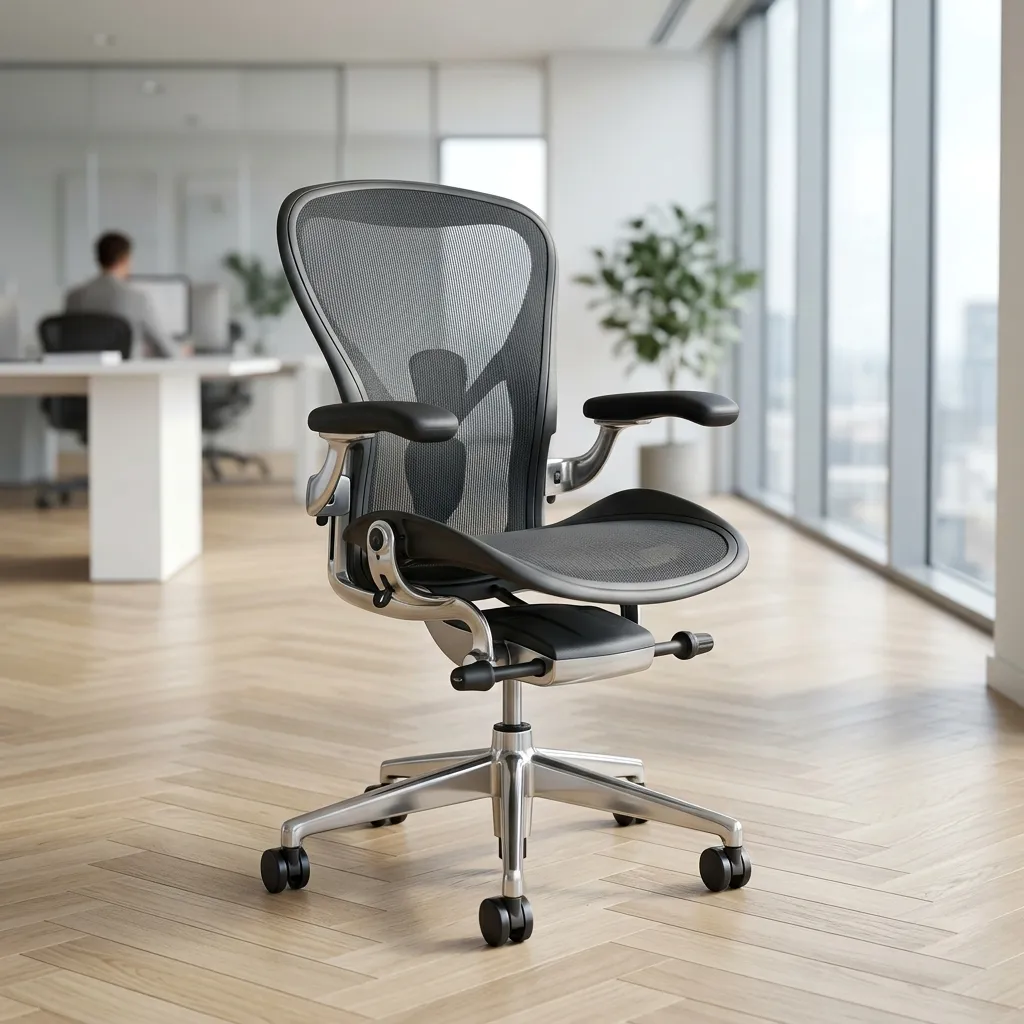
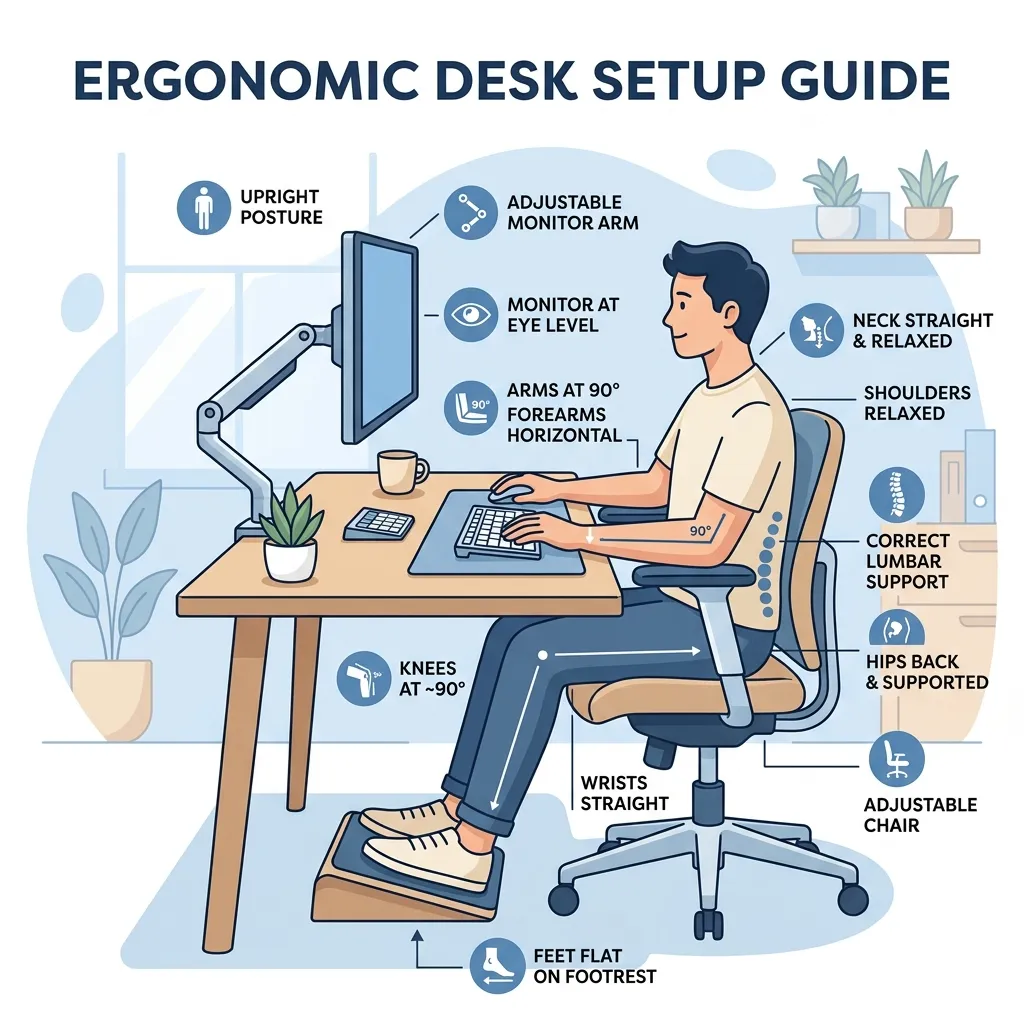
For optimal productivity, consider reviewing the correct monitor height and implementing a clean productivity desk setup.
Utilizing Color Theory in Shelf Arrangement
Color theory plays a crucial role in the aesthetic appeal and psychological impact of an organized space. By understanding how colors interact, one can create a visually engaging display that enhances the overall atmosphere of a workspace.
When arranging books and collectibles, consider using a color gradient or complementary colors to create visual harmony. This approach not only makes the shelves more appealing but also encourages a sense of calm and focus.
Incorporating contrasting colors can add energy to a space, making it feel more dynamic. However, it's essential to balance bold colors with neutral tones to avoid overwhelming the visual senses.
Additionally, using color to categorize items can aid in quick identification, further enhancing the organization and functionality of the shelf space.
Incorporating Personalized Elements
Personalization is key to making a workspace feel inviting and reflective of individual taste. Including unique collectibles or personal photographs can enhance the emotional connection one has to their work environment.
When selecting personalized items, consider how they complement the overall theme of the shelf. Items should not only represent personal significance but also align with the color scheme and style of the surrounding decor.
Moreover, rotating personal items periodically can keep the display fresh and inspiring. This practice encourages creativity and allows for the introduction of new memories or interests.
Ultimately, personalization transforms a generic workspace into a unique expression of identity, fostering motivation and productivity.
Maximizing Vertical Space in Shelf Design
Maximizing vertical space is essential in small work areas, as it allows for efficient use of limited surface area. Floating shelves naturally lend themselves to upward storage, enabling the display of more items without cluttering desk space.
To optimize vertical arrangements, consider varying the height at which items are placed. Taller books can be positioned on lower shelves, while smaller collectibles can be placed higher up, creating a visually appealing tiered effect.
Utilizing stackable storage solutions can also enhance vertical space management. These systems allow for the storage of multiple items in a compact manner, making it easier to access frequently used books or materials.
Incorporating hooks or hanging organizers on the underside of floating shelves can further utilize vertical space, providing additional storage for tools or office supplies.
Integrating Technology into Shelf Setup
Integrating technology into shelf setups can enhance both functionality and aesthetics. This can include the use of LED lighting to highlight specific items or enhance the ambiance of the workspace.
Smart devices, such as wireless chargers or Bluetooth speakers, can be seamlessly incorporated into shelf designs, reducing clutter on the desk while offering modern conveniences.
Furthermore, cable management solutions can be employed to keep electronic cords organized and out of sight, contributing to a clean and professional look.
By thoughtfully incorporating technology into the shelf arrangement, one can create a more efficient and contemporary workspace that meets modern demands.
Seasonal Decor Changes for Shelves
Seasonal decor changes can breathe new life into a workspace without requiring a complete overhaul of the shelf setup. By rotating decorative items based on the season, one can maintain an inviting and fresh environment.
For example, incorporating warm tones and rustic elements in the fall can create a cozy atmosphere, while bright colors and floral arrangements in the spring can evoke a sense of renewal.
This practice not only enhances the visual appeal but also allows for personal expression and creativity throughout the year. It can serve as a fun and engaging way to mark the passage of time.
Additionally, seasonal changes can promote mindfulness and reflection, making the workspace more than just a functional area but a place of inspiration and joy.
Space-Saving Techniques for Small Work Areas
In small workspaces, space-saving techniques are vital for maintaining organization and functionality. Floating shelves themselves are a space-saving solution, but additional strategies can further enhance efficiency.
Using multi-functional items, such as books that double as storage boxes, can help maximize the use of limited space. These items offer both decorative appeal and practical storage solutions.
Incorporating modular shelving units allows for flexible configurations that can adapt to changing needs or available space. This adaptability is essential in smaller environments where every inch counts.
Furthermore, vertical organizers for documents or supplies can be mounted on the wall, freeing up desk space while keeping essential items easily accessible.
Creating a Thematic Shelf Arrangement
A thematic shelf arrangement can create a cohesive look that enhances the overall aesthetic of a workspace. Themes can be based on color, genre, or even personal interests, providing a unified visual experience.
For instance, a literary theme could incorporate books from a specific genre or author along with related collectibles, such as vintage bookmarks or literary quotes displayed on small frames.
Choosing a theme can simplify the decision-making process when selecting items for the shelves, ensuring that all pieces work together harmoniously. This approach can also inspire creativity and lead to deeper engagement with the displayed materials.
Additionally, themed arrangements can serve as conversation starters, making the workspace not just a place of work but also a reflection of personal passions and interests.
Utilizing Lighting to Enhance Shelf Displays
Proper lighting can significantly elevate the visual appeal of floating shelves, making books and collectibles stand out.
Consider using LED strip lights along the edges of the shelves to create a soft glow, highlighting the items displayed.
Task lighting, such as adjustable wall sconces or desk lamps, can also be strategically placed to focus light on specific shelf areas.
Incorporating light with a warm hue can create an inviting atmosphere, while cooler tones can convey a modern aesthetic.
Maintaining Flexibility in Shelf Arrangements
Flexibility in shelf arrangements allows for easy updates and changes to the display as new items are acquired.
Consider using adjustable brackets or modular shelving systems that can accommodate different sizes and shapes of books and collectibles.
Regularly reassessing the arrangement can keep the space fresh and reflect personal interests and trends.
Additionally, creating a rotation schedule for items can encourage creativity and prevent display stagnation.
Incorporating Functional Items into Shelf Displays
Functional items can serve both aesthetic and practical purposes, contributing to the overall organization of the workspace.
Consider integrating storage boxes or baskets on shelves to hold office supplies, enhancing both functionality and visual appeal.
Using decorative bookends can help maintain order among books while adding a stylish touch to the arrangement.
Additionally, incorporating a small plant or two can improve air quality and add a natural element to the display.
Curating a Rotating Collection of Featured Items
Regularly curating a rotating collection of featured items can keep the shelf display dynamic and engaging.
This practice allows for seasonal themes or personal interests to be highlighted, providing a fresh aesthetic throughout the year.
Consider designating a specific shelf or section for these rotating items, making it easy to change them out regularly.
Documenting the changes can also inspire future arrangements and reflect personal growth and evolving tastes.
Establishing a Cohesive Visual Flow
Creating a cohesive visual flow on floating shelves can significantly enhance the overall aesthetic of a workspace. This involves considering the arrangement of items in relation to each other, ensuring that they complement rather than clash.
Grouping items by size can help establish a hierarchy that draws the eye naturally across the shelves. For instance, larger books or collectibles can anchor the display, while smaller items can provide contrast and interest.
Additionally, consider the color palette of the items on the shelves. Harmonizing colors can create a calming effect, whereas contrasting colors can be used to highlight specific pieces.
Finally, incorporating negative space is crucial in establishing a cohesive visual flow. Leaving empty spaces allows the eyes to rest and prevents the shelves from appearing overcrowded.
Optimizing Shelf Accessibility for Daily Use
Accessibility is a critical factor when arranging books and collectibles on floating shelves, especially in a workspace. Items that are frequently used should be placed within easy reach to enhance workflow and efficiency.
When determining which items to keep accessible, consider the frequency of use and the specific tasks performed at the desk. For example, if certain reference books or tools are used daily, they should occupy the lowest shelves or the most convenient positions.
Moreover, utilize shelf dividers or boxes to categorize items and maintain order. This not only aids in quick access but also prevents clutter from accumulating.
Lastly, periodically reassess the arrangement based on changing needs or new acquisitions. Regular adjustments will ensure that the shelf arrangement continues to support productivity and remains functional over time.
Creating a Focal Point with Shelf Arrangements
Establishing a focal point on floating shelves can significantly enhance the overall aesthetic of a workspace. A well-placed item, such as a unique sculpture or an eye-catching book, can draw attention and serve as a conversation starter.
To create a successful focal point, consider the scale and proportion of the items involved. Larger objects should be used sparingly to avoid dominating the space, while smaller items can be grouped to create visual interest.
Incorporating varying textures and materials around the focal point can also enhance its impact. For instance, pairing a sleek ceramic vase with rustic wooden books can create a pleasing contrast that invites the eye to explore the entire shelf.
Regularly updating or rotating the focal point can keep the shelf arrangement fresh and engaging. Seasonal decor or new collectibles can provide an opportunity to refresh the workspace without the need for a complete overhaul.
Strategies for Maintaining Shelf Organization
Maintaining organization on floating shelves requires consistent effort and strategic planning. One effective strategy is to establish a routine for decluttering and reassessing the items on display.
Utilizing storage solutions can also aid in maintaining organization. Decorative boxes or bins can be used to store smaller items that might clutter the shelves while still keeping them accessible.
Another key aspect of maintaining an organized shelf is to ensure that each item has a purpose or meaning. Limit the number of decorative pieces to those that resonate personally or serve a functional need.
Lastly, consider implementing a digital inventory system for collectibles or books. Keeping a record of items, along with their sentimental value or usage, can help guide decisions about what to keep or display.
Frequently Asked Questions
What height should floating shelves be placed at?
Shelves should be positioned so that the top is at or slightly below eye level for comfortable access.
How much weight can floating shelves hold?
Weight capacity varies by material and brand, typically ranging from 35 lbs to 75 lbs for common floating shelves.
Can collectibles be displayed on floating shelves?
Yes, collectibles can be effectively showcased; however, care should be taken regarding weight and balance.
What materials are best for floating shelves?
Solid wood and metal are preferred for durability, while engineered wood offers a more cost-effective solution.
How can shelves improve workspace ergonomics?
Organized shelves reduce clutter, facilitating a more efficient workspace and promoting better posture.