Flexible vs. Rigid Solar Panels: Which Is Better for Your Setup?
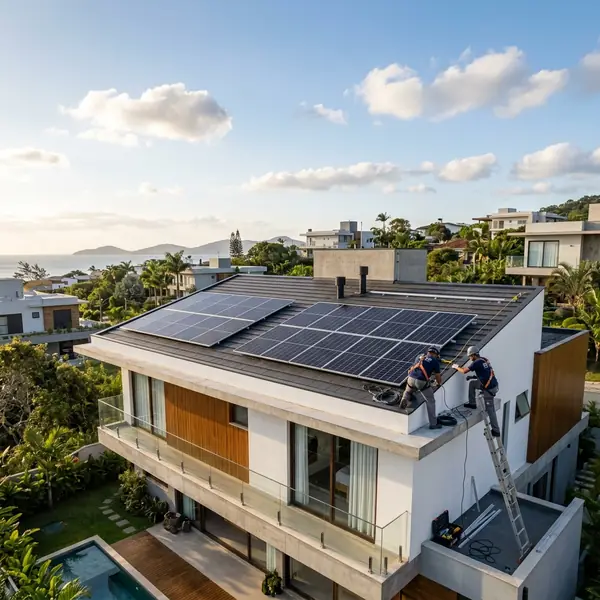
Flexible solar panels are lightweight and versatile, while rigid solar panels offer durability and efficiency.
Introduction to Solar Panels
Solar panels are essential for converting sunlight into usable energy. Understanding the differences between flexible and rigid options is crucial for selecting the right setup.
Types of Solar Panels
Solar panels are typically categorized into two main types: flexible and rigid. Each type has unique characteristics that influence performance and application.
Flexible Solar Panels (Market overview analysis) and Practical Aspects
Flexible solar panels (Market overview analysis) (Market overview analysis) are lightweight and can be installed on various surfaces. Their design allows for curved or irregular installations, making them ideal for specific applications.
Rigid Solar Panels (Market overview analysis) and Practical Aspects
Rigid solar panels (Market overview analysis) (Market overview analysis), often made from glass and aluminum, are known for their durability and higher efficiency. They are commonly used in residential and commercial installations.
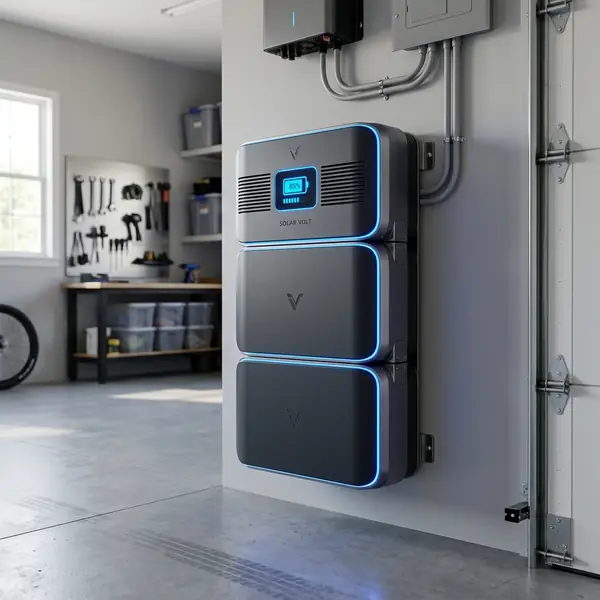
Comparison of Features
| Feature | Flexible Solar Panels (Market overview analysis) (Market overview analysis) | Rigid Solar Panels (Market overview analysis) (Market overview analysis) |
|---|---|---|
| Weight | Lightweight | Heavier |
| Durability | Less durable | Highly durable |
| Efficiency | Lower efficiency | Higher efficiency |
| Installation Flexibility | Highly flexible | Limited flexibility |
| Cost | Generally lower | Generally higher |
Advantages of Flexible Solar Panels (Market overview analysis) (Market overview analysis)
Flexible solar panels (Market overview analysis) (Market overview analysis) provide several advantages, particularly in unique installations. Their lightweight nature allows for easy handling and transport.
Installation on curved surfaces is possible, making them suitable for boats, RVs, and unconventional buildings. This feature expands their usability significantly.
Advantages of Rigid Solar Panels (Market overview analysis) (Market overview analysis)
Rigid solar panels (Market overview analysis) (Market overview analysis) offer superior efficiency and durability, often resulting in a longer lifespan. Their robust construction can withstand harsh weather conditions.
In terms of energy production, rigid panels generally outperform flexible panels, making them a preferred choice for many residential setups.
Considerations for Choosing the Right Type
When selecting between flexible and rigid solar panels (Market overview analysis) (Market overview analysis), several factors should be considered. The specific application, budget, and installation environment play a critical role in this decision.
For portable applications or where weight is a concern, flexible panels may be more appropriate. Conversely, for permanent installations requiring maximum energy output, rigid panels are advisable.
DomineTec Tip: Assess the energy needs and installation conditions before making a final decision. Consider factors such as roof space and shading as well.
To expand on this subject, it is highly useful to also explore how to solar panels on cloudy days in detail.
To expand on this subject, it is highly useful to also explore how to home solar disadvantages and risks in detail.
Frequently Asked Questions
What is the main difference between flexible and rigid solar panels (Market overview analysis) (Market overview analysis)?
The main difference lies in their construction and application, with flexible panels being lightweight and adaptable, while rigid panels offer higher efficiency and durability.
How to determine the efficiency of a solar panel?
Solar panel efficiency can be determined by dividing the electrical output by the sunlight energy received, usually expressed as a percentage.
Can flexible solar panels (Market overview analysis) be used for residential installations?
Yes, flexible solar panels (Market overview analysis) (Market overview analysis) can be used for residential installations, but their lower efficiency may require more panels to meet energy needs.
What factors influence the choice between flexible and rigid solar panels (Market overview analysis) (Market overview analysis)?
Factors include installation type, energy needs, budget, and weight considerations, impacting the overall suitability for specific applications.
Are flexible solar panels (Market overview analysis) as durable as rigid ones?
Flexible solar panels (Market overview analysis) (Market overview analysis) are generally less durable than rigid panels and may require more careful handling and installation to avoid damage.
Understanding Flexible Solar Panels (Market overview analysis) (Market overview analysis)
Flexible solar panels (Market overview analysis) (Market overview analysis) are designed to be lightweight and can be installed on a variety of surfaces. Their ability to bend and conform to surfaces makes them ideal for applications where traditional panels may not fit.
These panels often incorporate thin-film technology, which allows for a more versatile installation. However, the efficiency of flexible panels may be lower compared to rigid counterparts.
Characteristics of Rigid Solar Panels (Market overview analysis) (Market overview analysis)
Rigid solar panels (Market overview analysis) (Market overview analysis) are typically made from crystalline silicon, which offers higher efficiency rates. They are known for their durability and longevity, often backed by warranties of 25 years or more.
The structure of rigid panels allows for better heat dissipation, which can enhance performance in certain conditions. However, their weight and size can pose challenges in installation on uneven surfaces.
Installation Considerations for Flexible Panels
When installing flexible solar panels (Market overview analysis) (Market overview analysis), a proper surface preparation is crucial for optimal adhesion. It is essential to ensure that the surface is clean and free of debris to prevent any installation issues.
Using the correct adhesive and mounting hardware is vital, as improper materials can lead to failure over time. Regular inspections should be conducted to check for any signs of wear or detachment.
Installation Considerations for Rigid Panels
For rigid solar panels (Market overview analysis) (Market overview analysis), a sturdy mounting system is required to support their weight and withstand environmental conditions. Roof type and structural integrity should be assessed before installation.
Installation guidelines typically include securing panels at specific angles to maximize sunlight exposure. Following manufacturer specifications is critical to avoid damage during installation.
Performance Comparison: Flexible vs. Rigid
In terms of performance, rigid solar panels (Market overview analysis) (Market overview analysis) generally offer higher energy efficiency, with conversion rates often exceeding 20%. Flexible panels, while versatile, may have conversion rates between 10% and 15%.
Environmental factors like shading and temperature can influence the performance of both types of panels. Understanding these variables is essential for optimizing energy output from the chosen panel type.
Common Troubleshooting for Flexible Panels
Issues such as delamination or peeling can occur with flexible solar panels (Market overview analysis) (Market overview analysis), often due to inadequate installation practices. Regular inspections can help identify problems early.
Monitoring output performance is essential; any significant drop in energy production may indicate underlying issues. Addressing these concerns promptly can prevent further damage.
Common Troubleshooting for Rigid Panels
Rigid solar panels (Market overview analysis) (Market overview analysis) may experience issues such as micro-cracks or junction box failures. These problems can arise from improper handling during installation or from environmental stressors.
Routine maintenance checks should include cleaning the panels and inspecting for physical damage. Early detection of issues can significantly extend the lifespan and efficiency of the panels.
Warranty and Longevity Considerations
Flexible solar panels (Market overview analysis) (Market overview analysis) often come with shorter warranty periods, typically ranging from 5 to 15 years. This reflects their lower durability compared to rigid panels.
In contrast, rigid solar panels (Market overview analysis) (Market overview analysis) are usually accompanied by warranties extending up to 25 years, highlighting their long-term reliability. Understanding warranty specifics can aid in making an informed decision.
Understanding Solar Panel Types
Solar panels come in various forms, primarily categorized into flexible and rigid types. Each type has distinct advantages and limitations that can influence their suitability for different applications.
Flexible Solar Panels (Market overview analysis) and Practical Aspects
Flexible solar panels (Market overview analysis) (Market overview analysis) are lightweight and can be installed on various surfaces (Market overview analysis). They are often made from thin-film technology, allowing them to be more adaptable to unconventional shapes and surfaces.
Advantages of Flexible Solar Panels (Market overview analysis) (Market overview analysis) (Market overview analysis)
- Lightweight and portable, making them ideal for mobile applications.
- Can conform to curved or irregular surfaces, providing versatile installation options.
- Typically more durable against impacts and extreme weather conditions.
- Easy to install, often requiring less structural support.
Limitations of Flexible Solar Panels (Market overview analysis) (Market overview analysis)
- Generally lower efficiency compared to rigid panels, requiring more space for the same output.
- Shorter lifespan, often around 10-15 years, compared to rigid options.
- May have a higher cost per watt than traditional panels.
Rigid Solar Panels (Market overview analysis) and Practical Aspects
Rigid solar panels (Market overview analysis) (Market overview analysis) are the traditional form of solar technology, commonly made from crystalline silicon. They are widely used in residential and commercial installations due to their established performance and reliability.
Advantages of Rigid Solar Panels (Market overview analysis) (Market overview analysis) (Market overview analysis)
- Higher efficiency rates, typically over 15-20%, allowing for more energy generation in less space.
- Longer lifespan, often exceeding 25 years with proper maintenance.
- More established technology, with a vast array of options available on the market.
- Better performance in low-light conditions, such as cloudy weather.
Limitations of Rigid Solar Panels (Market overview analysis) (Market overview analysis)
- Heavier and bulkier, requiring more significant structural support for installation.
- Less flexible in terms of installation, needing flat surfaces for optimal performance.
- Potentially higher shipping costs due to weight and fragility.
Choosing the Right Solar Panel for Your Setup
The choice between flexible and rigid solar panels (Market overview analysis) (Market overview analysis) depends on specific needs and applications. Factors such as space, weight, and efficiency requirements play a significant role in determining the best option.
Considerations for Flexible Solar Panels (Market overview analysis) (Market overview analysis)
- Best suited for applications where weight and flexibility are crucial, such as on boats or RVs.
- Ideal for temporary installations or situations where conventional mounting is impractical.
Considerations for Rigid Solar Panels (Market overview analysis) (Market overview analysis)
- Recommended for permanent installations with sufficient space and structural support.
- Optimal for residential homes and commercial buildings where maximum efficiency is desired.
Cost Analysis
Cost is a crucial factor in selecting solar panels. While flexible panels may have a lower upfront cost, the overall energy output and lifespan should be considered for long-term investments.
Initial Investment
Flexible solar panels (Market overview analysis) (Market overview analysis) may initially seem more affordable, especially for small projects. However, their lower efficiency might lead to higher long-term costs due to more panels being needed to achieve the same output.
Long-term Savings
Rigid solar panels (Market overview analysis) (Market overview analysis), despite a higher initial cost, often provide better long-term savings through increased efficiency and durability. Their longer lifespan can also result in fewer replacements and maintenance costs over time.
Environmental Impact
The environmental impact of solar panels is another aspect to consider. Both types have their benefits and drawbacks concerning sustainability and resource use.
Flexible Solar Panels (Market overview analysis)
- Manufacturing processes may involve fewer materials, but they can have a higher environmental footprint due to shorter lifespans.
- Recycling options for flexible panels are still developing, which can pose future challenges.
Rigid Solar Panels (Market overview analysis)
- Typically have a more established recycling process, contributing positively to sustainability efforts.
- Longer lifespan means less waste generated over time, making them a more environmentally friendly choice in the long run.
Conclusion
The decision between flexible and rigid solar panels (Market overview analysis) (Market overview analysis) ultimately depends on specific needs and contexts. Analyzing factors like installation environment, efficiency, cost, and sustainability can guide the choice for optimal solar energy utilization.
Final Thoughts
Both flexible and rigid solar panels (Market overview analysis) (Market overview analysis) have their place in the renewable energy landscape. Weighing the pros and cons of each type will lead to informed and effective solar energy solutions.
Technical Insights into Flexible and Rigid Solar Panels (Market overview analysis) (Market overview analysis)
Flexible solar panels (Market overview analysis) (Market overview analysis) are constructed using thin-film technology, allowing them to be lightweight and adaptable to various surfaces. Rigid solar panels (Market overview analysis) (Market overview analysis), on the other hand, utilize crystalline silicon, providing higher efficiency and durability under standard conditions.
One notable difference is the performance in low-light environments; flexible panels tend to perform better in shaded conditions due to their design. Rigid panels, while more efficient under direct sunlight, may suffer from reduced output if not optimally positioned.
When it comes to thermal performance, rigid panels generally have better heat tolerance but may experience microcracking over time. Flexible panels can handle temperature changes more gracefully, but their lifespan may be shorter if exposed to extreme conditions.
Installation and Warranty Considerations for Solar Panel Types
Installation requirements vary significantly; flexible panels can be adhered directly to surfaces, making them ideal for irregular shapes. Rigid panels, however, require mounting hardware and may necessitate roof reinforcements due to their weight.
Warranty specifications often differ, with rigid panels typically offering longer warranties, often up to 25 years, due to their established technology. Flexible panels may come with shorter warranties, usually around 10 to 15 years, reflecting their newer technology and potential for wear.
Before installation, an assessment of the mounting surface's integrity is crucial, especially for flexible panels. For rigid panels, ensuring proper alignment and securing connections can prevent future troubleshooting issues related to performance and safety.
Understanding Flexible Solar Panels (Market overview analysis) (Market overview analysis) (Market overview analysis)
Flexible solar panels (Market overview analysis) (Market overview analysis) are lightweight and can easily conform to various surfaces. They are ideal for applications where traditional panels may not fit or be practical.
Advantages of Flexible Panels
- Lightweight and portable, making them easy to transport.
- Can be installed on curved or irregular surfaces.
- Less prone to breakage due to their flexible nature.
- Lower installation costs in some scenarios.
Disadvantages of Flexible Panels
- Generally lower efficiency compared to rigid panels.
- Durability may be an issue in extreme weather conditions.
- Limited lifespan compared to traditional panels.
Exploring Rigid Solar Panels (Market overview analysis)
Rigid solar panels (Market overview analysis) (Market overview analysis) are the conventional choice for many installations. They are recognized for their durability and high efficiency.
Advantages of Rigid Panels
- Higher energy efficiency, generating more power per square meter.
- Longer lifespan, often exceeding 25 years.
- Robust construction provides better protection against environmental factors.
- Widely available with various mounting options.
Disadvantages of Rigid Panels
- Heavier and less portable, requiring more substantial mounting systems.
- Installation can be more complex and costly.
- Limited to flat or stable surfaces, restricting installation options.
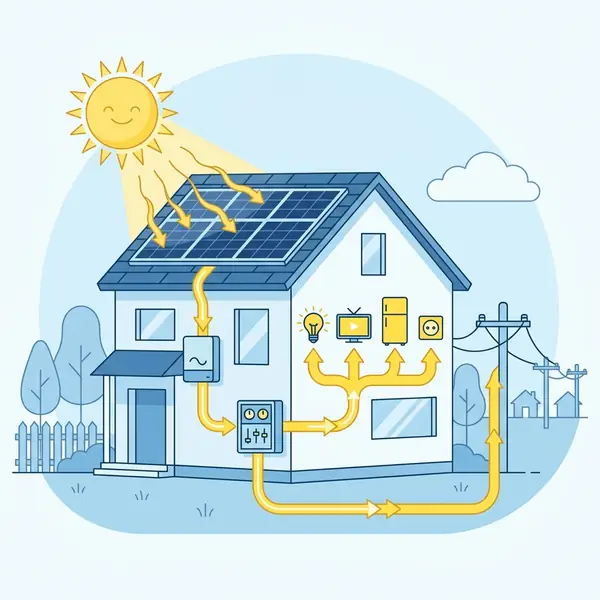
Conclusion: Choosing the Right Option
The choice between flexible and rigid solar panels (Market overview analysis) (Market overview analysis) depends on specific needs and installation conditions. Evaluating factors such as available space, required power output, and environmental conditions will guide the best decision.




