Are Wooden Keyboard Wrist Rests Ergonomic or Do They Cause Wrist Strain?

Wooden keyboard wrist rests can provide ergonomic benefits, but improper use may lead to wrist strain.
Understanding Ergonomics in Keyboard Usage
Ergonomics focuses on optimizing workspaces to reduce strain and enhance comfort. Proper wrist alignment is crucial for preventing injuries during extended typing sessions.
Performance of Wooden Wrist Rests
Wooden wrist rests can enhance typing performance by providing a stable surface. Their effectiveness largely depends on design and user habits.
Material Specifications and Their Impact
Wooden wrist rests are typically crafted from hardwoods like maple or walnut, which offer durability and aesthetic appeal. The choice of finish can also affect grip and comfort.
Design Considerations for Optimal Use
The design of a wrist rest should promote a neutral wrist position. Factors such as height and surface curvature play significant roles in comfort levels.
Brand Comparisons: Quality and Features
Brands like HyperX and Glorious PC Gaming Race offer high-quality wooden wrist rests with varying features. Comparing specifications can help in selecting the right product for individual needs.
| Brand | Material | Height (mm) | Finish | Price (USD) |
|---|---|---|---|---|
| HyperX | Maple | 30 | Natural | 29.99 |
| Glorious PC Gaming Race | Walnut | 25 | Stained | 35.00 |
| 3M | Bamboo | 28 | Natural | 24.99 |
DomineTec Tip: Regularly adjust wrist rests to maintain proper alignment and prevent strain during prolonged use.
- Choose a wrist rest that matches the height of your keyboard.
- Select materials that provide both comfort and durability.
- Ensure a neutral wrist position is maintained during typing.
- Take regular breaks to stretch and relieve tension.
- Evaluate your overall workspace ergonomics, including monitor height and chair support.
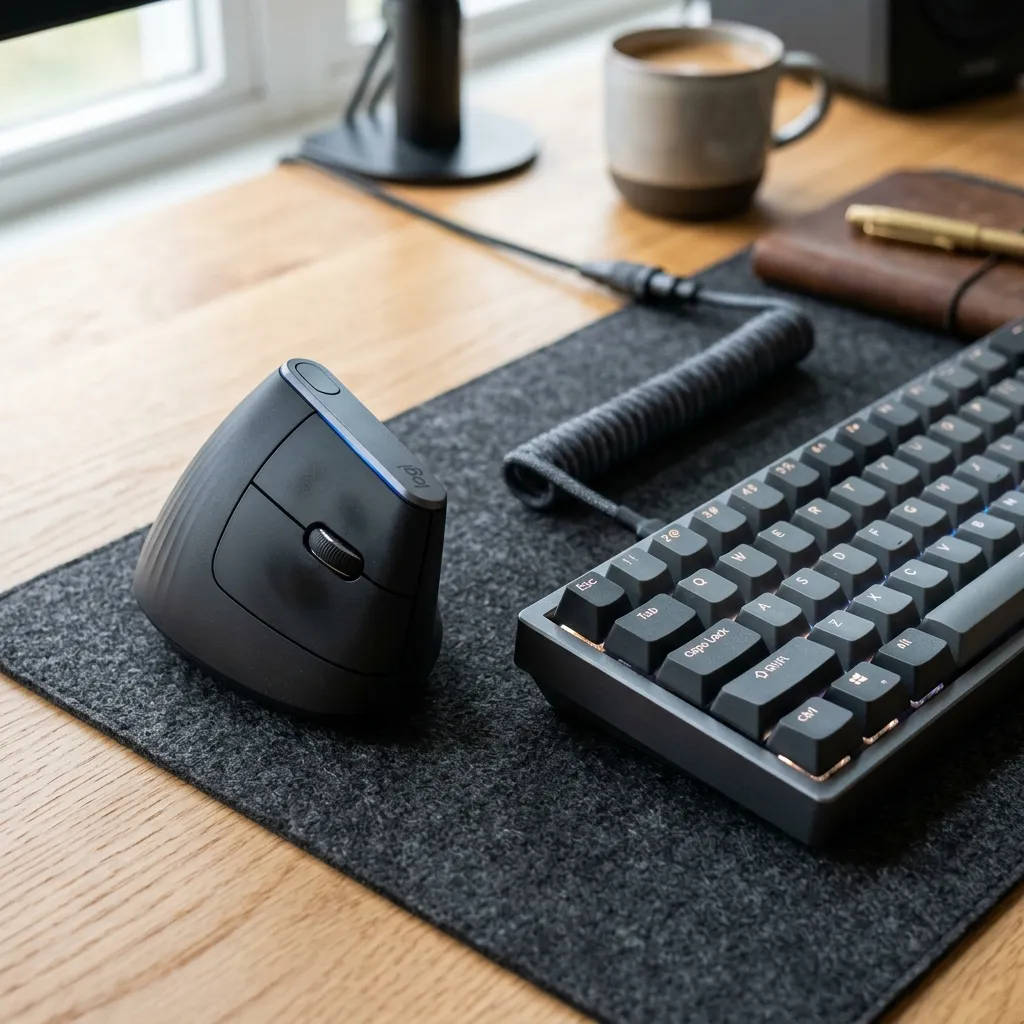

For additional ergonomic improvements, consider investing in an ergonomic office chair and adjusting your correct monitor height.
Comparative Analysis of Wrist Rest Heights
Wrist rest height plays a crucial role in determining comfort and ergonomics during typing. A wrist rest should align with the height of the keyboard to maintain a neutral wrist position.
If the wrist rest is too high, it can cause wrist extension, leading to strain. Conversely, a wrist rest that is too low may not provide adequate support, resulting in a lack of proper alignment.
Adjustable wrist rests are becoming increasingly popular, offering users the flexibility to customize height according to their specific needs, enhancing overall ergonomic benefits.
The Role of Surface Texture in Comfort and Grip
The surface texture of wooden wrist rests can significantly affect user experience and comfort. A smooth finish may feel comfortable initially but can lead to slippage during long typing sessions.
Textured surfaces can provide better grip and reduce movement, enhancing stability. However, overly rough textures may cause discomfort, necessitating a balance between grip and skin comfort.
Natural wood grains offer varying levels of texture, influencing user preference. The choice of finish, such as matte or glossy, can also impact the tactile experience.
Testing different textures can help users find the optimal balance that supports prolonged typing without causing hand fatigue.
Impact of Weight and Stability on User Experience
The weight of a wooden wrist rest can influence its stability during use. Heavier wrist rests tend to stay in place better, offering consistent support throughout the typing experience.
A lightweight wrist rest may shift more easily, disrupting typing flow and causing users to adjust their posture frequently. Stability should be prioritized to ensure comfort and reduce potential strain.
Manufacturers are increasingly considering weight distribution in their designs, aiming to create wrist rests that balance comfort and stability for optimal user satisfaction.
Long-term Health Implications of Wrist Rest Use
Understanding the long-term health implications of using wrist rests is essential for users who spend extended periods typing. Prolonged use of poorly designed wrist rests can contribute to repetitive strain injuries.
Inadequate support can lead to conditions such as carpal tunnel syndrome, tendinitis, and other musculoskeletal disorders. Proper ergonomics are crucial to mitigate these risks.
Regularly assessing the wrist rest’s effectiveness and being proactive about ergonomics can prevent long-term health issues. This includes incorporating breaks and adjusting typing posture.
Consulting with ergonomics professionals can provide personalized insights into wrist rest use and overall workstation setup, ensuring healthier typing practices.
User Reviews and Feedback Analysis
User reviews serve as a valuable resource for understanding the real-world performance of wooden wrist rests. Analyzing feedback can provide insights into common experiences and issues faced by users.
Many users highlight the aesthetic appeal of wooden wrist rests, noting that they add a natural touch to their workspace. However, feedback often reveals concerns regarding comfort and support.
Common themes in user reviews include the importance of proper height and surface texture in providing comfort during extended use. Users frequently recommend trying different models before making a purchase.
Engaging with user feedback can help prospective buyers make informed decisions and identify wrist rests that meet their specific ergonomic needs.
Environmental Considerations in Material Sourcing
As consumers become more environmentally conscious, the sourcing of materials for wooden wrist rests is increasingly scrutinized. Sustainable sourcing practices are essential for minimizing environmental impact.
Manufacturers that prioritize responsible harvesting of wood contribute to forest conservation and biodiversity. This is an important consideration for eco-conscious consumers.
The choice of finishes and adhesives used in wooden wrist rests can also impact environmental sustainability. Non-toxic and biodegradable materials are preferred for reducing ecological footprints.
Consumers should inquire about the sourcing and production practices of wrist rest manufacturers to ensure that they align with their environmental values.
Customization Options for Enhanced Personalization
Customization options are becoming more prevalent in the wrist rest market, allowing users to select features that cater to their unique preferences. Personalized sizing and engraving options are increasingly popular.
Some manufacturers offer modular designs, enabling users to adjust the shape or configuration of the wrist rest to suit their typing style. This level of personalization can significantly enhance comfort and usability.
Custom colors and finishes can also allow users to match their wrist rests with their overall workstation aesthetics, adding a personal touch to their setup.
Investing in a customizable wrist rest can achieve a tailored ergonomic solution that reflects individual needs and preferences, promoting a healthier typing experience.
Psychological Aspects of Ergonomic Comfort
Ergonomic comfort encompasses psychological factors that influence user satisfaction. Users often report feeling more engaged and productive when their workspace feels comfortable and tailored to their needs.
This psychological aspect can create a positive feedback loop, where enhanced comfort from using wooden wrist rests boosts overall performance and reduces perceived fatigue. Thus, the mental perception of ergonomics plays a crucial role in user experience.
Moreover, the aesthetic appeal of wooden wrist rests contributes to a more inviting workspace. Users often feel that a well-designed wooden wrist rest enhances not only comfort but also the overall aesthetic of their workstation, leading to increased satisfaction.
Understanding these psychological dimensions can help manufacturers design products that not only perform well but also resonate with users on a deeper level, promoting a holistic approach to ergonomic solutions.
Maintenance and Care for Wooden Wrist Rests
Proper maintenance of wooden wrist rests is essential for longevity and performance. Regular cleaning helps prevent the buildup of dirt and oils, which can affect the surface texture and overall comfort.
Users are advised to use a damp cloth for cleaning, avoiding harsh chemicals that could damage the wood finish. Periodic application of wood conditioner can help maintain the integrity of the material and prevent it from drying out.
Careful storage is also crucial; keeping the wrist rest away from direct sunlight or excessive moisture can prevent warping or discoloration. By following these maintenance tips, users can ensure that their wrist rests remain functional and visually appealing over time.
Ultimately, proper care maximizes the benefits of wooden wrist rests, making them a sustainable choice for ergonomic support in the long run.
Impact of User Habits on Wrist Strain
User habits significantly influence the effectiveness of wrist rests in preventing strain. Common practices, such as typing posture and hand positioning, can negate the benefits of ergonomic accessories if not addressed.
Typing with raised shoulders or bent wrists can lead to discomfort, regardless of whether a wrist rest is used. Therefore, it is essential for users to be mindful of their overall posture while typing to maximize the ergonomic benefits of wooden wrist rests.
Frequent breaks and stretching exercises can mitigate the risk of strain. Users should incorporate short intervals of rest to allow their wrists to recover, complementing the support provided by wrist rests.
Ultimately, awareness and adjustment of user habits are critical in creating a truly ergonomic setup that effectively reduces the risk of wrist strain.
Future Trends in Ergonomic Accessories
The future of ergonomic accessories, including wrist rests, is likely to be shaped by advances in technology and design innovations. Emerging materials, such as bio-based composites, may offer improved comfort and sustainability.
Smart wrist rests equipped with sensors could provide real-time feedback on typing posture, helping users make necessary adjustments to prevent strain. This integration of technology promises to enhance the user experience in unprecedented ways.
Customization options may become more prevalent, allowing users to tailor wrist rests to their specific needs and preferences. Such personalization could include adjustable height, firmness, and even temperature control features.
As ergonomic awareness continues to grow, manufacturers are expected to prioritize user-centric designs that not only address comfort but also adapt to the evolving needs of diverse user populations.
Influence of User Posture on Wrist Strain
User posture significantly affects the overall ergonomic experience during keyboard use. Proper alignment of the body, including the neck, shoulders, and wrists, plays a crucial role in minimizing strain and discomfort.
When seated correctly, the user’s elbows should be at a 90-degree angle, and wrists should remain neutral, reducing the risk of repetitive strain injuries. Incorrect posture, such as slouching or leaning forward, can lead to increased pressure on the wrists and forearms.
This misalignment can exacerbate the strain placed on the tendons and muscles, especially during prolonged typing sessions. Users should be mindful of their seating arrangements and adjust their chair heights and keyboard positions accordingly.
The angle of the keyboard can impact wrist strain. A flat keyboard may not allow for optimal wrist positioning, while an elevated angle can lead to awkward wrist bends. Users should consider the height of their wrist rests in relation to their keyboard to promote a more natural wrist alignment.
Incorporating regular breaks and stretching exercises into the work routine can further alleviate strain. Simple wrist stretches and changes in posture can help mitigate the impact of prolonged keyboard use, creating a healthier ergonomic environment.
The Role of Education in Ergonomic Practices
Education on ergonomics is essential for promoting healthy keyboard usage habits. Many users are unaware of the importance of proper posture, equipment selection, and the impact these factors have on their overall health.
Employers can play a pivotal role in this educational process. By providing training on ergonomic best practices, organizations can help prevent workplace injuries related to keyboard usage.
This includes guidance on selecting the right wrist rests, understanding the importance of customizable options, and encouraging regular breaks to enhance user comfort.
Furthermore, the inclusion of ergonomic assessments can aid in identifying potential issues within the workspace. These assessments can provide tailored recommendations for individual users, ensuring that their keyboard setup aligns with optimal ergonomic principles.
Ultimately, ongoing education and assessment can lead to greater awareness of wrist strain prevention techniques. As users become more knowledgeable about ergonomics, they are better equipped to make choices that enhance their comfort and productivity while minimizing the risk of injury.
Comparative Analysis of Wrist Rest Materials Beyond Wood
While wooden wrist rests have gained popularity, it is essential to consider alternative materials that may offer different ergonomic benefits. Materials such as gel, foam, and silicone are commonly used in wrist rests and can provide varying levels of support and comfort.
Gel wrist rests are often praised for their conforming capabilities, molding to the user's wrist for personalized support. This adaptability can reduce pressure points and distribute weight evenly, providing relief during long typing sessions.
Foam wrist rests offer a softer touch and are typically lighter than wood or gel options. Their compressible nature allows for a degree of customization, as they can adapt to the user’s wrist shape over time.
Silicone wrist rests combine the benefits of both softness and durability, offering a non-slip surface while maintaining a degree of flexibility. Understanding the pros and cons of these materials is crucial for users to make informed choices about their ergonomic needs.
Understanding the Role of User Education in Ergonomic Practices
User education plays a pivotal role in maximizing the benefits of ergonomic accessories such as wrist rests. Many users may not be aware of the significance of proper wrist positioning and the potential risks associated with poor habits.
Workshops and informational resources can provide insights into the proper setup of workstations, including the correct height for desks and chairs, as well as the optimal angle for keyboard use. Such education encourages users to be proactive about their posture.
Moreover, awareness of ergonomic tools available on the market can empower users to select products that best suit their individual needs. Knowledge about the specific features of wrist rests allows users to make thoughtful choices that enhance their comfort and productivity.
Ultimately, a well-informed user is better equipped to implement ergonomic practices effectively. Continuous education, whether through professional guidance or self-directed learning, is essential in fostering a culture of health and wellness in both home and office environments.
Frequently Asked Questions
Are wooden wrist rests better than foam ones?
Wooden wrist rests provide a firmer support compared to foam, which may enhance stability but could be less forgiving.
How should a wrist rest be positioned?
The wrist rest should be positioned so that the wrists remain straight and aligned with the keyboard during typing.
Can a wrist rest cause more strain?
If the wrist rest is too high or low, it can lead to improper alignment and increased strain on the wrists.
How often should wrist rests be replaced?
Wrist rests should be replaced when they show signs of wear or if they no longer provide adequate support.
Do all users need a wrist rest?
Not all users require a wrist rest; it depends on individual comfort and typing habits.