Do External Lumbar Support Cushions Actually Work to Fix Back Pain?
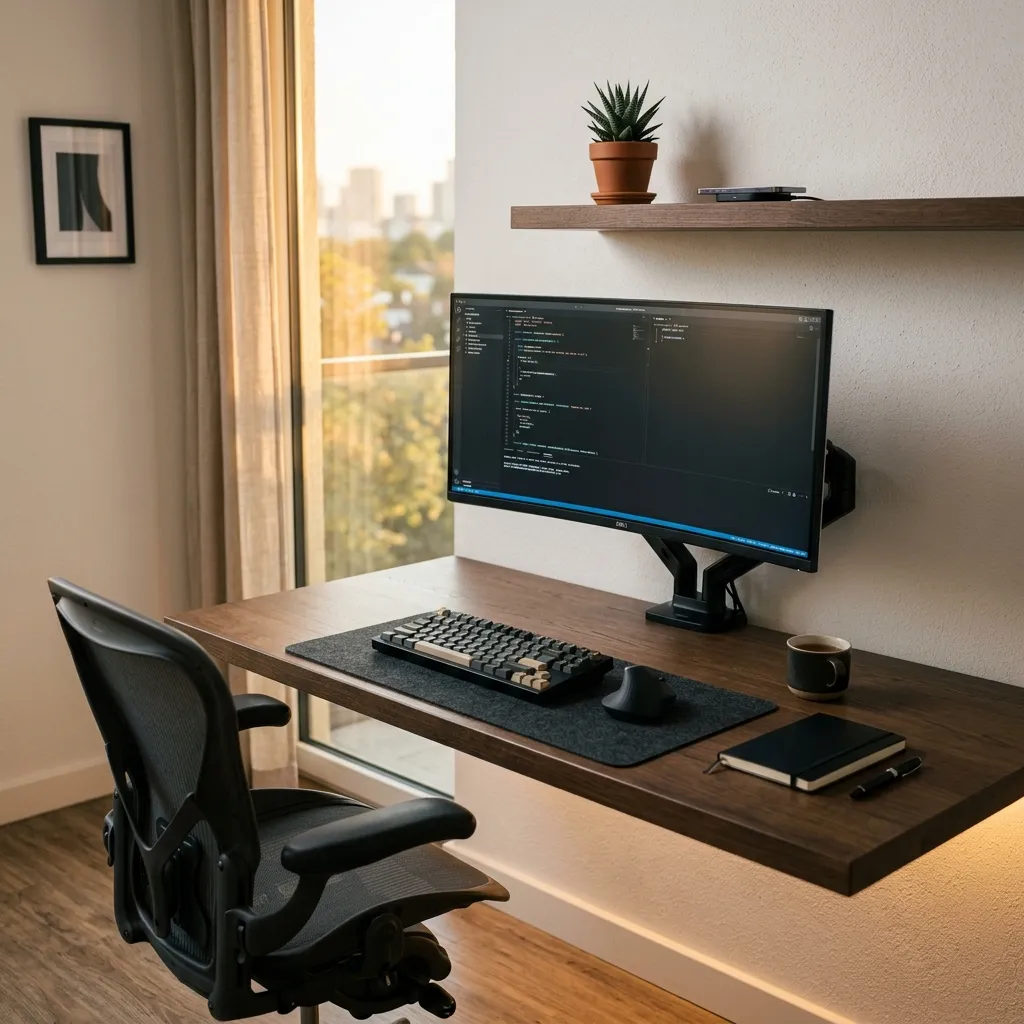
External lumbar support cushions can provide significant relief for back pain, but their effectiveness varies based on individual needs.
Understanding Lumbar Support and Its Importance
Lumbar support is designed to maintain the natural curve of the spine, reducing strain on the lower back. Proper lumbar support can alleviate discomfort during prolonged sitting.
Materials and Construction
Common materials for lumbar support cushions include memory foam, gel, and breathable mesh. Each material offers different levels of firmness, support, and temperature regulation.
Ergonomics of Lumbar Support Cushions
Ergonomic design focuses on promoting a healthy posture by supporting the lumbar region. Selecting a cushion with adjustable features can enhance comfort based on individual body shape and size.
Performance Metrics: Evaluating Effectiveness
Performance metrics include pressure distribution, spinal alignment, and user comfort over time. Testing various models can help identify which offers the best support for specific back issues.
Brand Comparisons: A Closer Look
Popular brands such as Everlasting Comfort, ComfiLife, and LoveHome offer lumbar cushions with varying specifications and user reviews. Evaluating these brands can provide insights into durability and user satisfaction.
| Brand | Material | Dimensions | Weight | Price Range | User Rating |
|---|---|---|---|---|---|
| Everlasting Comfort | Memory Foam | 17.5 x 13.5 x 4.5 in | 1.5 lbs | $30 - $50 | 4.5/5 |
| ComfiLife | Gel-Enhanced Foam | 18 x 15 x 4 in | 1.2 lbs | $25 - $45 | 4.4/5 |
| LoveHome | Memory Foam | 15 x 13 x 4.5 in | 1.3 lbs | $25 - $40 | 4.3/5 |
DomineTec Tip: Ensure the lumbar cushion aligns with the natural curve of the spine for optimal support and comfort.
- Measure the distance from the base of your spine to your sitting surface.
- Choose a cushion that matches this measurement for effective support.
- Test the cushion in different seating positions to find the most comfortable alignment.
- Consider using an ergonomic office chair alongside the cushion for enhanced support.
- Regularly assess posture and make adjustments as needed to maintain comfort.
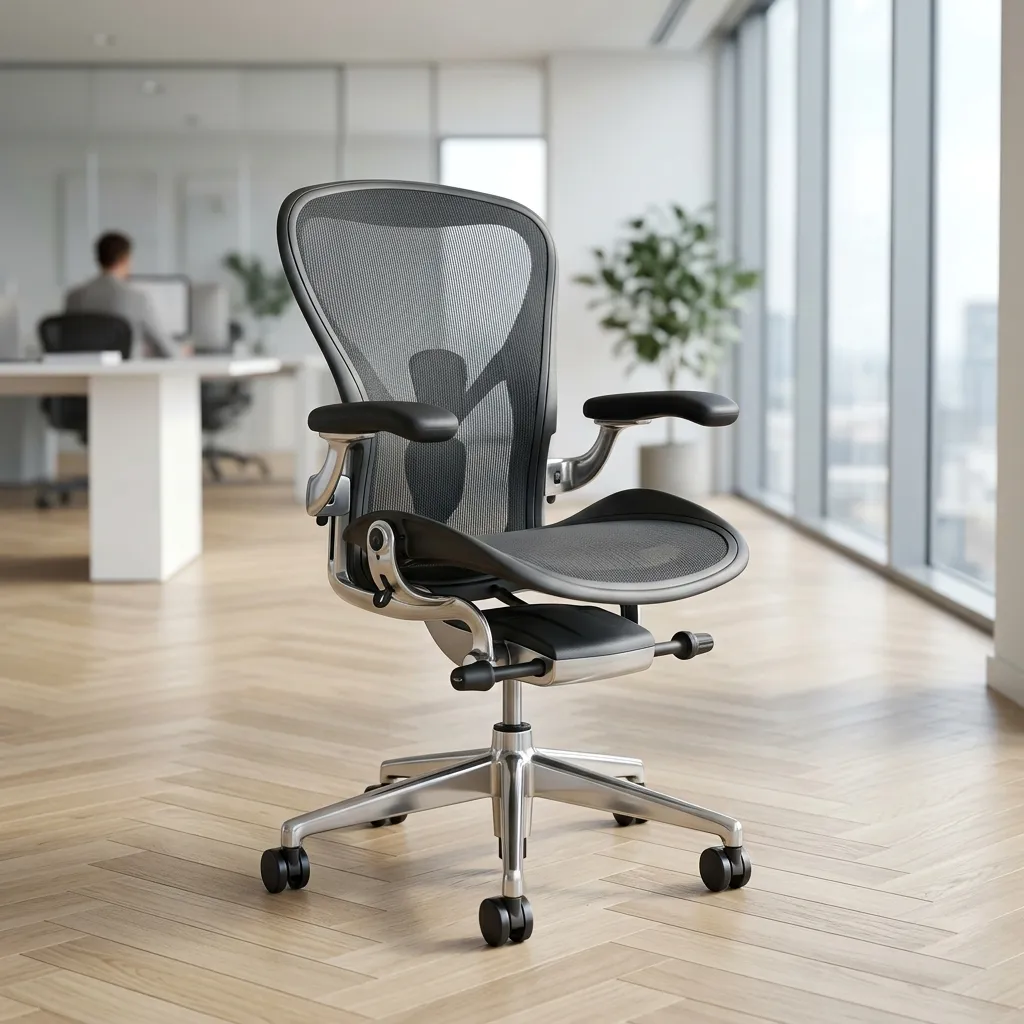
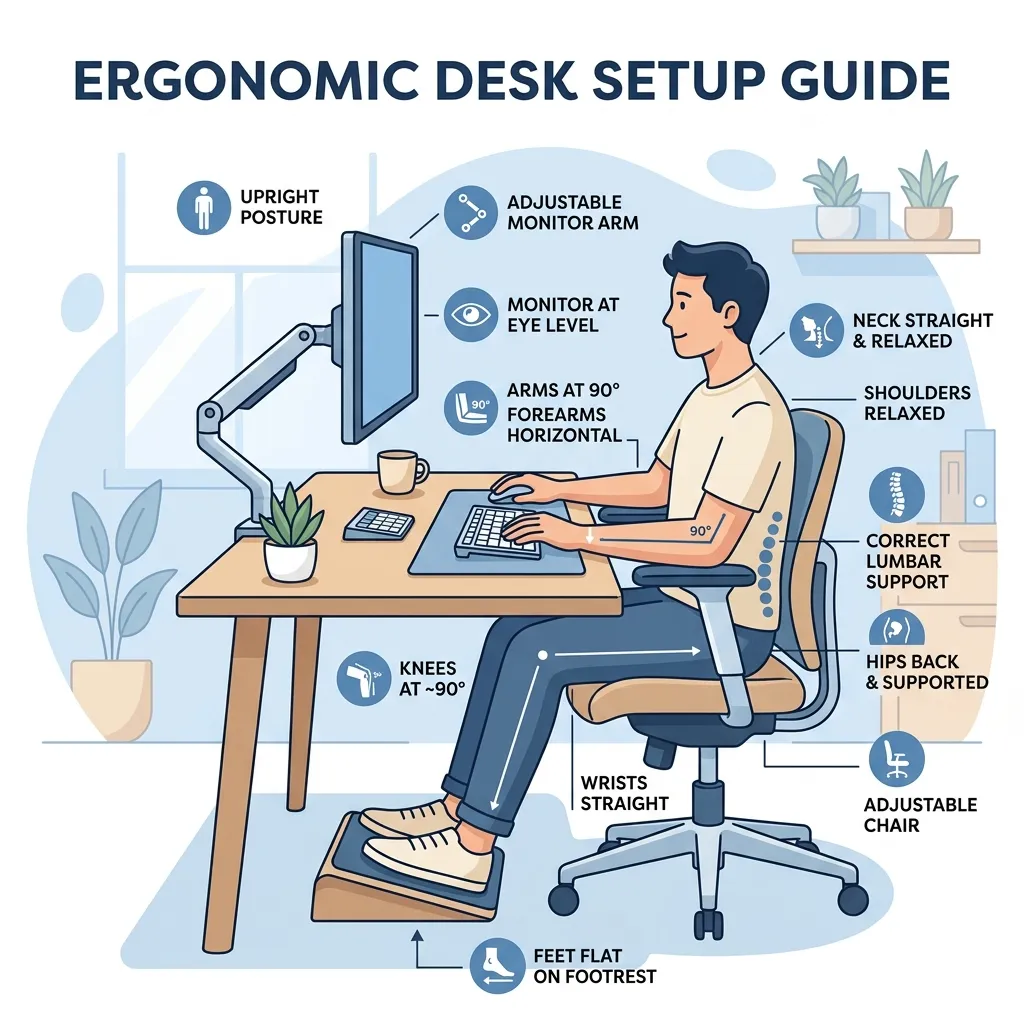
For more on maintaining proper posture, refer to our guides on correct monitor height and ergonomic office chair.
Scientific Research on Lumbar Support Cushions
Numerous studies have investigated the efficacy of lumbar support cushions in alleviating back pain. Research indicates that proper lumbar support can significantly reduce discomfort during prolonged sitting periods.
One study published in the Journal of Occupational Rehabilitation analyzed the impact of lumbar pillows on office workers. Results demonstrated that participants experienced a notable reduction in lower back pain after integrating lumbar support into their daily routines.
Additionally, a meta-analysis of multiple studies highlighted that lumbar support not only alleviates pain but also enhances overall productivity. Workers using ergonomic support showed improved focus and reduced fatigue.
Ongoing research continues to explore the long-term effects of lumbar support use. Understanding these outcomes will provide further insights into how these products can be integrated into preventive health strategies for individuals at risk of chronic back pain.
Common Misconceptions About Lumbar Support Cushions
Despite their popularity, several misconceptions surround the use of lumbar support cushions. One common belief is that all cushions provide the same level of support. In reality, the effectiveness of lumbar cushions can vary significantly based on design and material.
Another misconception is that lumbar supports are only beneficial for those with existing back pain. However, preventative use of these cushions can help maintain proper spinal alignment, potentially reducing the risk of future pain.
Some users also assume that lumbar support cushions are a one-size-fits-all solution. In truth, individual anatomy and sitting habits play crucial roles in determining the right type of support.
Finally, there is a belief that lumbar support cushions are a temporary fix. While they can provide immediate relief, consistent use combined with proper posture and ergonomic practices can lead to long-term benefits.
Integration of Lumbar Support in Different Settings
Lumbar support cushions can be integrated into various environments, enhancing comfort in both professional and recreational settings. In office environments, they can significantly improve posture for those who spend long hours at desks.
In vehicles, lumbar support is equally important, especially for long commutes. Drivers often experience discomfort due to prolonged sitting, and lumbar cushions can alleviate this issue.
Additionally, lumbar support can be beneficial in recreational settings, such as during travel or while attending events. Portable lumbar cushions provide comfort and support, making long periods of sitting more bearable.
Finally, the incorporation of lumbar support in home settings can enhance overall well-being. Whether on a couch, chair, or during leisure activities, these cushions promote healthy posture.
Long-Term Benefits of Using Lumbar Support Cushions
The long-term benefits of using lumbar support cushions extend beyond immediate pain relief. Regular use can lead to improved spinal alignment, which is crucial for overall musculoskeletal health.
Moreover, consistent use of lumbar support can enhance muscle strength and endurance. By promoting proper posture, these cushions encourage the engagement of core muscles, which play a key role in supporting the spine.
Users may also experience improved mobility as a result of reduced pain and better posture. Enhanced mobility can positively impact daily activities, contributing to overall physical health and well-being.
Finally, the psychological benefits of using lumbar support should not be overlooked. A comfortable seating arrangement can improve mood and productivity, leading to a more positive outlook.
Customization and Personalization of Lumbar Support
Customization is a key factor in the effectiveness of lumbar support cushions. Each individual's body structure and sitting habits necessitate tailored solutions to achieve optimal results.
Personalization can include adjustable features, such as varying levels of firmness or shape. Some cushions allow users to modify the support to better fit their unique spinal curves.
Additionally, users can select cushions based on their preferred materials, such as memory foam or gel. Different materials provide varying levels of support and comfort.
Finally, obtaining professional advice from healthcare providers can aid in selecting the right lumbar support. Physical therapists or ergonomists can assess individual needs and recommend suitable products.
Impact of Lifestyle Factors on Back Pain and Cushion Effectiveness
Lifestyle factors play a significant role in back pain management and the effectiveness of lumbar support cushions. Sedentary lifestyles can exacerbate back pain, making lumbar cushions a temporary relief but not a substitute for an active lifestyle.
Conversely, regular exercise and stretching can enhance the benefits derived from using lumbar supports. Engaging in physical activities strengthens core muscles and improves flexibility.
Furthermore, weight management is crucial in addressing back pain. Excess weight can put additional strain on the spine, making effective lumbar support even more essential.
Lastly, stress management is another lifestyle factor impacting back pain. High-stress levels can lead to muscle tension, exacerbating discomfort.
Psychological Impact of Back Pain and Support Cushions
Back pain can often lead to psychological distress, including anxiety and depression, which may exacerbate the perception of pain. Research indicates that individuals with chronic back pain frequently experience negative emotions that can hinder recovery.
Using lumbar support cushions may enhance comfort, thereby improving mood and reducing stress. A comfortable seating arrangement can foster a sense of control over one's pain experience.
Economic Considerations of Lumbar Support Cushions
Investing in lumbar support cushions can be viewed as a cost-effective strategy for managing back pain and improving productivity. Workplace injuries related to poor posture can lead to significant costs for both employees and employers.
By utilizing lumbar support cushions, organizations may reduce the incidence of back-related ailments, ultimately leading to lower healthcare costs and improved employee morale.
Additionally, the potential for increased productivity through reduced discomfort suggests that the initial investment in such cushions can yield significant returns in the long run.
Future Trends in Lumbar Support Technology
The development of technology-integrated lumbar support cushions is on the rise, promising enhanced functionality and personalized support. Innovations may include sensors that monitor posture and provide real-time feedback to users.
Moreover, advancements in materials science could lead to cushions that adapt dynamically to the user's movements, offering optimal support at all times.
As awareness of back pain issues continues to grow, the demand for smart lumbar support solutions is likely to increase, driving further research and development in this sector.
Integration of Lumbar Support Cushions in Workplace Environments
The modern workplace is often characterized by prolonged periods of sitting, which can exacerbate back pain issues. Incorporating lumbar support cushions into office settings has gained traction as a potential solution for mitigating discomfort.
Employers are increasingly recognizing the importance of investing in ergonomic furniture and accessories, including lumbar support cushions. Studies indicate that such investments can lead to a decrease in absenteeism and an increase in overall job satisfaction.
Training employees on the proper use of lumbar support cushions is essential to maximize their effectiveness. Workshops and informational sessions can equip staff with knowledge on how to adjust their seating positions and utilize cushions correctly.
Furthermore, integrating lumbar support cushions into workplace wellness programs can provide a holistic approach to back pain management.
The Role of Technology in Enhancing Lumbar Support Cushions
Advancements in technology are continually shaping the design and functionality of lumbar support cushions. Innovations such as smart fabrics and adjustable features are making these cushions more adaptable to individual user needs.
Smart lumbar support cushions equipped with sensors can monitor posture and provide real-time feedback to users. This data-driven approach allows individuals to make immediate adjustments.
Moreover, the integration of mobile applications with lumbar support cushions can facilitate personalized recommendations. Users can receive tailored advice based on their specific back pain profiles and daily activities.
The future of lumbar support technology holds significant promise, with ongoing research into materials that can adapt to body temperature and pressure.
Consumer Feedback and User Experiences
Consumer feedback plays a critical role in assessing the real-world effectiveness of lumbar support cushions. Many users report varying degrees of relief from back pain, which often depends on their specific conditions and daily activities.
User experiences often highlight the importance of proper fit and adjustment of these cushions. A cushion that is too firm or incorrectly positioned can lead to discomfort rather than alleviation of pain.
Moreover, the longevity of the cushion's effectiveness is often mentioned in user reviews. Many consumers express concern about the degradation of materials over time.
It is important for potential buyers to consider a wide range of user experiences, as individual results can greatly vary.
Expert Opinions and Recommendations
Experts in physical therapy and ergonomics often provide valuable insights into the use of lumbar support cushions. Many professionals advocate for the use of these cushions as a complementary tool rather than a standalone solution for chronic back pain.
Physical therapists frequently recommend consulting with a healthcare provider before investing in a lumbar support cushion. This ensures that the chosen cushion aligns with the user’s specific needs and health status.
Some specialists also highlight the advancements in technology and design that have improved lumbar support cushions over recent years. They note that cushions incorporating memory foam, adjustable features, and ergonomic designs can provide enhanced support.
Overall, expert recommendations often serve to guide consumers towards making educated choices that will maximize the benefits of lumbar support cushions.
Best Practices for Using Lumbar Support Cushions Effectively
To maximize the effectiveness of lumbar support cushions, proper positioning and usage are paramount. The cushion should be placed at the lower back to maintain the natural curve of the spine, ensuring that it supports the lumbar region without forcing the pelvis forward excessively.
It is essential to adjust the chair height so that feet rest flat on the floor, promoting an ergonomic posture. Additionally, the distance from the back of the chair to the desk should allow for relaxed shoulders and a straight back, thereby complementing the support provided by the cushion.
Regular adjustments may be necessary as various activities may require different seating positions. For instance, leaning forward while typing can alter the optimal position of the cushion, necessitating readjustment to maintain lumbar support.
Incorporating movement breaks into the routine can also enhance the benefits of lumbar support cushions. Standing up and stretching every 30 to 60 minutes can relieve muscle tension and prevent stiffness, which cushions alone cannot fully address.
Potential Limitations of Lumbar Support Cushions
Despite their benefits, lumbar support cushions may not be a panacea for all back pain issues. Individuals with severe spinal deformities or chronic pain conditions may require more specialized interventions beyond general lumbar support.
Furthermore, the effectiveness of these cushions can be influenced by individual body types and personal comfort preferences. Not all users will find the same level of relief from a single style or design, making it crucial to select a cushion that is tailored to one’s specific needs.
Some users may experience discomfort if the cushion is too firm or too soft, leading to additional strain rather than alleviation of pain. Therefore, it is advisable to test different models to identify the most suitable option for individual circumstances.
Lastly, reliance solely on lumbar support cushions may lead to neglect of other essential aspects of back health, such as core strengthening exercises and maintaining overall physical fitness. A holistic approach that includes physical therapy or regular exercise is often necessary for long-term relief from back pain.
Frequently Asked Questions
Can lumbar cushions help with sciatica pain?
Yes, they can alleviate pressure on the sciatic nerve by promoting better spinal alignment.
How long should a lumbar support cushion last?
Typically, high-quality cushions can last from 2 to 5 years, depending on usage and material.
Are there any risks associated with using lumbar cushions?
Improper use can lead to discomfort; selecting the right cushion is essential for maximum benefit.
What is the best position to use a lumbar support cushion?
A cushion should be positioned at the lower back, maintaining a natural curve while seated.
Are expensive lumbar cushions worth the investment?
Higher-priced cushions often feature advanced materials and ergonomic designs that can enhance comfort and durability.




