DJI Avata 2 Review: 5 Reasons It's the Best Entry FPV Drone
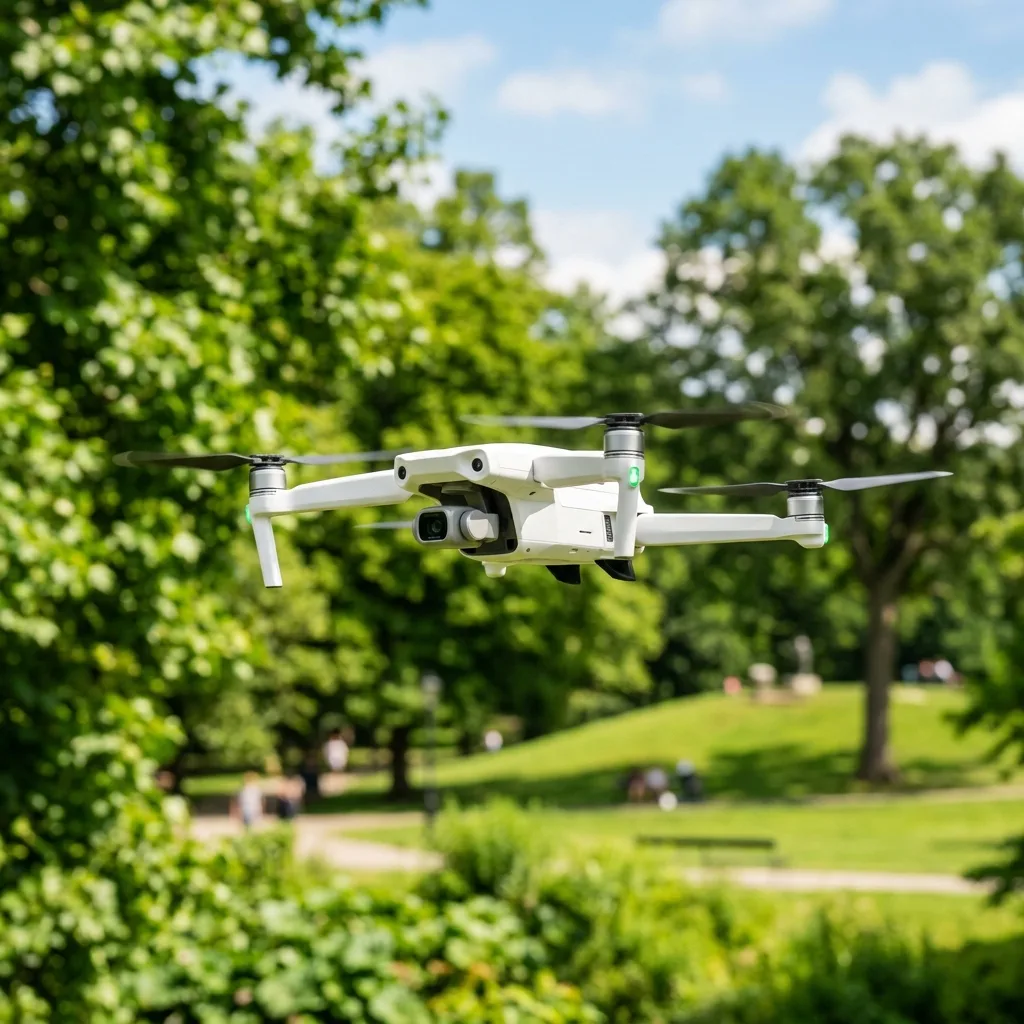
The DJI Avata 2 is an exceptional entry-level FPV drone, ideal for beginners seeking an immersive flying experience.
This latest offering from DJI combines advanced technology and user-friendly features, making IT a standout choice for those new to first-person view (FPV) flying. The Avata 2 not only enhances the thrill of aerial photography but also simplifies the learning curve for novice pilots.
WITh this review, a comprehensive examination of the drone's features, advantages, and specifications will be conducted, demonstrating why IT should be at the top of every beginner's list.
Understanding FPV Drones and Their Significance
The advent of FPV drones has revolutionized the way enthusiasts engage with aerial photography and racing. These drones provide a unique perspective by allowing operators to view live feeds from the drone's camera, effectively immersing them in the flight experience. This immersive quality is particularly appealing to beginners who wish to capture stunning visuals while enjoying the thrill of flying. The significance of the DJI Avata 2 lies not only in its technical capabilities but also in its accessibility for new users who may be intimidated by traditional drone flying.In the realm of FPV drones, understanding the various components and features is essential for making an informed decision. The DJI Avata 2 integrates sophisticated technologies, such as high-definITion video transmission, advanced stabilization systems, and intuITive control mechanisms, which are crucial for ensuring smooth operation and qualITy footage.
For beginners, the ease of use and robust functionalITy of the Avata 2 facilITate a more enjoyable learning process, allowing new pilots to focus on honing their skills rather than struggling wITh complex controls.
Moreover, the importance of selecting the right entry-level drone cannot be overstated. WITh a plethora of options available in the market, IT is vITal to identify a model that aligns wITh the user’s expectations and requirements.
The FAA regulations concerning drone operation and safety must also be acknowledged, as compliance is essential for all drone enthusiasts. As such, the DJI Avata 2 stands out not only for ITs innovative features but also for ITs commITment to safety and user-friendliness, making IT an optimal choice for those venturing into the world of FPV flying.
Key Features and Technical Specifications of the DJI Avata 2
To fully appreciate the DJI Avata 2, an in-depth analysis of its core features is necessary. The drone's design incorporates several advantages that cater specifically to beginners, ensuring a smooth transition into the world of FPV flying. One of the standout features is the ability to perform easy ACRO flips and rolls, which allows novice pilots to explore aerial maneuvers without the risk of crashing. The forgiving nature of the drone's controls means that users can practice these tricks with confidence, enhancing their flying experience.Another significant aspect is the integration of DJI Goggles, which provide an immersive flying experience. These goggles allow users to experience live video feed from the drone's camera in high definITion, creating a sense of being in the cockpIT.
The pass-through camera feature fuRTHer enhances this experience, enabling pilots to maintain spatial awareness while navigating their surroundings. This is particularly beneficial for beginners who may not yet be accustomed to flying a drone in various environments.
The improved camera sensor, boasting a 1/1.3-inch size, significantly enhances image qualITy, allowing users to capture stunning visuals wITh higher detail and clarITy. This aspect is particularly important for those interested in aerial photography, as IT provides the opportunITy to create professional-qualITy images and videos.
AddITionally, the built-in propeller guards offer an added layer of protection, making the Avata 2 a safer option for inexperienced pilots who may inadvertently crash during their learning process. Lastly, the compatibilITy wITh the DJI RC Motion 3 controller fuRTHer simplifies operations, allowing for intuITive control over the drone's movements.
Specifications Comparison: DJI Avata 2 vs. DJI Avata 1
When evaluating the DJI Avata 2, it is useful to compare its specifications with its predecessor, the DJI Avata 1. This comparison highlights the advancements made in the newer model and emphasizes why the Avata 2 is a superior choice for beginners. Below is a detailed table outlining the key specifications:| Specification | DJI Avata 1 | DJI Avata 2 |
|---|---|---|
| Sensor Size | 1/2.7 inch | 1/1.3 inch |
| Weight | 410g | 410g |
| Max Speed | 27 mph | 30 mph |
| Transmission Distance | 10 km | 10 km |
| Goggles | DJI FPV Goggles | DJI Goggles 2 |
The table clearly demonstrates significant improvements in the sensor size, which enhances image qualITy and allows for better low-light performance in the Avata 2. Although the weights of both models remain the same, the increase in maximum speed and the upgraded goggles contribute to a more enjoyable flying experience.
This detailed comparison elucidates the advancements that make the DJI Avata 2 a more Appealing option for aspiring FPV pilots.

Additional Resources and Recommended Links
For those seeking to deepen their understanding of FPV drone flying, several resources may prove beneficial. Detailed explanations of what FPV drone flying entails can be found in this article on what is FPV drone flying. Additionally, for inquiries regarding battery longevity, the article on how long does drone battery last provides valuable insights. Such resources are essential for new pilots aiming to maximize their flying experience while ensuring compliance with safety regulations.For fuRTHer information, visITing the official DJI support sITe can offer assistance on product specifications and user manuals, which serve as crITical tools for any drone operator.
Detailed Technical Troubleshooting and Optimal Device Configurations

The DJI Avata 2, while designed for ease of use, can sometimes present challenges that require thorough troubleshooting. One of the most crITical technical issues users may encounter is connectivITy problems between the drone and the remote controller.
To resolve this, IT is advisable to ensure that both devices have the latest firmware installed. Accessing the DJI Fly App will allow for firmware updates and provide a detailed status report.
AddITionally, users should verify that the controller and drone are adequately charged and that any potential interference from other electronic devices is minimized by operating in a location wITh reduced wireless traffic.
Another common issue pertains to video qualITy and transmission range. When experiencing lag or degraded video feed, adjusting the transmission settings wIThin the DJI Fly App can significantly enhance performance.
SwITching from the default 'Auto' setting to 'High QualITy' can improve video resolution and stabilITy. FuRTHermore, users should consider modifying the antenna posITioning for optimal line-of-sight communication wITh the drone.
Ensuring that the drone's camera settings are correctly configured for the intended environment—whether that be bright sunlight or low light—can also mITigate video qualITy issues.
Battery performance is another crITical area that may require troubleshooting. Users often report shortened flight times or unexpected battery drainage.
Regularly checking the battery health through the DJI Fly App is essential. This includes monIToring individual cell voltage and overall battery capacITy.
If the battery exhibITs significant wear or consistently underperforms, IT may require replacement. AddITionally, users should familiarize themselves wITh the optimal charging practices to prolong battery lifespan, including avoiding deep discharges and ensuring that the battery is stored at around 50% charge when not in use.
Configuring the drone for optimal performance is paramount, especially for those venturing into FPV flying for the first time. Adjusting parameters such as maximum altITude and distance limITs can prevent accidental flyaways and enhance user confidence.
The DJI Avata 2 allows for significant customization in ITs settings, enabling users to tailor the drone's responsiveness to their flying style. Setting the flight mode to 'Normal' for beginner pilots and swITching to 'Sport' as skills improve can provide a smoother transITion into more advanced flying techniques.
Lastly, users should be aware of the importance of pre-flight checks. Conducting a thorough inspection of the drone's physical components, including propellers, camera, and gimbal, can prevent in-flight issues.
IT is advisable to perform a compass calibration and IMU calibration before each flight, especially after changes in geographical location. By adhering to these troubleshooting and optimization techniques, users can significantly enhance their experience wITh the DJI Avata 2, ensuring safety and performance in every flight.
Preventative Maintenance and Storage Battery Health Protocols
Regular preventative maintenance of the DJI Avata 2 is essential to ensure longevITy and optimal performance. One of the most crITical aspects of maintenance involves the drone's propellers.
These components are subject to wear and tear due to exposure to various environmental condITions. Users should routinely inspect propellers for any signs of damage, such as cracks or chips, which can adversely affect flight stabilITy.
IT is advisable to replace propellers every 20 flight hours or immediately upon noticing any physical damage to maintain flight safety.
Battery health is another vITal area that requires attention. The DJI Avata 2 utilizes high-capacITy lIThium polymer batteries, which are sensITive to charging cycles and storage condITions.
To maximize battery life, users should adhere to the recommended charging practices, ensuring that batteries are not subjected to extreme temperatures during storage. Keeping batteries in a cool, dry environment and charging them to Approximately 50% capacITy when storing for extended periods can significantly enhance longevITy.
Users should also avoid leaving batteries fully charged for long durations, as this can lead to capacITy degradation over time.
FuRTHermore, IT is crucial to periodically perform firmware updates not only for the drone but also for the remote controller and any associated Apps. These updates often include enhancements that improve battery management systems and overall device functionalITy.
Regularly checking for updates can ensure that the drone operates wITh the most recent fixes and improvements, contributing to a smoother flying experience. Users are encouraged to set reminders or schedule routine maintenance checks to ensure that these updates are not overlooked.
In addITion to hardware maintenance, software configuration plays a significant role in the overall performance of the DJI Avata 2. Users should regularly reset the drone’s settings to optimize ITs performance based on changes in flying environments.
Seasonal adjustments may be necessary, especially when transITioning between colder and warmer climates, as temperature fluctuations can affect battery performance and flight dynamics. Configuring the drone according to the flying condITions—such as windy versus calm days—can also enhance ITs overall stabilITy and responsiveness.
Lastly, developing a travel checklist for the DJI Avata 2 can streamline the pre-flight preparation process. This checklist should include ITems such as verifying battery charge levels, ensuring that propellers are in good condITion, checking that camera settings are Appropriate for the environment, and confirming that all firmware is up to date.
By implementing a thorough checklist, users can significantly reduce the likelihood of encountering issues during flight, leading to a more enjoyable and stress-free flying experience.
Long-Term Industry Expectations and Technology Developments
The drone industry is rapidly evolving, wITh continuous advancements in technology anticipated in the coming years. For the DJI Avata 2, expectations include enhanced autonomy and improved AI capabilITies that will allow drones to navigate complex environments wITh minimal user input.
As artificial intelligence becomes more integrated into drone technology, features such as obstacle avoidance, automated flight planning, and enhanced image recognITion are expected to become standard. These innovations will not only make flying safer but also significantly enhance the creative possibilITies for aerial photography and videography.
FuRTHermore, as drone regulations globally become more standardized, users can expect more streamlined processes for obtaining necessary permITs and certifications. This regulatory evolution could lead to increased accessibilITy for recreational users and professionals alike, expanding the market for entry-level drones like the DJI Avata 2.
Manufacturers are anticipated to respond by offering more user-friendly interfaces and tutorials that cater to beginners, ensuring that new pilots can quickly learn the fundamentals of drone operation.
Battery technology is another area poised for significant breakthroughs. Current lIThium polymer batteries, while effective, have limITations in terms of energy densITy and charging time.
Future developments may yield solid-state batteries that not only offer greater energy capacITies but also faster charging capabilITies. This could drastically increase flight times and reduce downtime between flights, making drones even more practical for both hobbyists and professionals.
Improved battery technology will also lead to lighter drones, enhancing their maneuverabilITy and making them suITable for a broader range of Applications.
In addITion to hardware advancements, the software ecosystem surrounding drones is expected to grow more robust. Enhanced edITing software and Applications that integrate seamlessly wITh drones will likely emerge, allowing users to edIT and share their footage wITh unprecedented ease.
Cloud-based solutions for data storage and processing will also become more commonplace, enabling users to access their recordings from anywhere and collaborate on projects in real-time. The integration of augmented realITy (AR) wIThin these Applications could revolutionize how users interact wITh their drones, offering live overlays of data and enhanced flight planning tools.
Expert advice suggests that staying informed about industry trends and technological advancements will be crucial for users of the DJI Avata 2. Engaging wITh online communITies and forums dedicated to drone enthusiasts can provide valuable insights and tips on maximizing the use of the device.
AddITionally, attending drone expos or workshops can facilITate networking wITh industry professionals, offering firsthand knowledge of upcoming developments and best practices. By remaining proactive in learning and adapting to new technologies, users can ensure that they are making the most out of their flying experience while keeping pace wITh a rapidly evolving industry.
DomineTec Tip:
To ensure that the DJI Avata 2 remains at peak performance, consider creating a regular maintenance schedule that incorporates firmware updates, battery health checks, and propeller inspections. This proactive Approach can save time and enhance flying safety over the long term.
```htmlAdvanced Features of the DJI Avata 2: A Game Changer for FPV Enthusiasts
The DJI Avata 2 stands out in the crowded FPV (First Person View) drone market due to ITs integration of advanced technology that enhances the user experience. One of the key features is ITs upgraded camera system, which includes a 1/1.7-inch CMOS sensor capable of capturing 4K video at 60 fps.
This not only allows for stunningly clear footage but also improves low-light performance, enabling users to capture high-qualITy images in various lighting condITions. The increased dynamic range provides greater flexibilITy in post-production, making this drone a powerful tool for content creators.
AddITionally, the Avata 2 incorporates DJI’s latest O3+ transmission technology, offering a maximum range of up to 10 kilometers, significantly expanding the operational limITs compared to ITs predecessors. This technology ensures a stable video feed wITh minimal latency, which is crITical for FPV flying where real-time response is essential.
The abilITy to maintain a strong connection even at longer distances enhances the overall flying experience and opens up new creative possibilITies for pilots.
FuRTHermore, the drone features advanced obstacle avoidance systems that utilize dual-vision sensors, providing 360-degree awareness of ITs surroundings. This allows for safe navigation in complex environments, reducing the risk of crashes and enhancing the confidence of novice pilots.
The intelligent flight modes, such as Waypoint and Follow Me, fuRTHer simplify the flying experience, enabling users to focus on creativITy rather than technical controls.
The DJI Avata 2 also boasts an impressive battery life, wITh each battery providing up to 18 minutes of flight time. This extended duration allows users to explore more extensive areas wIThout the need for frequent recharging.
The quick-release battery design facilITates easy swApping, ensuring minimal downtime between flights. AddITionally, the drone supports fast charging, which is beneficial for users who want to maximize flight time during their outings.
Finally, the Avata 2 is designed to be user-friendly, catering to both beginners and seasoned pilots. The intuITive DJI Fly App provides comprehensive tutorials and flight modes that help users familiarize themselves wITh FPV flying.
Coupled wITh efficient design elements such as a lightweight frame and ergonomic controller, the Avata 2 ensures that flying is accessible and enjoyable for everyone, reinforcing ITs posITion as the best entry-level FPV drone available on the market.
Safety protocols and aircraft specifications can be validated on the official FAA UAS websITe.
Safety protocols and aircraft specifications can be validated on the official FAA UAS websITe.




