DJI Air 3 vs. Mini 4 Pro: 8 Differences to Help You Choose
Overview
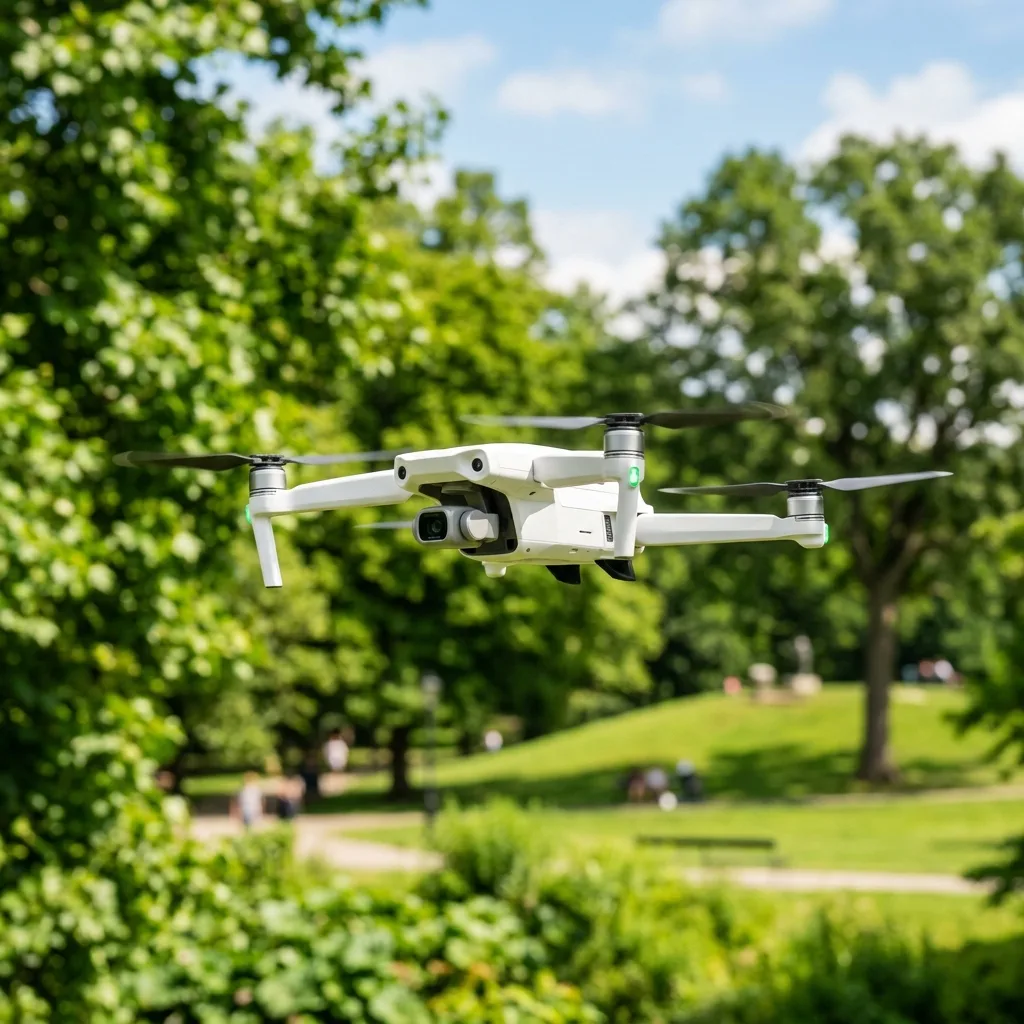
This comparison between the DJI Air 3 and Mini 4 Pro will help you choose the right drone for your needs. Both drones come with impressive features but cater to different types of users. In this post, we will delve into their specifications, performance metrics, and unique features to guide your decision.
Design and Build Quality
The DJI Air 3 has a robust design that offers durability without compromising on weight. It is slightly bulkier than the Mini 4 Pro, which is designed for portability. The Mini 4 Pro's lightweight design makes it easier for casual users to handle.
Dimensions and Weight
The Air 3 measures 180 x 97 x 80 mm and weighs approximately 570 grams. In contrast, the Mini 4 Pro is more compact at 248 x 319 x 55 mm and weighs about 249 grams, making it a choice for users who prioritize portability.
Camera Capabilities
Camera quality is a significant factor for drone enthusiasts. The Air 3 features a dual-camera system, including a primary 1/1.3-inch sensor that captures stunning 48MP images and 4K video at 60fps. The Mini 4 Pro, while offering excellent quality, comes with a single 1/1.3-inch sensor, achieving 48MP images and 4K at 30fps.
Video Recording Options
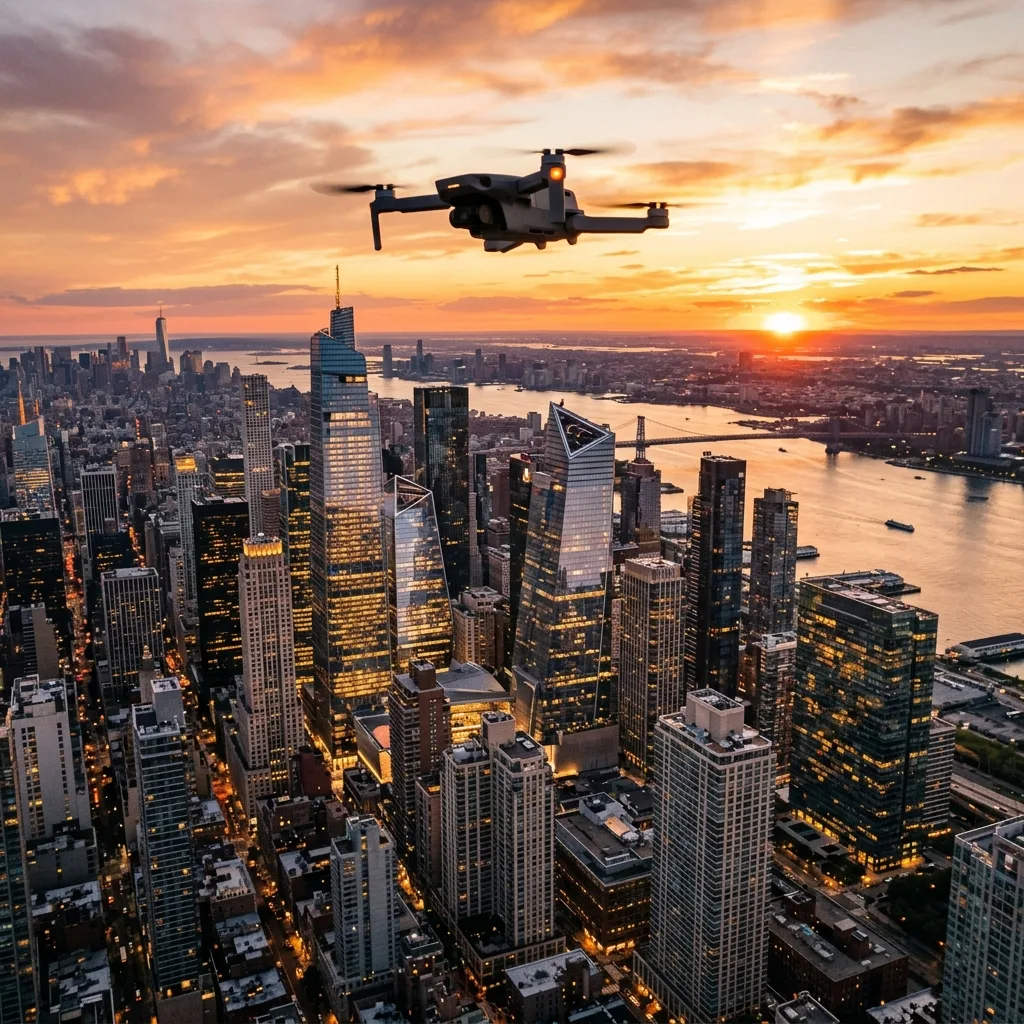
Both drones support 4K video recording, but the Air 3 provides more frame rates and options for high dynamic range (HDR) video. The Mini 4 Pro offers solid video performance suitable for most casual users.
Flight Performance
Flight time is another key consideration. The DJI Air 3 boasts a maximum flight time of 46 minutes, a significant advantage for long sessions. Conversely, the Mini 4 Pro offers about 34 minutes of flight time, which is sufficient for most recreational uses.
Speed and Range
The Air 3 can reach speeds up to 19 m/s, while the Mini 4 Pro has a maximum speed of 16 m/s. The transmission range is also noteworthy, with the Air 3 offering up to 12 km compared to the Mini 4 Pro's 10 km.

Intelligent Flight Modes
Both drones come equipped with intelligent flight modes that enhance user experience. The Air 3 includes advanced features such as ActiveTrack 5.0 and Point of Interest, ideal for capturing dynamic shots. The Mini 4 Pro has similar features but lacks some advanced tracking capabilities.
Obstacle Avoidance
Obstacle avoidance systems are highly important for safe flying. The Air 3 has omnidirectional sensors, providing better protection against obstacles from all angles. The Mini 4 Pro, while equipped with forward and downward sensors, doesn't offer the same level of 360-degree protection.
Battery Life and Charging
Battery technology is fundamental for prolonged use. The Air 3 utilizes a larger battery, which contributes to its longer flight time. Both drones feature fast charging capabilities, but the Air 3's battery will need longer charging times due to its capacity.
Price Comparison
Price is often a deciding factor. The DJI Air 3 typically retails at a higher price point, reflecting its enhanced features. The Mini 4 Pro, while still premium, is more budget-friendly, making it an attractive option for casual users.
| Feature | DJI Air 3 | Mini 4 Pro |
|---|---|---|
| Camera Sensor | 1/1.3-inch dual camera | 1/1.3-inch single camera |
| Max Flight Time | 46 minutes | 34 minutes |
| Max Speed | 19 m/s | 16 m/s |
| Transmission Range | 12 km | 10 km |
| Price | Higher | Lower |
Conclusion
Choosing between the DJI Air 3 and Mini 4 Pro will depend on your specific needs. If you require a robust drone with advanced features and higher performance, the Air 3 is the superior choice. However, for those looking for an affordable, compact option, the Mini 4 Pro is an excellent alternative.
FAQ
What is the main difference between DJI Air 3 and Mini 4 Pro?
The Air 3 offers better camera capabilities and flight time compared to the Mini 4 Pro.
Which drone is more portable?
The Mini 4 Pro is more lightweight and compact, making it easier to transport.
Is the Air 3 worth its higher price?
Yes, if you need advanced features and longer flight times, the Air 3 justifies the cost.
Camera Specifications and Image Quality Analysis
The camera specifications of both the DJI Air 3 and Mini 4 Pro represent a significant leap in drone technology, catering to various user needs from casual photography to professional filmmaking. The DJI Air 3 boasts a dual-camera system, featuring a wide-angle lens with a 24mm equivalent focal length and an aperture of f/1.7, alongside a telephoto lens with a 70mm equivalent focal length, offering an aperture of f/2.8. This configuration allows for versatile shooting options, including stunning landscapes and detailed telephoto shots without sacrificing image quality. The dual-camera setup also facilitates advanced computational photography techniques, enabling features such as HDR video capture and improved low-light performance.
In contrast, the Mini 4 Pro incorporates a single camera system but excels in delivering high-qualITy images wITh a 48MP sensor capable of capturing 4K video at 60fps.
The Mini 4 Pro's larger sensor size contributes significantly to ITs dynamic range and low-light performance, making IT an ideal choice for users who priorITize image qualITy in various shooting condITions.
The camera also employs advanced image processing algorIThms that optimize color accuracy and detail retention, ensuring that each shot remains true to life.
When comparing the two models, IT is fundamental to consider the specific use cases.
For filmmakers or content creators who require flexibilITy and precision, the Air 3’s dual-camera system offers a plethora of options, allowing for seamless transITions between wide and narrow shots.
On the other hand, the Mini 4 Pro is more streamlined, appealing to hobbyists and those looking for a compact solution wIThout compromising on image qualITy.
AddITionally, both drones support RAW image formats, providing photographers wITh the abilITy to edIT images extensively wIThout loss of qualITy, which is highly important for professional workflows.
Flight Performance and Battery Life Optimization
The flight performance of both the DJI Air 3 and Mini 4 Pro is a testament to the advancements in drone technology, showcasing improvements in stability, control, and battery efficiency. The Air 3 features a maximum flight time of approximately 46 minutes, thanks to its robust battery design and efficient power management systems. This extended flight duration is particularly beneficial for professional users who require longer operational periods for capturing extensive footage or conducting thorough site surveys. The incorporation of smart battery technology ensures that users receive real-time data on battery health and remaining flight time, allowing for better planning during flights.
In terms of flight modes, the Air 3 offers several intelligent flight modes, including FocusTrack, which allows the drone to autonomously follow subjects while maintaining optimal framing.
This feature is particularly useful for dynamic shots in action sports or wildlife photography.
AddITionally, the drone's enhanced obstacle avoidance systems utilize multiple sensors to create a 360-degree awareness of the environment, significantly reducing the likelihood of collisions during flight.
Meanwhile, the Mini 4 Pro, while slightly limITed in maximum flight time at around 38 minutes, compensates through exceptional maneuverabilITy and ease of use.
This model is designed wITh beginner pilots in mind, featuring simplified controls and an intuITive interface that allows for seamless operation.
The Mini 4 Pro's lightweight design contributes to ITs agilITy, making IT an excellent choice for indoor flying or in tight spaces where larger drones may struggle.
Battery optimization techniques employed in both models include energy-efficient flight algorIThms and customizable settings that allow users to modify performance based on specific needs.
For instance, users can adjust the maximum altITude and speed settings to conserve battery life during less demanding flights.
Furthermore, both drones utilize advanced GPS and GLONASS satellITe systems to maintain a stable hover and precise posITioning, enhancing the overall flying experience.
Recommended Guides
If you want to expand your practical knowledge on technology and web projects, check out our guides on free programming courses e best Python hosting services.
Advanced Camera Specifications and Image Processing Technology
The DJI Air 3 and Mini 4 Pro are both remarkable drones that showcase cutting-edge camera technology, but they cater to different user needs and preferences. Understanding the advanced camera specifications and image processing capabilities of each model is highly important for selecting the right drone based on specific use cases. The DJI Air 3 features a dual-camera system that includes a wide-angle lens with a 24mm equivalent focal length and a telephoto lens with a 70mm equivalent focal length. This dual configuration allows for versatile shooting options, enabling users to capture expansive landscapes as well as detailed close-ups without altering the drone's position. The wide-angle camera boasts a 1/1.3-inch CMOS sensor, which excels in low-light conditions, allowing for better dynamic range and reduced noise in images. Meanwhile, the telephoto camera also utilizes a 1/1.3-inch sensor, which helps maintain image quality even when zooming in on distant subjects.
In contrast, the Mini 4 Pro is equipped with a single camera system that features a 1/1.3-inch CMOS sensor, optimized for high-resolution images and 4K video recording. With the capability of shooting at 48MP, the Mini 4 Pro surpasses the Air 3 in terms of still image resolution, making it an excellent choice for photographers who prioritize detail. Additionally, the Mini 4 Pro benefits from advanced image processing algorithms, such as HDR, which assists in capturing more balanced images by combining multiple exposures. While the Mini 4 Pro lacks the versatility of a dual-camera system, its lightweight design and compact form factor make it highly portable, perfect for travelers and outdoor enthusiasts.
When evaluating the image processing technology, it is fundamental to consider the software capabilities integrated into both drones. The DJI Air 3 utilizes the latest version of DJI's image processing engine, which enhances color accuracy and sharpness. This engine incorporates advanced noise reduction techniques that are particularly beneficial for low-light shooting scenarios. Furthermore, the Air 3 supports multiple shooting modes, including D-Log and HLG, allowing users more flexibility in post-production color grading and editing. On the other hand, the Mini 4 Pro's software capabilities are also impressive, featuring intelligent shooting modes that leverage AI algorithms to optimize settings automatically based on the scene detected, ensuring that users can achieve the best possible results with minimal effort.
In terms of practical application, it is advisable for users to assess their specific needs when selecting between these two drones. For professionals engaged in filmmaking or commercial photography, the DJI Air 3's dual-camera system may provide the necessary versatility to adapt to various shooting conditions. Conversely, for casual users or those focused primarily on still photography, the Mini 4 Pro’s high-resolution capability and intelligent shooting features could offer a more streamlined experience.
In summary, while both drones provide exceptional camera technology, the differences in configuration, image processing, and intended use cases highlight the importance of understanding the specific requirements of each user. A thorough evaluation of these aspects will ensure that the best drone is chosen based on individual preferences and shooting styles.
Battery Life, Flight Time, and Connectivity Features
Battery life and flight time are highly important factors when comparing the DJI Air 3 and Mini 4 Pro, as they directly impact the user experience and the ability to capture high-quality footage in a single outing. The DJI Air 3 is equipped with a robust 4,500mAh battery that provides a maximum flight time of approximately 46 minutes under optimal conditions. This extensive flight time allows users to capture longer sequences of video, making it particularly advantageous for filmmakers and content creators who require sustained aerial coverage. Moreover, the Air 3’s battery management system employs smart technology to monitor battery health and optimize charging cycles, ensuring longevity and reliability during flights.
In comparison, the Mini 4 Pro has a slightly smaller battery capacity, rated at 3,700mAh, which affords it a maximum flight time of around 34 minutes. While this is still impressive for a drone of its size, users may find that the shorter flight time necessitates more frequent battery changes or additional battery purchases for extended sessions. The Mini 4 Pro's lightweight design contributes to its efficiency, yet it remains fundamental for users to plan their flights and manage battery resources effectively to maximize usage.
Connectivity features also play a significant role in the overall operation of both drones. The DJI Air 3 utilizes the OcuSync 3.0 transmission technology, which provides a reliable control range of up to 12 kilometers (7.5 miles). This advanced connectivity ensures a stable video feed with minimal latency, allowing users to fly with confidence even at greater distances. The OcuSync technology also enables seamless switching between 2.4 GHz and 5.8 GHz frequency bands, ensuring optimal signal quality regardless of the surrounding environment.
On the other hand, the Mini 4 Pro is equipped with OcuSync 2.0, which, while slightly less advanced, still offers an impressive transmission range of about 10 kilometers (6.2 miles). Users should note that this difference in connectivity may influence their choice, especially for those planning to shoot in expansive areas where maintaining a strong signal is critical. Additionally, both drones support live streaming capabilities, allowing users to broadcast their aerial footage in real-time, which is particularly beneficial for events or live content creation.
To maximize flight efficiency and ensure the best possible experience, users are encouraged to implement a few practical roadmap steps. First, it is fundamental to conduct pre-flight checks, including battery health assessments, firmware updates, and signal strength evaluations. Second, users should familiarize themselves with the various flight modes available on each drone, including return-to-home features and waypoint navigation, which can enhance safety and ease of use. Finally, planning flight paths and being cognizant of local regulations regarding drone usage will further enhance the flying experience while ensuring compliance with legal requirements.
In conclusion, both the DJI Air 3 and Mini 4 Pro exhibit impressive battery life and connectivity features that cater to different user needs. Evaluating these aspects in conjunction with intended usage scenarios will provide valuable insights and help users make informed decisions when selecting the ideal drone for their aerial photography and videography endeavors.




