Introduction
Deye solar inverters are excellent for residential use, offering robust build quality, high efficiency, and outstanding hybrid battery support. Choosing and installing the right system ensures energy independence and long-term utility bill reductions.
Deye solar inverters have emerged as reliable solutions for homeowners seeking to harness solar energy efficiently. As the demand for renewable energy solutions grows, the importance of selecting the right solar inverter becomes paramount. This article will delve into the technology and operation of Deye solar inverters, compare various models, discuss their advantages and disadvantages, and evaluate installation, regulations, and costs.
Finally, we will summarize whether investing in a Deye solar inverter is worthwhile.
To complement your knowledge on solar energy applications, see our guide on the best solar power banks for camping.
Technology and Detailed Operation
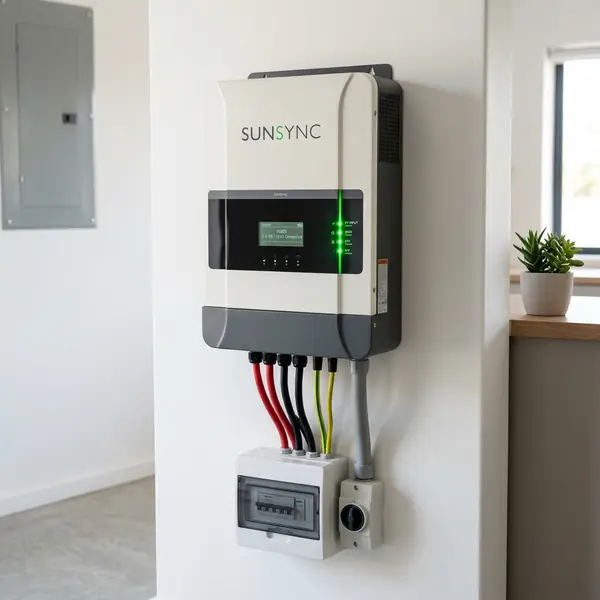
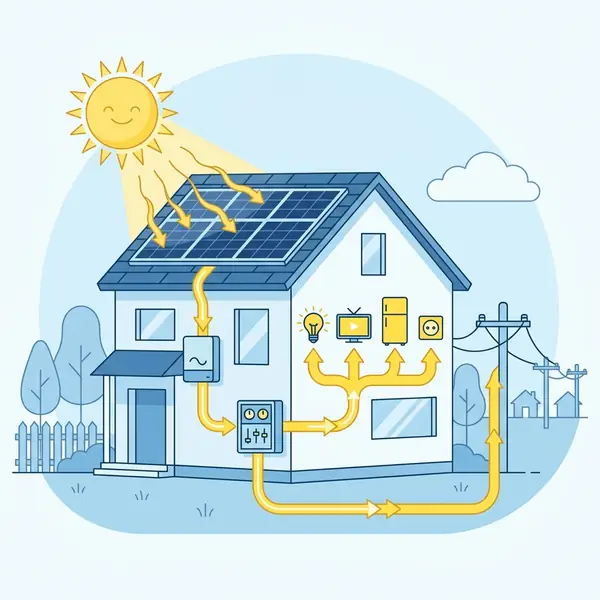
Deye solar inverters utilize advanced technology to ensure efficient conversion of solar energy into usable electricity. These inverters are designed to convert the direct current (DC) generated by solar panels into alternating current (AC), suitable for household consumption.
The operation of Deye inverters is based on two main principles: Maximum Power Point Tracking (MPPT) and high-frequency transformation. MPPT ensures that the inverter operates at the optimal point of the solar panel's voltage-current curve, which can vary due to factors such as temperature and sunlight intensity.
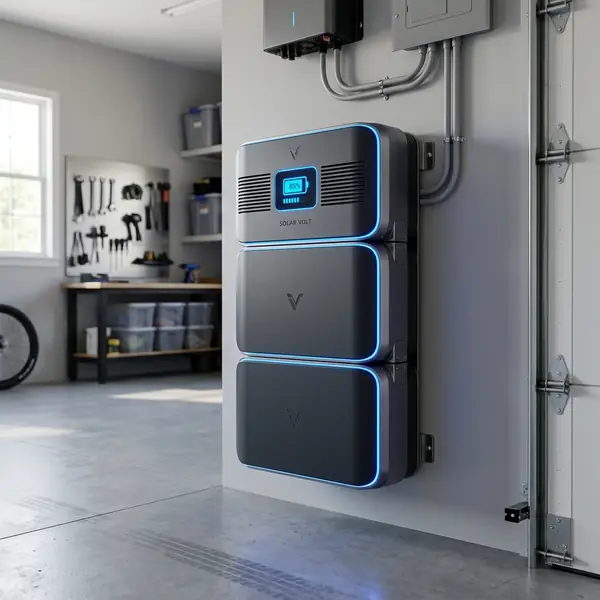
One key feature of Deye inverters is their hybrid capability. This means that they can not only convert energy from solar panels but also manage energy storage systems, allowing homeowners to store surplus energy generated during the day for later use. This is particularly beneficial for shifting energy consumption to times when solar generation is low, such as during the night or on cloudy days.
Smart Features and Monitoring
Deye inverters come equipped with smart features that allow users to monitor their energy production and consumption in real-time. Most models include Wi-Fi connectivity, enabling users to connect to mobile applications for easy remote monitoring. This functionality helps homeowners track their solar energy performance and optimize energy usage.
Moreover, some Deye models are compatible with smart home systems, allowing integration with energy management systems. This feature enables users to automate energy consumption based on solar production, further enhancing energy savings and efficiency.
Technical Comparison and Specifications
When considering a Deye solar inverter for home use, it is important to compare various models to understand their specifications and capabilities. Below is a comparative table that outlines key technical data for selected Deye solar inverter models:
| Model | Rated Power (kW) | Efficiency (%) | MPPT Tracks | Battery Support | Dimensions (mm) | Weight (kg) |
|---|---|---|---|---|---|---|
| Deye 3.0 | 3.0 | 97.5 | 2 | Yes | 370 x 275 x 120 | 10 |
| Deye 5.0 | 5.0 | 98.0 | 2 | Yes | 450 x 300 x 160 | 12 |
| Deye 8.0 | 8.0 | 98.5 | 2 | Yes | 500 x 350 x 180 | 15 |
| Deye 10.0 | 10.0 | 98.8 | 2 | Yes | 600 x 400 x 200 | 18 |
The table above provides a clear overview of the specifications for different Deye models. As seen, the rated power increases with the model number, and so does the efficiency. This is a critical factor for homeowners who want to maximize their energy output from solar panels.
Advantages and Disadvantages
Understanding the advantages and disadvantages of Deye solar inverters helps homeowners make informed decisions. Here are some key points to consider:
Advantages
1. High Efficiency: Deye inverters have a maximum efficiency rating of up to 98.8%, ensuring minimal energy loss during the conversion process.
2. Hybrid Capability: The ability to support battery storage systems makes Deye inverters versatile, accommodating both solar energy generation and energy storage needs.
3. Smart Monitoring: Real-time monitoring through mobile applications allows homeowners to track performance and optimize energy usage effectively.
4. Multiple MPPT Tracks: Having multiple MPPT tracks enhances energy harvesting from solar panels, even when shading or orientation differs.
5. Robust Build Quality: Deye inverters are designed to withstand harsh environmental conditions, ensuring long-term reliability and durability.
Disadvantages
1. Initial Cost: The upfront investment for Deye solar inverters may be higher than some competing brands. However, this can be offset by long-term savings on energy bills.
2. Size and Weight: Some models may be bulkier and heavier than other inverters, which could impact installation choices and space requirements.
DomineTec Tip: Always consider the inverter's efficiency and warranty when selecting models for optimal investment.
Installation, Regulation and Costs
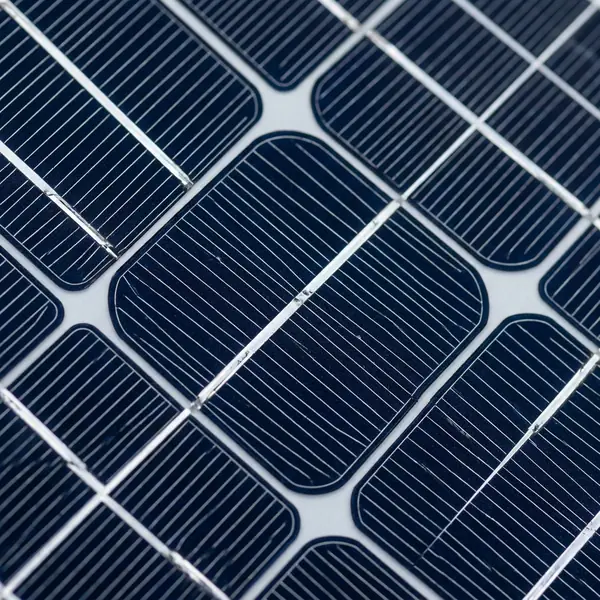
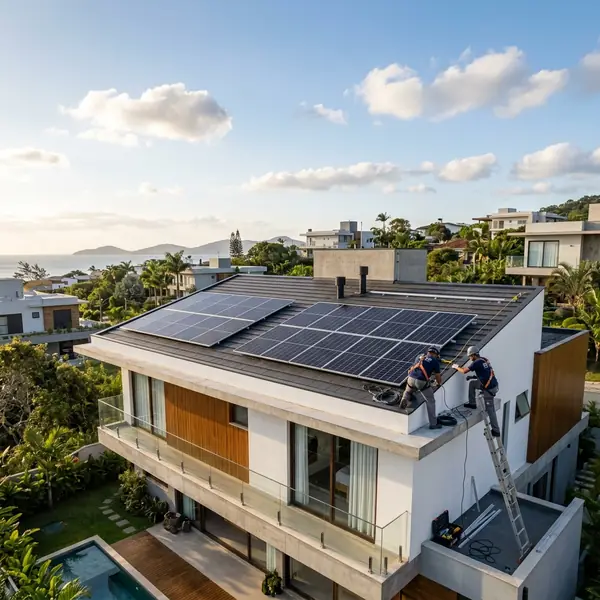
Installing a Deye solar inverter requires careful planning and adherence to local regulations. It is important to consult with certified solar installation professionals who understand the technical requirements and local codes.
Installation Process
The installation process typically involves several key steps:
1. Site Assessment: A site assessment is conducted to determine the best location for solar panels and inverters, considering factors like sunlight exposure, shading, and available space.
2. Electrical Connections: The inverter must be connected to the solar panels, battery storage (if applicable), and the electrical system of the house. This requires adherence to safety codes and standards.
3. Configuration: After installation, the inverter needs to be configured for optimal performance. This includes setting up MPPT parameters and connecting to Wi-Fi for monitoring.
Regulations and Incentives
Solar energy systems are subject to various regulations that may differ by region. Homeowners should familiarize themselves with local regulations, permitting requirements, and grid connection rules. Additionally, many regions offer incentives for solar installations, such as tax credits or rebates, which can significantly reduce overall costs.
For further insight on whether a solar water heater is worth it, you can read about is solar water heater worth it.
Cost Considerations
The cost of a Deye solar inverter can vary greatly depending on the model and installation specifics. On average, homeowners can expect to pay between $1,000 to $2,500 for the inverter alone, not including installation fees.
Installation costs can range from $500 to $2,000, depending on the complexity of the system and local labor rates. Overall, homeowners should expect an investment of $1,500 to $4,500 for a complete solar energy system, including panels, inverters, and installation.
Conclusion: Is it worth the investment?
Investing in a Deye solar inverter can be a sound decision for homeowners looking to maximize their solar energy utilization. With high efficiency, hybrid capabilities, and advanced monitoring options, Deye inverters provide a robust solution for residential energy needs.
When weighing the initial costs against long-term energy savings, many homeowners find that the investment pays off over time. Furthermore, the environmental benefits of using renewable energy contribute to a more sustainable future.
Ultimately, the decision to invest in a Deye solar inverter should be based on individual energy needs, budget considerations, and the specific characteristics of the chosen model. For those looking for reliable and efficient solar inverter technology, Deye presents a compelling option.
Case Studies: Real-World Applications of Deye Solar Inverters
To understand the effectiveness of Deye solar inverters, it's key to examine real-world applications. Let's delve into three case studies that highlight how these inverters perform in various residential settings.
The first case study involves a family in California that installed a Deye 5kW inverter paired with a 6kW solar panel system. The household aimed to reduce their electricity bills and minimize their carbon footprint. After installation, they reported a 70% reduction in monthly energy costs.
The inverter efficiently managed energy conversion even during peak sun hours, showcasing its robust performance.
In another instance, a homeowner in Florida opted for a Deye 10kW inverter for their large property equipped with a 12kW solar array. Facing frequent power outages due to storms, the homeowner needed a reliable solution. The Deye inverter's grid-tie capability allowed for seamless transitions during outages, providing peace of mind and continuous power supply.
This adaptability proved important during hurricane season.
The third case study highlights an urban setting where a multi-family residence installed multiple Deye 3kW inverters. This project aimed to provide renewable energy to several units while maintaining a compact footprint. The system's modular design allowed for scalability, accommodating future expansions.
The result was a significant reduction in communal electricity costs, benefiting all residents.
Step-by-Step Sizing Guide for Deye Solar Inverters
Choosing the right Deye solar inverter is pivotal to maximizing efficiency and cost-effectiveness. Here is a step-by-step guide to help you size your inverter correctly.
Step 1: Assess Your Energy Needs
Begin by evaluating your household’s energy consumption. Review your electricity bills for the past year to determine your average monthly usage in kilowatt-hours (kWh). This information will provide a baseline for sizing your inverter and solar panel system.
Step 2: Calculate Your Solar Panel Output
Next, consider the solar panel array you will install. A standard solar panel produces between 250 to 400 watts. Multiply the number of panels by their wattage to estimate the total output.
For example, if you have ten 300-watt panels, your total output would be 3,000 watts or 3kW.
Step 3: Determine Inverter Size
As a rule of thumb, the inverter should be sized to handle approximately 80% of the total panel output to ensure optimal performance. If your total solar output is 3kW, you would ideally select a Deye inverter rated between 2.4kW and 3kW. This sizing allows for system losses while maintaining efficiency.
Step 4: Consider Future Expansion
Think ahead about possible system expansions. If you plan to add more panels in the future, choose an inverter with a higher capacity. This foresight prevents the need for a costly inverter replacement as energy needs grow.
Step 5: Evaluate Local Regulations and Incentives
Before finalizing your choice, research local regulations regarding solar installations. Some areas offer incentives or rebates for specific inverter types or sizes. This can significantly impact your overall investment and should factor into your decision-making process.
Step 6: Consult with Professionals
Finally, consult with a solar energy professional. They can provide insights based on local conditions, shading, and roof orientation, ensuring your system is tailored to your specific needs. Professional guidance can prevent costly mistakes and ensure your investment is sound.
Hidden Cost Analysis of Deye Solar Inverters
Investing in a solar inverter is more than just the upfront price; several hidden costs can impact your overall investment. Understanding these costs is important for accurate budgeting and financial planning.
Installation Costs
While the inverter itself has a set price, installation can vary widely depending on the complexity of your system and the rates charged by contractors. Additional costs may include mounting hardware, electrical connections, and any necessary permits. It’s prudent to obtain multiple quotes from professional installers to ensure you receive a fair price.
Maintenance and Repairs
Although Deye solar inverters are designed for durability, they may require occasional maintenance and repairs. This includes regular inspections to ensure optimal performance and potential replacement of components like fuses or circuit breakers. Factor in these costs when evaluating the total expenditure of your solar system.
Monitoring and Software Costs
Many modern solar inverters, including Deye models, offer monitoring capabilities to track energy production and usage. While some systems come with free monitoring software, others may require a subscription or app purchase. Be sure to account for these ongoing costs when deciding on your inverter.
Insurance and Warranty Considerations
Insurance premiums may increase with the addition of solar equipment. It’s important to consult your insurance provider to understand how your policy will change and what coverage is necessary for your solar system. Additionally, review the inverter's warranty terms, as extending warranties can also add to your costs.
Potential Energy Loss
Energy loss can occur due to inefficiencies within the inverter or from suboptimal system design. Understanding the potential for energy loss can help you make informed decisions about sizing and selecting components for your solar system. This aspect can be a hidden cost that impacts your return on investment over time.
For home thermal solutions, discover whether a residential is solar water heater worth it for your configuration.
For research and standardized metrics on global solar cell efficiencies, consult the database of the National Renewable Energy Laboratory (NREL).
Advanced Maintenance Workflows for Deye Solar Inverters
Maintaining your Deye solar inverter is key for ensuring long-term performance and longevity. An advanced maintenance workflow can help streamline the process and keep your system running efficiently.
Routine Inspections
Schedule routine inspections at least twice a year. During these inspections, check for physical damage, loose connections, and signs of wear. Ensure that the inverter is clean and free from dust and debris, which can affect its cooling efficiency.
Software Updates
Regularly check for software updates from Deye. Keeping the inverter’s firmware current can enhance performance, add new features, and improve security. Most manufacturers provide easy instructions for downloading and installing updates.
Performance Monitoring
Utilize the monitoring capabilities of your Deye inverter to track performance metrics. Look out for any significant fluctuations in energy production, which could indicate issues. Set up alerts to notify you of any performance drops, enabling timely interventions.
Professional Servicing
Engage with a certified technician for comprehensive service at least every three to five years. This professional servicing should include detailed diagnostics, internal inspections, and cleaning of components. Technicians can also provide insights into potential upgrades or necessary repairs.
Documentation and Record Keeping
Maintain detailed records of all inspections, maintenance activities, and repairs. Documenting these activities can help identify patterns over time and facilitate warranty claims. It also aids in keeping track of equipment performance and planning for future upgrades or replacements.
By following these advanced maintenance workflows, you can maximize the lifespan and efficiency of your Deye solar inverter, ensuring a reliable renewable energy source for years to come.
Frequently Asked Questions
What is the average payback period for home solar?
The average payback period in the US ranges between 5 and 9 years, depending on state incentives and utility rates.
Do solar panels generate electricity without direct sunlight?
Yes, they produce power on cloudy days but at a reduced capacity of 10% to 25%. They do not generate electricity at night.
How much maintenance do home solar panels require?
Maintenance is minimal, typically involving cleaning the panels twice a year and performing a system health check.
Do I need battery storage for my solar energy system?
It is not required for grid-tied systems, but batteries are vital for off-grid operations or backup power during grid blackouts.
Can I completely eliminate my monthly electricity bill?
You cannot reach absolute zero because most utilities charge a basic monthly grid connection fee regardless of production.




